There are cities that one should see because they have shaped culture, history, and our view of the world like no other place. New York and London are certainly among them, as are Paris and Athens – perhaps also Tokyo, Shanghai, Mumbai, Dubai, or Istanbul. Each of these metropolises represents its own era, its own idea of the world.
But the Italian capital Rome is undoubtedly one of them: once the center of power of the Roman Empire, later the cradle of Christianity, and for centuries the spiritual, political, and cultural reference point for entire continents. Hardly any other city can claim with greater justification to have had a lasting impact on the face of the world.
Anyone who really wants to immerse themselves in history and develop a deep understanding of the beauty and significance of Rome’s sights would have to spend weeks – if not months – in Rome. We only had two days at our disposal: enough for a quick, inevitably superficial tour of the biggest sights. And yet this short time was enough to leave us standing there with our mouths agape in amazement.
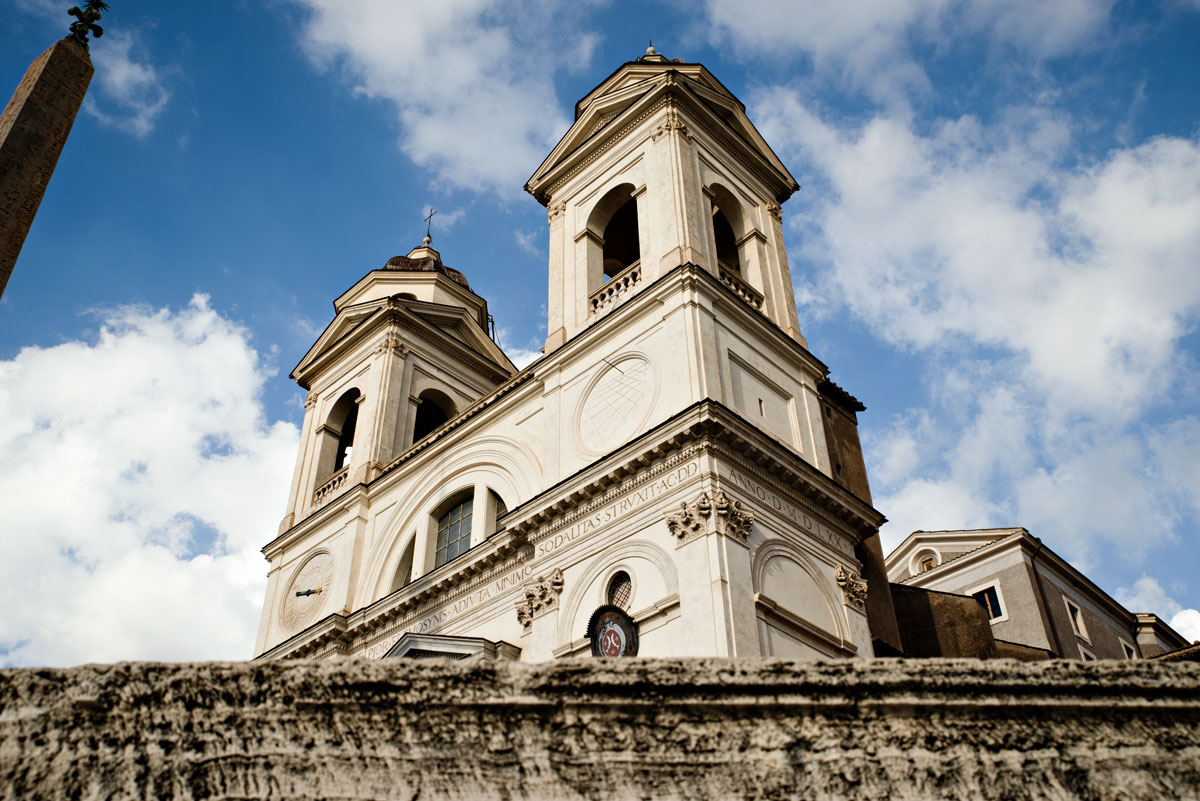
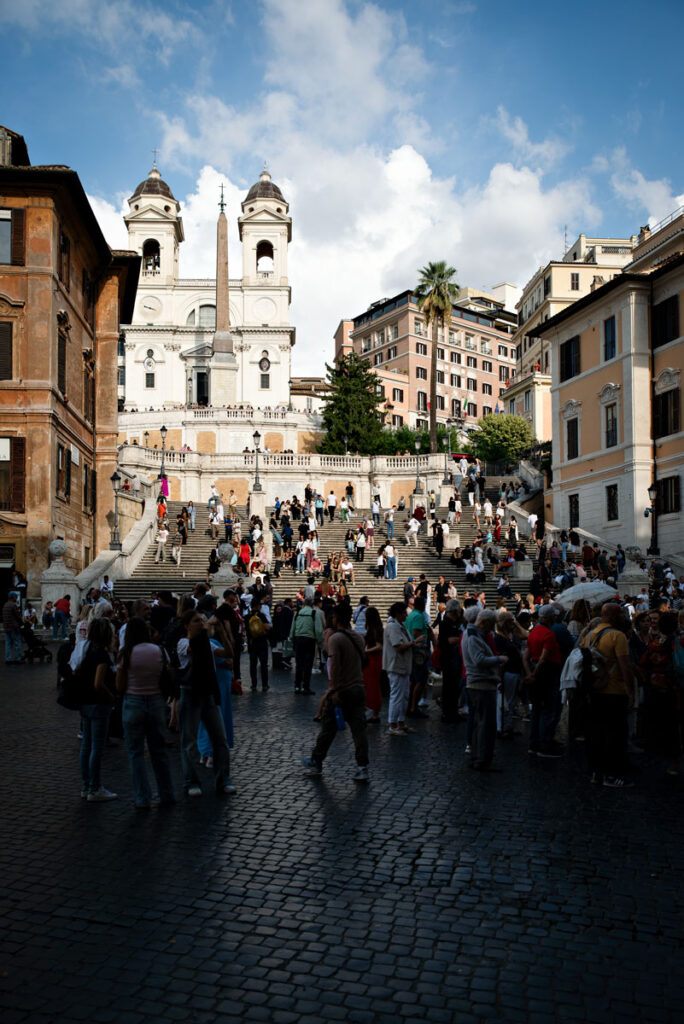
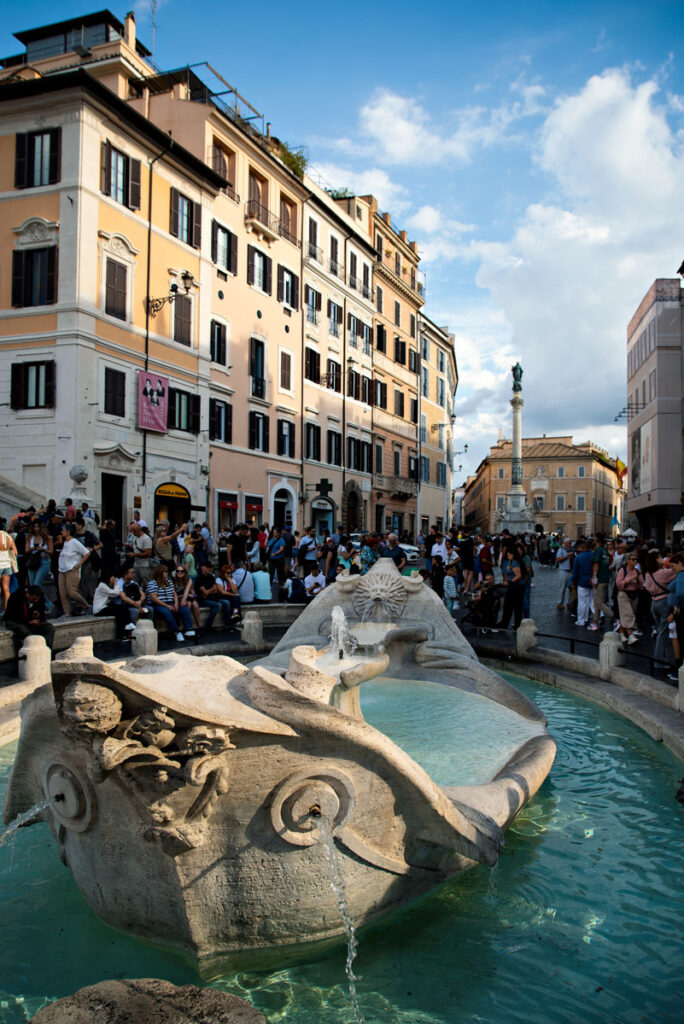
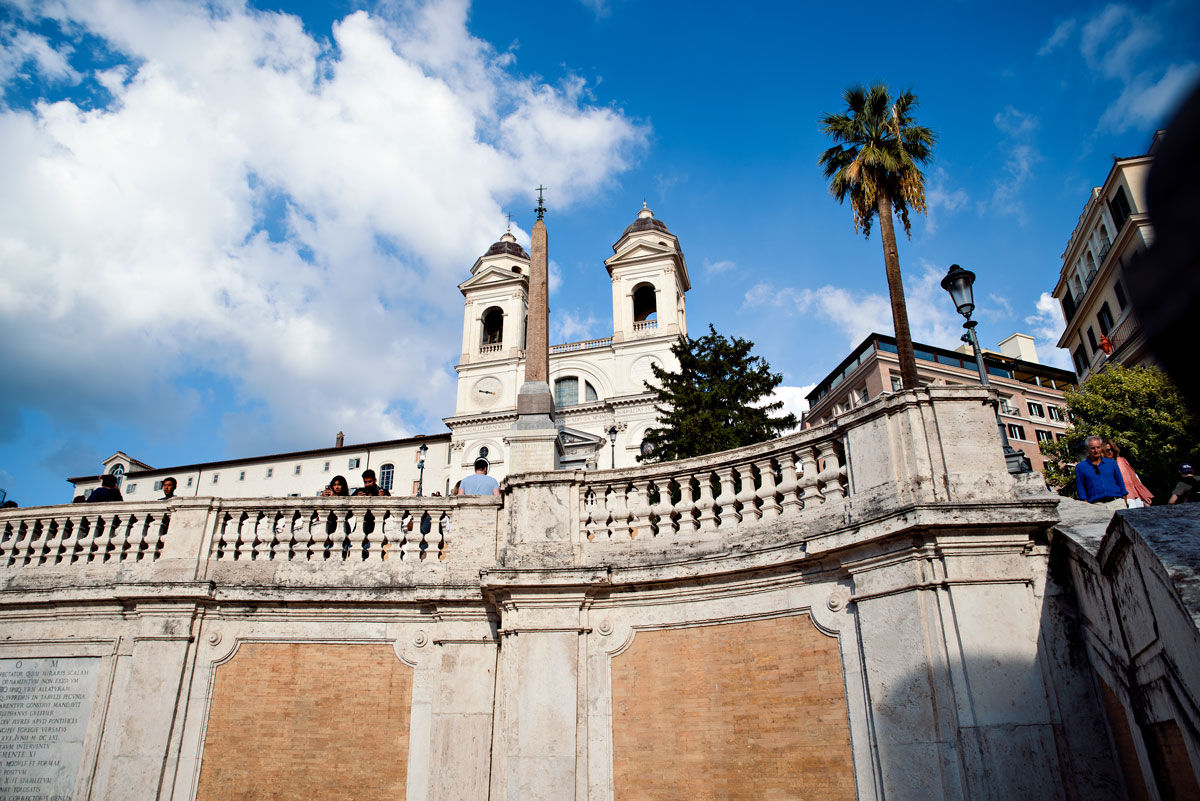
From Piazza del Popolo, a line of sight leads straight to the Spanish Steps. It connects Piazza di Spagna with the higher-lying church of Trinità dei Monti. It was once located in the catchment area of the Spanish Embassy, hence its name. Today, it is a central square and meeting place in Rome. Admittedly, the steps themselves are unassuming, almost austere and plain. What is astonishing is the crowds of visitors who gather here even at the beginning of the off-season.
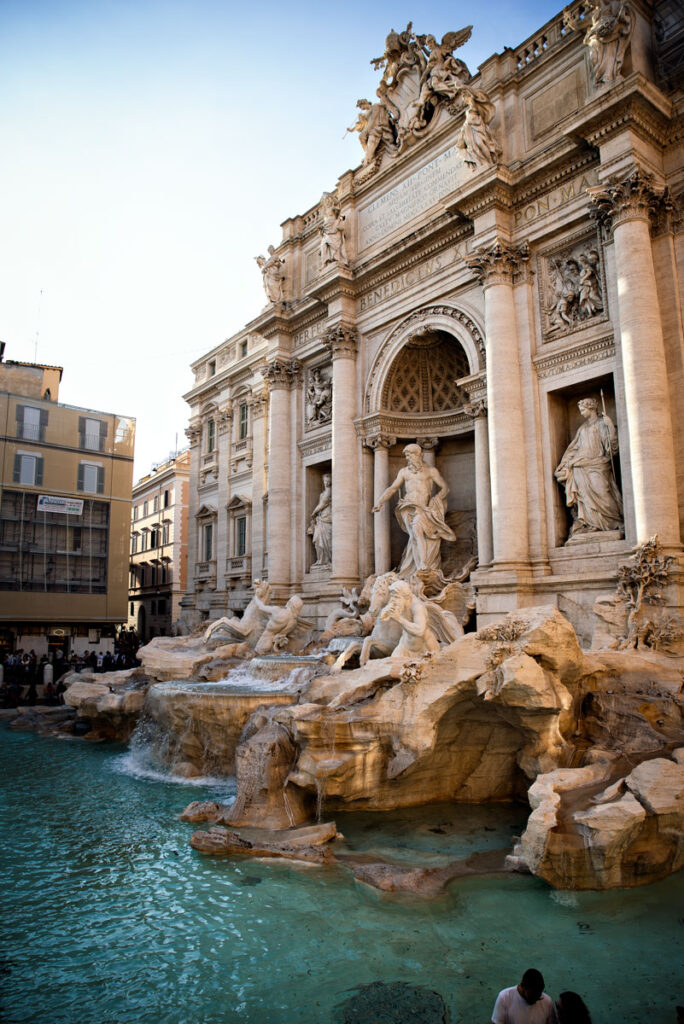
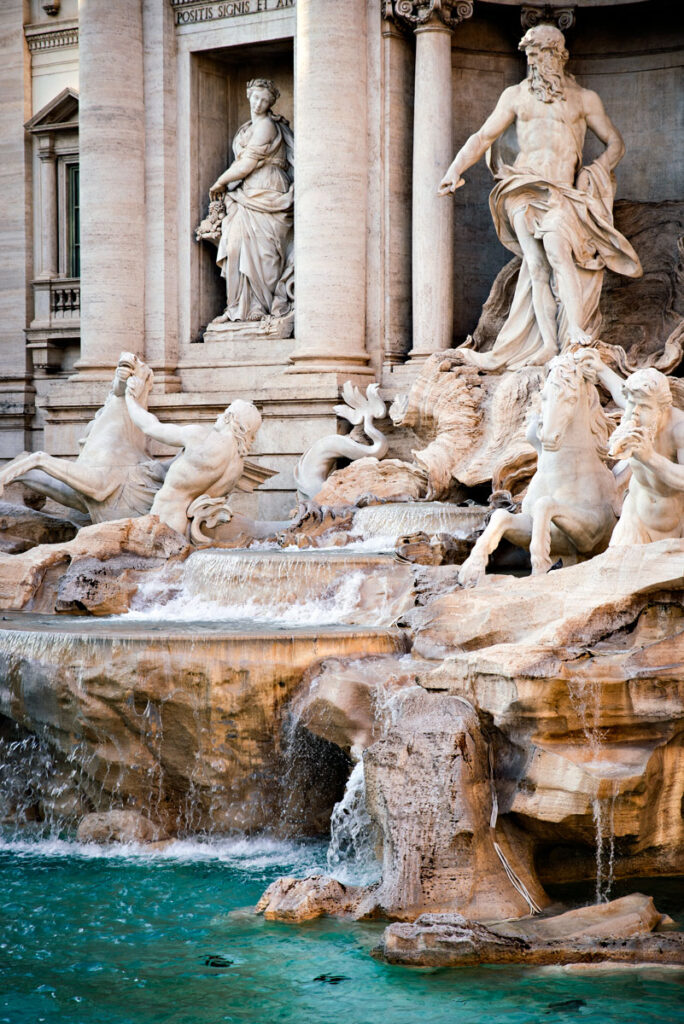
As we walk through the narrow streets of the Trevi district, we notice how the crowds around us are getting denser and denser. At some point, it becomes almost impossible to get through. Suddenly, we find ourselves standing in front of the Trevi Fountain, surrounded by people pushing forward in amazement to take a photo of this spectacular masterpiece. The line to get right down to the water is incredibly long. According to popular superstition, throwing three coins into the fountain will ensure that you return to Rome, fall in love with a Roman, and ultimately marry him or her.
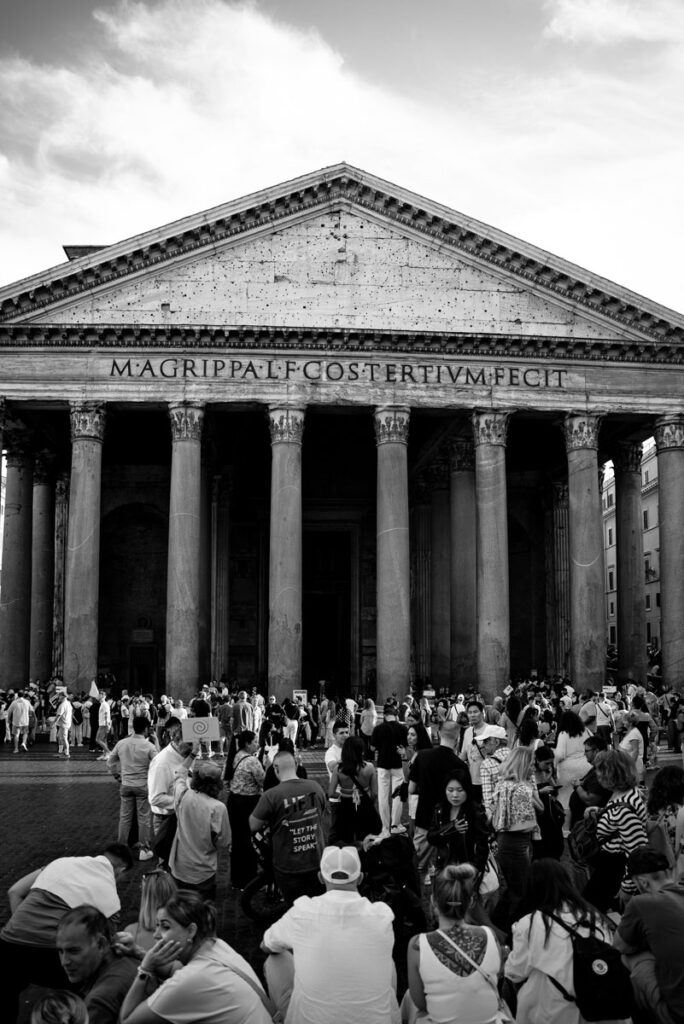
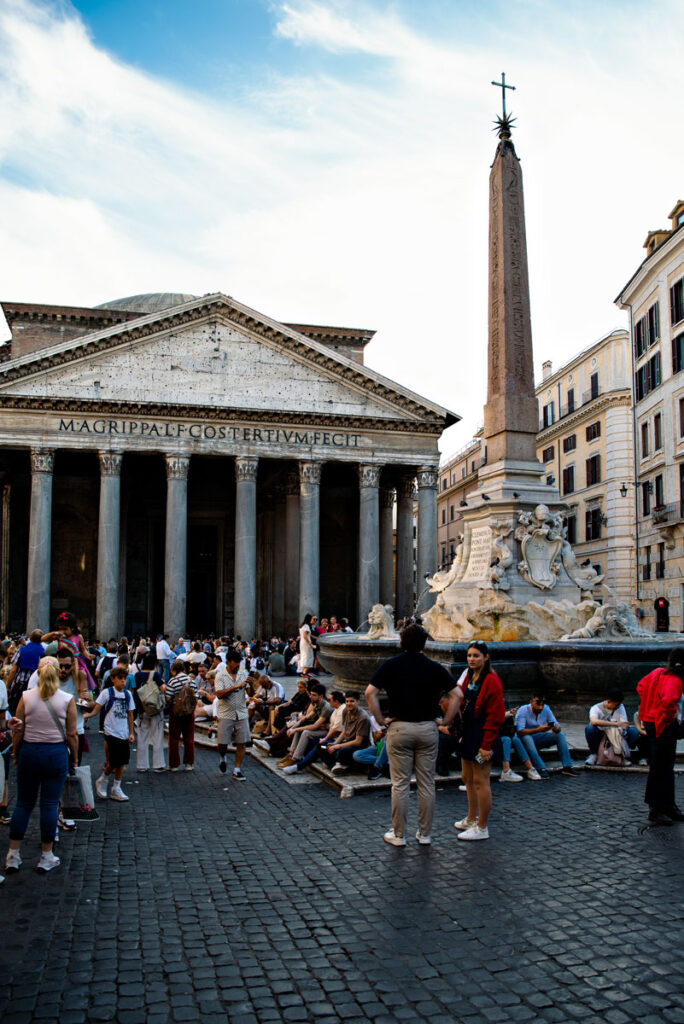
A magnificent building from Roman ancient times. The columns rise majestically above the entrance, and a gigantic dome spans the interior. Mathematical perfection, superhuman architecture, and unique resistance to the centuries, rain, wind, and sun. Probably built to honor several gods, it was consecrated as a Christian church in the early Middle Ages. The Pantheon has always been subject to change: two fires destroyed it, so that it had to be rebuilt or at least restored. Over the centuries, columns were replaced – depending on the taste of the time. The bronze cladding of the roof was melted down for cannons. A bell tower was added, later replaced by two symmetrical towers, which in turn were demolished at some point. Thus, the Pantheon constantly changed its appearance and the significance it had for the world, the people, the city, and the gods.
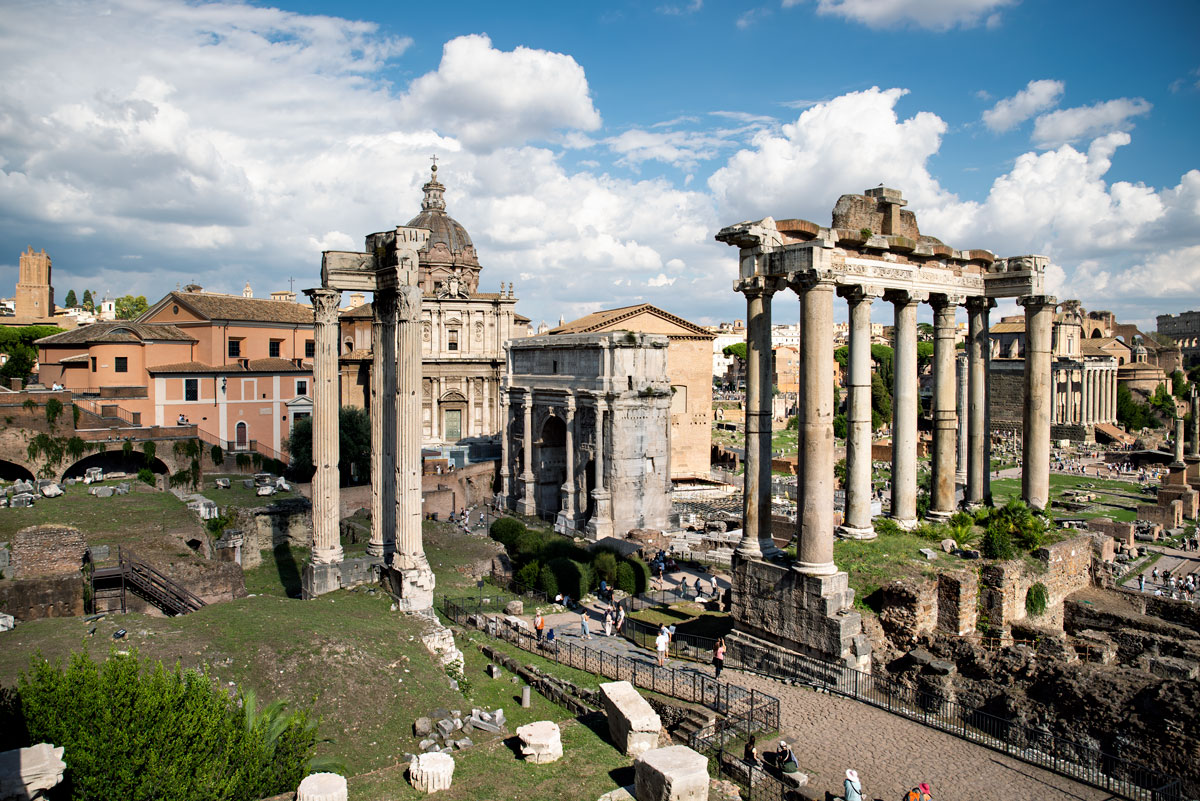
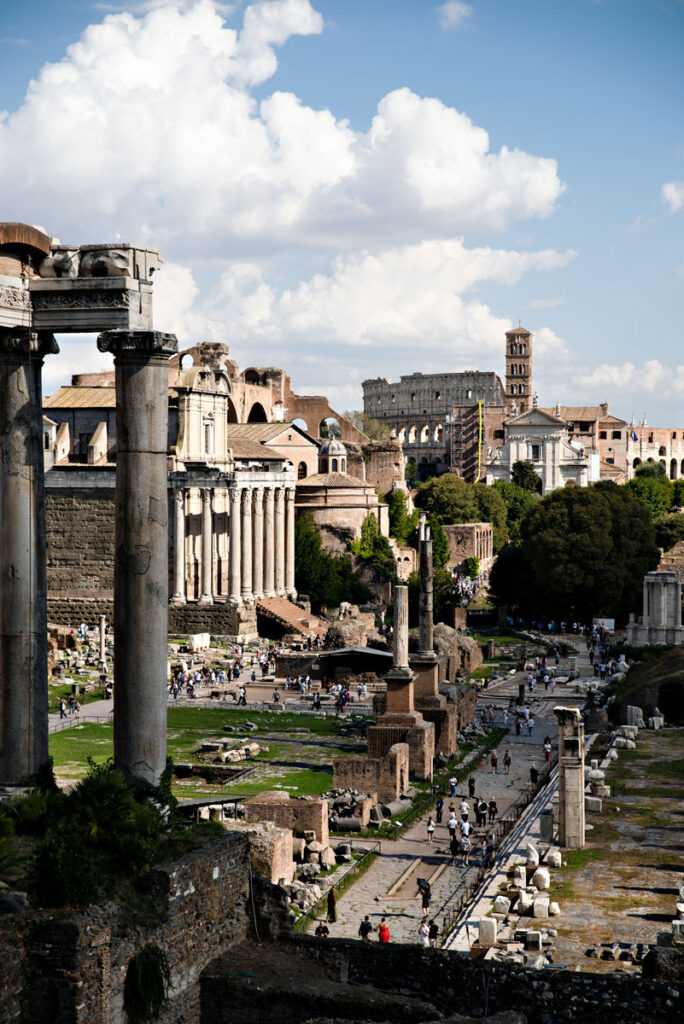
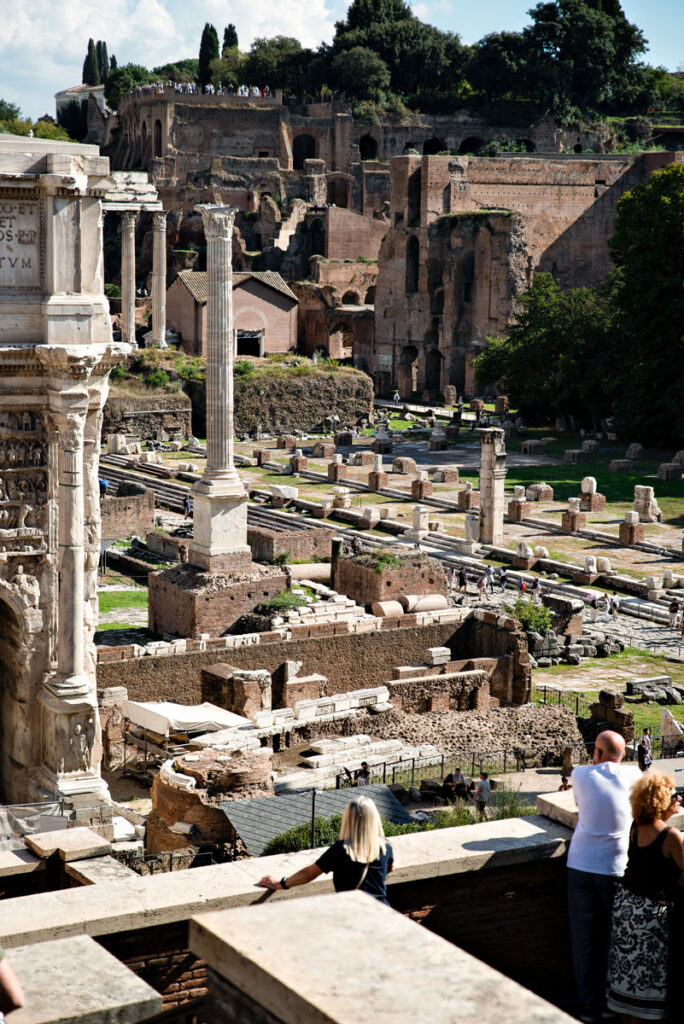
We are standing at the edge of the Roman Forum, the heart of ancient Rome, indeed the heart of the Roman Empire. And thus, one could say, the heart of the ancient world. At its peak, hardly any other empire was as powerful and widespread as the Roman Empire.
Even though only ruins and individual columns remain today as evidence of the splendid building – in contrast to the excellently preserved Pantheon – we can still get an impressive sense of what a breathtaking place the Roman Forum must have been. And at the same time, we ask ourselves, what has our modern cities lost that they have degenerated into a concrete nightmare? Where has the aesthetics and splendor in our cities gone? Everything beautiful comes from a long-forgotten era. Cities like London, New York, and Paris are so popular because they are still full of elements of Art Deco, Neo-Gothic, and Beaux-Arts.
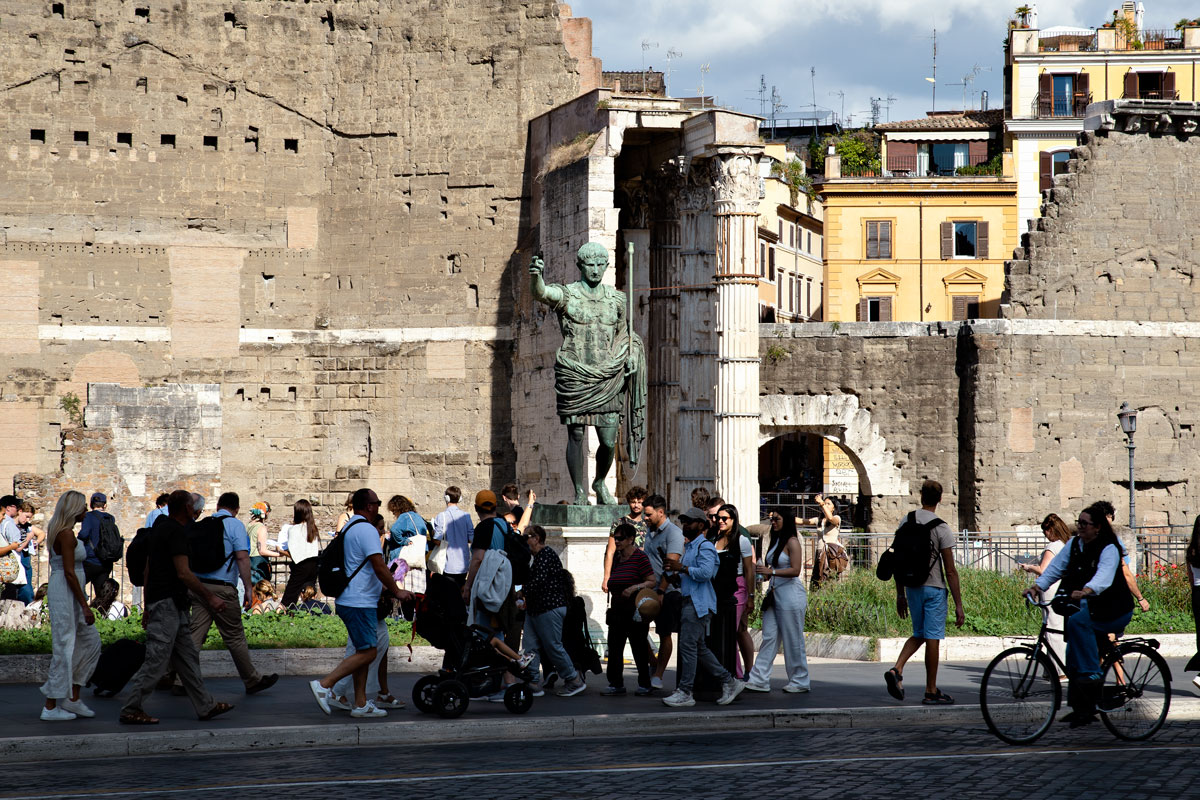
Traces of ancient emperors and the Roman Empire are visible throughout the city. Opposite the Roman Forum stands a statue of Trajan, once Roman emperor. Under his rule, the Roman Empire reached its greatest extent. He promoted the construction of new roads, introduced social measures such as free grain distribution and improvements to the water supply in poor neighborhoods, and in this way ensured the steady Romanization of the provinces. In doing so, he focused primarily on Italy. He underscored his claim to power with a multitude of magnificent buildings – the Forum Traiani was the pinnacle of his work.
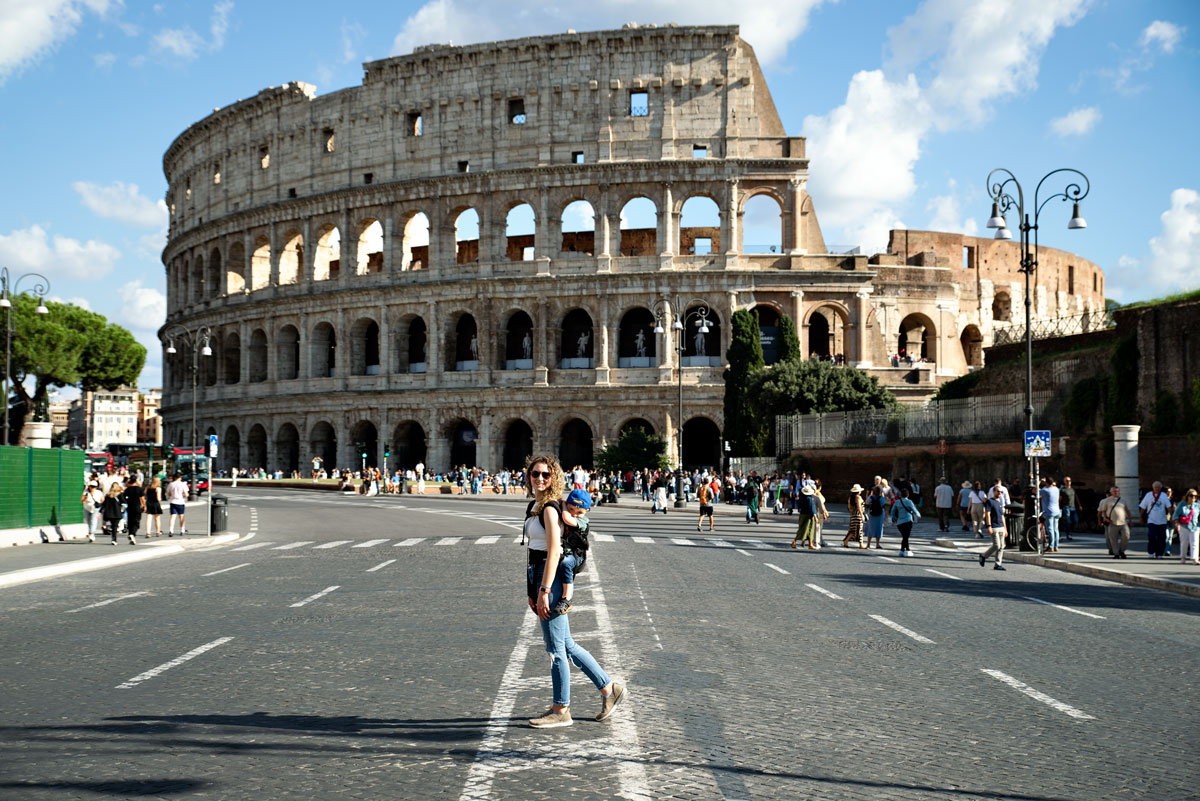
Only a handful of buildings have managed to earn a place in humanity’s collective memory as true marvels. They are icons of their time and still embody the promise of distant lands and past cultures. The Empire State Building, the Eiffel Tower, Big Ben, and the Great Wall of China – names that immediately conjure up images. The Colosseum in Rome undoubtedly belongs in this list.
Hardly any other building is so strongly influenced by cinematic images and historical ideas: bloody gladiatorial fights in front of thousands of spectators, exotic predators rising from underground cages, even reenacted sea battles for which the amphitheater was temporarily flooded. Built in the 1st century AD under the Flavian emperors, the Colosseum once held up to 50,000 people, making it the largest amphitheater in the ancient world. Even today, it shapes the cityscape of Rome like no other building.
In two days, we were only able to take in a fraction of this gigantic city. It was little more than a cautious scratch on the surface – and yet what we uncovered was enough to amaze us time and again. Even a simple bus ride from the Vatican to the Roman Forum turned into a journey through time, passing by scenes from the past.
It is unimaginable what an impression this city must have made on the people of antiquity – on traveling merchants from distant provinces, on exhausted sailors, on deported slaves who were setting foot in the center of the known world for the first time. The monumental homage to the gods and the Roman emperors, staged in temples of almost superhuman dimensions, must have left every visitor in awe and disbelief.
Even though we didn’t throw coins into the Trevi Fountain, one thing is certain: we will return to this city. Perhaps not to find true love, but to delve deeper into its unique history and let ourselves be carried away by times long past. Today’s world would perhaps be a little more beautiful if it remembered Rome’s masterful architecture more often.