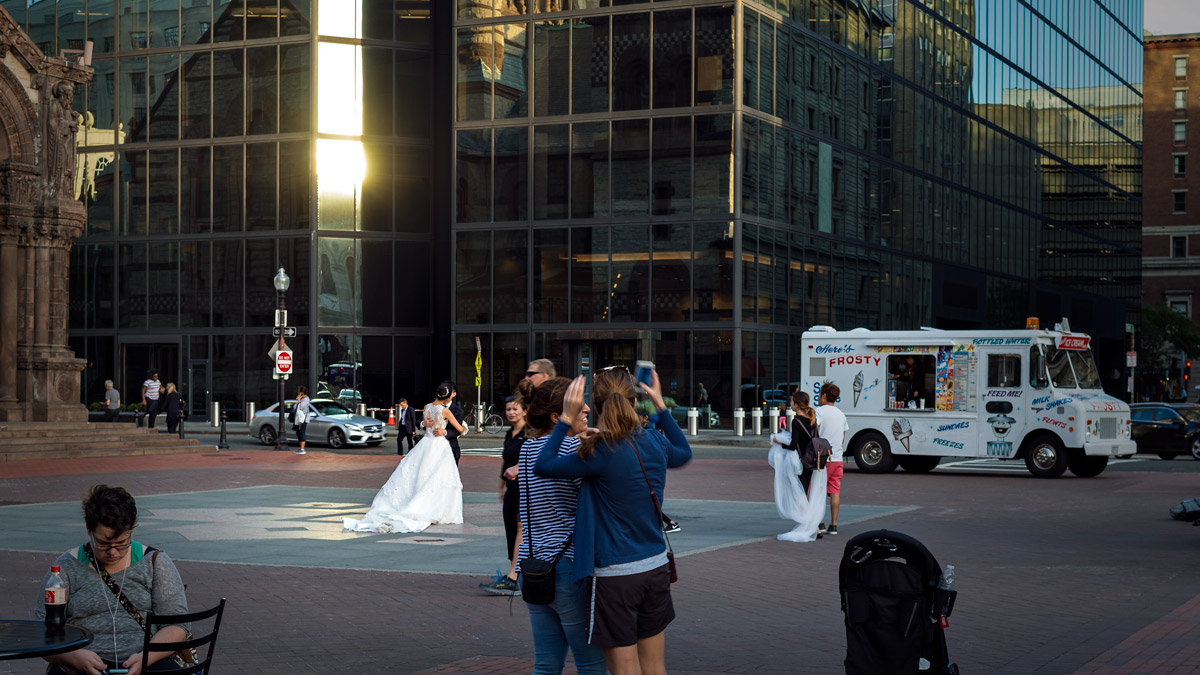
Late summer on the East Coast. We’ve come from the north, where we’ve already caught a first glimpse of autumn in Canada. Morning fog over dark lakes, cool nights, and the first leaves turning color along the roadside. Here in Boston, however, summer temperatures still prevail. The air is warm, the parks are full of people, and a golden light – the kind that only the last weeks of summer can produce – shines over the red brick facades.
So we throw ourselves into this livable metropolis, where Vany spent a year as an au pair right after graduating from high school. These are the final days of our U.S. road trip, and we’ve grown weary from the fast pace at the start. After the overwhelming impressions of New York City and Niagara Falls, we no longer crave superlatives.
Boston is therefore the perfect finale: a city that doesn’t overwhelm with its size, but with its atmosphere. We let ourselves drift, walking aimlessly through residential neighborhoods and small streets. There are fewer classic must-sees than there were in New York or Washington. Instead, we encounter real life here – the kind lived by millions of Americans. People sit in parks with coffee cups, students hurry across the streets, and somewhere, someone is playing jazz on a piano through open windows.
Boston is incredibly rich in American history, and anyone who wishes to explore it can immerse themselves in its numerous museums and historic sites. The Boston Tea Party, the Freedom Trail, Castle Island, the USS Constitution, the Bunker Hill Monument, and much more – the American Revolution of the late 18th century is ever-present here. However, all these places and events cannot simply be consumed in passing. They demand time, a careful study of the facts and events. They want to be contextualized and understood. Boston is not a colorful, superficial Instagram story. Boston is living American history. Boston is the foundation of the American nation.
We, too, visit some of these places, but in between, we always make time for quiet moments and give our minds a break from the constant stream of dates and major historical events. We enjoy the student buzz at Harvard University, feed squirrels in Boston Common, and look for more unassuming photo opportunities.
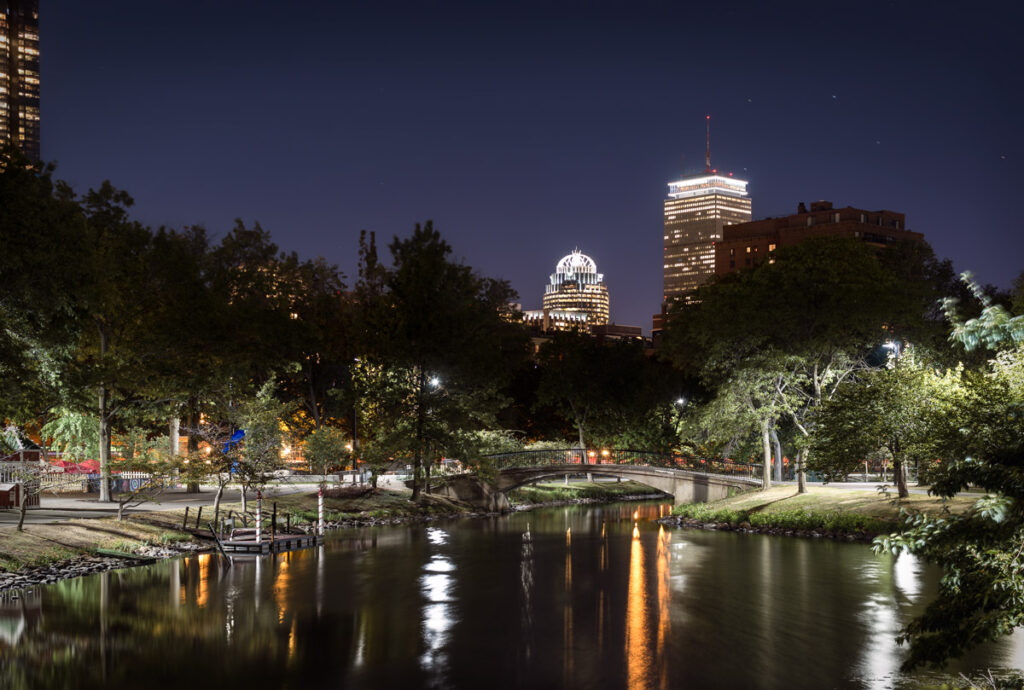
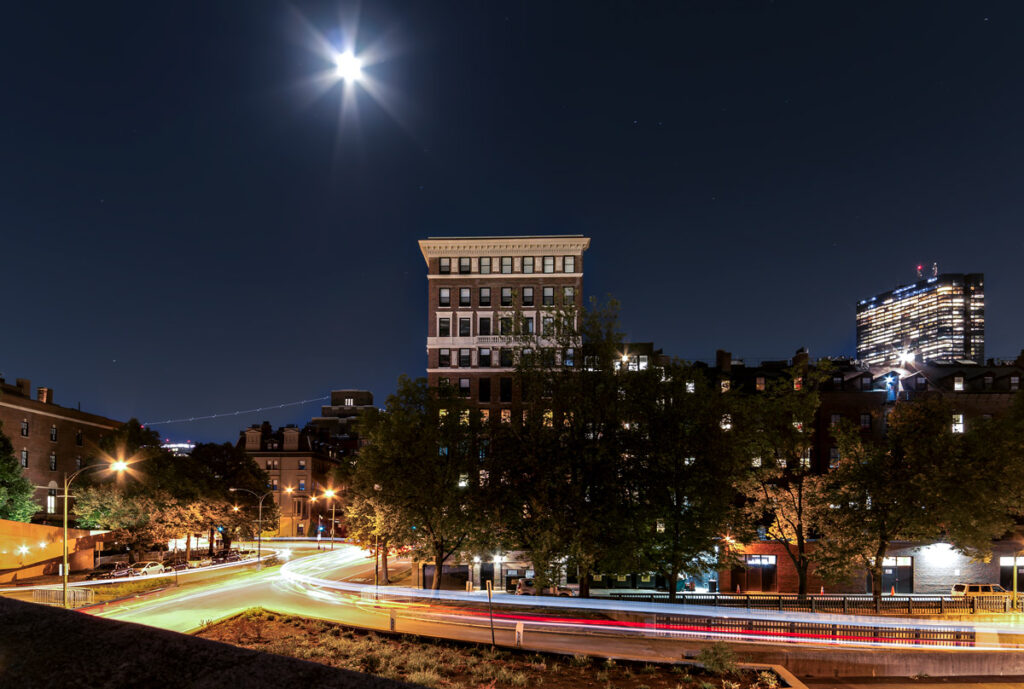
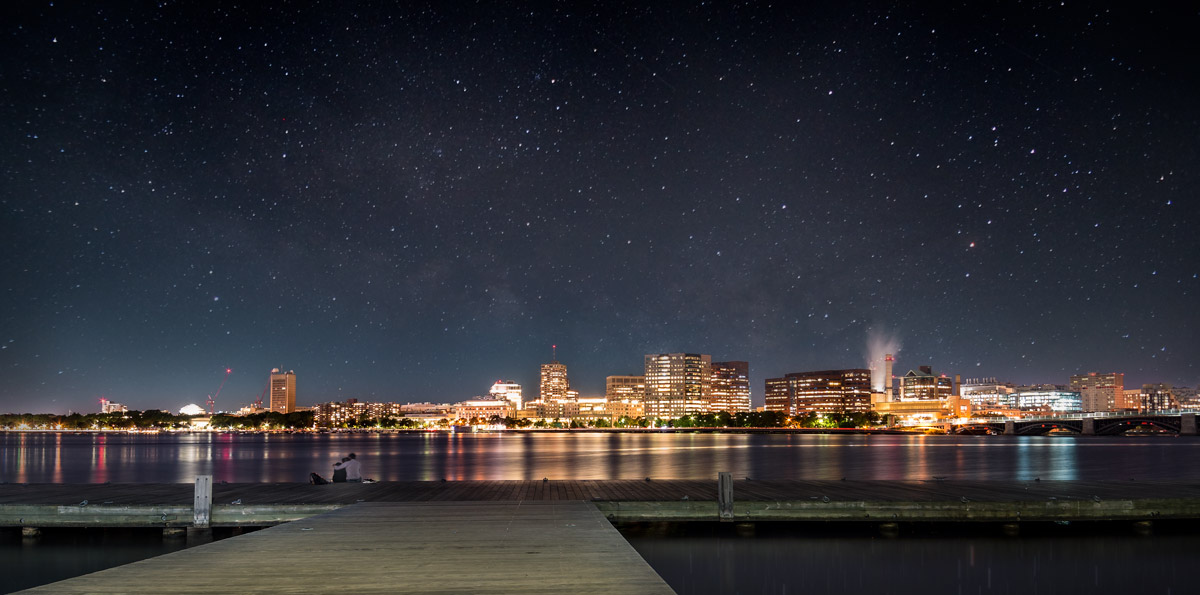
A full moon hangs over Boston. The night is warm and summery, the air heavy with the scent of the river and the heated streets. From the opposite bank of the Charles River, the lights of office buildings and industrial complexes shimmer in the dark water.
A couple in love is enjoying the night by the water. A bottle of wine, a tender embrace. Their eyes fixed on the stars in the sky and the twinkling lights on the opposite bank. Fiedler Field lies quiet and peaceful by the water. Behind us, the streets and subways are slowly emptying. A few students walk by, laughing.
We stay seated on the shore for a while longer, exchanging only a few words. After the past weeks filled with impressions, massive metropolises, and iconic landmarks, this moment feels strangely easy. Almost as if the journey were slowly coming to a close here.
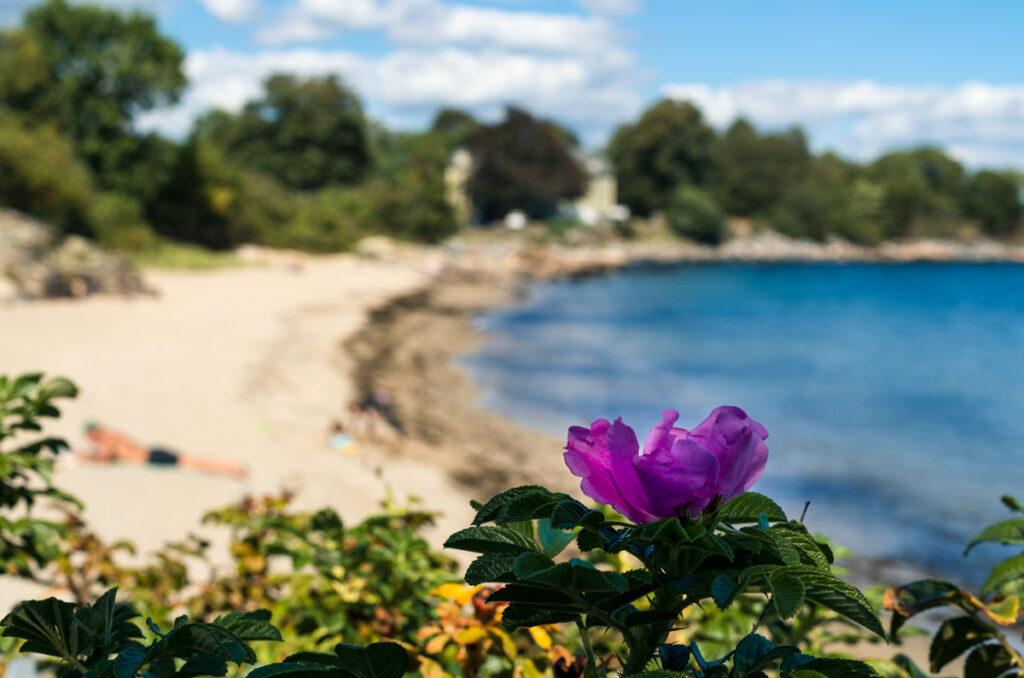
We drive out of Boston in our rental car and head first for the coastal town of Salem. On this weekday in September, the town’s streets are deserted. The sun shines golden overhead, and the narrow beaches to the north lie idyllically quiet. We enjoy our last day in the U.S. before returning to New York City to fly home from there.
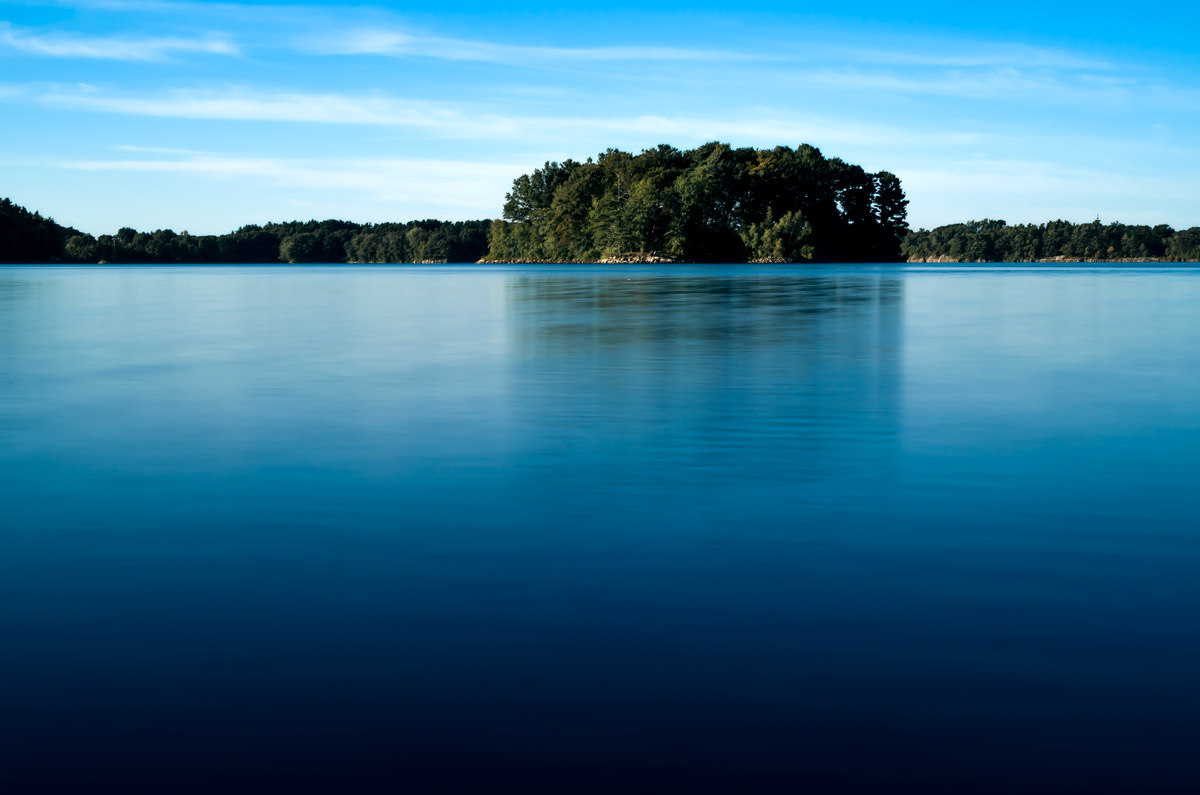
So we stroll through the town, looking for witches and watching the waves of the Atlantic break against the rugged coastline. On the way back to Boston, there’s one last sugary temptation: coffee and donuts at Dunkin’. Afterward, we make a spontaneous detour to Lynn Woods Reservation – a lake landscape that almost feels like Sweden, right on Boston’s doorstep. A short hike leads us to a deserted stretch of nature in the middle of the forest. The lake before us glows an almost unnaturally clear blue.
As the afternoon slowly comes to an end, we join the line of cars heading toward downtown. While filling up, we exchange a few words with the gas station attendant – very casual, very American. We enjoy this mindset, which welcomes you immediately like a friend and shows no shyness toward strangers.
New England is different. To us Germans, it almost feels familiar: the modern, clean-lined architecture of the big cities. The brick houses, the charm of the old. History and heritage are in the air; everything has meaning. The people’s mindset, student life, urban culture – it doesn’t feel all that different. And yet, there are differences. Everything seems a little bigger, a little farther, a little taller. Nature is wilder, the cities are more crowded, the Coke is sweeter, the cars are wider.
New England oscillates between European heritage and American grandiosity – and it is precisely this blend that makes this American region so appealing.