In northwestern Thailand, the province of Mae Hong Son lies along the border with Myanmar. Dense forests, rolling mountain ranges, and deep valleys characterize this remote region, which has so far been largely spared from mass international tourism. In recent years, the small town of Pai has become a popular backpacker hotspot. Equally well-known is the Mae Hong Son Loop – a roughly 600-kilometer circular route starting in Chiang Mai, considered one of the most beautiful motorcycle routes in Southeast Asia.
We, however, are coming from the south – from Tak Province. For hundreds of kilometers, we’ve hardly encountered any other tourists. In the late afternoon, we reach Mae Sariang, the southernmost major city in the province. It lies peacefully on the banks of the Yuam River. There’s little traffic, and a relaxed evening atmosphere in the restaurants. A few temples serve as a popular meeting spot for motorcyclists touring the beautiful north of Thailand on their roaring Harleys.
The provincial capital of the same name, Mae Hong Son, is an idyllic little town surrounded by green mountain ranges and gently flowing rivers. The airport takes up a surprisingly large portion of the city’s area, yet air traffic here is rare. As a result, an almost village-like tranquility prevails in the city center. Although the Mae Hong Son Loop is one of the most popular scooter tours in Thailand among backpackers, we encounter only a few foreign tourists here.
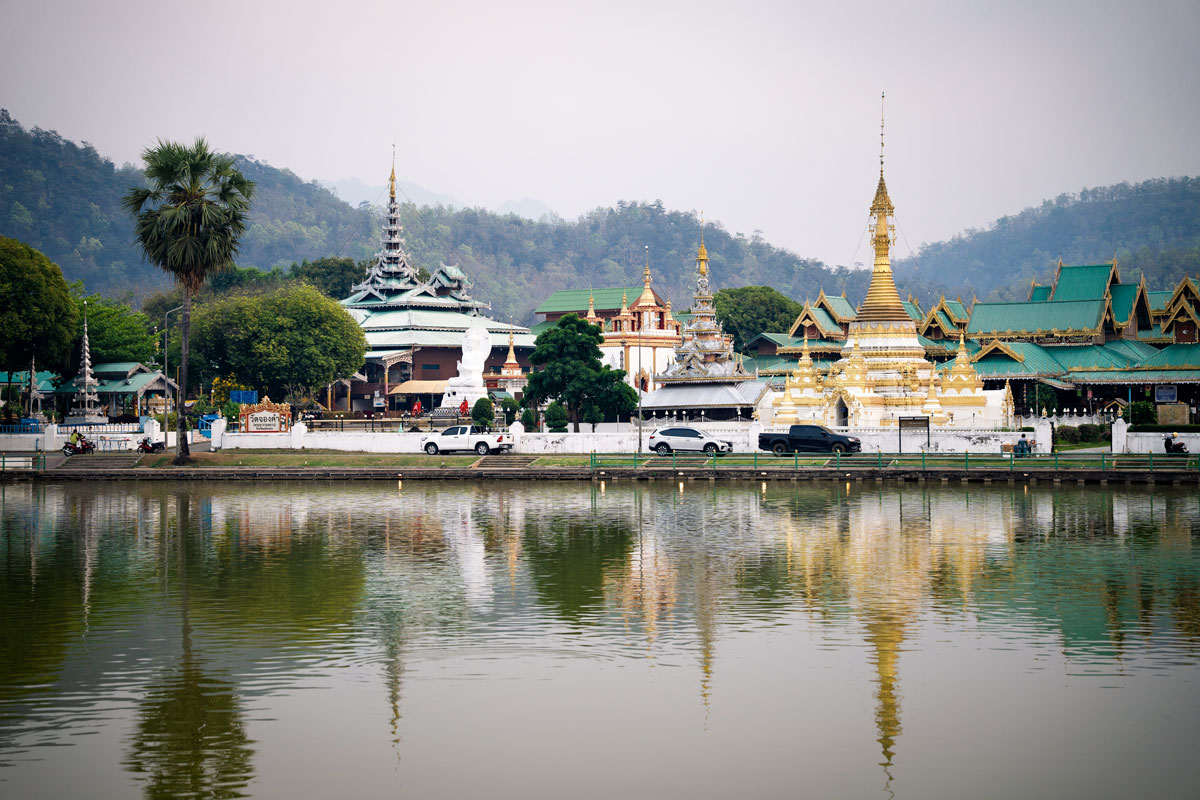
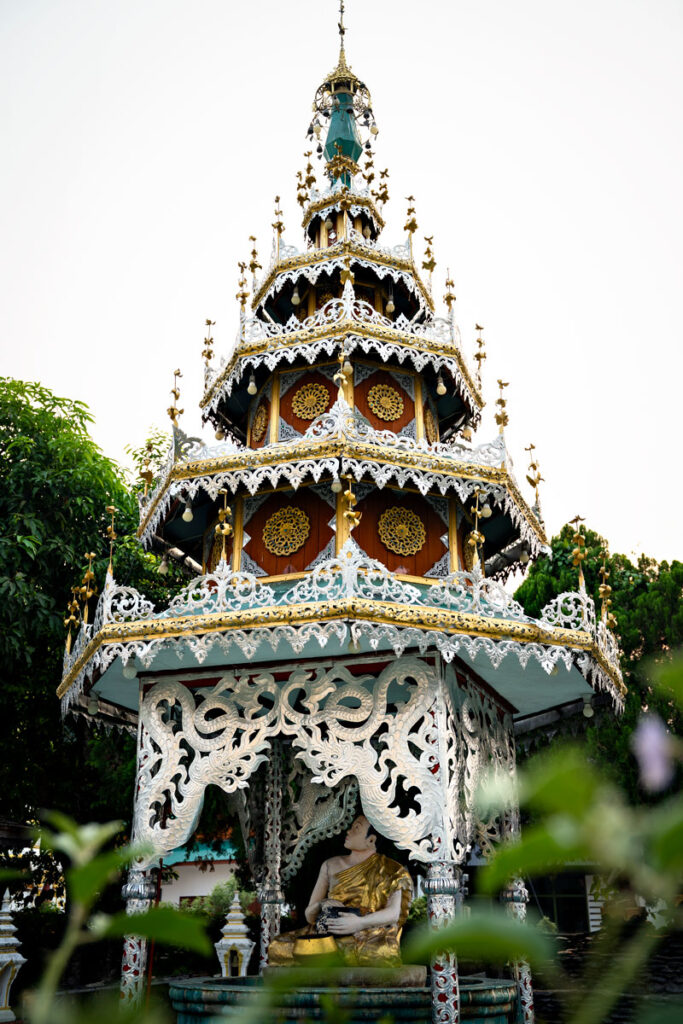
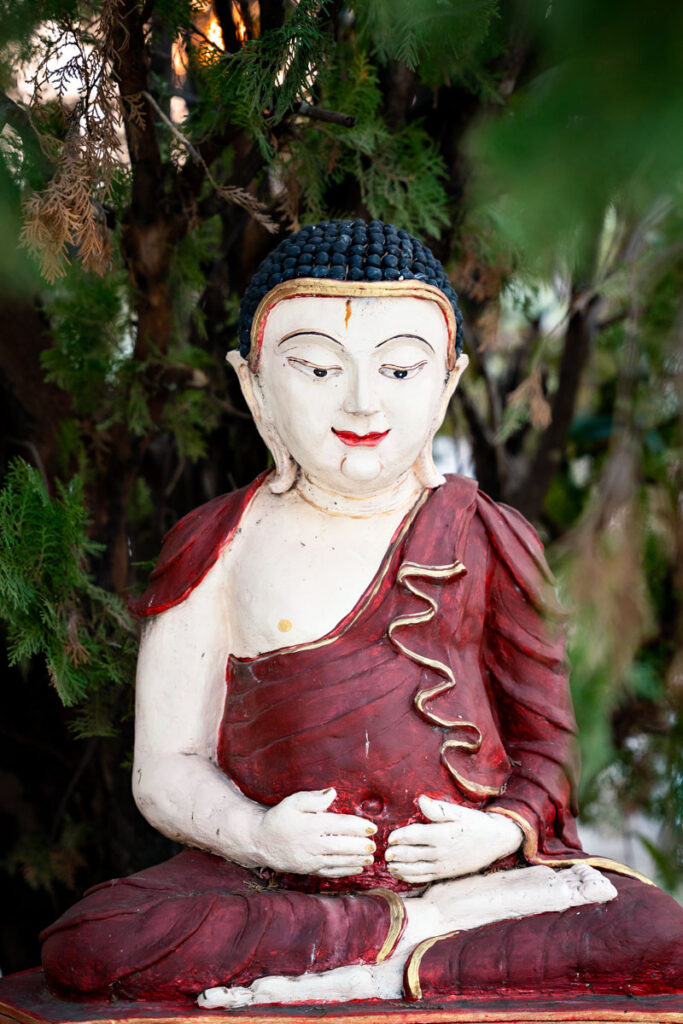
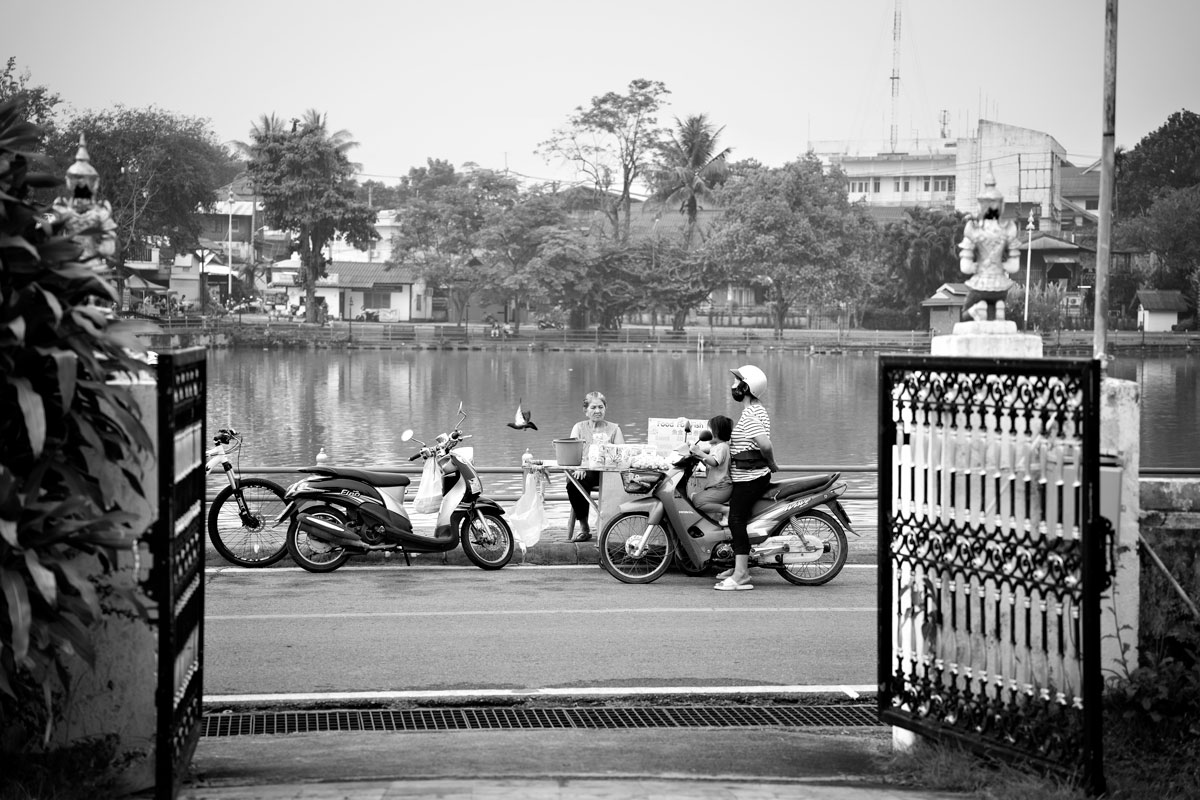
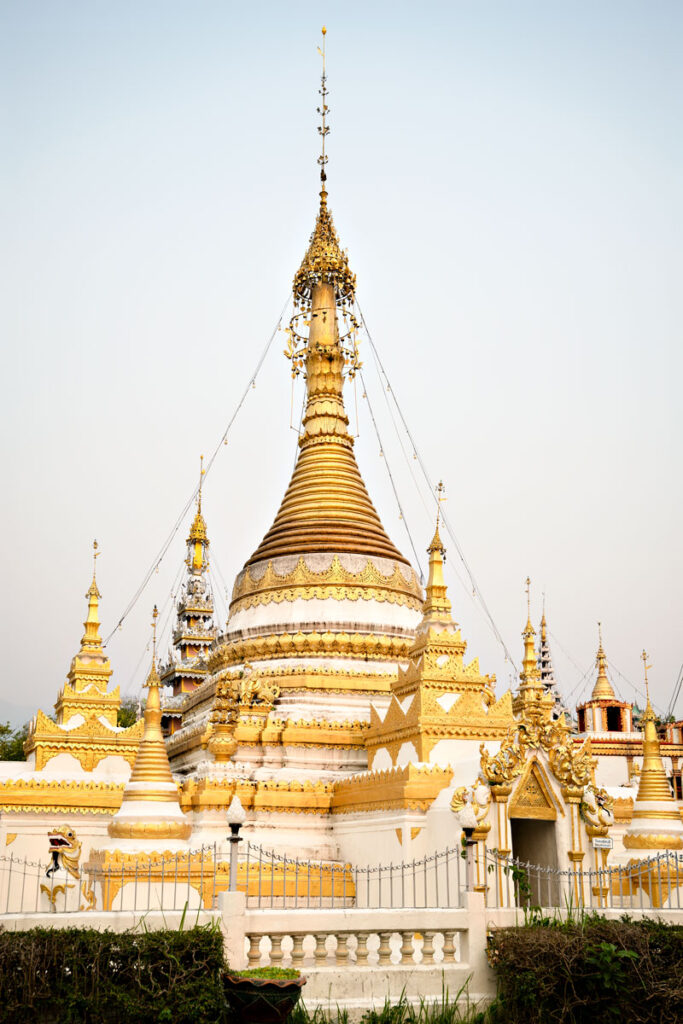
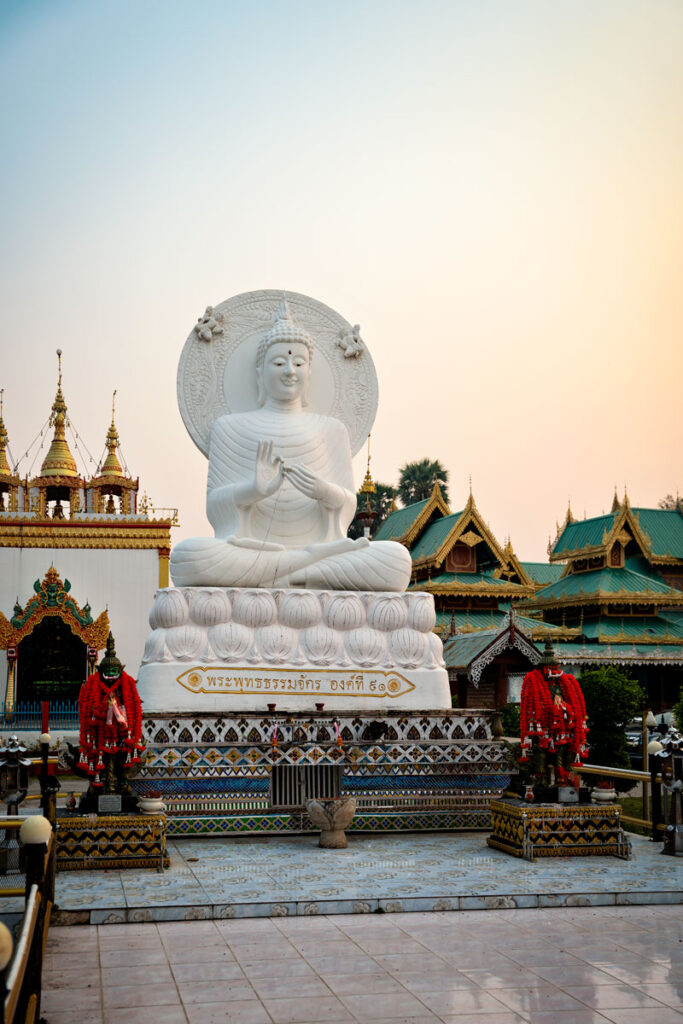
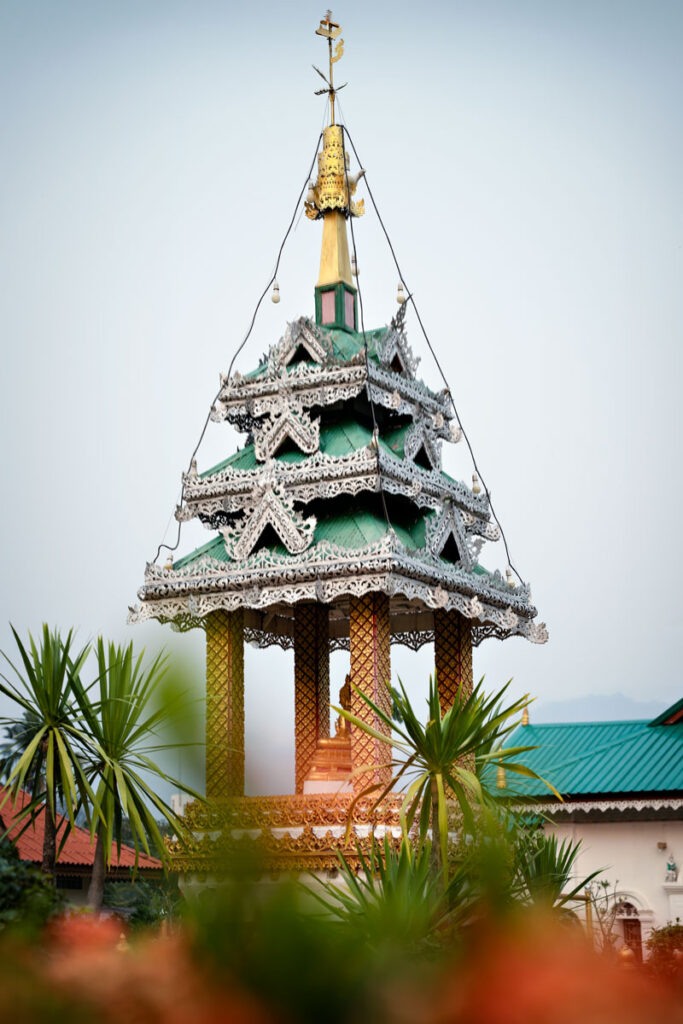
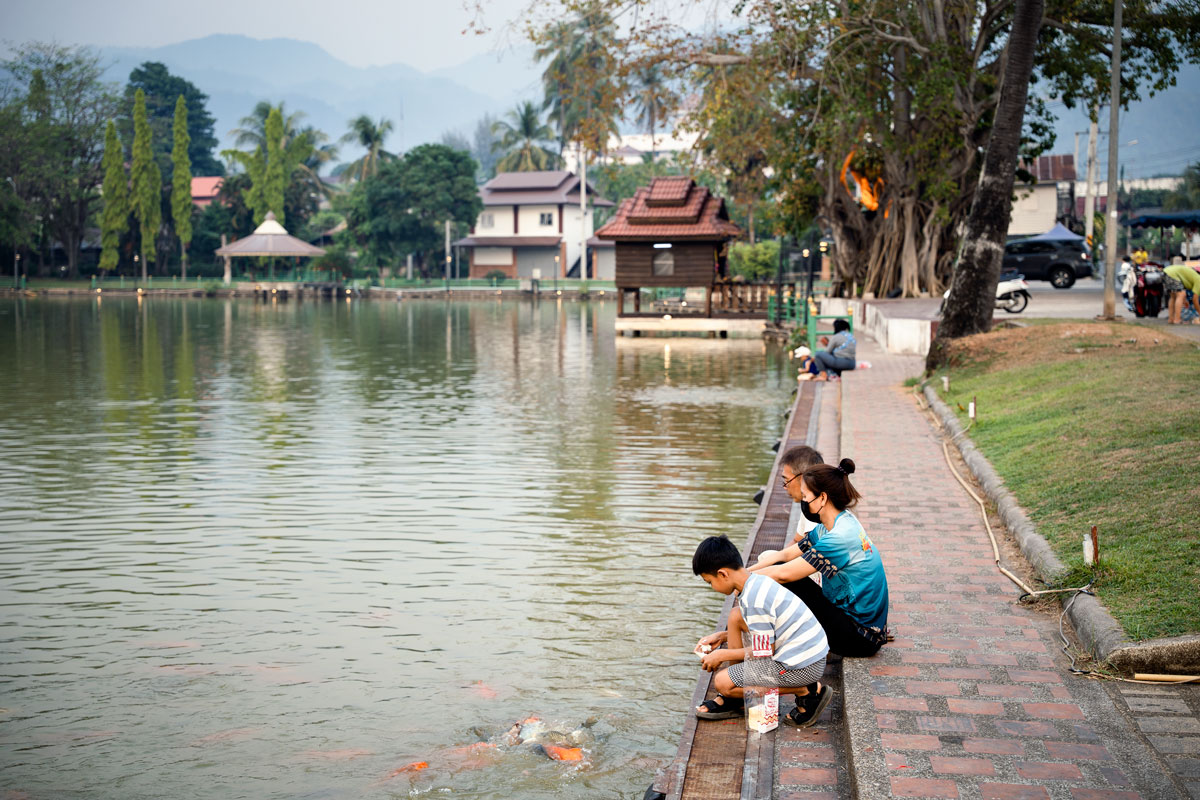
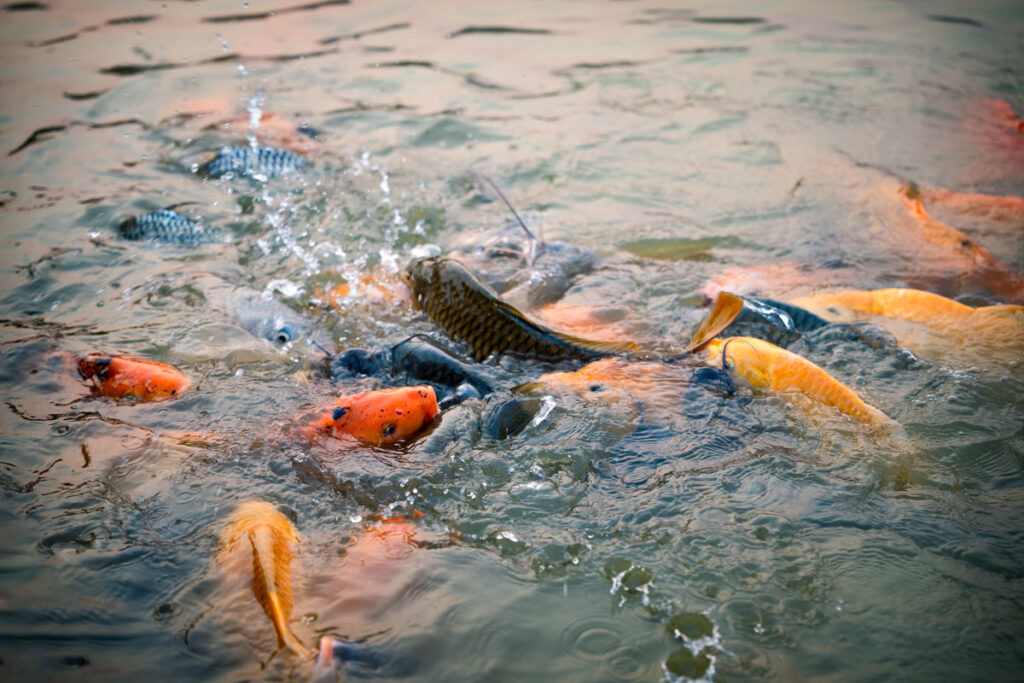
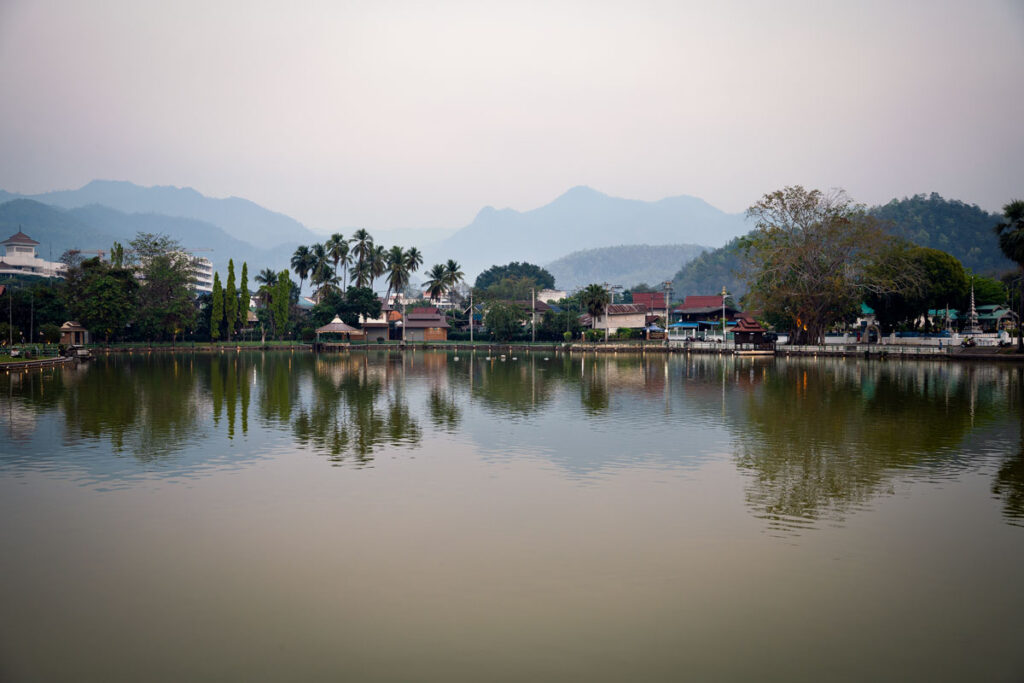
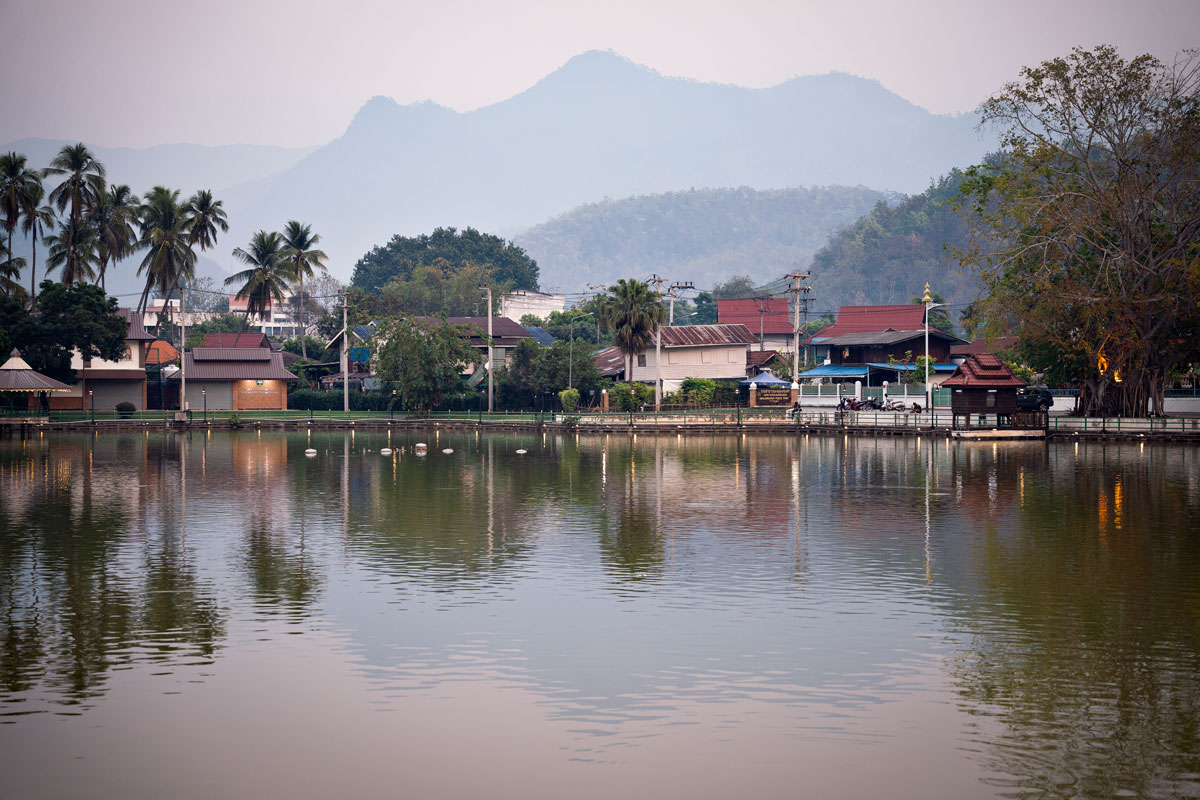
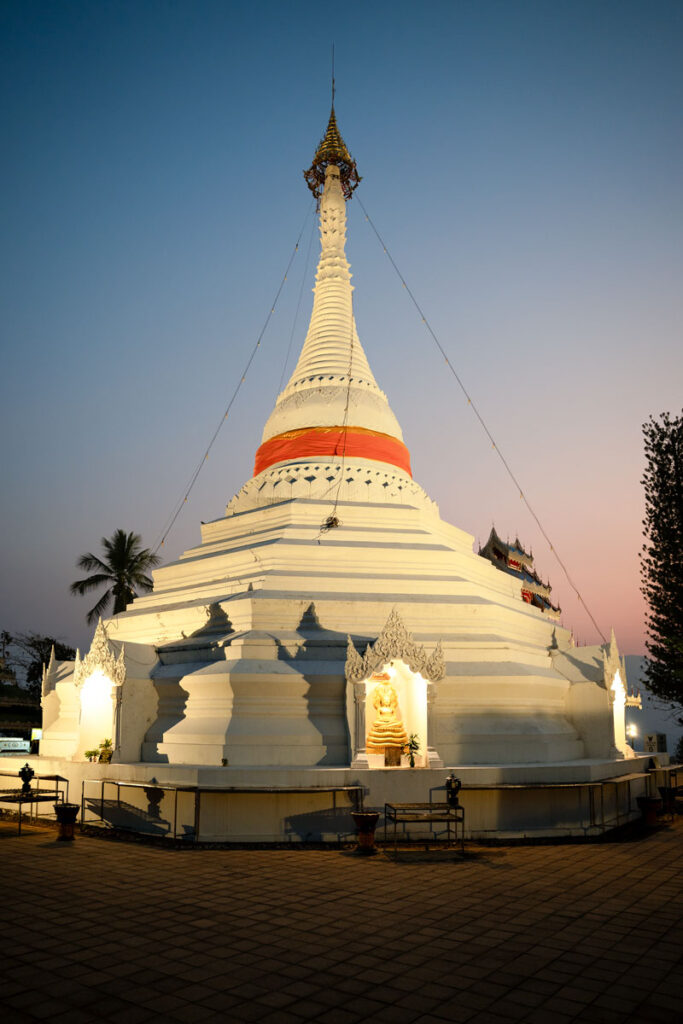
The pagodas of Wat Chong Klang shimmer golden. The temple complex is built in the Shan architectural style, and its delicate ornaments and richly decorated wooden structures are reminiscent of neighboring Myanmar. In front of the wrought-iron gate, an elderly woman sells small snacks for a few baht. Behind her lies a small lake. Koi carp swim leisurely through the water as passersby feed them bread. At the night market, you can find fresh fruit, grilled meat, and sweet fruit juices. We buy two plates of rice, ice-cold coconuts, and melons, sit down by the water, and feel the refreshing evening breeze on our sweat-drenched skin. In this perfect moment, Mae Hong Son creeps deep into our hearts.
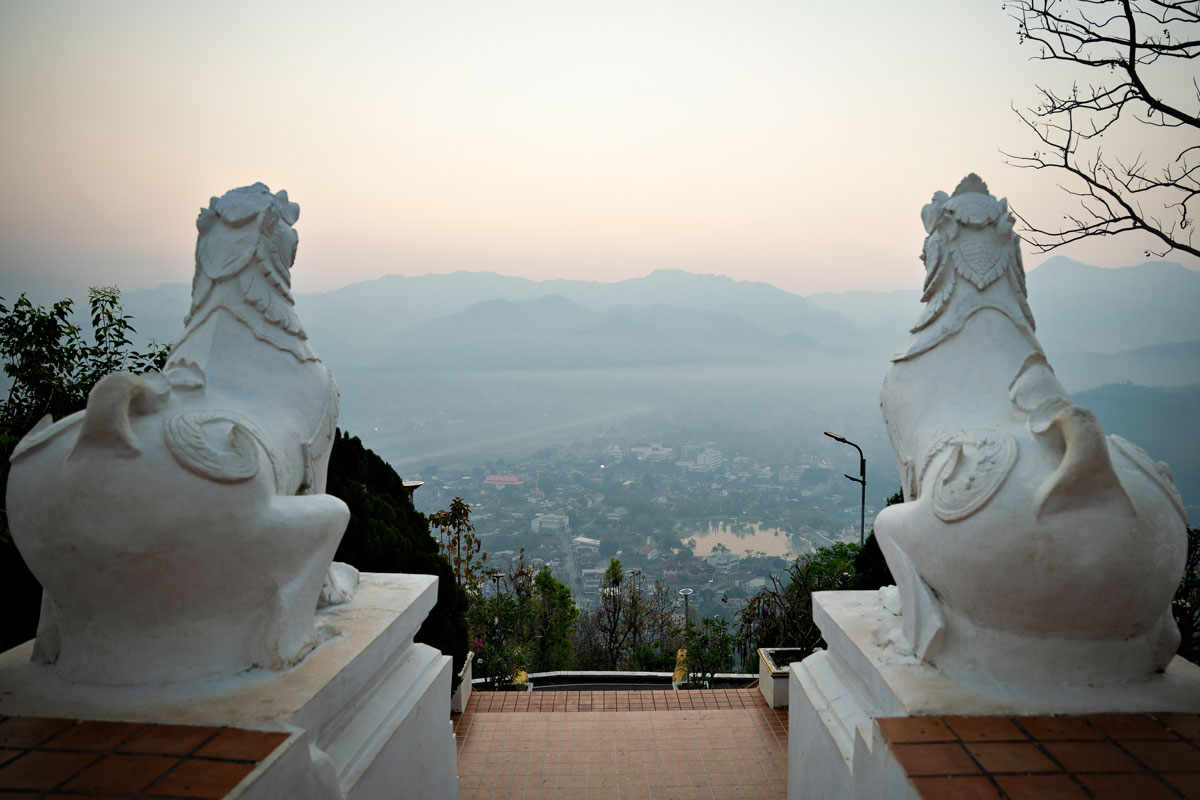
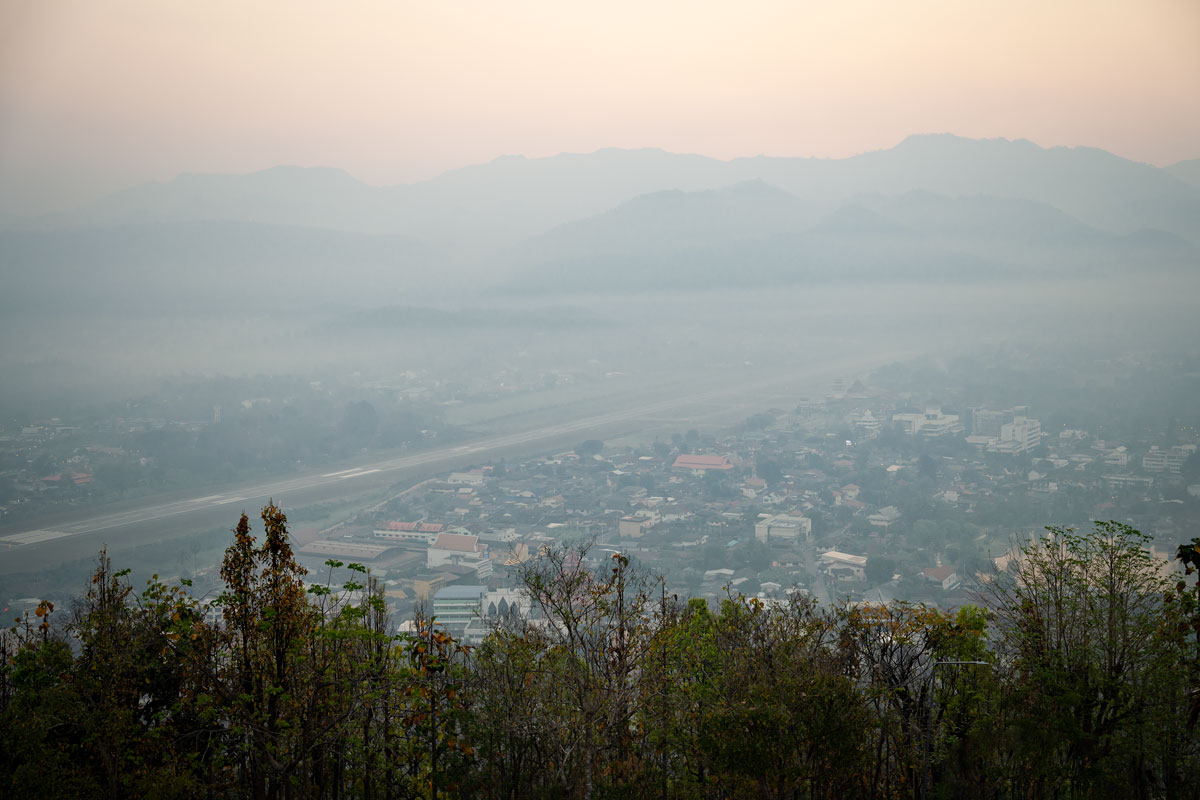
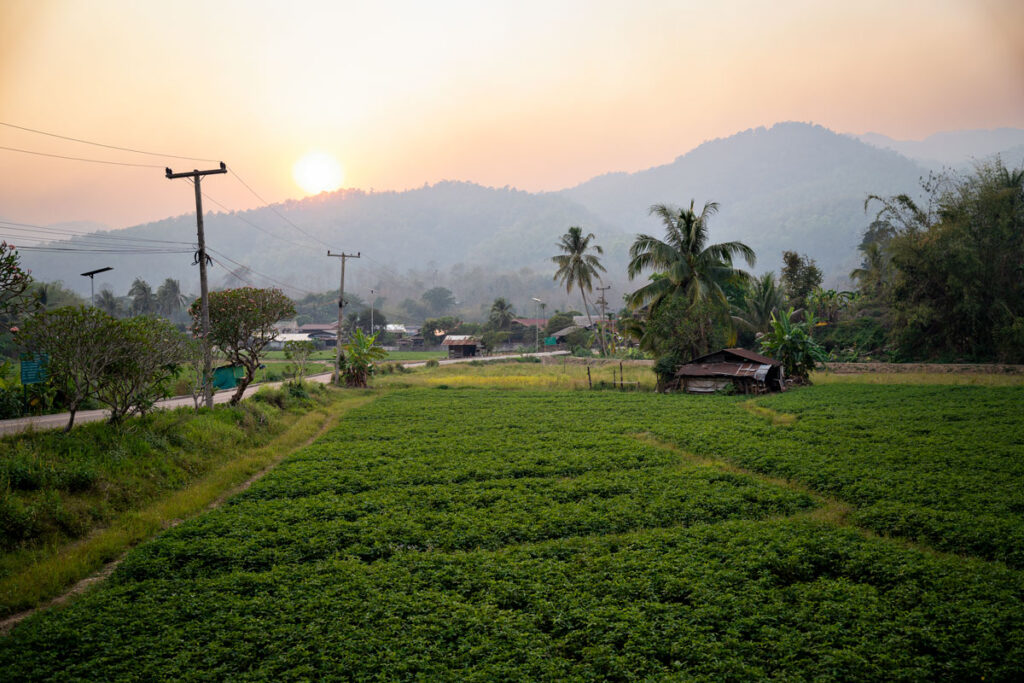
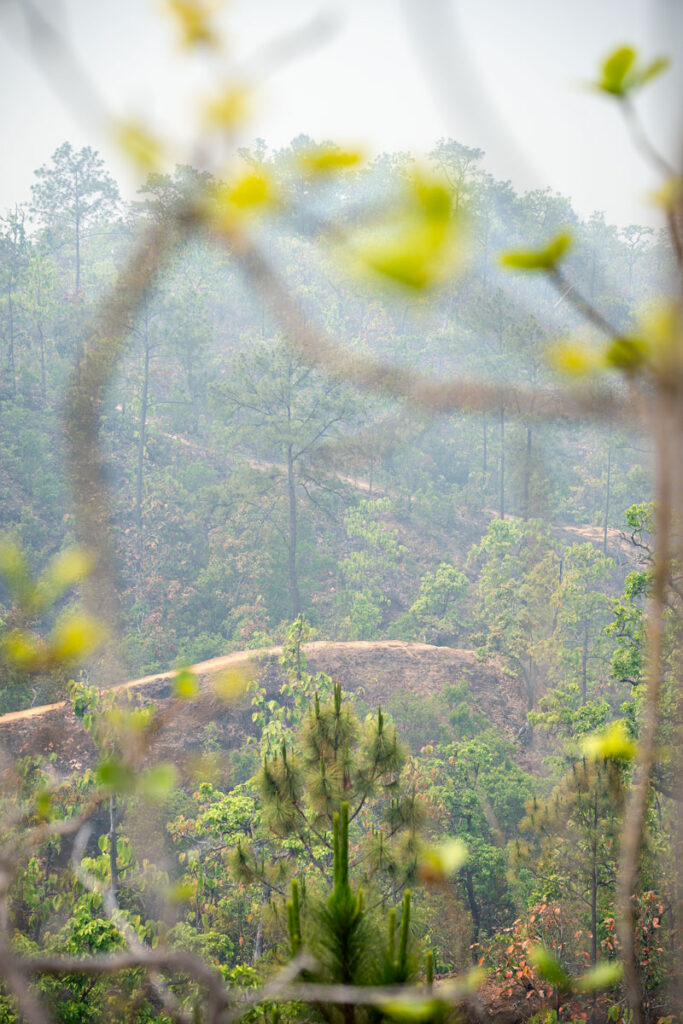
Sunrise over Mae Hong Son. Smoke rises in the east – the forests on the mountain slopes are burning. A narrow band of fire slowly eats its way through the dry underbrush. During the dry season, fields are burned in a controlled manner in many places. Time and again, however, forest areas catch fire, or fires spread uncontrollably due to carelessness.
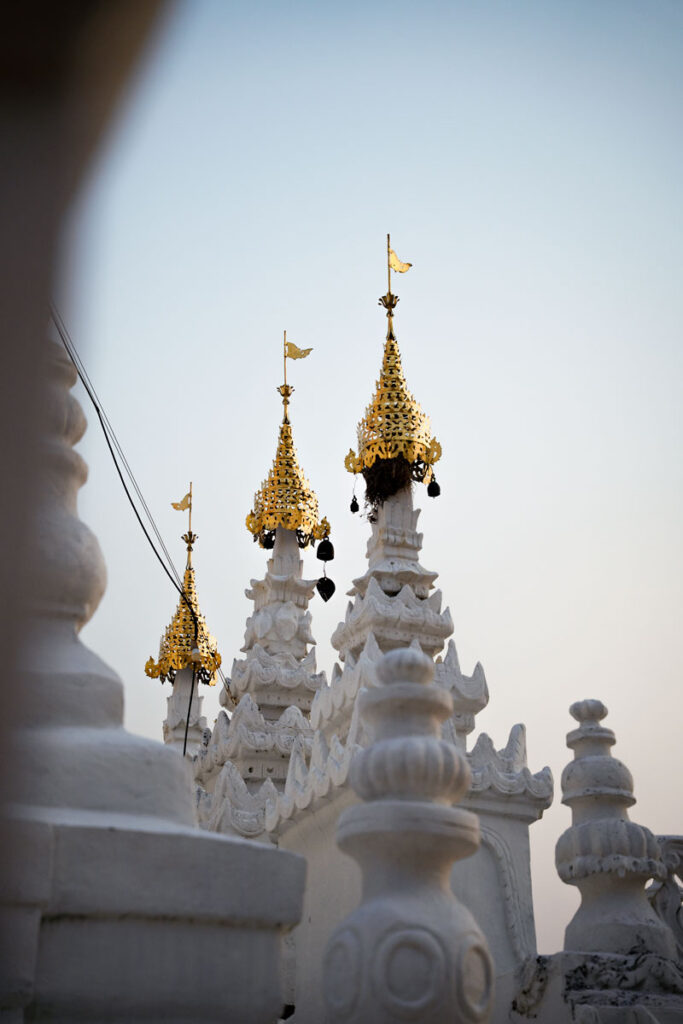
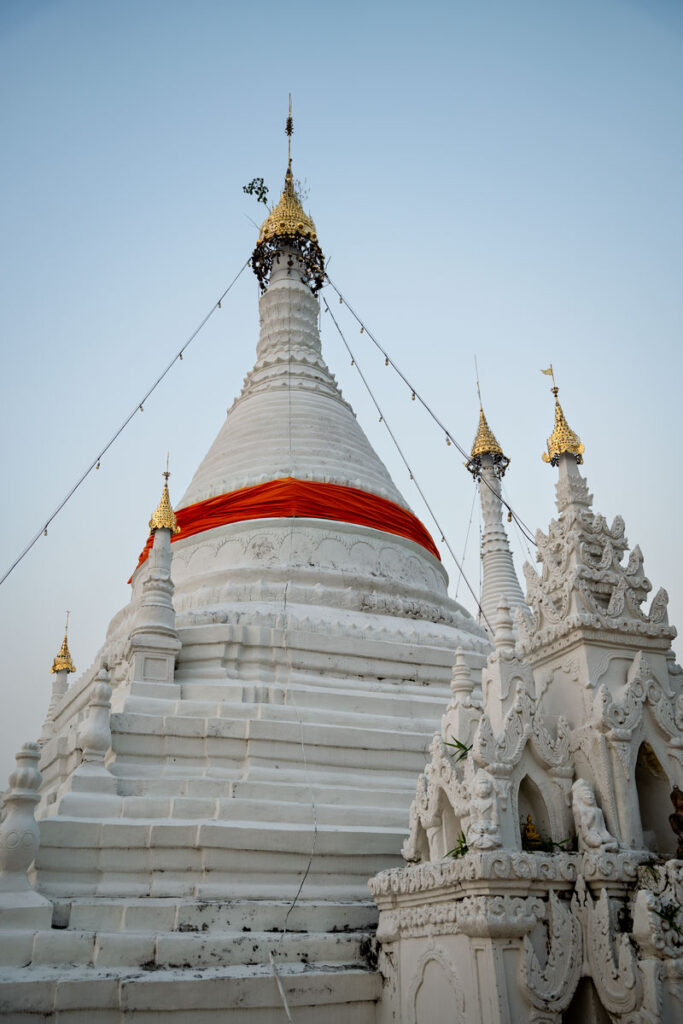
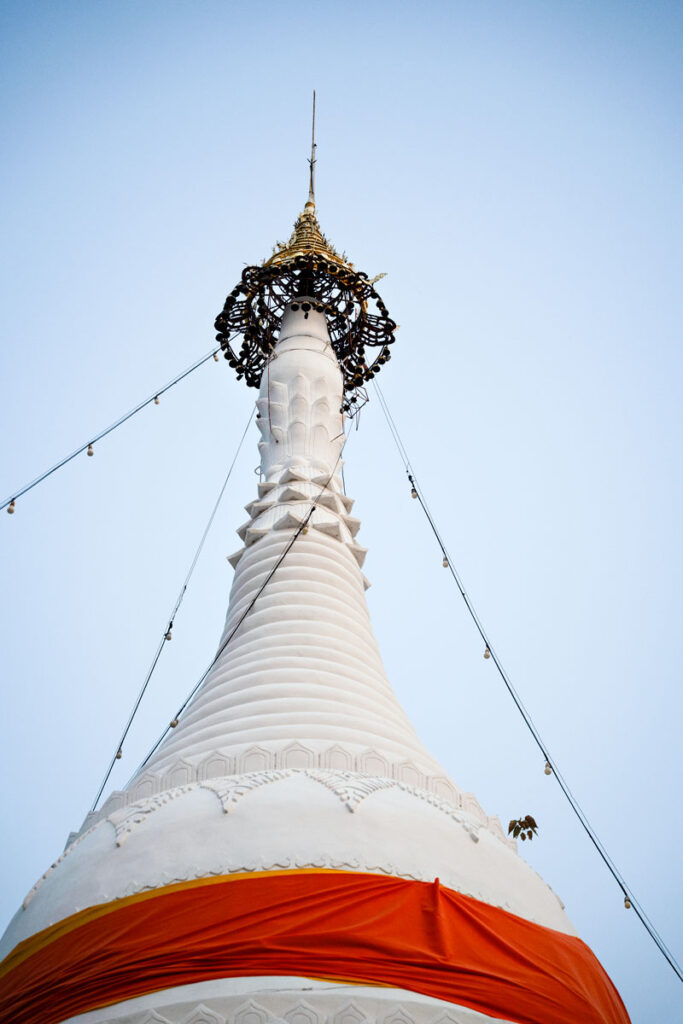
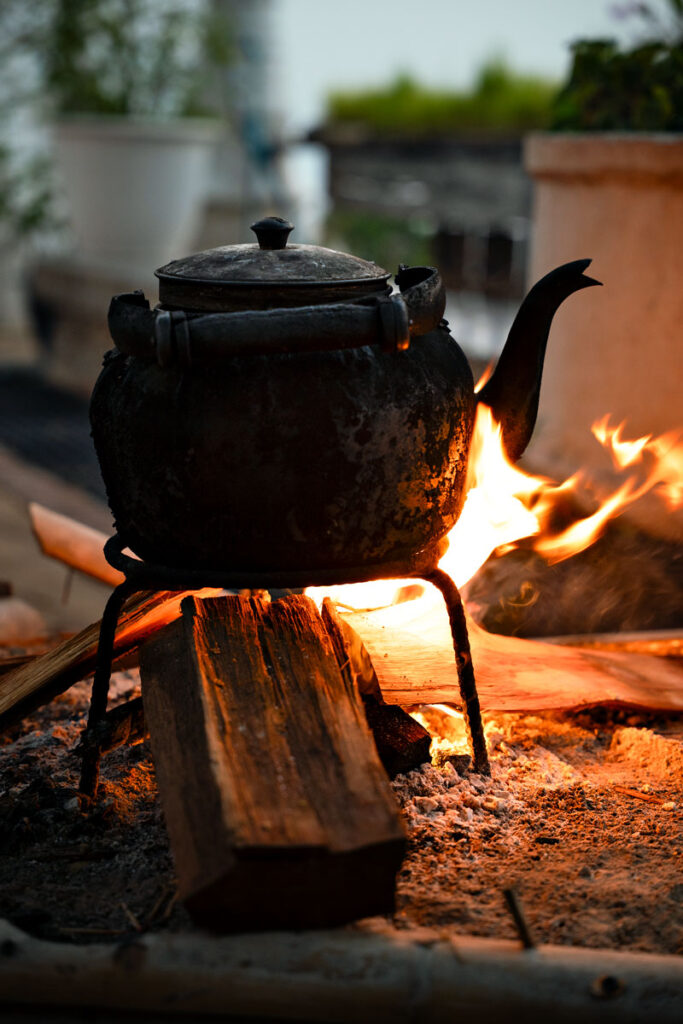
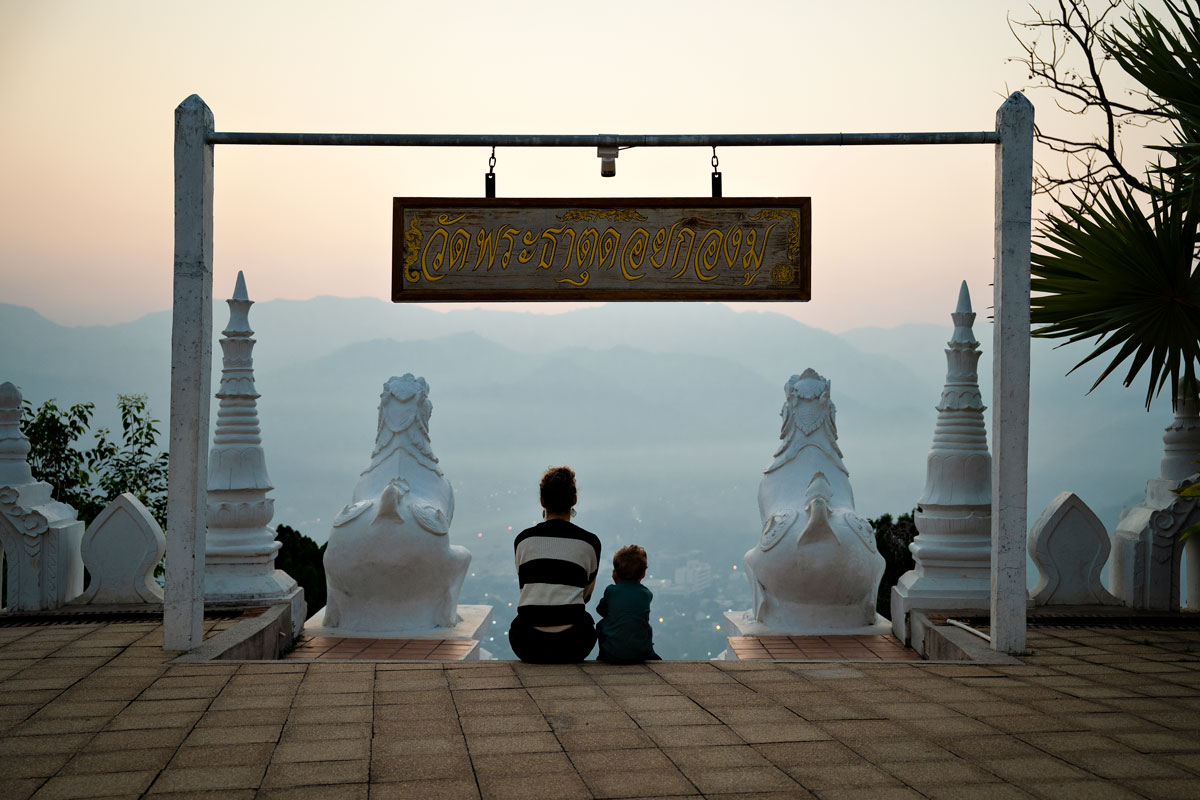
Monks climb into a truck that will take them down to the city for their morning alms round. The tops of the stupas shimmer a dull gold in the pale morning light. An old woman has set a kettle of herbal tea over a small fire pit. The tea has a smoky flavor and chases away the tiredness. Groups of early-morning exercisers have joined us. Every morning, even before sunrise, they set out on their ascent. Now we sit together, exchange a few words in Thai, English, and German, and watch as the sun slowly climbs above the horizon.
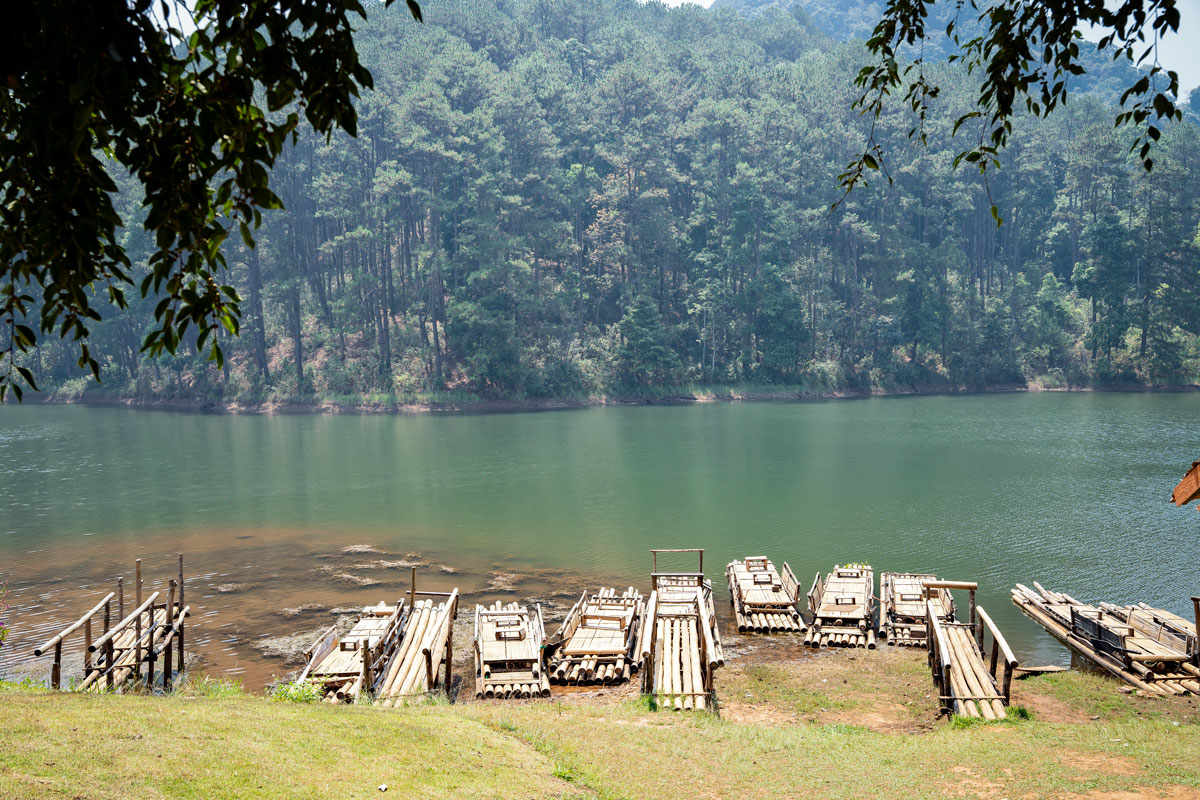
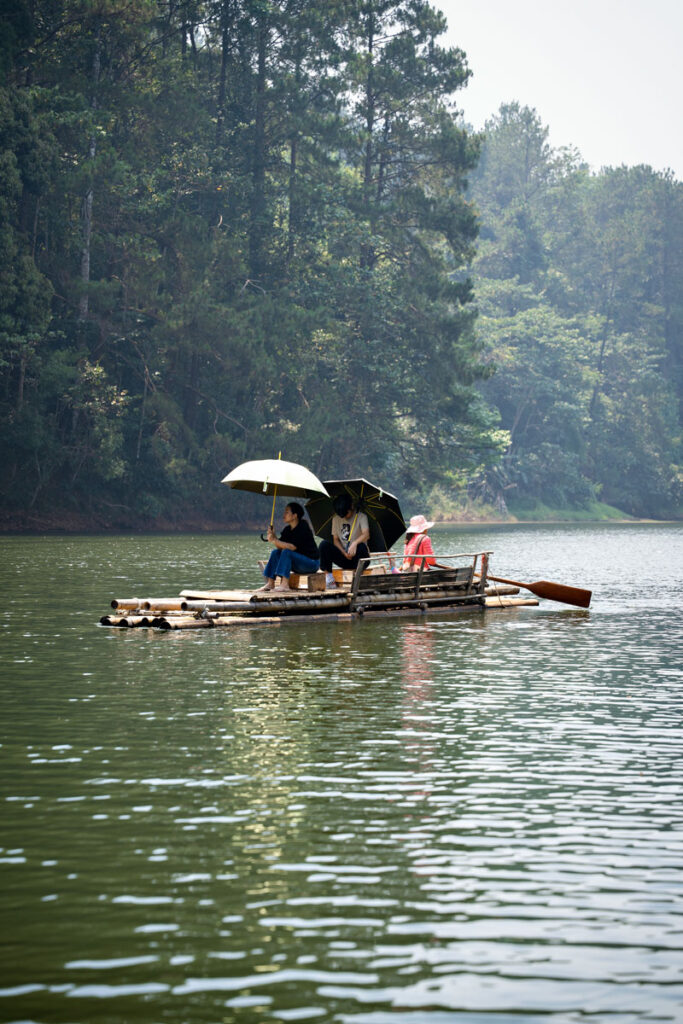
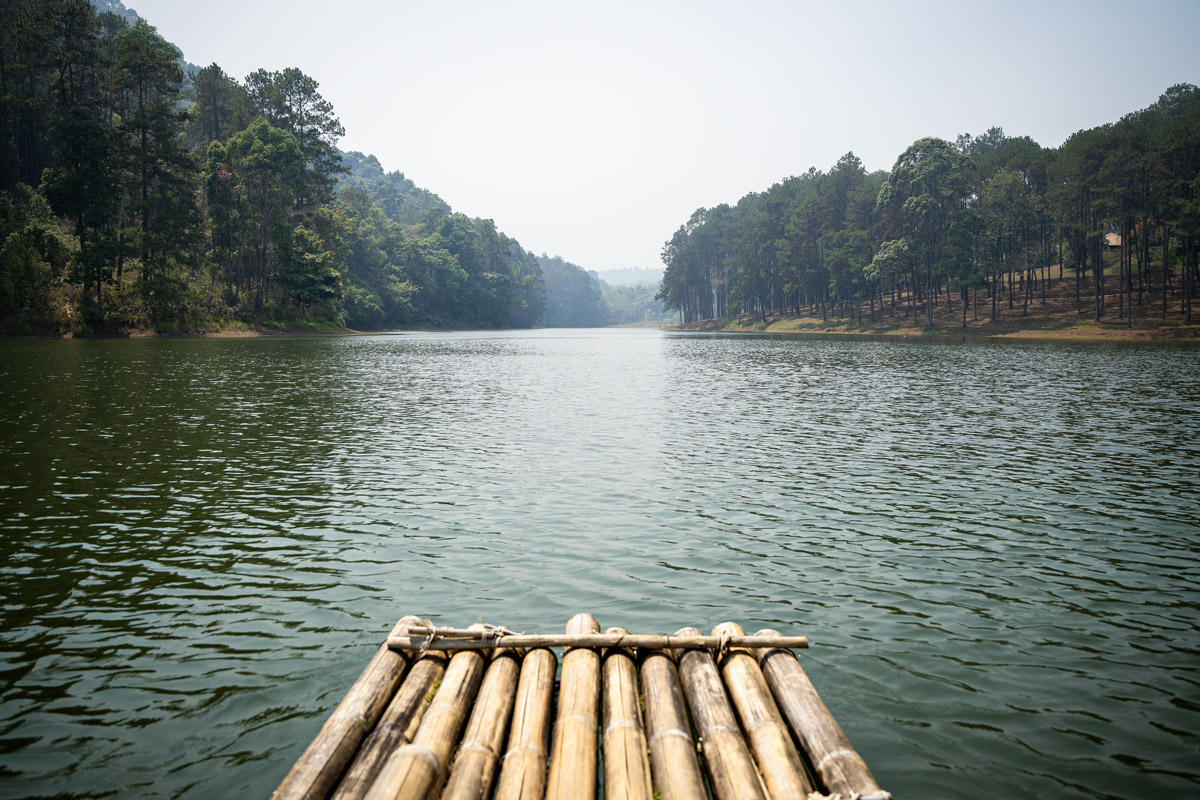
The car winds its way higher and higher, curve after curve. All around us lies dense jungle: lianas hang from gigantic trees, huge ferns overgrow the ground, and mosses in every shade of green engulf everything organic. Suddenly, we cross an invisible contour line and find ourselves abruptly in another world. Instead of strangler figs and teak trees, pine trees now grow here. We pass a small village with bamboo huts, then a mountain panorama like something out of the Alpine foothills opens up before us: pine trees line the shore of a turquoise-blue lake. Small rowboats glide silently by, and swans take turns dipping their heads into the water in search of food, gliding majestically across the lake.
This morning, we and a small group of Thai day-trippers are the only visitors in Pang Oung, the “Thai Switzerland.” As part of a reforestation project initiated by King Bhumibol Adulyadej, this once-burnt and deforested area was transformed into the idyllic retreat it is today.
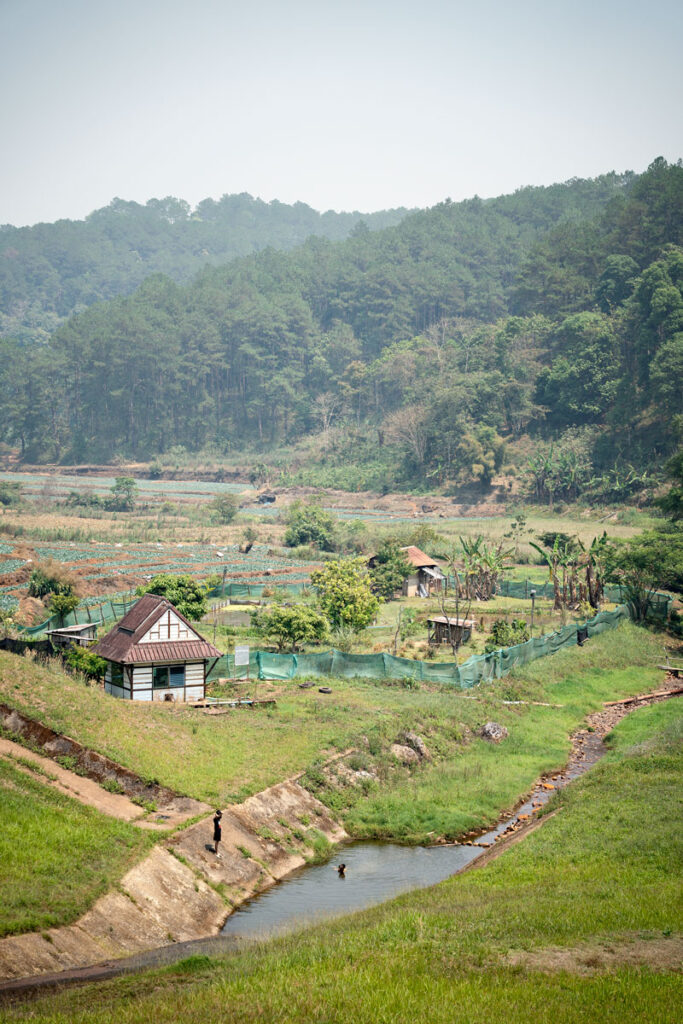
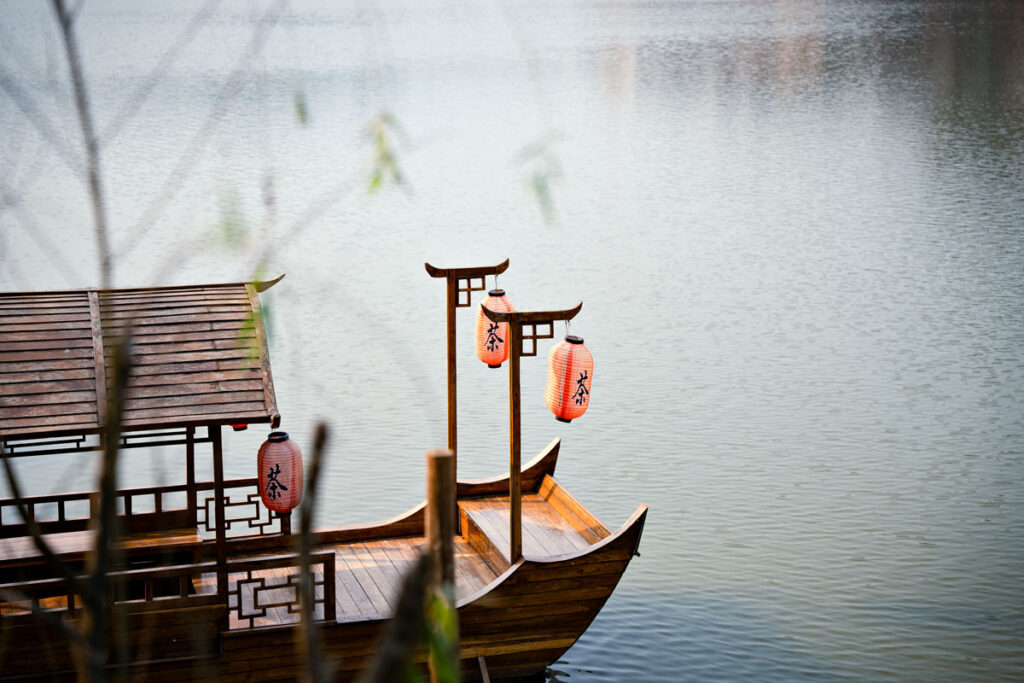
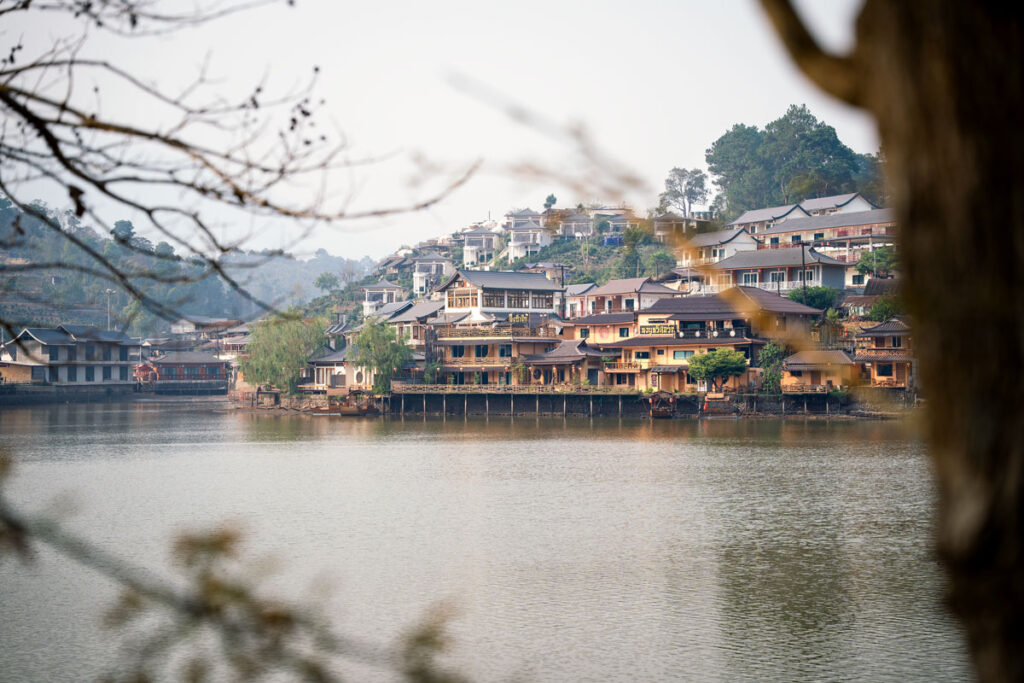
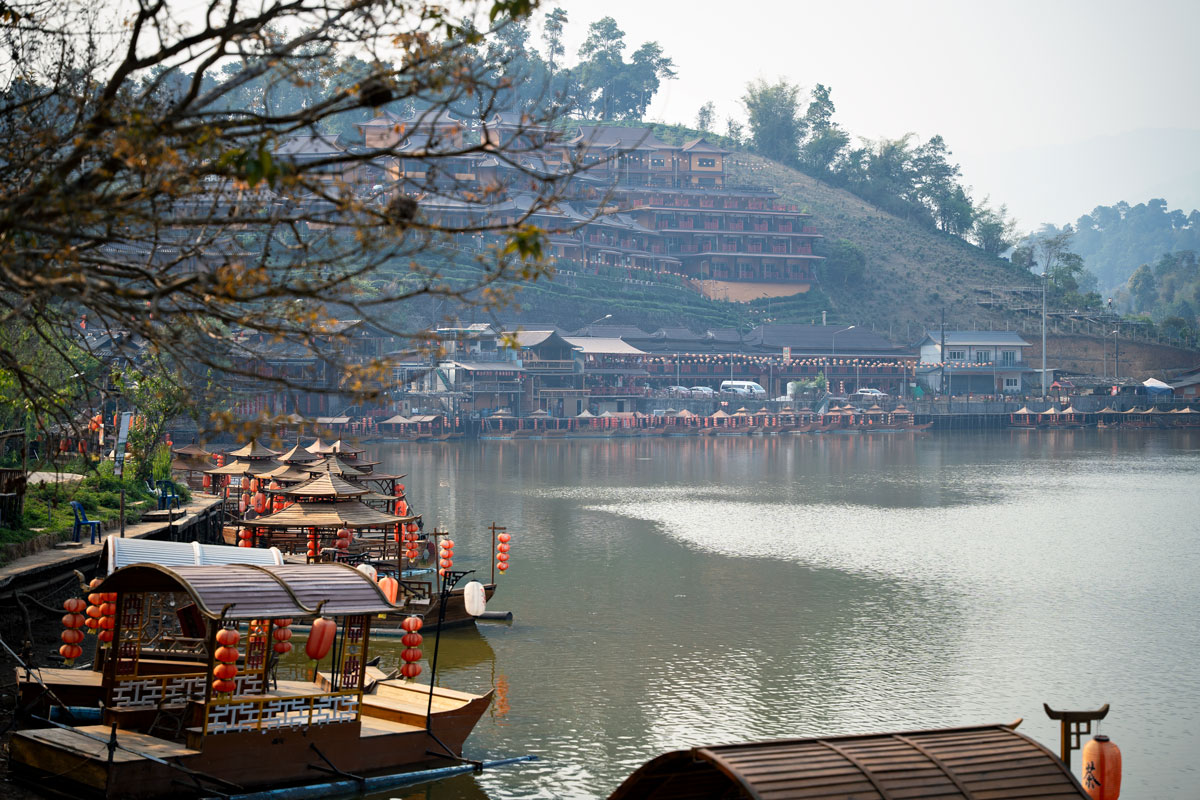
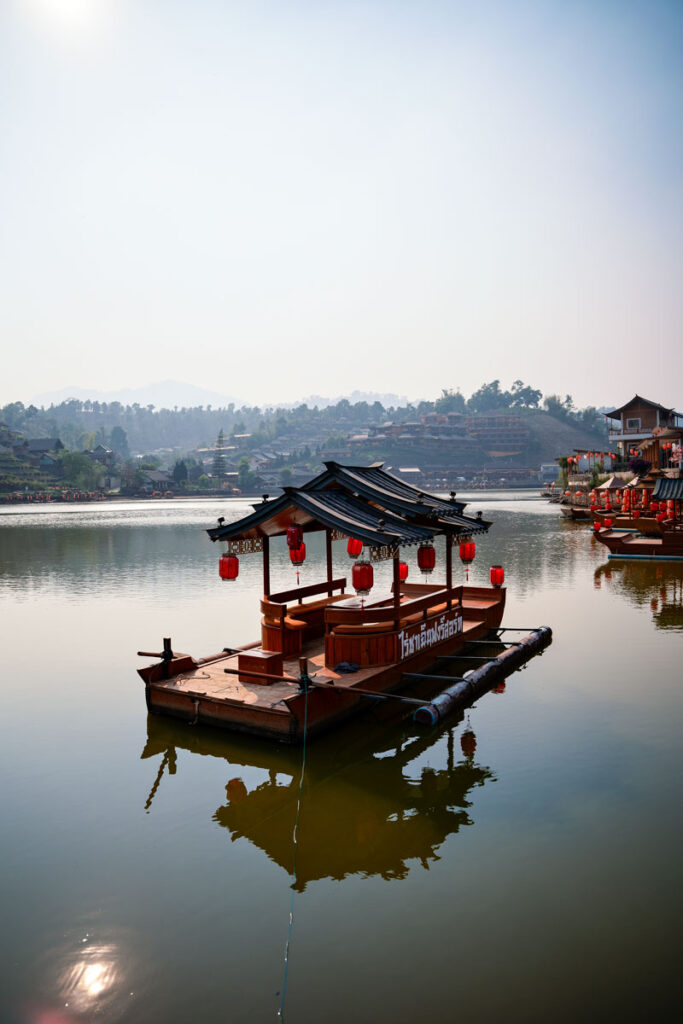
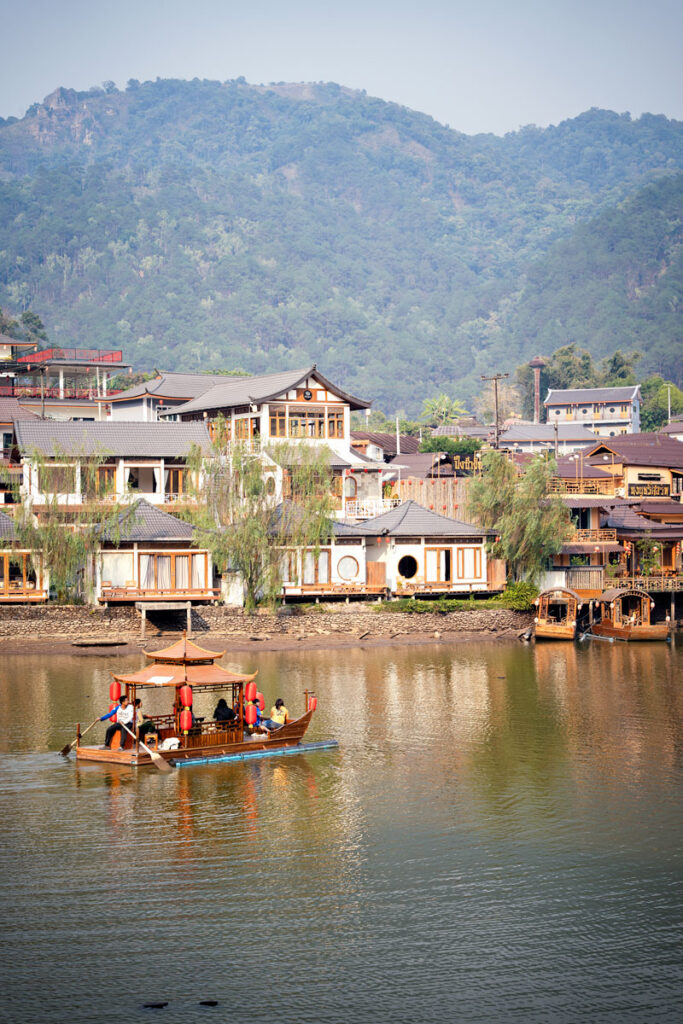
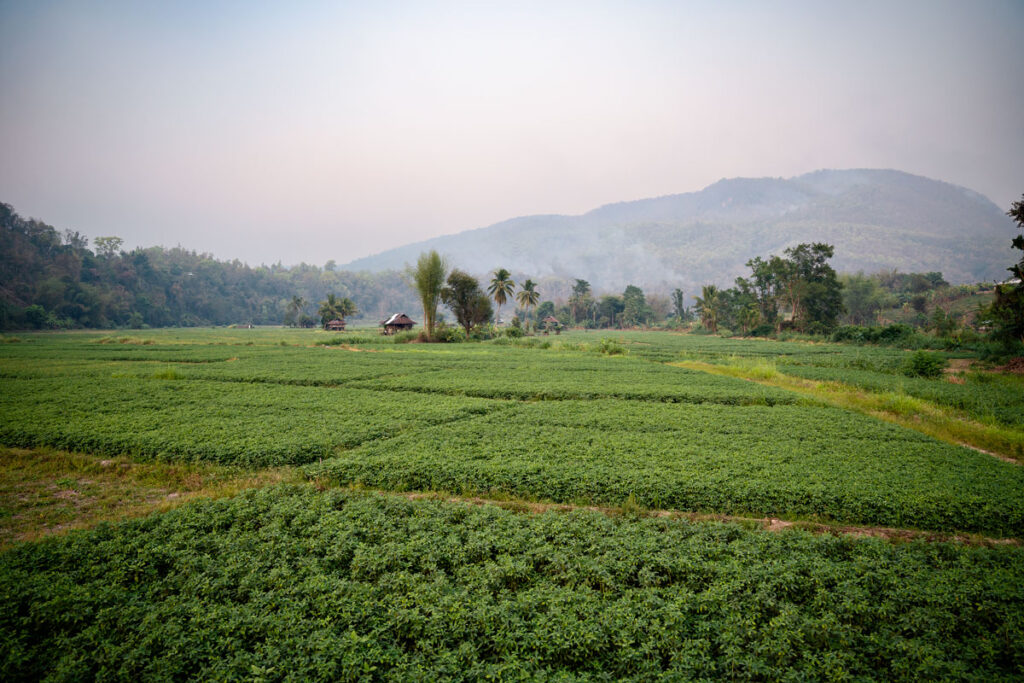
A little further north, less than 500 meters from the border with Myanmar, lies the originally Chinese settlement of Ban Rak Thai at an elevation of just under 1,800 meters. Tea plantations surround the small village, which seems out of place here.
In the early 1960s, soldiers of the Chinese Kuomintang settled here; they had initially fled to Myanmar after the Chinese Civil War and eventually made their way to Thailand. Later, many of them assisted the Thai government in protecting the border region and fighting communist insurgents. In return, they were granted Thai citizenship and allowed to settle here permanently. At the same time, the government sought to replace opium cultivation in the region with economically attractive alternatives. As part of royal development projects, tea plantations were established, which today define the landscape.
Ban Rak Thai has since become a popular destination for Thai visitors and, increasingly, for international travelers as well.
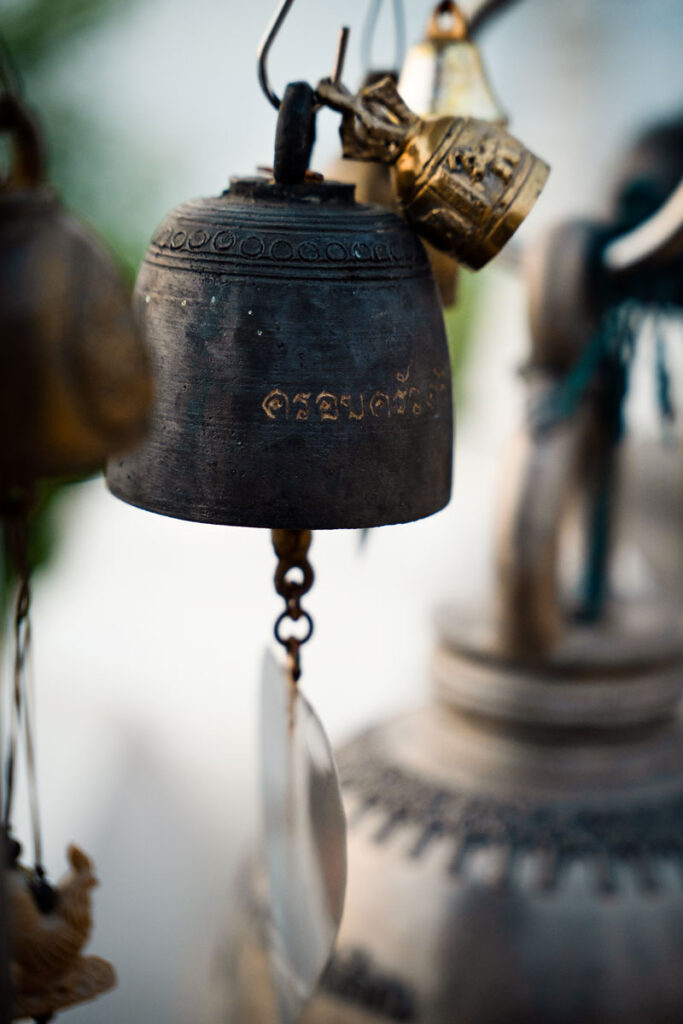
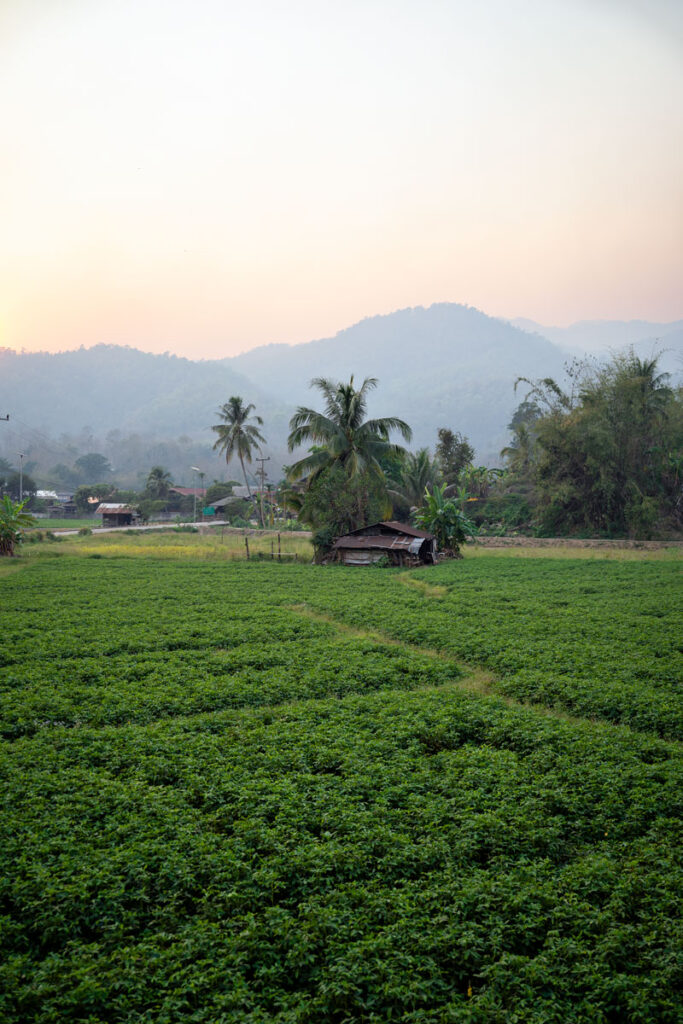
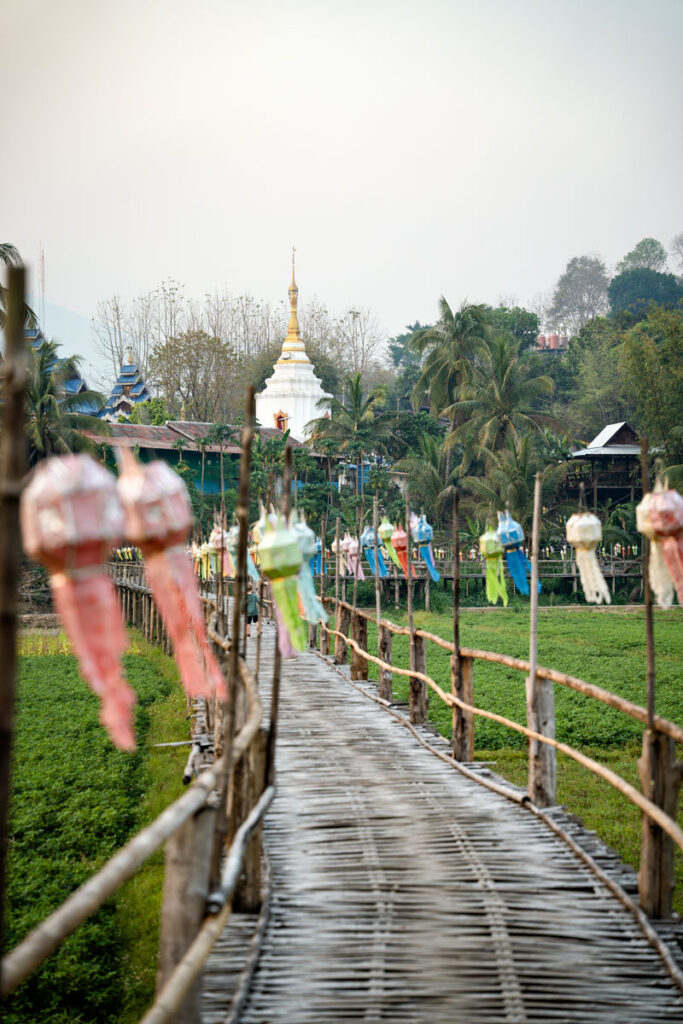
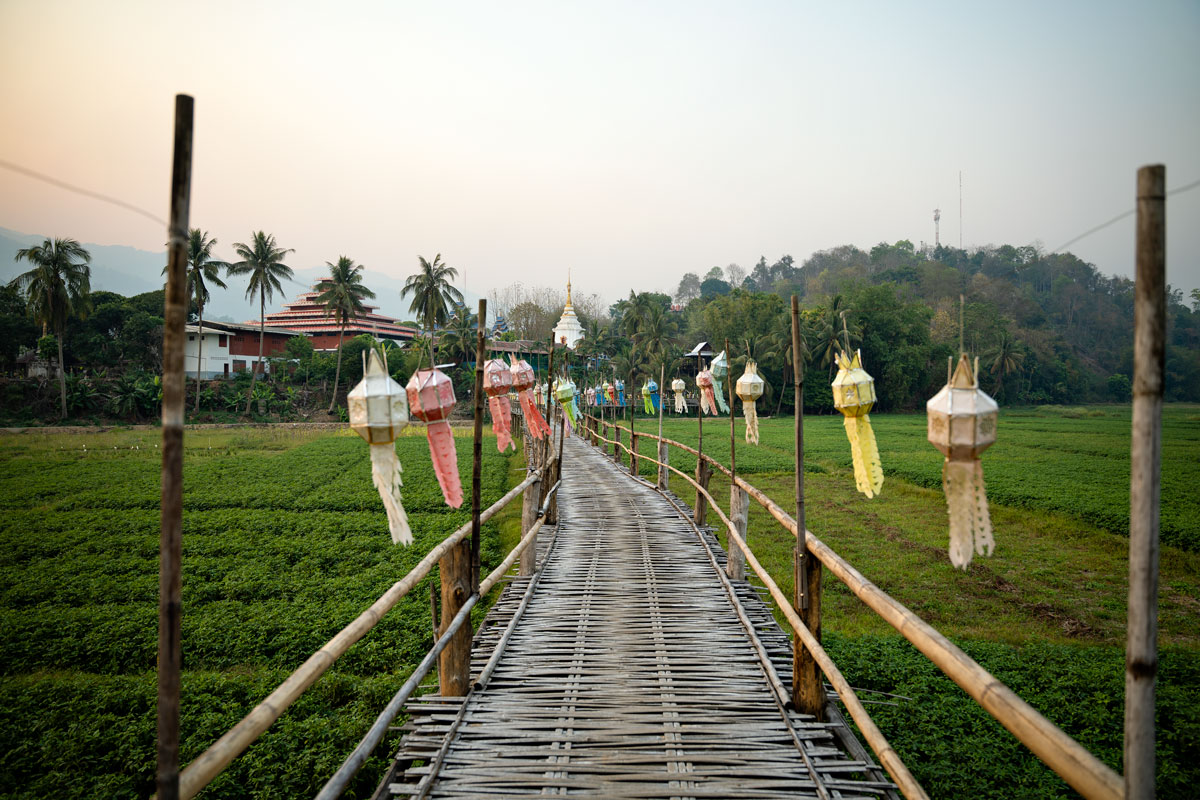
Tired, we drive into the sunset as we reach the Su Tong Pae Bridge. Surrounded by tea fields and palm groves, this unassuming little bridge leads to a picturesque temple. Colorful lanterns flutter in the evening breeze; beneath our feet, the bamboo shoots creak and wobble. A dog barks in the nearby village; inside the monastery, the bell rings for evening prayers. Otherwise, a profound stillness hangs over this place like a shawl of cooling silk.
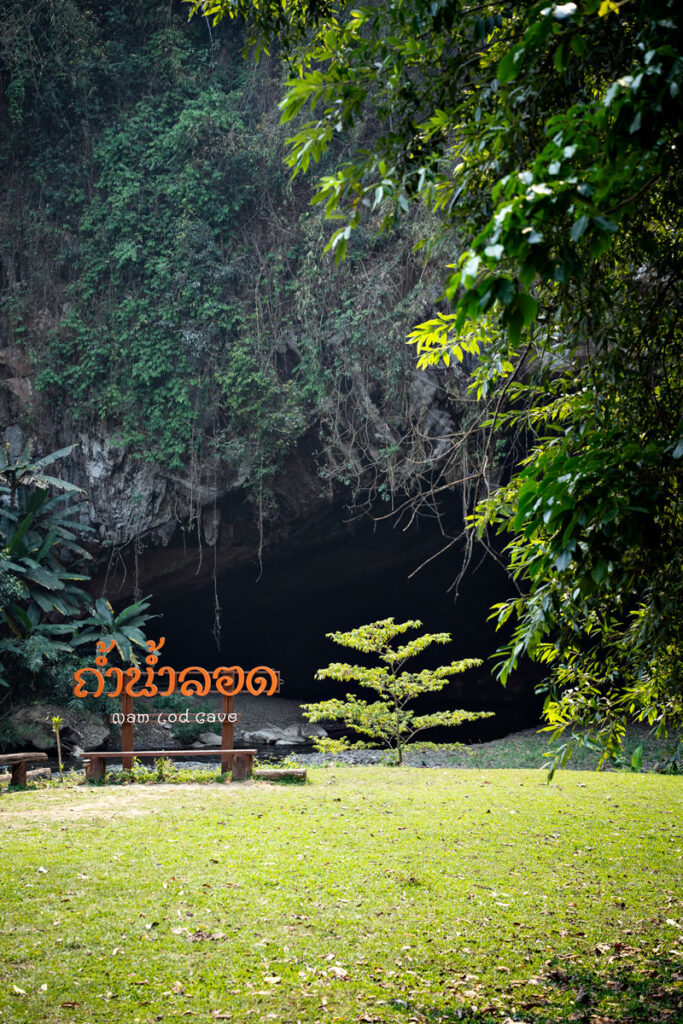
Mae Hong Son Province is known not only for its secluded mountain landscapes along the border with Myanmar, but also for its numerous caves. One of the most beautiful is located near the small town of Pai: Nam Lod Cave.
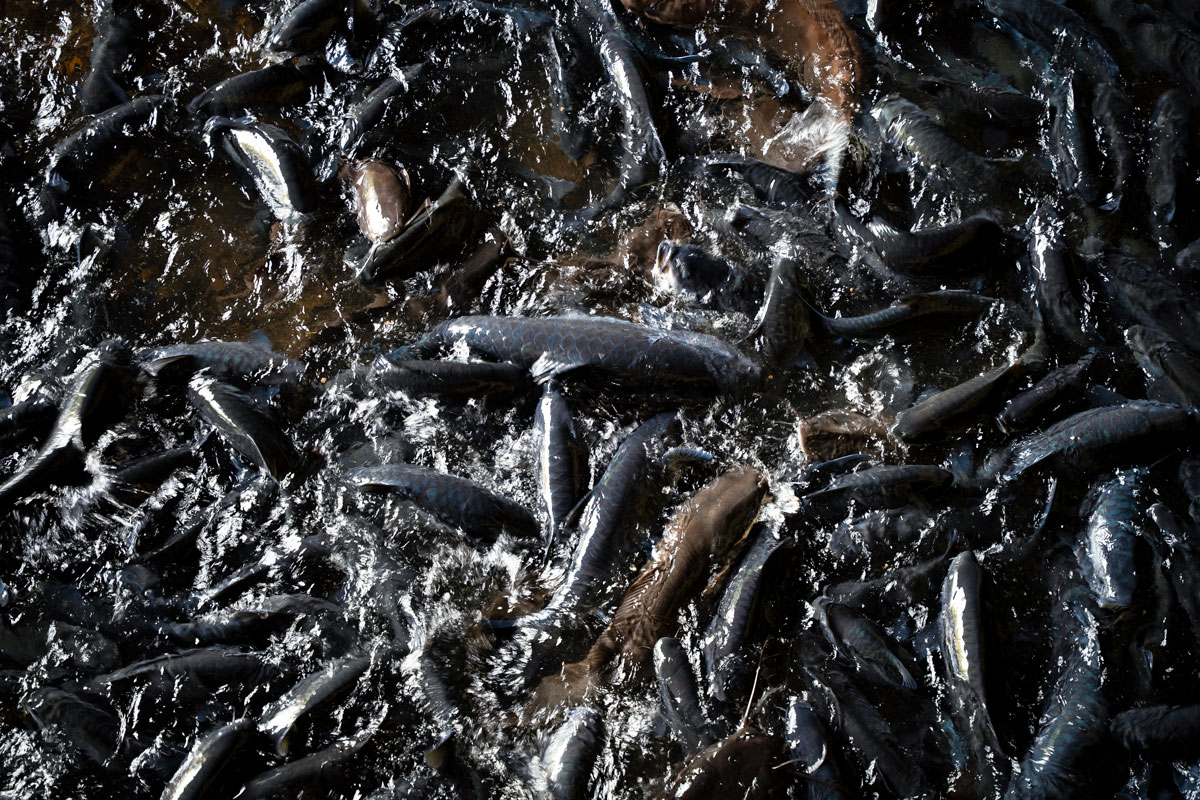
Pale cave fish, adapted to life in perpetual darkness, inhabit the pond at the cave’s entrance. Visitors toss them food, and immediately hundreds of the fish rush to devour the small pieces. The black water stirs, and everywhere it wriggles and bubbles.
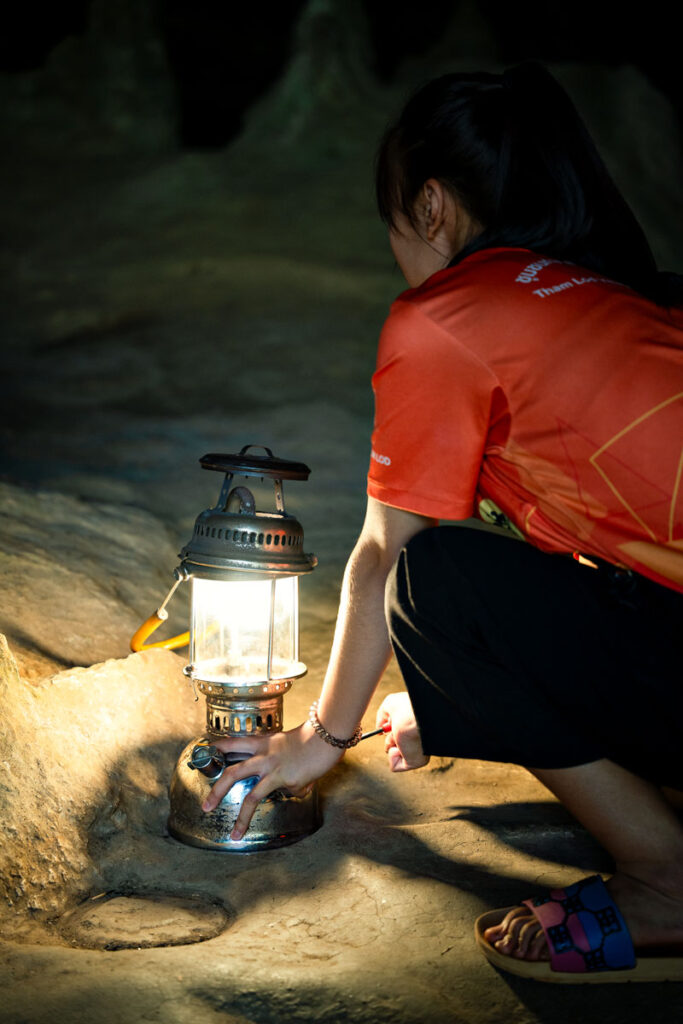
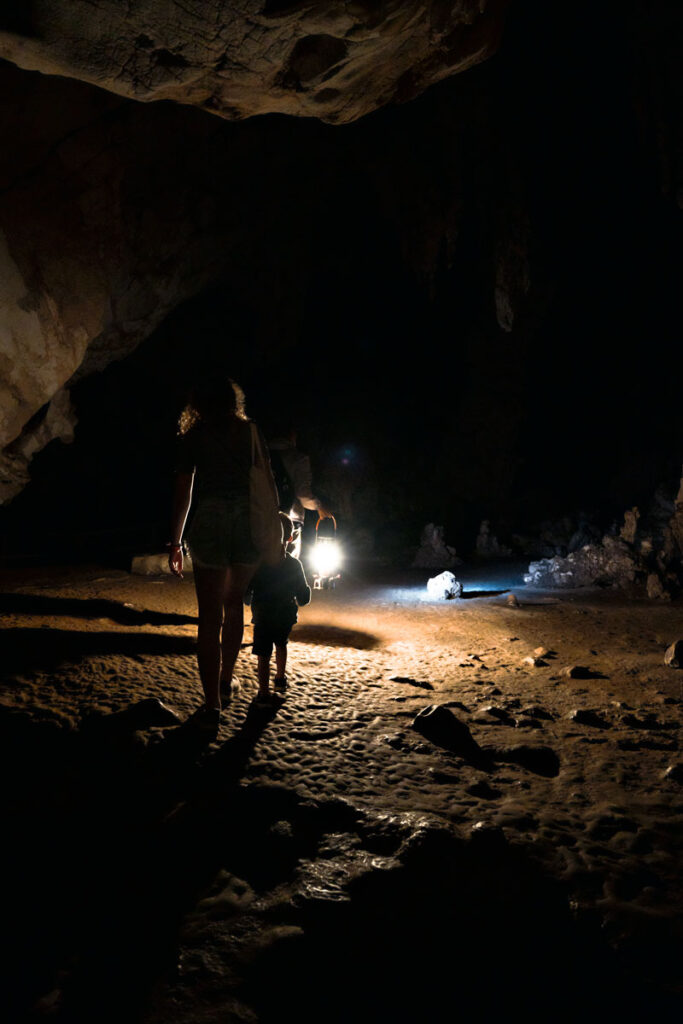
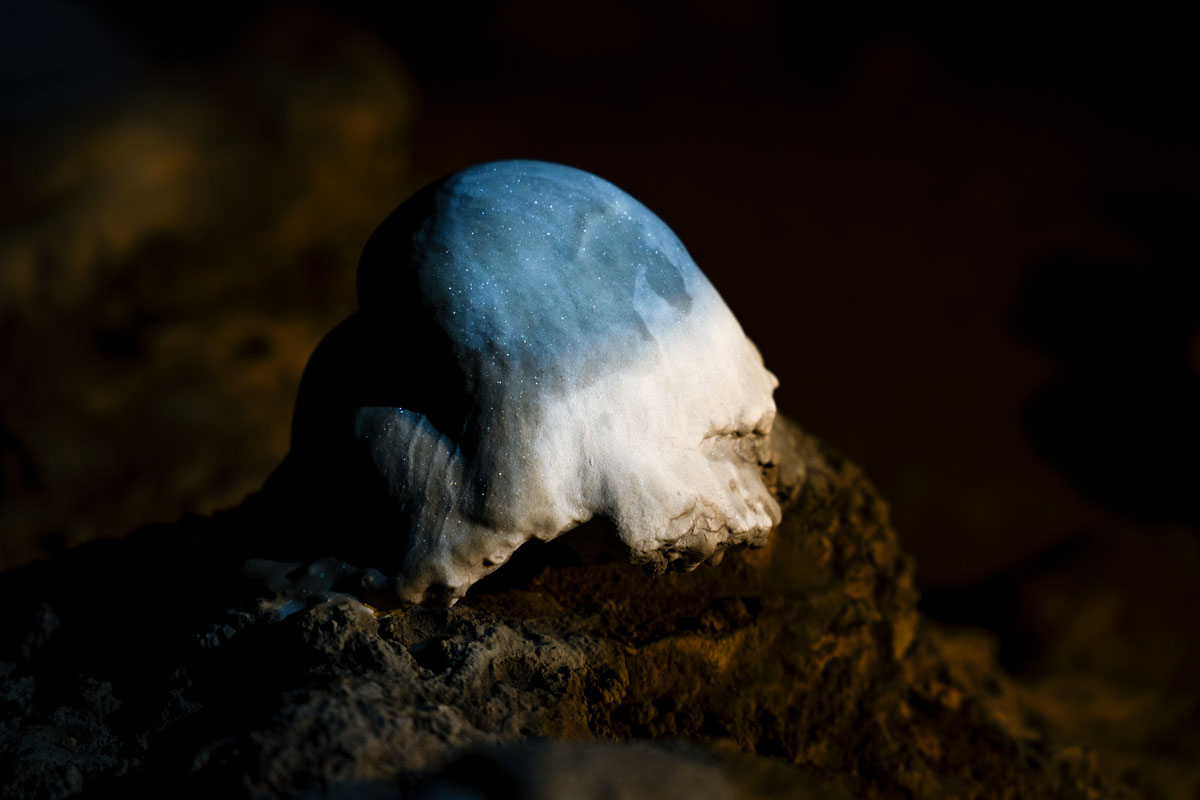
Gas lanterns are lit, and then our guide leads us deep into the darkness. Time and again, he points out stalactites and stalagmites that resemble animals or people. He explains that the limestone formations stop growing as soon as you touch them. Bats hang above our heads; narrow staircases lead into even deeper passages and chambers. The cave feels like an endless underground labyrinth.
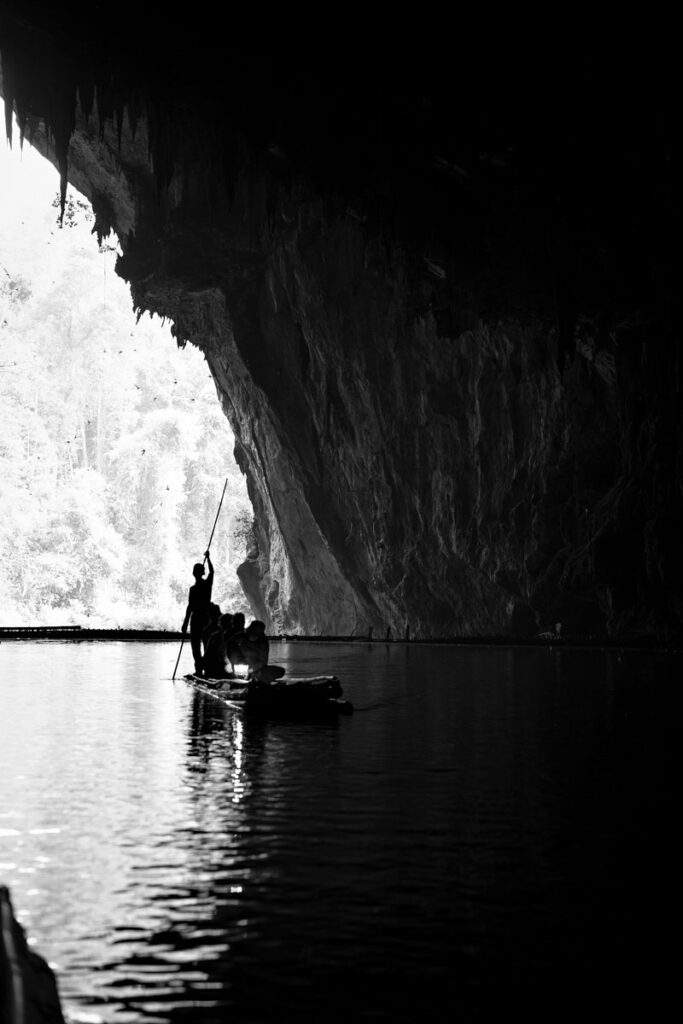
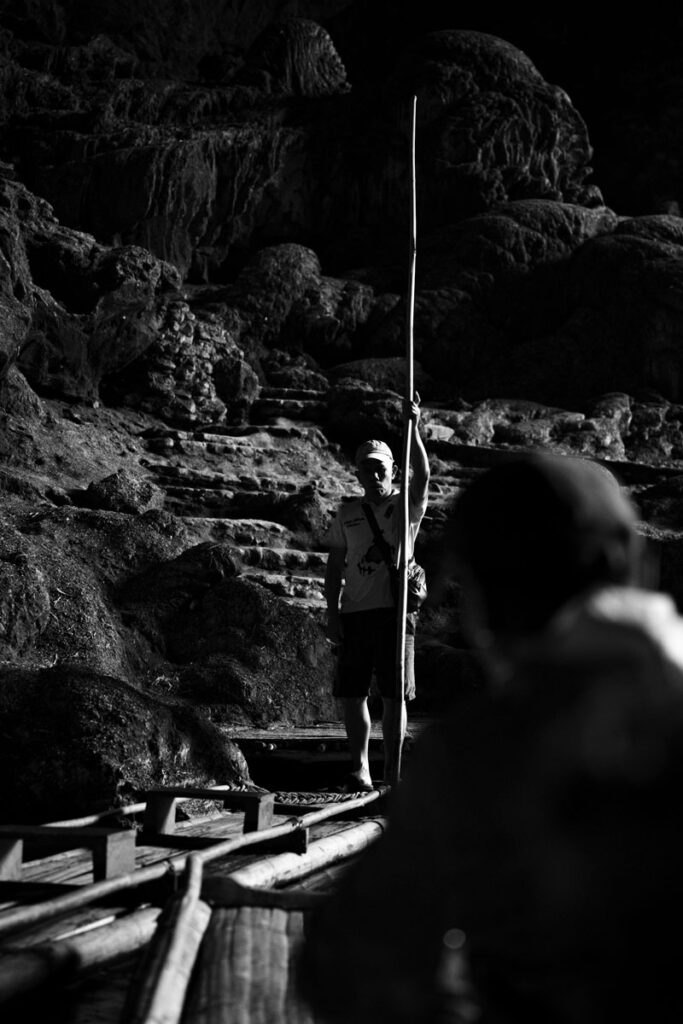
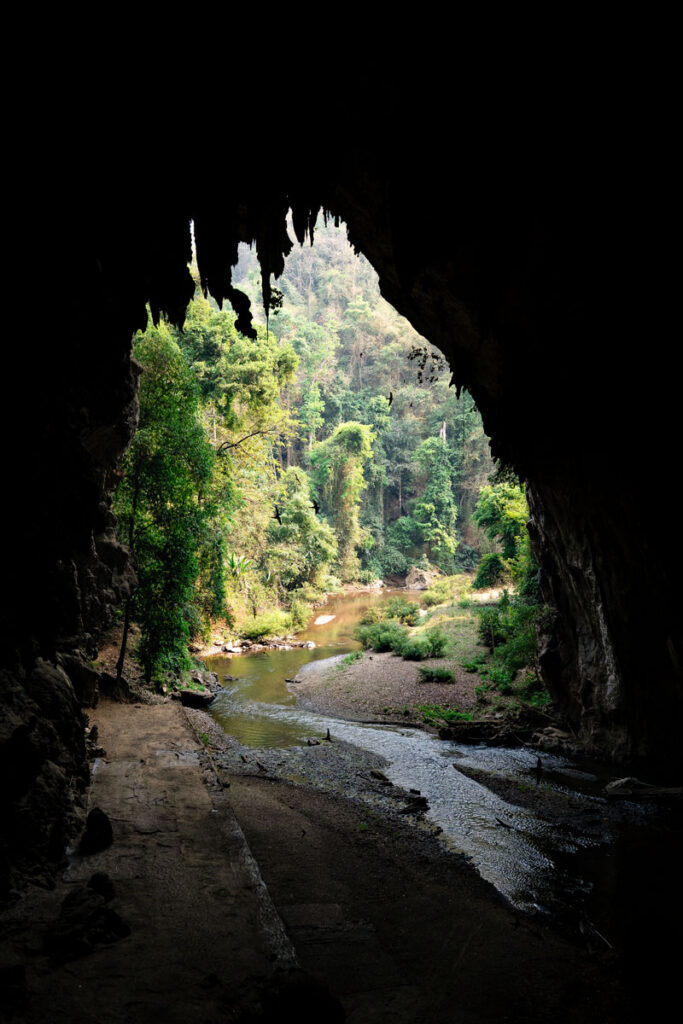
Finally, we climb into a narrow rowboat and drift silently along an underground river by the light of the lanterns. Fish swim alongside us, and above our heads, bats hunt for insects. Suddenly, daylight streams in through the cave’s exit. Vines hang down from the rocks, and trees stand out against the sky. Out there, the world awaits us once more.
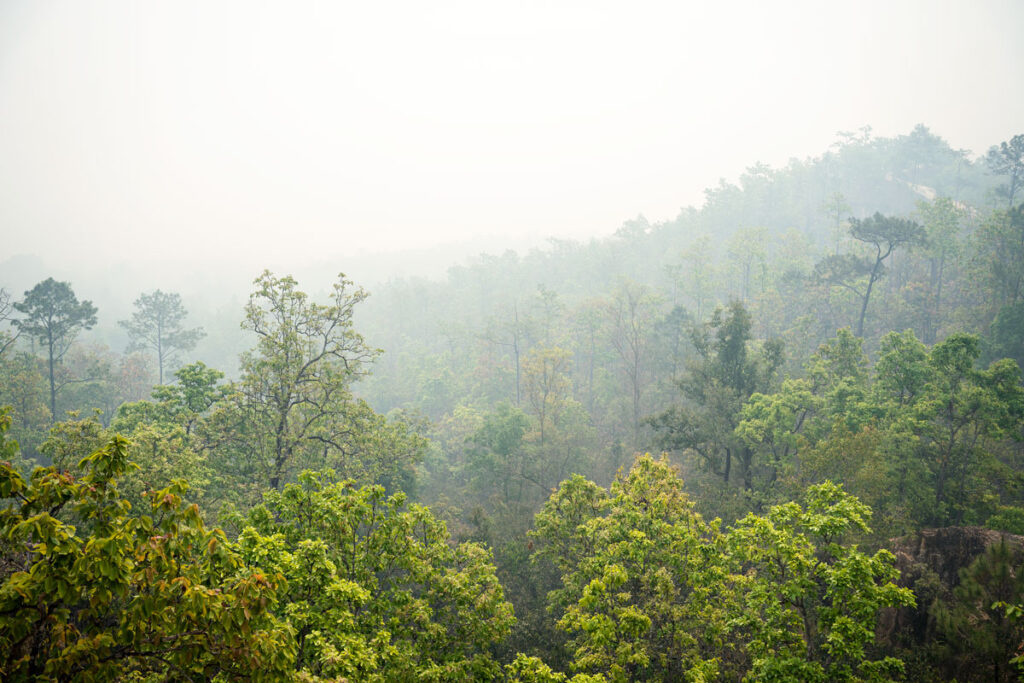
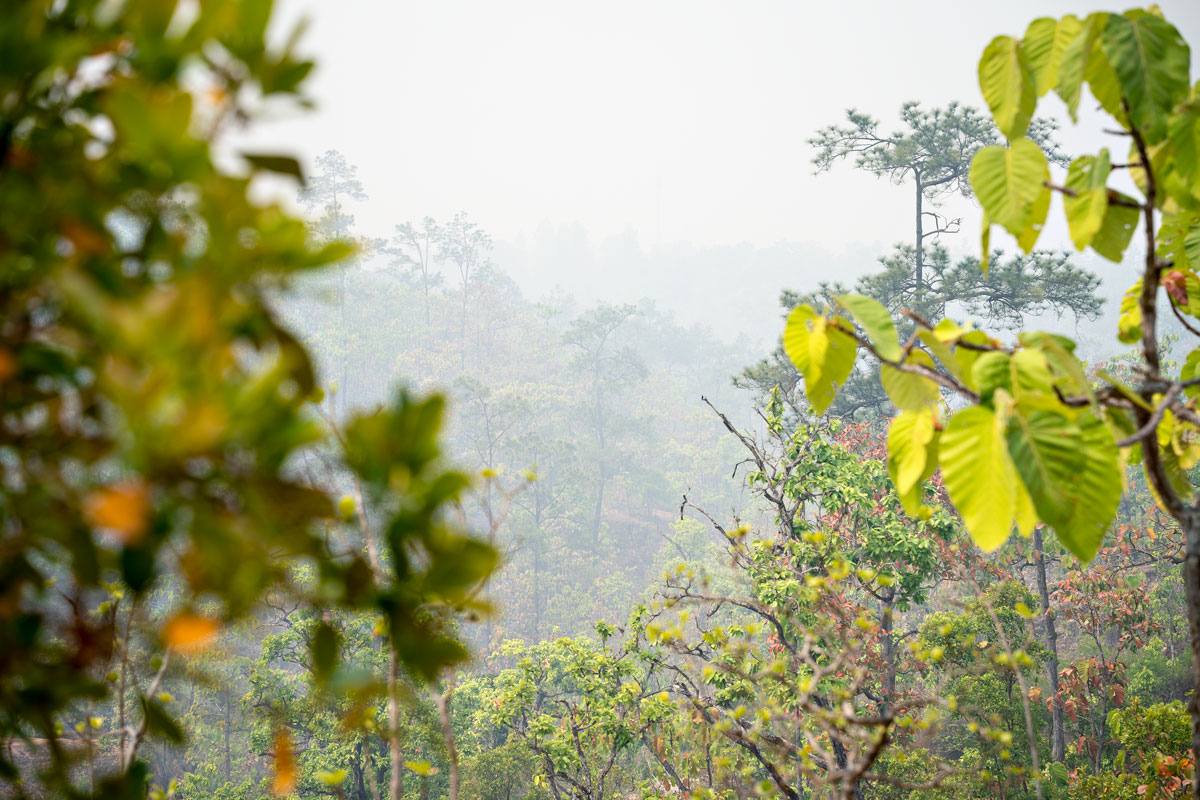
Wafts of yellow smoke hang over the town of Pai. These days, the towns in northern Thailand are among those with the highest levels of air pollution in the world. It’s the burning season – a huge threat to health, the environment, and tourism in the region.
On the evening of our arrival, we stroll through downtown Pai. Foreign tourists on scooters keep crossing the street – they seem overwhelmed by Thai traffic rules, inexperienced with riding scooters, or simply drunk. There are stalls selling souvenirs. Shabby beer bars with overdriven speakers. Restaurants that prioritize low prices over quality. One tourist trap after another – that’s how it seems to us. And everywhere, hipsters and cheerful backpackers roam the alleys, searching for the real Thailand, the authentic experience, the ultimate adventure.
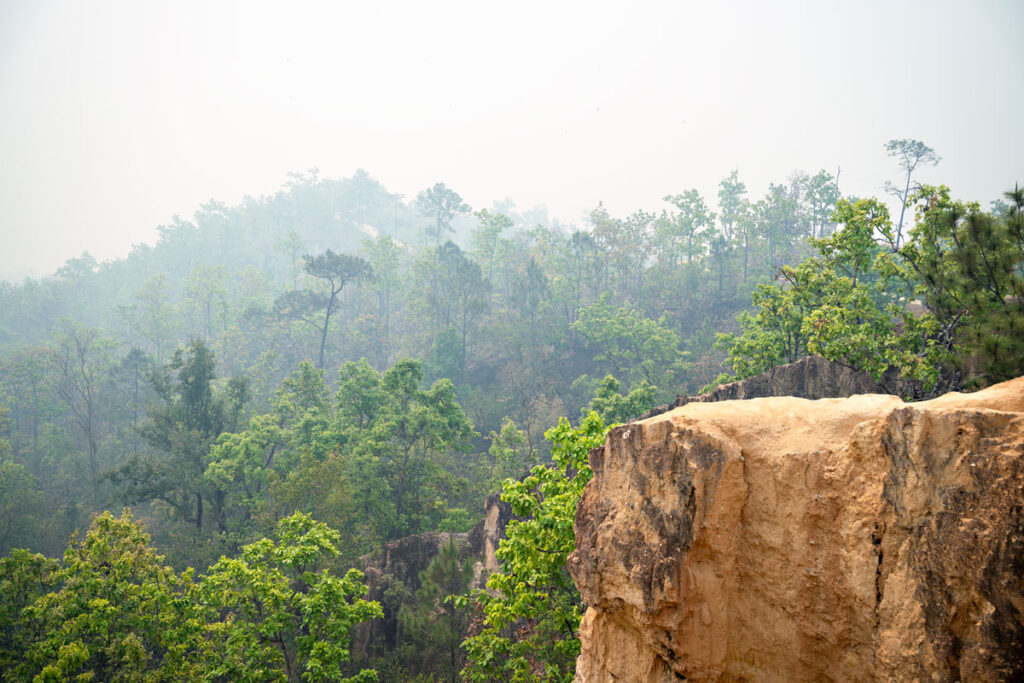
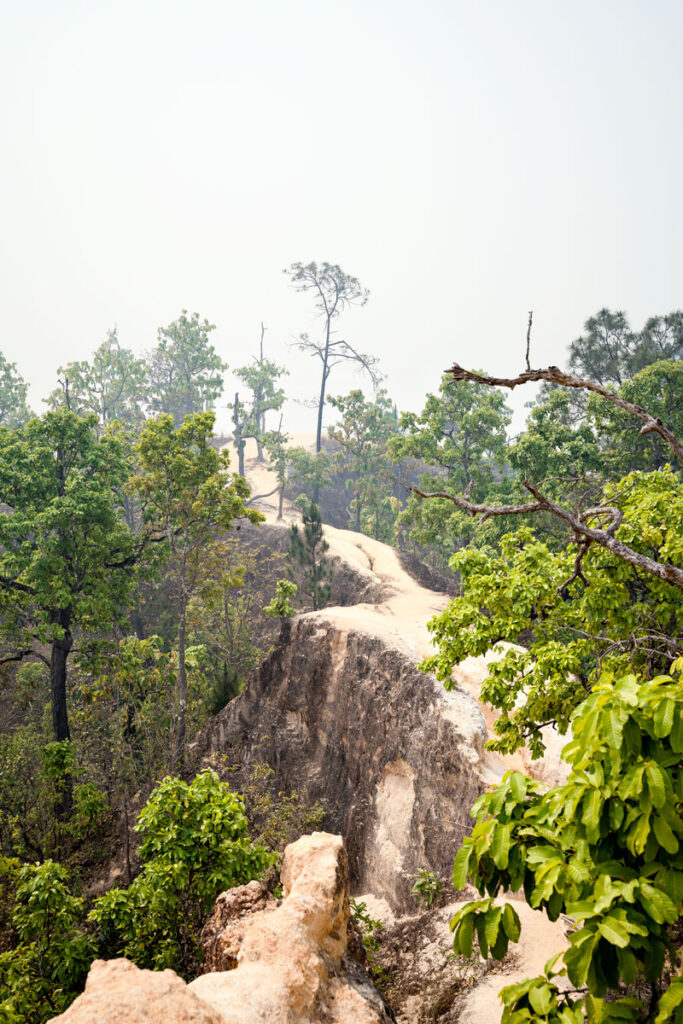
The next morning, we flee Pai and stop at Pai Canyon on our way to Chiang Mai. Here, too, the air is yellowish and makes our throats scratch. Visibility is limited; the sun is directly overhead. Deep fissures, gullies, and valleys crisscross the bizarre landscape. The trails soon disappear into a network of slopes, narrow paths, and risky climbing routes.
Somewhere past Pai, we leave Mae Hong Son Province behind. Through dozens, if not hundreds, of tight curves and steep switchbacks, the road winds its way out of the green mountainous region and takes us to the major city of Chiang Mai.
Certainly, Mae Hong Son doesn’t offer the abundance of major attractions found in other regions of Thailand. There are no beaches, no ocean, and no famous temple complexes. Instead, you’ll find a virtually untouched mountain landscape, the turbulent history of opium cultivation, and roads that wind like snakes around hills and ridges. If you’re traveling by motorcycle and have enough time, you can venture even deeper into this remote region – for example, to Salawin National Park or to small villages of ethnic minorities in the westernmost corner of Thailand. Often, the only routes there are washed-out dirt roads that, depending on the season, can only be traversed by off-road vehicles or enduro bikes.
Mae Hong Son is adventure. Mae Hong Son is a secluded mountain world. Mae Hong Son is peaceful tranquility. For us, this province reveals a side of Thailand that many travelers never get to experience – and that’s precisely why it has found a permanent place in our hearts.