
Denmark
It’s winter. We’re driving north on rain-soaked highways. Strong gusts of wind keep shaking the car. We cross the German border past Flensburg, and ahead of us lies flat land, bordered equally by the North Sea and the Baltic Sea. We’re in Denmark – perhaps the most popular vacation destination for Germans.
The weather is cold and wet, the sky dark and overcast. Instead of enjoying the beach and the salty sea air, we’re driving across the Storebælt Bridge to Copenhagen. On the outskirts of the city, we check into a simple Airbnb, and half an hour later we’re already in the city center. The rain is lashing our faces, and we’re hungry. But finding a lunch for under a hundred euros turns out to be harder than we thought. Eventually, we end up at a somewhat run-down Thai takeout place and eat – at least in the warmth – average pad Thai for fifty euros. The mood is subdued.
But there’s no helping it: we set off, our scarves pulled up over our noses, our hats pulled low over our foreheads. With every minute we walk through the city, our frustration fades and gives way to wonder at this modern, innovative architecture and urban planning. The streets seem free of cars; the dominance of internal combustion engines appears to have been broken – cyclists dominate the scene here. Wide, well-lit bike lanes ensure safety; parking spaces for cars are scarce and expensive. Renewable energy sources provide district heating for the buildings. And the people themselves? They seem completely unfazed by the weather. They don’t fight against the darkness and winter like we do, but have learned to live with them.
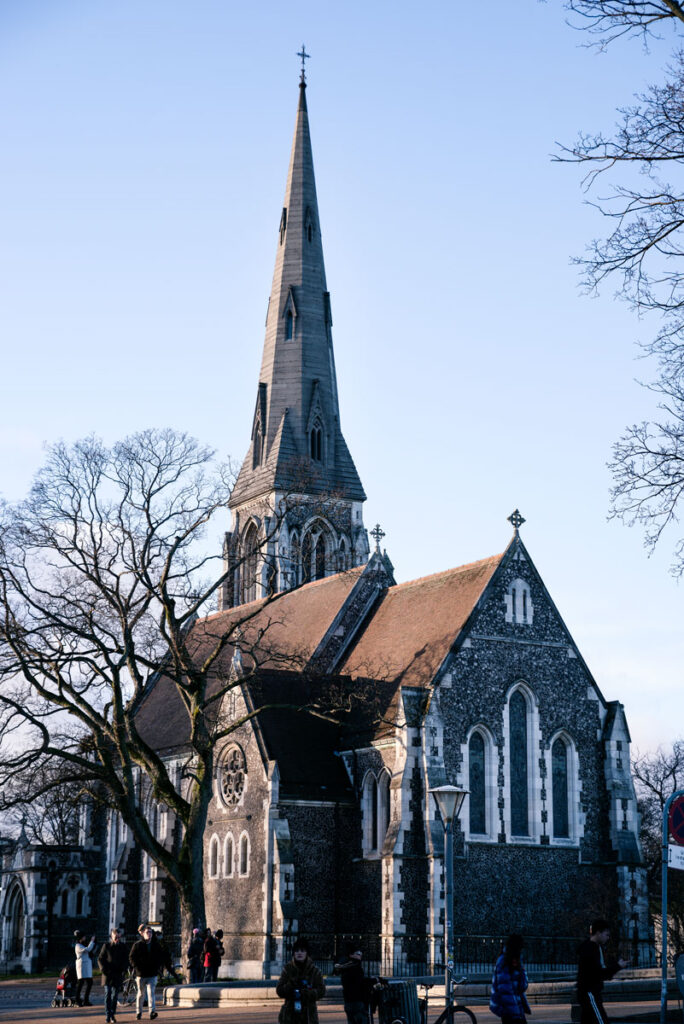
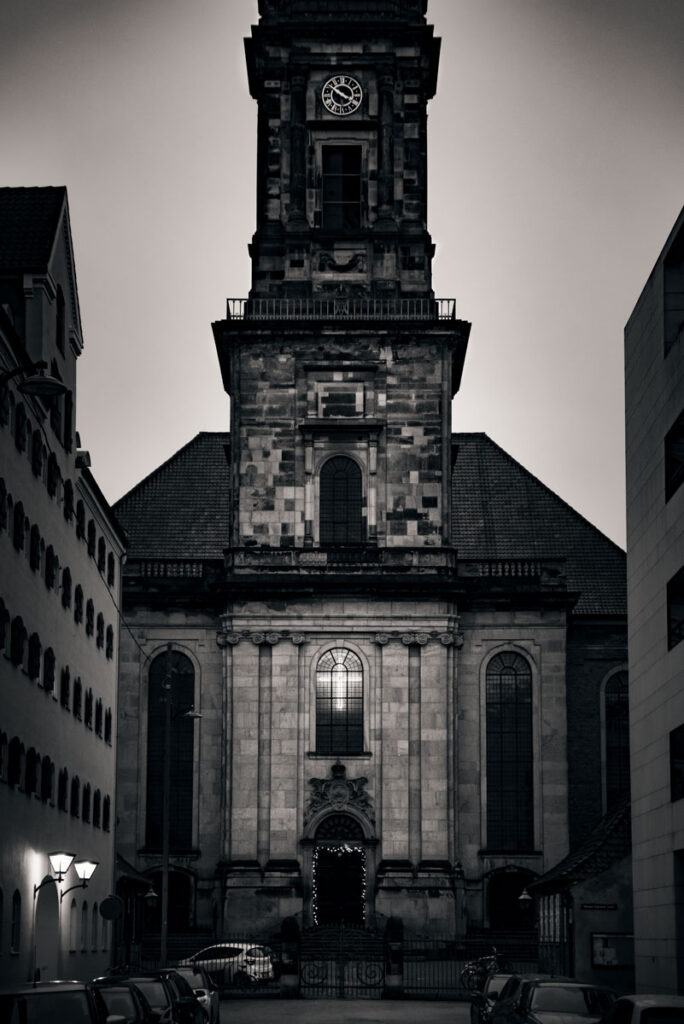
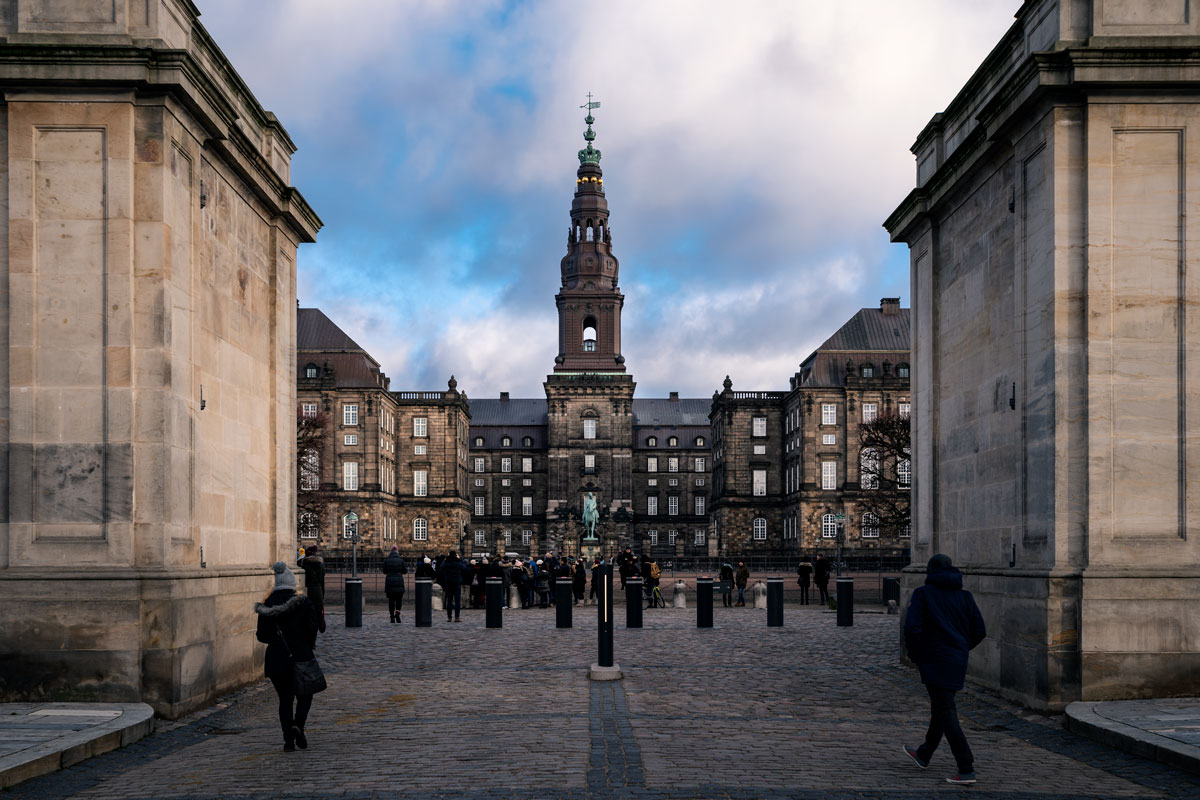
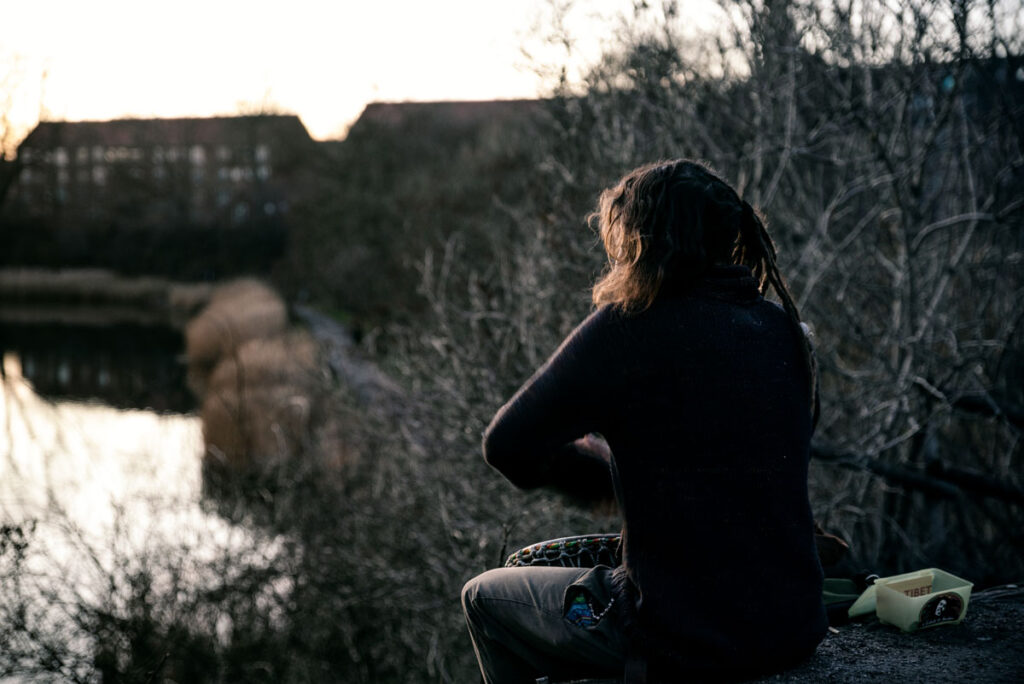
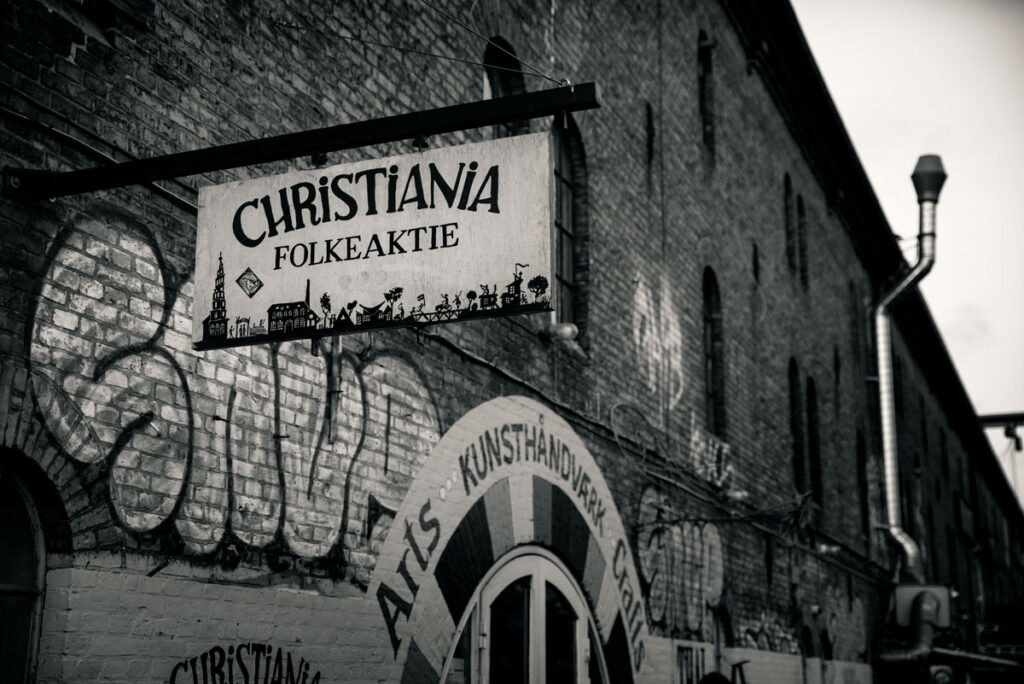
The free town of Christiania, surrounded by canals and water, lies in the heart of Copenhagen. An alternative way of life unfolds amid old brick industrial buildings and colorful wooden sheds. Long-haired men sell handmade goods at small stalls. Women with uncombed hair shuffle between the rows of houses. The pungent smell of cannabis hangs in the air. Bicycles and colors, murals and little flags. A visual mix of working-class neighborhood, kindergarten, and flea market.
Artisans and musicians, drinkers and potheads, parents and children, young and old, true believers and followers. Everything is connected, everything depends on one another. Protest signs and banners signal resistance: rejection of the state, rejection of a conservative and bourgeois society. Rejection of capital – even though it is necessary to finance this kind of life as well.
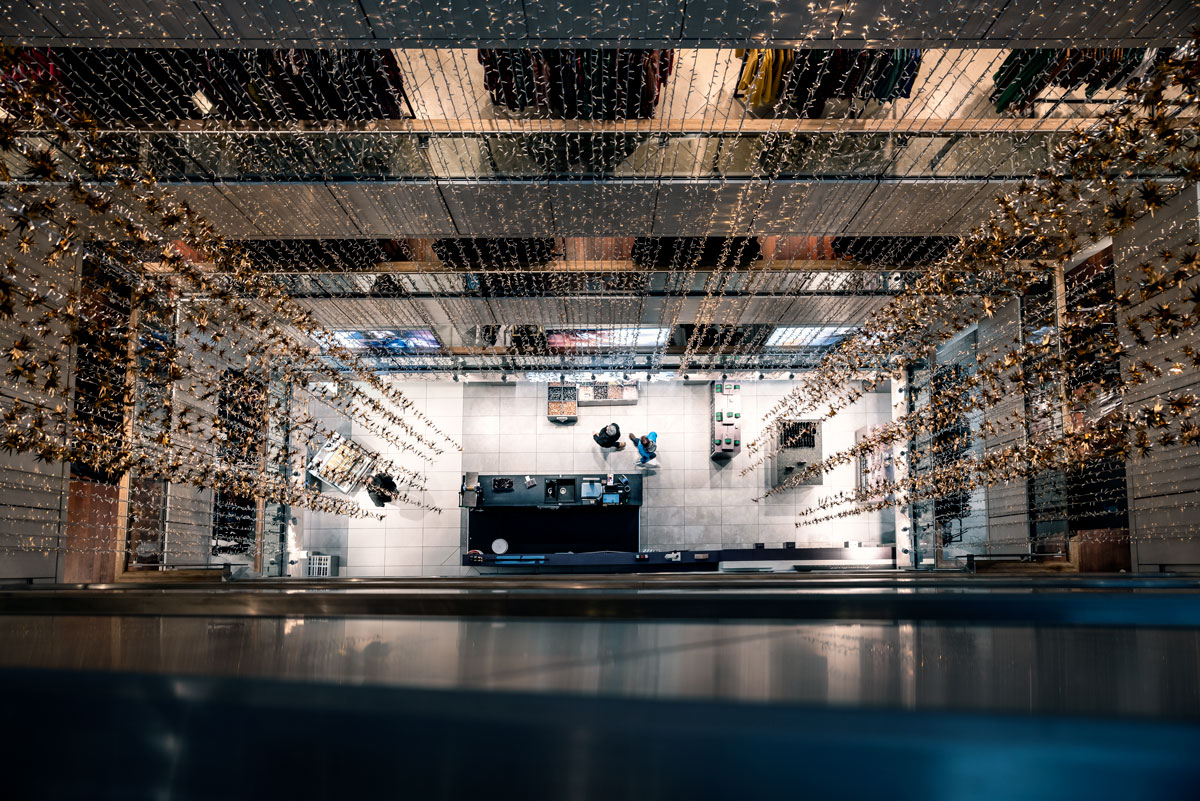
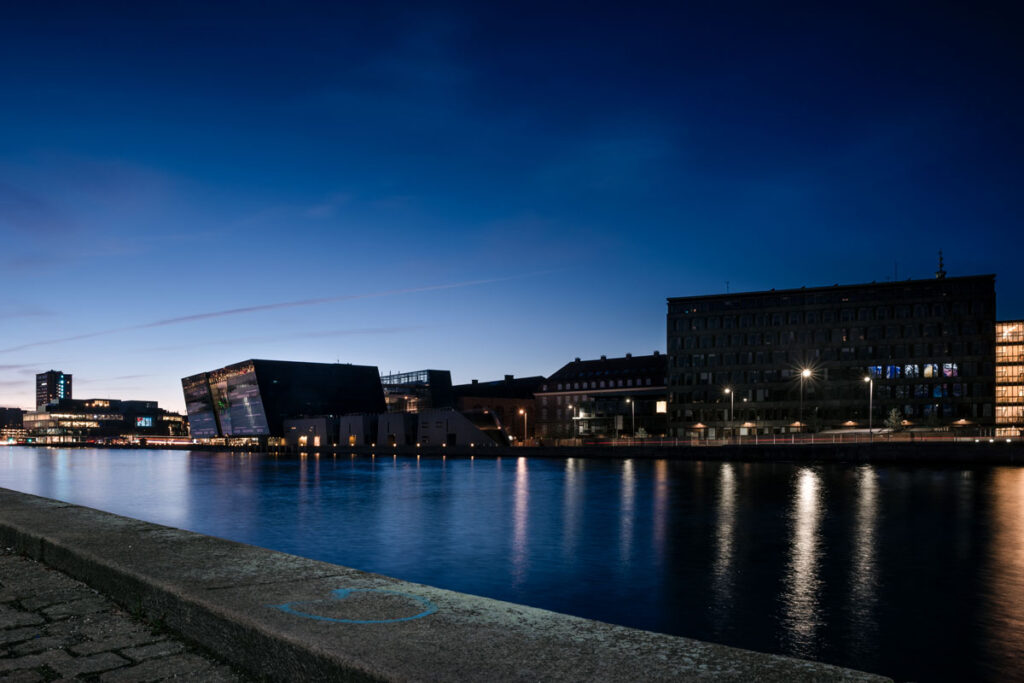
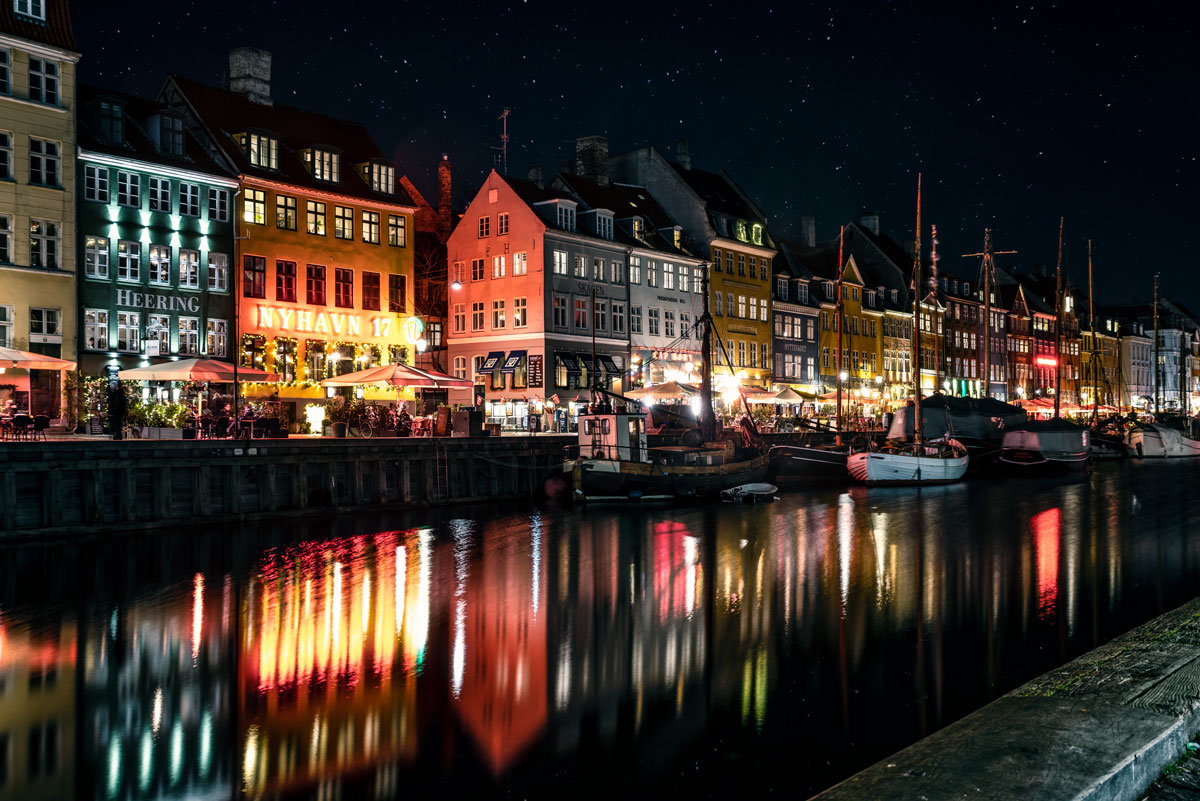
A winter evening in Copenhagen. The Christmas decorations still hang in the department stores, but the shops are empty. Between the holidays, people are enjoying the cozy warmth and comfort of their homes. The water that flows through this city in concrete-lined, straightened canals like lifelines lies before us as a clear, cold mirror. The evening transitions from deep blue to pitch-black night.
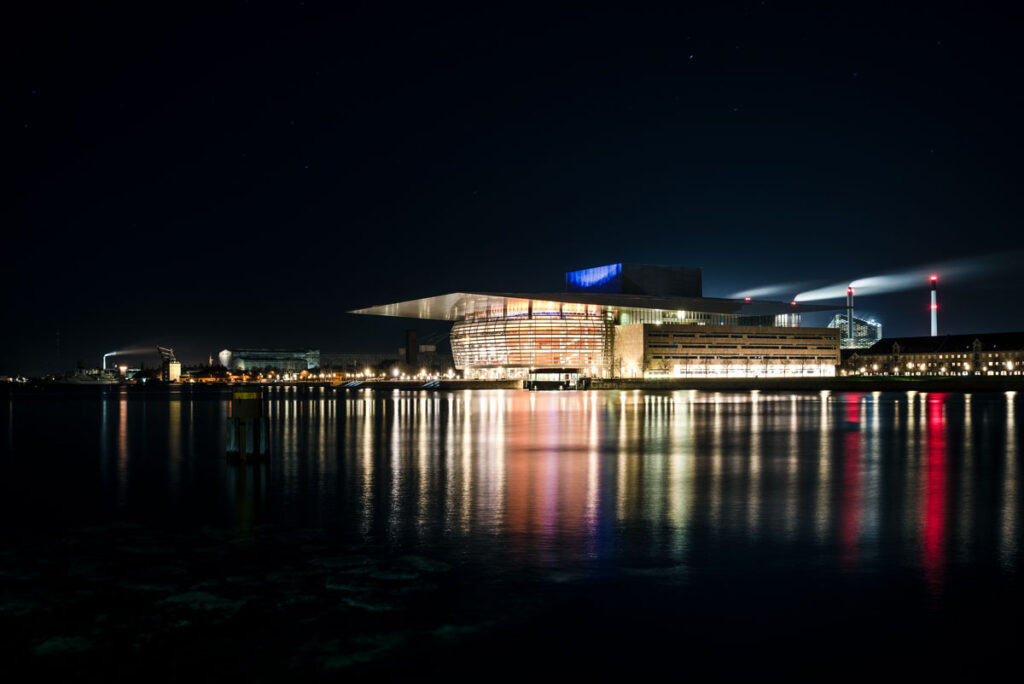
Almost tenderly, the lights of the office buildings, the opera house, and the museums blur in the ripples of the gentle waves. The colorful houses along Nyhavn look like lighthouses in the darkness. Small rowboats rock gently on the calm, undulating water. Above us, a clear starry sky spreads out. Slowly, the cold creeps through our jackets; our toes and fingers go numb. A biting wind catches our condensed breath and carries it out into the night.
We’re leaving Copenhagen – this modern city from which our German cities could learn so much. At the same time, we’re frozen to the bone by the icy wind and broke from the insanely high prices. It’s no wonder that many Germans prefer to travel through Denmark in their own camper, with a full fridge and their own bed.
But one thing is clear: those who can brave the weather and adapt to wind and rain even in summer will be rewarded with friendly people, laid-back and charming cities, and an exciting culture. Perhaps that is precisely the appeal of Denmark – not in spectacular sights, but in the unique way everyday life, architecture, nature, and the Danish way of life blend together here.
Info about our trip
Germans love Denmark – but why, exactly? One might maliciously suggest that Germans generally have a weakness for places – where things work better than in their own country. Because at first glance – and probably at second glance as well – Denmark seems like a model country: a good social welfare system, pristine nature, well-planned urban design, modern infrastructure, and a remarkably laid-back lifestyle.
But that alone can hardly be the reason. The explanation is probably much simpler: Germans love the North Sea and the Baltic Sea – preferably not too far from home. Whether it’s the Netherlands, Sweden, or Denmark: the North has always held a special allure.
Our trip to Copenhagen has remained our only real excursion to Denmark so far, even though we did cross the island of Lolland during our 2025 trip to Sweden and spent the night there at a nature-oriented campsite – including a short hike the next morning. In short: our expertise on Denmark is limited.
The main reason for this is actually the weather. We love stark contrasts, intense heat, and experiencing as many different cultures and sights as possible when we travel. That’s why Denmark was never at the top of our list for a long time. And yet, Copenhagen in particular surprised us – not so much with spectacular sights as with its quality of life, its tranquility, and the feeling that many things here are simply a little better thought out.
Denmark is significantly more expensive than Germany – and, in our experience, this applies to nearly every aspect of daily life. You’ll pay more at restaurants, supermarkets, accommodations, and even at gas stations. Especially in cities, even simple meals or quick stops at a café can be surprisingly expensive.
In addition, high tolls – such as those for crossing major bridges – as well as potential ferry costs and expensive parking fees add up. In Copenhagen, in particular, it’s therefore worth leaving your car parked outside whenever possible and using public transportation or a bicycle instead. If you’re traveling in your own camper, bringing food from Germany, and cooking for yourself, you can save a significant amount of money.
At first glance, Danish cuisine seems rather simple and down-to-earth – but that is precisely what gives it its charm. Classics like smørrebrød – artfully prepared open-faced sandwiches topped with fish, meat, or pickled vegetables – are just as much a part of it as hot dogs, cinnamon rolls, and sweet pastries from small bakeries. In general, it’s striking how much emphasis is placed in Denmark on high-quality ingredients, good design, and a cozy atmosphere – even simple cafés often feel stylish and well-thought-out.
At the same time, eating out is expensive. Especially in Copenhagen, dining out can quickly add up, even if you’re looking for a simple meal. Many travelers therefore opt for vacation apartments, campers, or vacation homes with their own kitchens. While supermarkets are also more expensive than in Germany, the quality is generally very good.
Hotels in Denmark are expensive – especially in Copenhagen. You can often expect to pay around 150 euros or more per night, and you’ll need a bit of luck to find more affordable options in a good location. Prices can rise significantly, especially during peak season.
It’s therefore hardly surprising that campgrounds are the preferred choice for many travelers to Denmark. Those traveling by camper, RV, or tent not only save on lodging but can also cook their own meals, thereby reducing additional costs. You’ll find beautiful campgrounds – often situated close to nature, sometimes right on the beach or near the coast – throughout the country.
However, please note: Wild camping is officially prohibited in Denmark and is enforced much more strictly than in some regions of Sweden or Norway, for example.
When it comes to safety, there really isn’t much to say about Denmark: The country ranks among the safest in the world in almost every respect. Violent crime is rare, the infrastructure is excellent, and even when you’re out and about alone or at night, it usually feels completely safe. So just enjoy your vacation – and focus instead on the wind, the sea, and the cinnamon rolls.
Thanks to its excellent infrastructure, clean public facilities, outstanding healthcare, and high standard of living, Denmark is an ideal destination for families. Added to this are the short distances within this small country and the fact that the sea is accessible almost everywhere, with its beautiful and easily accessible beaches.
Denmark also has plenty to offer older children and teenagers: from Legoland Billund to excellent cycling routes, as well as exciting cultural attractions and museums. In general, much of everyday life feels family-friendly, relaxed, and well-organized.
The only slight downside: the larger the family, the faster the costs naturally rise. Accommodations, restaurant visits, and leisure activities in particular can make a vacation in Denmark noticeably expensive.
In Copenhagen, it’s best to leave your car on the outskirts and take the modern and reliable metro into the city center. Alternatively, you can easily rent a bike – after all, Copenhagen, and indeed all of Denmark, is practically made for it. The excellently developed bike paths often make cycling the fastest and most pleasant way to get around the city.
Outside the capital, you can travel through the country comfortably by car. Denmark is relatively small and can easily be crossed in a single day. The roads are in very good condition, and traffic is generally calm and orderly. Note, however, that some major bridges and certain ferries require tolls. There is no general road toll, however.
- As is almost always the case, the C.H.BECK Wissen series provides a concise, scholarly overview of Scandinavian history in Geschichte Skandinaviens by Harm G. Schröter
- The DUMONT Bildatlas Dänemark: Das praktische Reisemagazin zur Einstimmung features great information and photos, providing – true to its title – the perfect introduction to your Danish adventure
