
Iran
Of all the countries we have visited so far, none has left such a lasting impression on us as Iran. What’s more, from the very first day, Iran touched our hearts, and we immediately took the country and its people to our hearts. Nowhere else in the world have we experienced such warm and sincere hospitality as we have here. Nowhere else were we welcomed without exception as friends and received immediate help whenever we needed it. Hardly any other country we have visited is so rich in millennia-old culture and history. No other country has opened its arms to us as widely as Iran.
And yet there is a dark side. A theocratic government rejected by a large portion of the population. A regime that fights internal opponents with extreme harshness. A policy that relies on confrontation and creates deep tensions both within and outside the country. In the spring of 2026, much seems to be falling apart and imploding. It is becoming nearly impossible to distinguish facts from propaganda. No one knows what the future holds for the state of Iran. But one thing we do know: as soon as peace and stability return to this beautiful country, we will come back.
The night before, a boat took us up the Shatt al-Arab to Khorramshahr. Immediately after we crossed the border, an elderly taxi driver took us under his wing, first driving us to the bank and then to the bus station. As a man, Chris was escorted to the chief supervisor’s office, while Vany waited in the taxi. In the supervisor’s office, he was offered tea and friendly small talk while an assistant arranged our bus tickets to Shiraz. Shortly thereafter, we were seated in an extremely comfortable intercity bus, which labored its way along countless winding roads through the oil fields burning in the night. A bizarre, almost Martian landscape passed by our bus windows.
The next morning, we check into a small room in a wonderful hotel straight out of One Thousand and One Nights. There’s fresh bread and coffee for breakfast, the air tastes crisp, and the morning is pleasantly mild. Once our energy has returned, we dive into the adventure. We arrange for a driver for the day – and off we go on our tour of Iran.
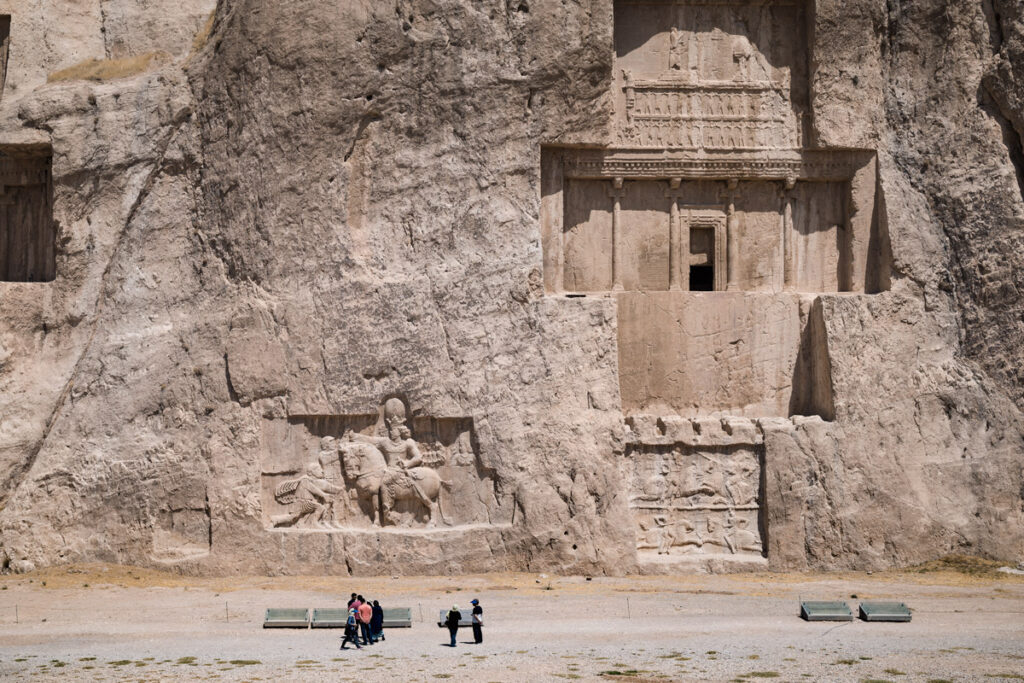
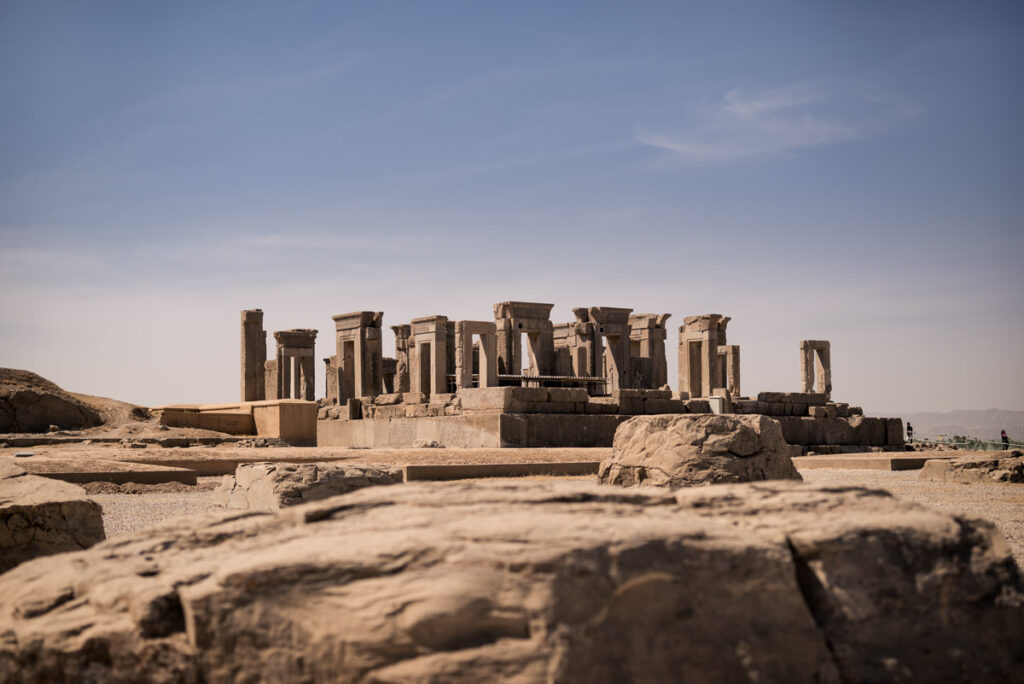
Tired, we explore the sprawling ruins of Persepolis, the city of the Persians. The former palace city remains one of Iran’s most significant landmarks to this day and bears witness to a sophisticated civilization dating back more than 2,500 years. Alexander the Great brought the city to an abrupt end in 330 B.C. through looting and fire. Not far from there lies the Naqsh-e Rostam necropolis – gigantic tombs of Achaemenid kings carved into the rock.
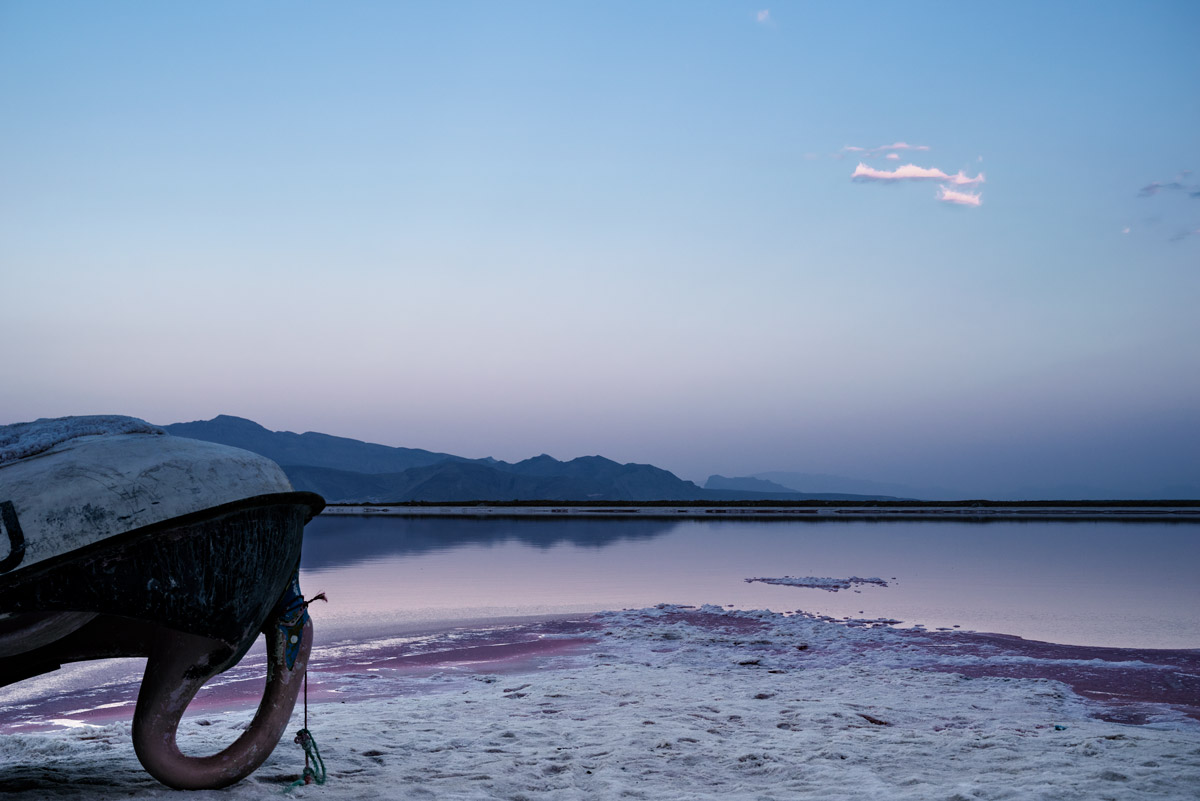
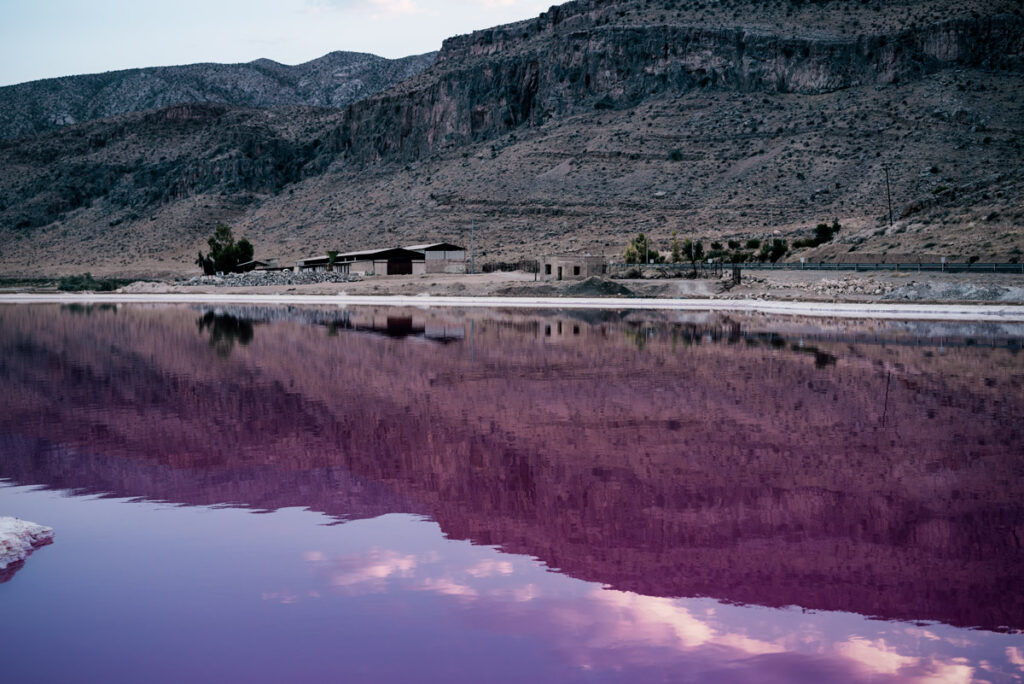
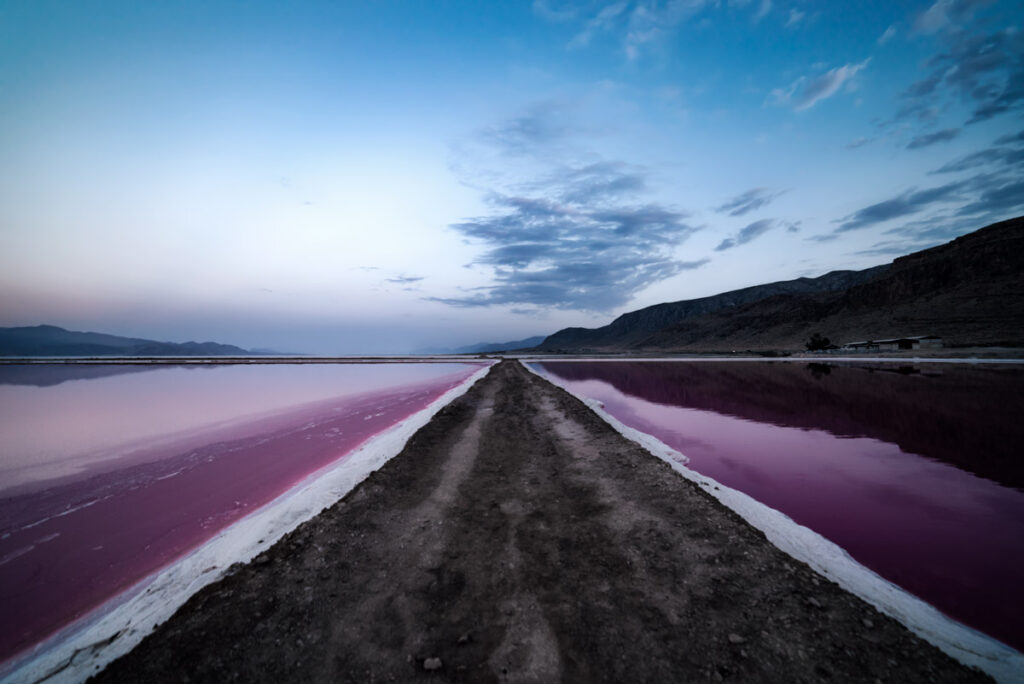
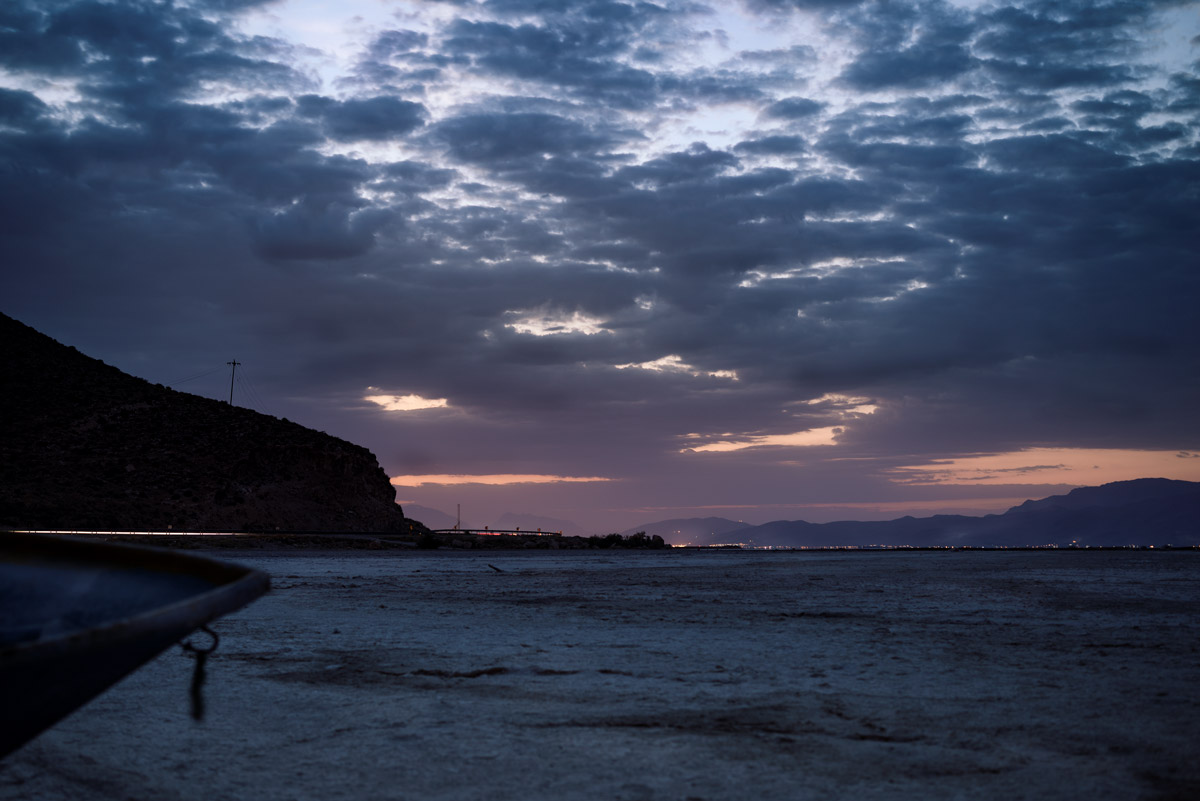
Dawn is breaking. The sky is the color of glaciers. The sun sinks silently and almost colorlessly below the horizon. Veils of clouds drift in on the warm evening breeze. Before us lies Maharloo Lake. In midsummer, algae turn the water pink. The lake’s shores are made of a thick crust of salt.
A scooter drives past on the nearby road. Then it grows quiet. Only the wind blows dust and scattered grains of salt across the ground. In that moment, we realize where we are. Perhaps this is the most alien land we have ever traveled to. The people and their culture, the cities and landscapes, seem as if from another planet. And yet this land welcomes us with unprecedented hospitality and overwhelms us time and again with its sheer beauty.
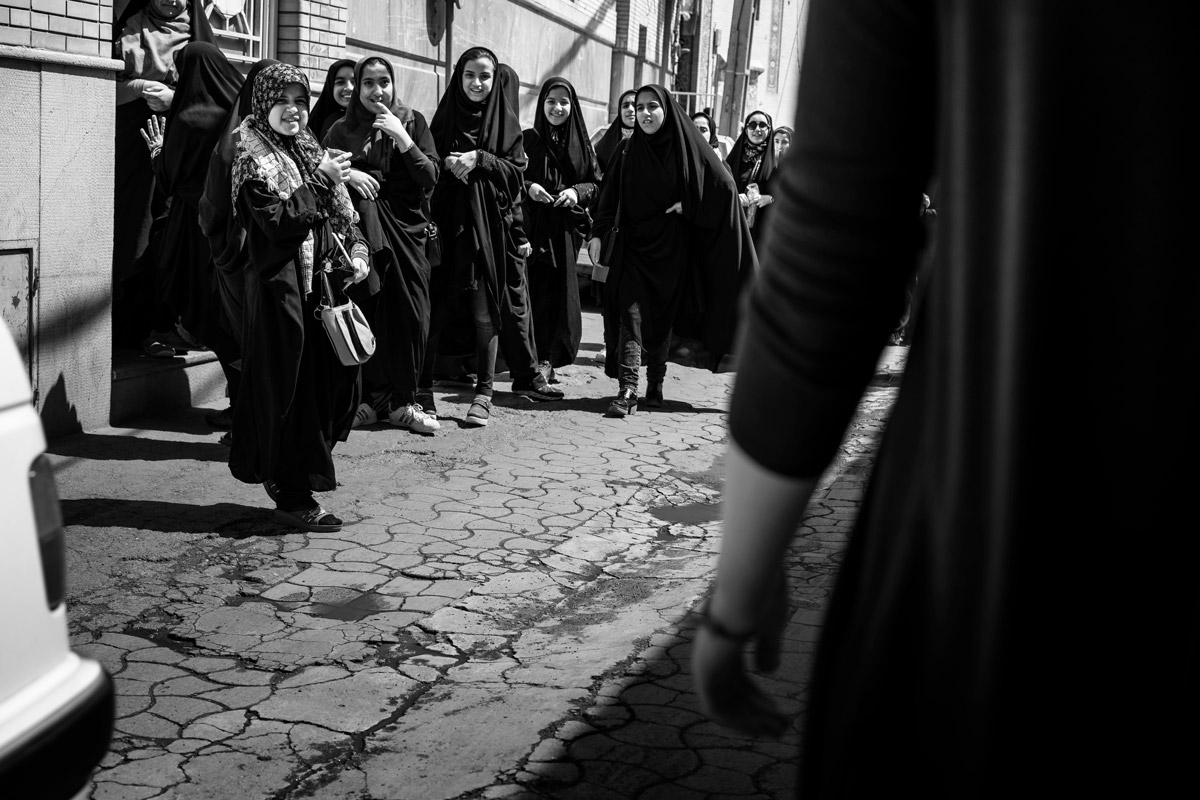
The next day, we dive right into Iranian city life and explore Shiraz on foot. As we walk through the streets, we notice the curious faces and mischievous smiles of passersby. Fruit vendors hand us peaches, and children curiously ask our names. Away from the busy main streets, we lose ourselves in a labyrinth of houses and dead-end alleys. Time and again, we come across enchanting courtyards and gardens, filled with the scent of fresh flowers.
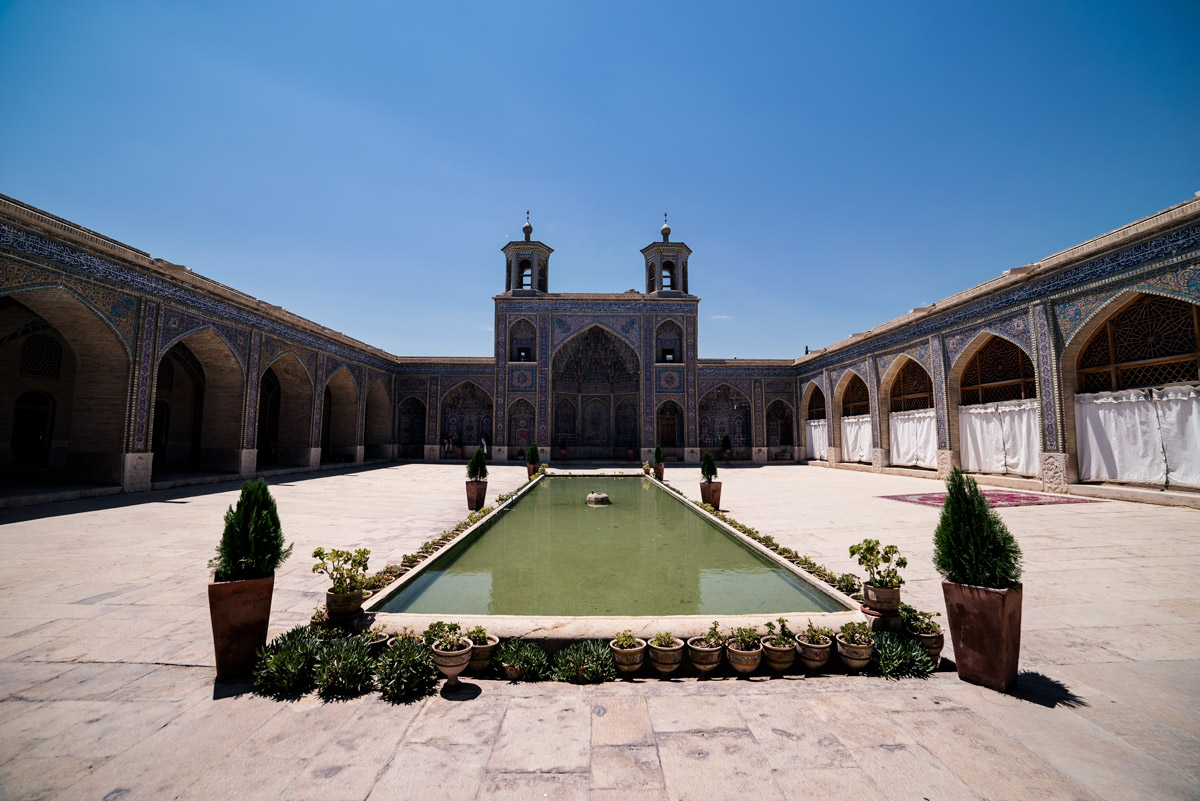
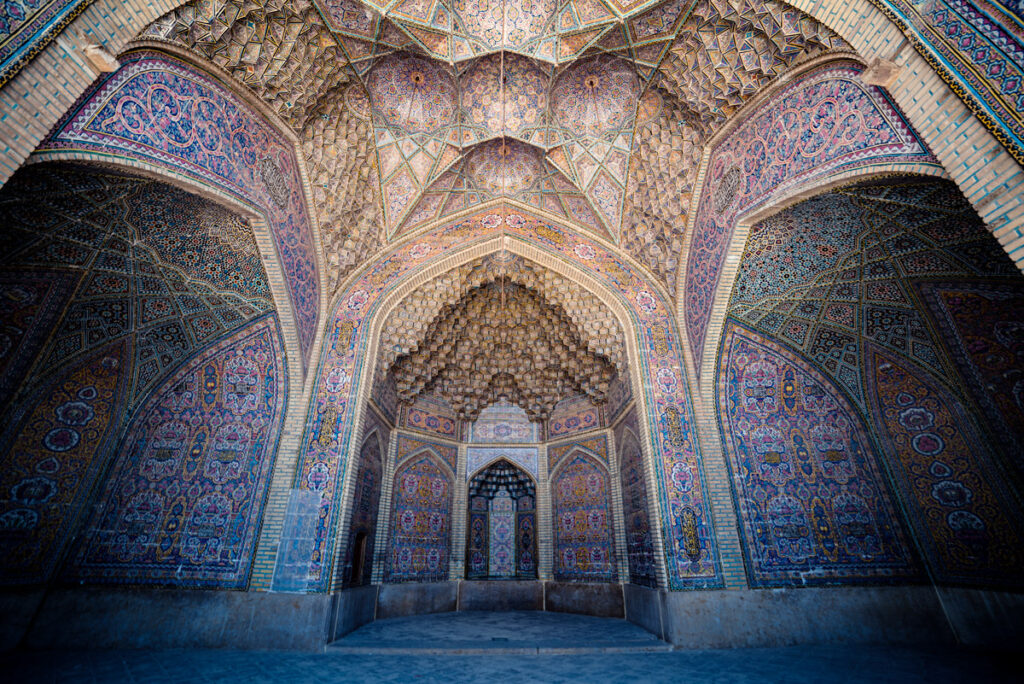
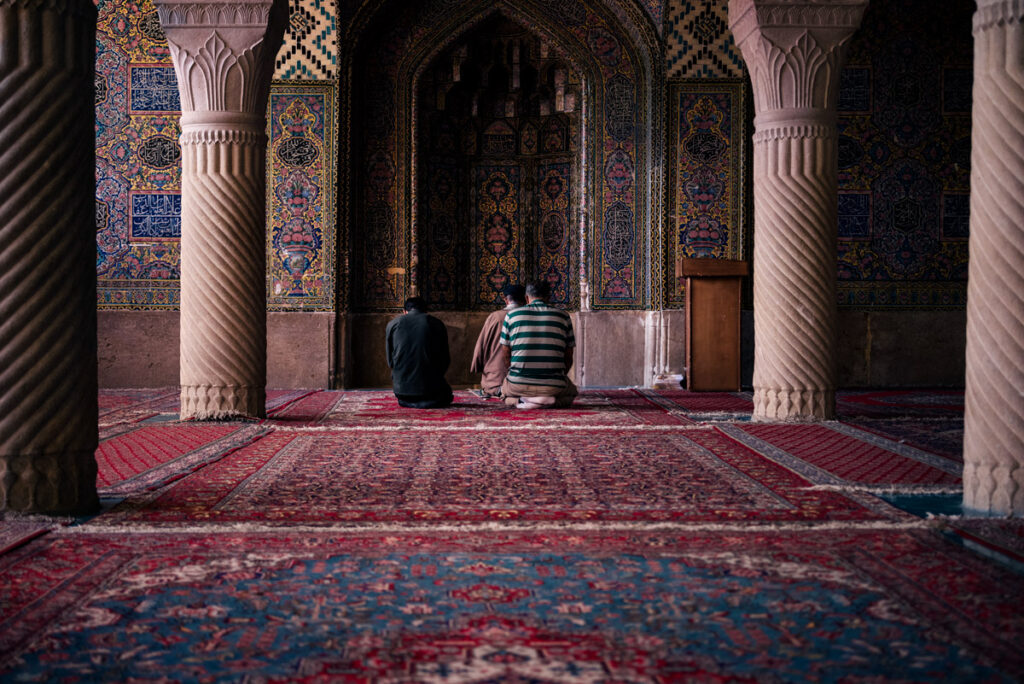
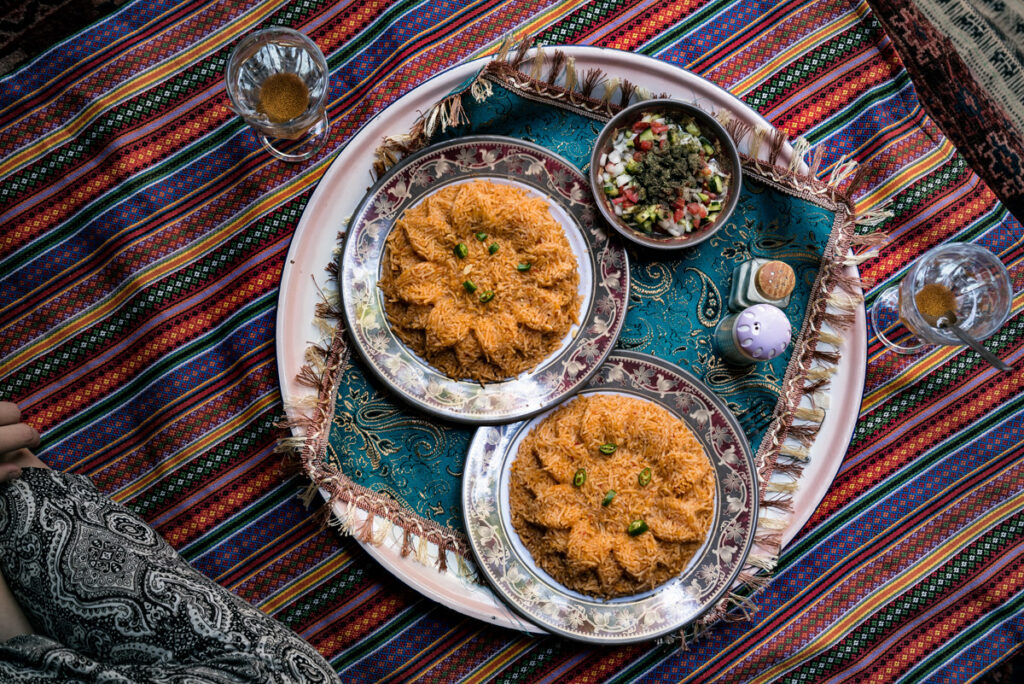
For lunch, we eat juicy tomato rice and drink ice-cold rosewater. As the sun reaches its zenith and the midday heat becomes unbearable, we take refuge in the shaded rooms of the Nasir al-Mulk Mosque. Its ornate, colorful windows let in only subdued light. Magnificent mosaics on the walls and ceilings invite us to linger and marvel.
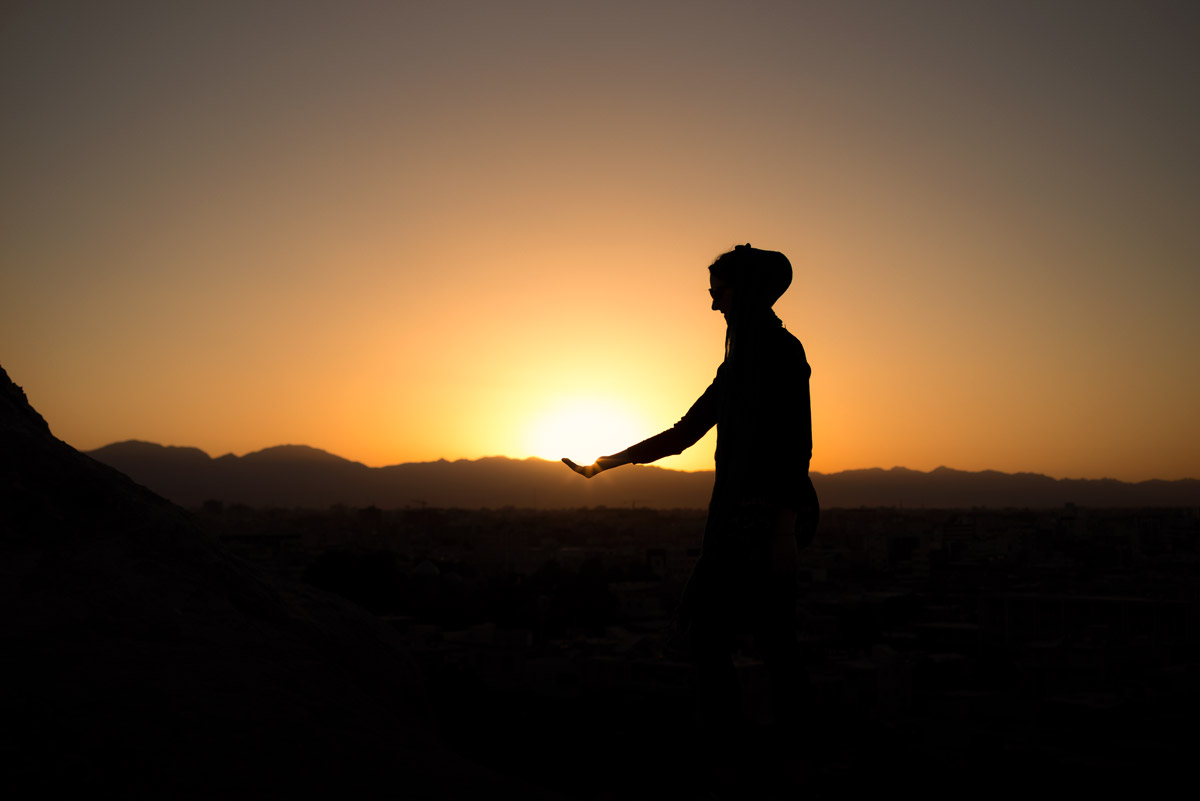
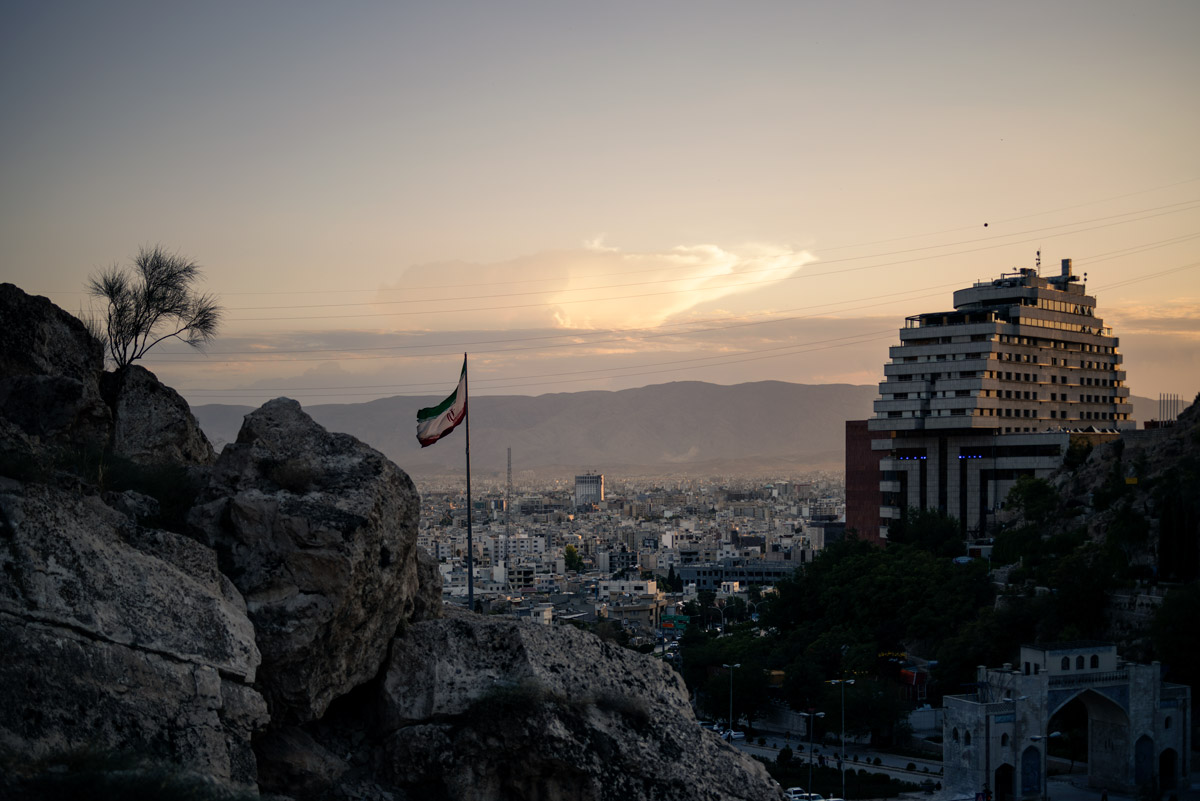
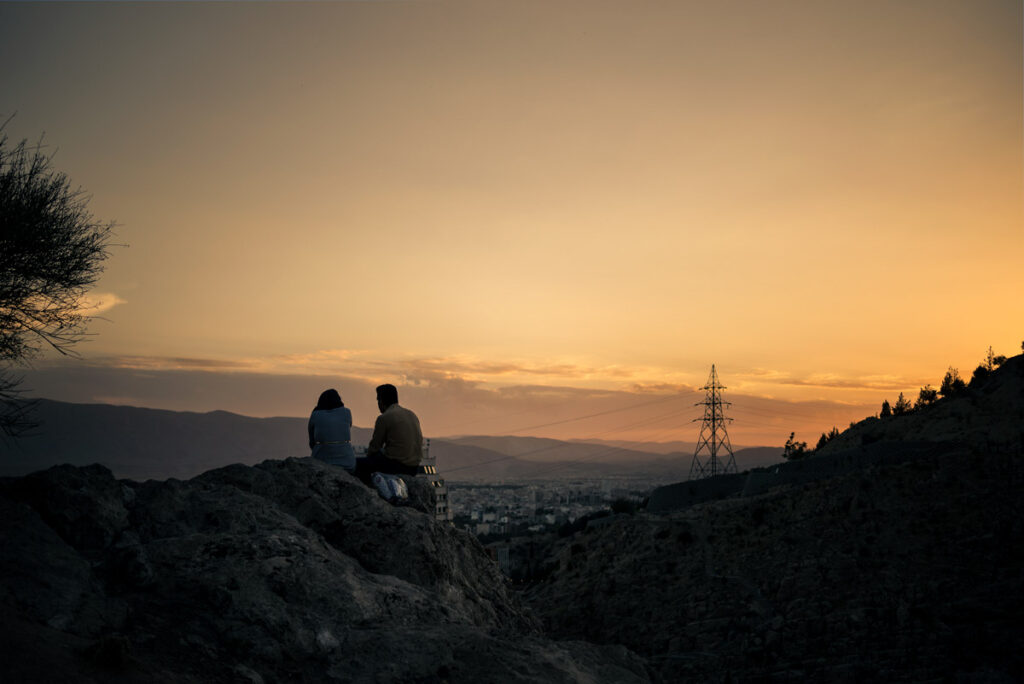
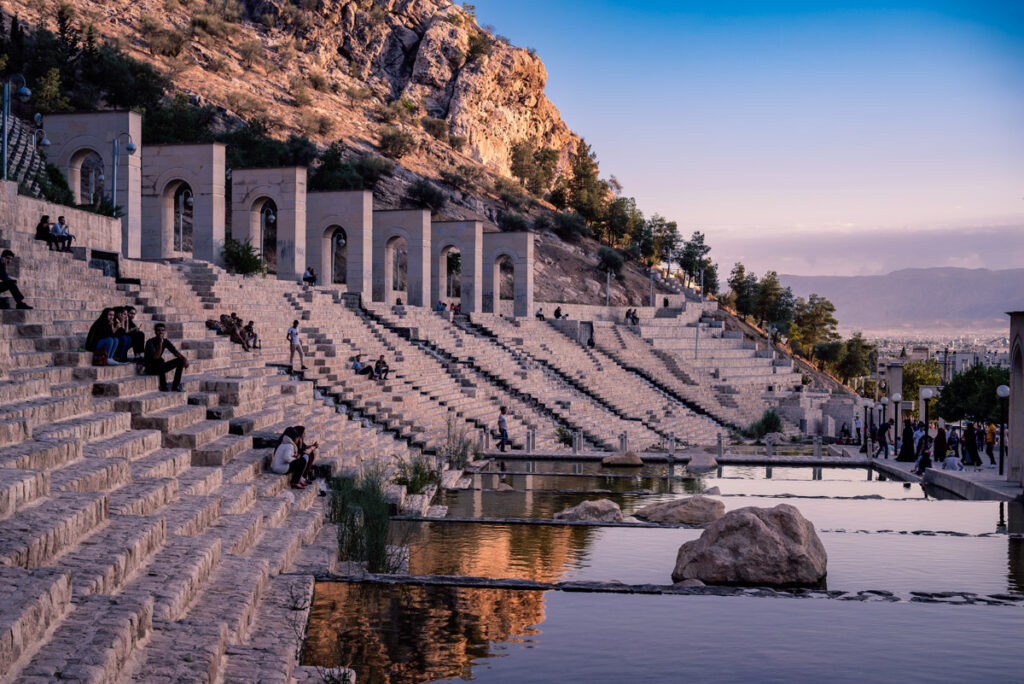
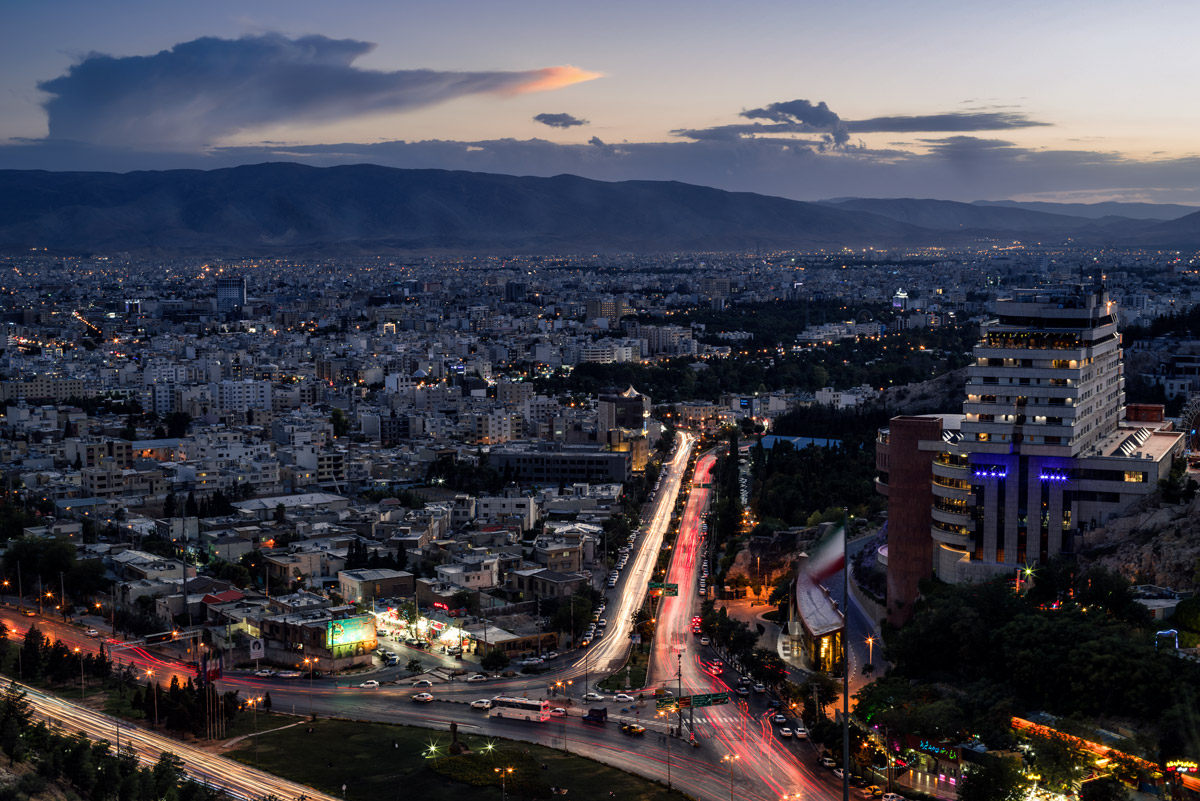
As evening approaches, we find ourselves on the northern edge of the city. We have followed a narrow park and a rocky path up into the hills. From up here, we have a wonderful view over the entire city. But we are not alone. As night falls, teenagers and young couples fill the area. They use the cover of darkness to meet – young, unmarried, male and female. In doing so, they cross boundaries, daring to do something their parents never dared. In their courageous defiance, they are strong.
Kilometer by kilometer, the bus plows its way through the dusty August night. Meter by meter, it gains altitude. Iranian soap operas play on a small TV above the driver. It is not until early morning that the bus drops us off in the sleepy city center of Kerman – an unassuming, simple town in the mountains at an altitude of just under 1,800 meters, on the edge of one of the driest and hottest deserts on Earth.
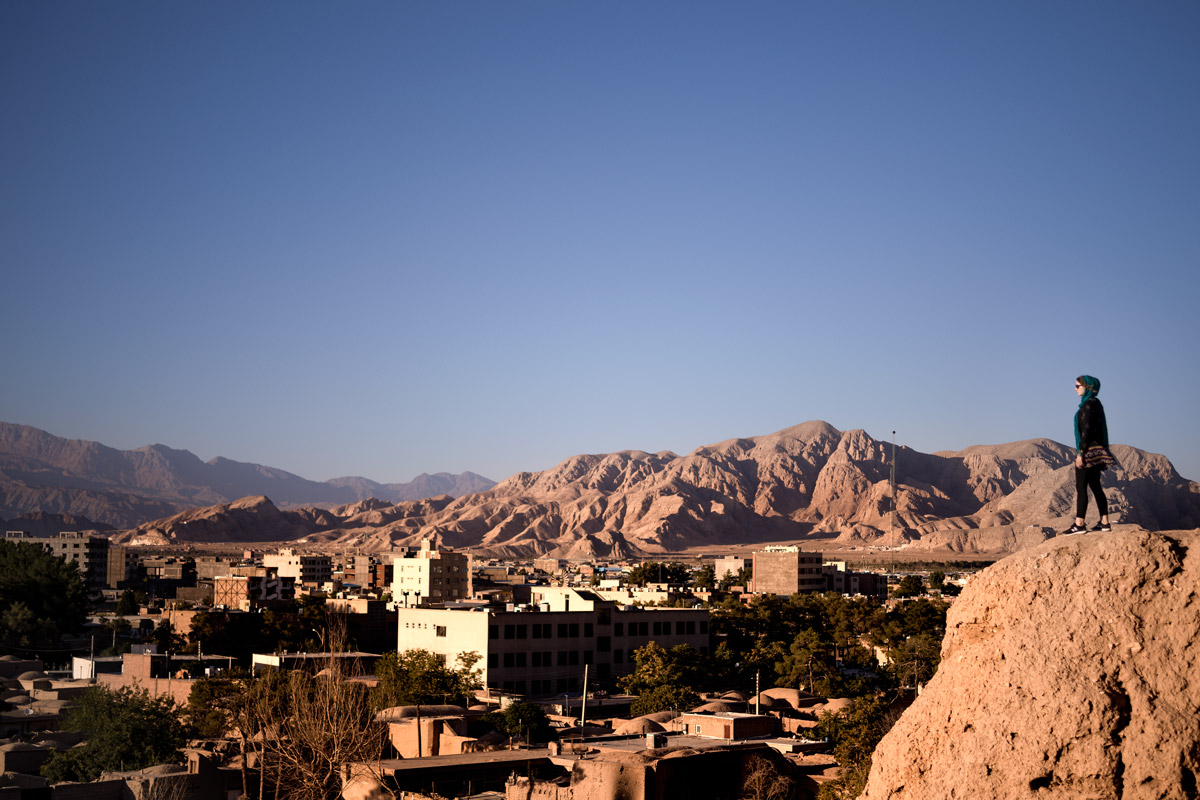
Kerman itself has little to offer. The market hall is a traditional Persian building with wind towers and high mud-brick ceilings. All around: building ruins and potholes in the main streets. We walk to a Zoroastrian fire temple and from there on to Ardeshir Castle. All that remains of the ancient fortress from the Sassanid era are little more than weathered wall ruins and holes in the ground where dogs live and children play. It smells of urine and dust – this place is crumbling and, after two and a half millennia, seems almost wiped out. How long will it be before our own civilization is swallowed up by the earth?
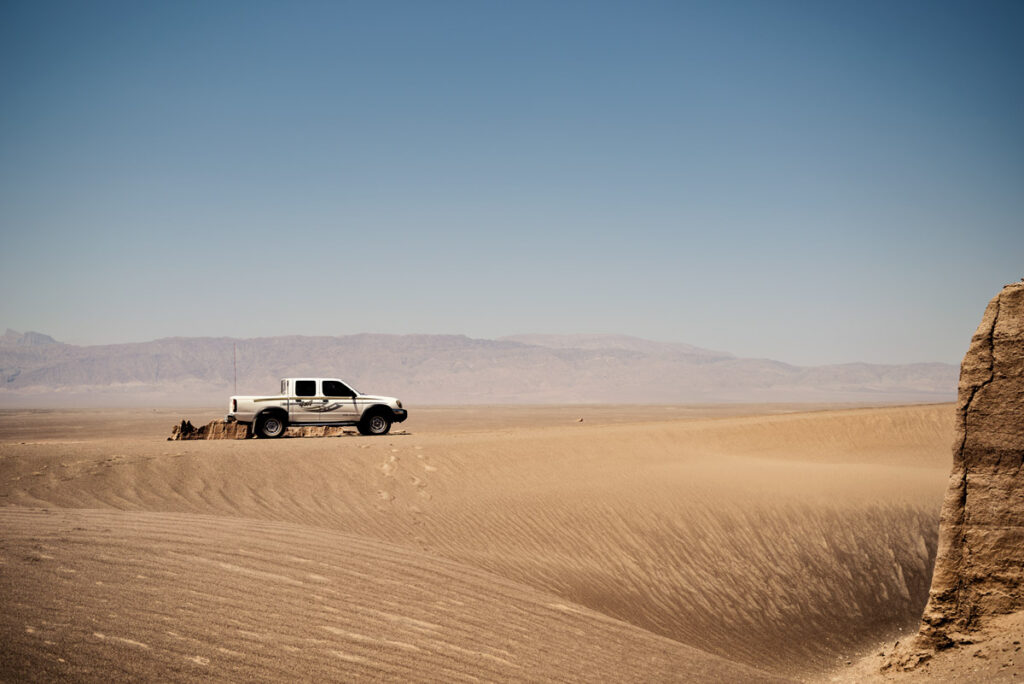
Jeffrey honks the horn and greets us with a handshake. Grinning, he points to his Nissan pickup and gives the hood a loving pat. We get in and follow empty, straight roads out into the desert. Iranian pop music blares from the radio.
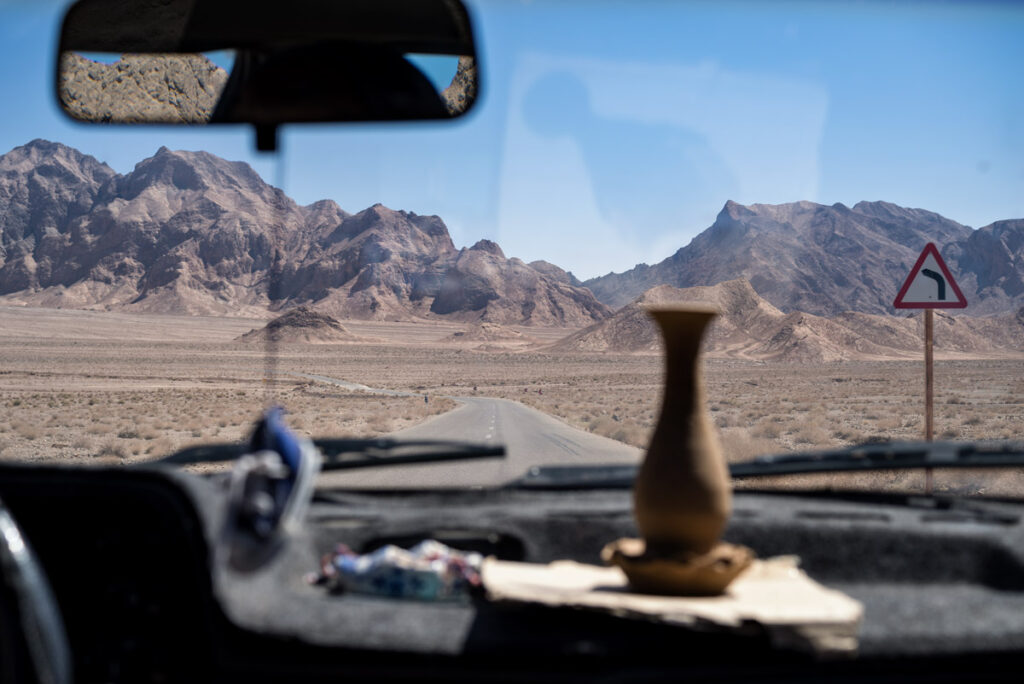
Jeffrey – he’s our guide for the next few days. The desert – it’s the Dasht-e Lut, perhaps the hottest desert on Earth. We want to feel the heat, experience the silence, and feel the sand beneath our feet. It’s our first trip to a real desert, and our excitement grows with every kilometer.
But suddenly the engine dies, and we have to stop. Jeffrey looks at a loss, makes a phone call, leans over the engine compartment. Nothing helps – his Nissan has to be towed. Instead, a friend drives by, and without further ado we switch to his car. Then we finally continue on into the Dasht-e Lut.
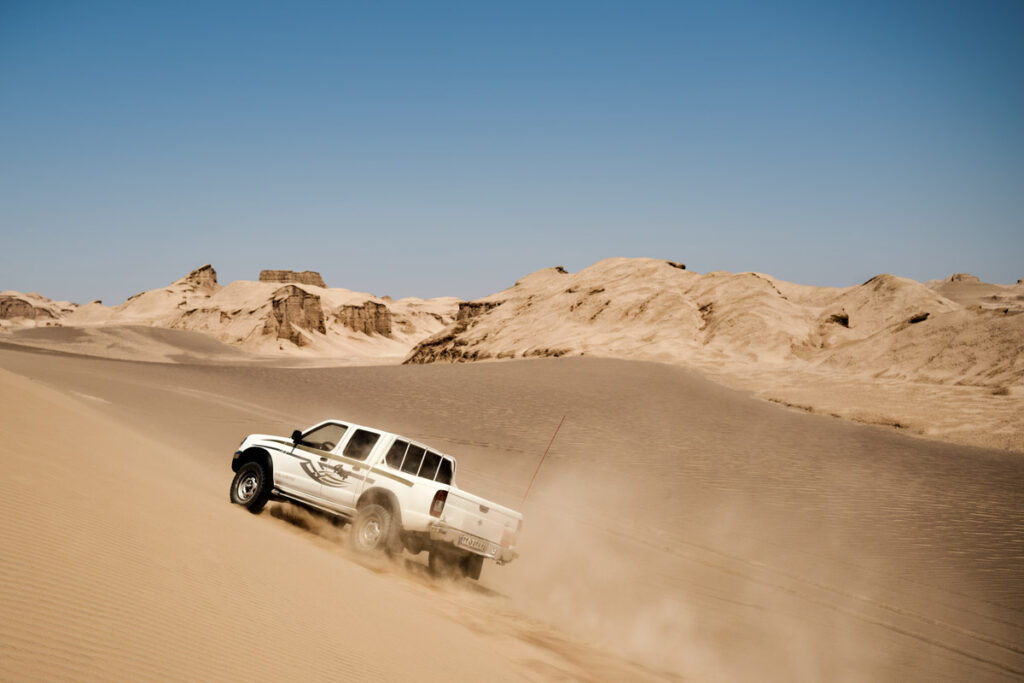
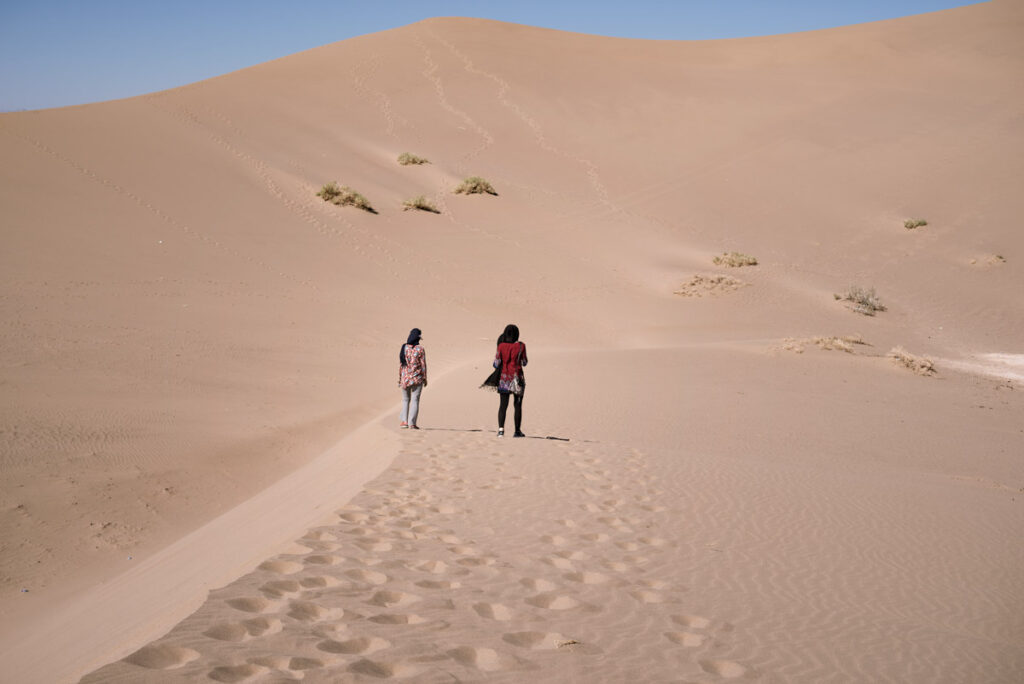
After leaving a vast plain of scrub and rocks behind us, we lower the tire pressure. The first dune lies ahead of us – and suddenly we find ourselves in the middle of a sandy no-man’s-land. The empty pickup glides surprisingly easily through the sand. Dust swirls up, the engine roars. The temperatures on this hot August morning are close to sixty degrees Celsius.
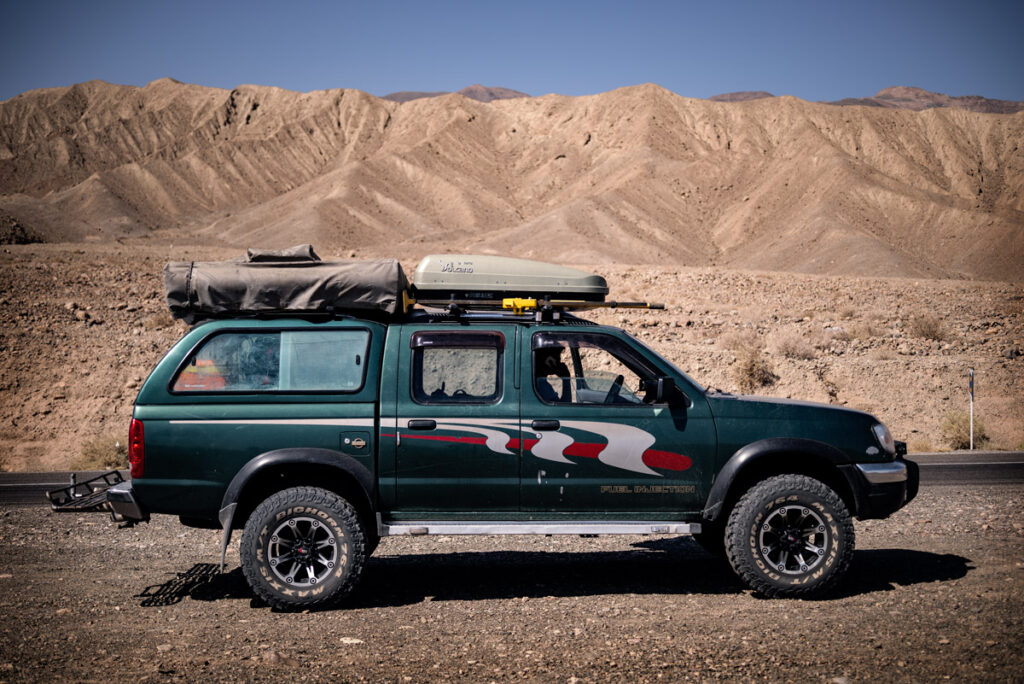
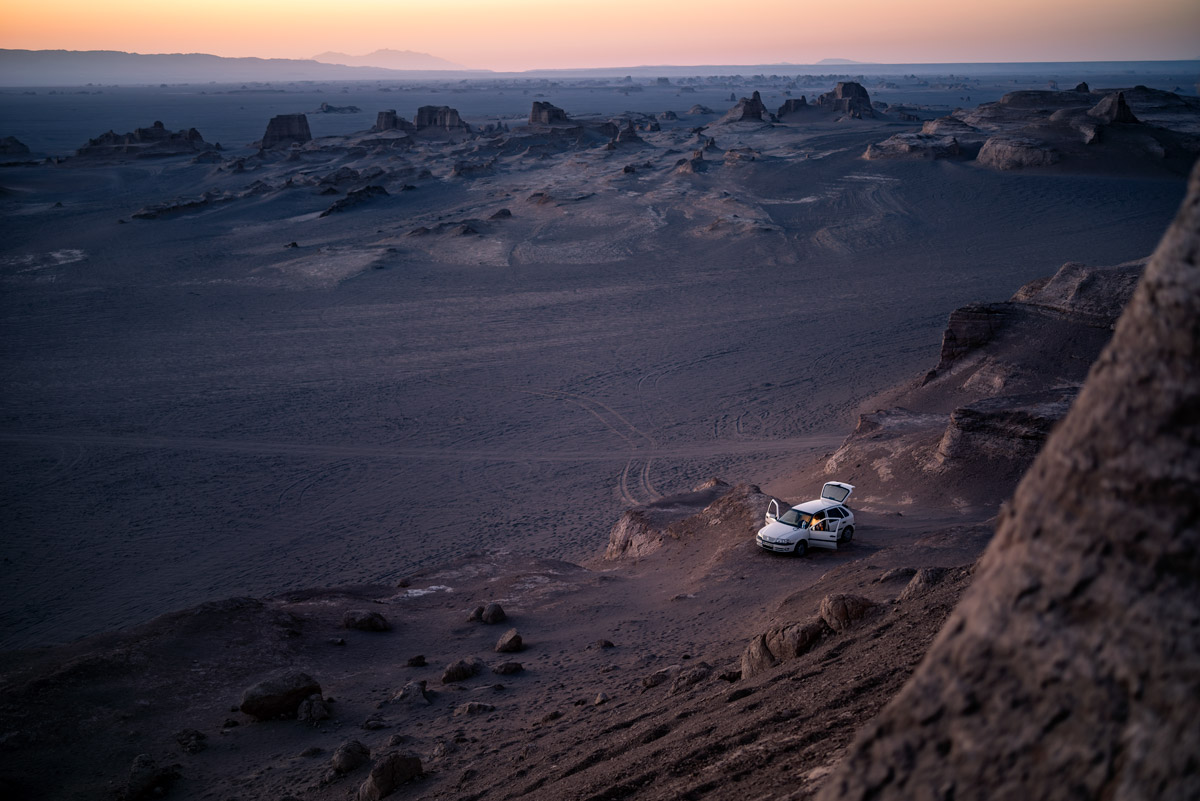
As the midday sun reaches its zenith, we rest in the tents of a small oasis. We enjoy a sumptuous meal in a cool mud-brick house: chicken, eggplant with rice, and freshly baked bread. In the late afternoon, Jeffrey stands before us again, grinning. He has traded in his off-road-capable Nissan pickup for his second car – an ordinary Golf III. He is confident that this car will take us just as far.
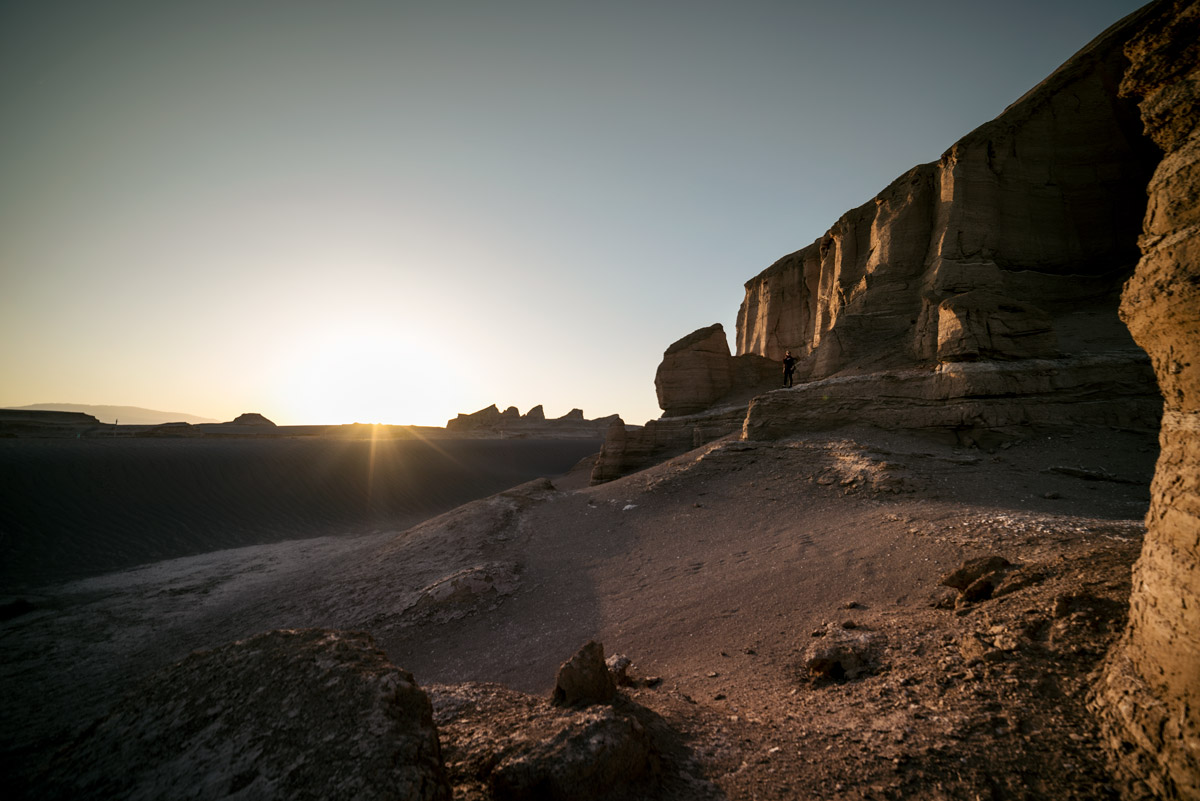
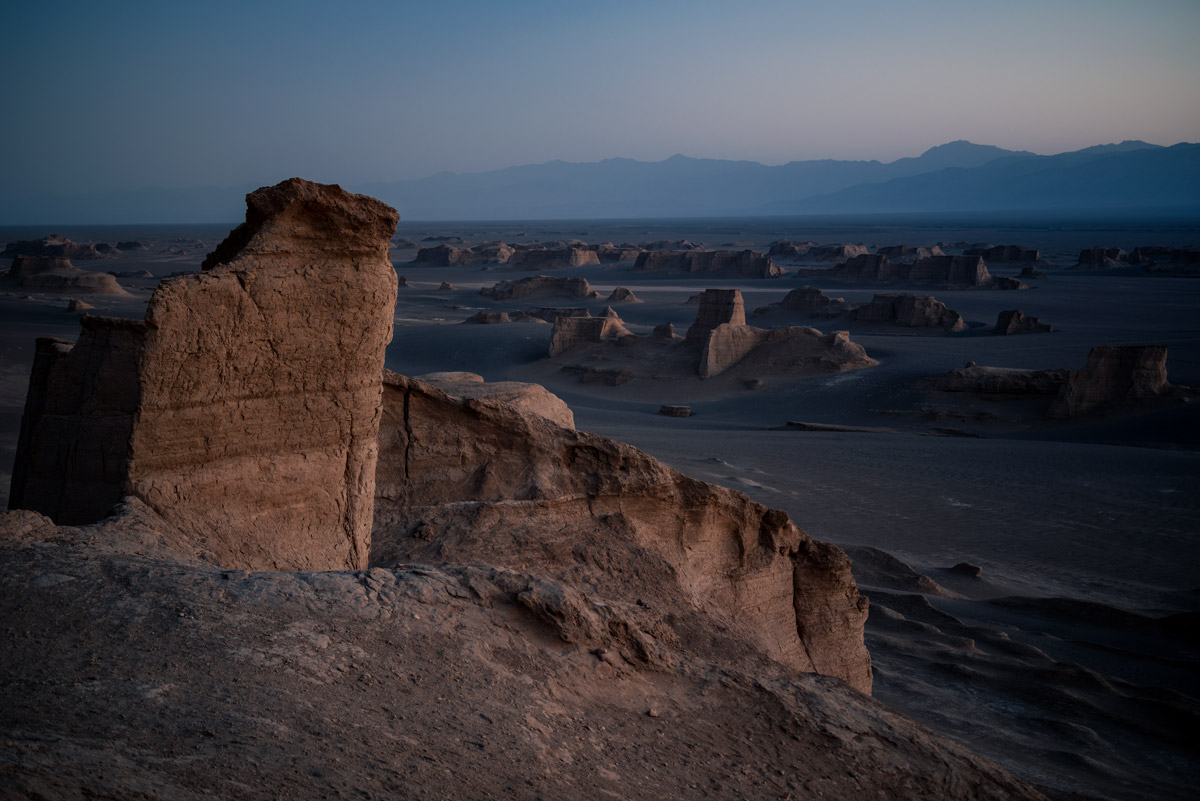
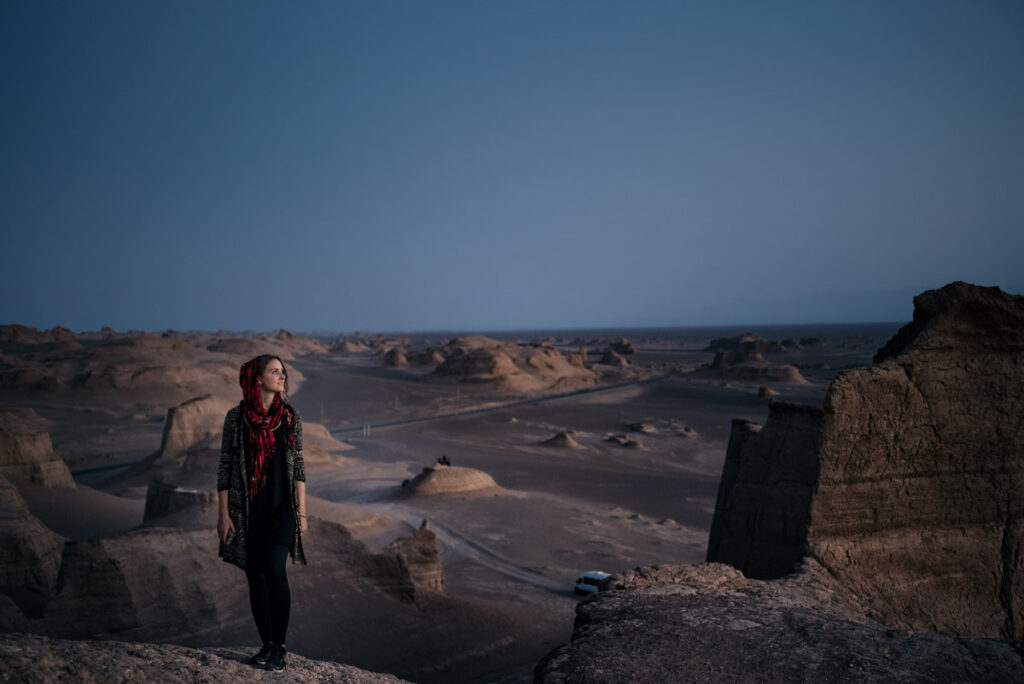
As the golden hour sets in, we stand on a kalut – a needle-shaped rock formation. There are countless of them here; they give the Dasht-e Lut its mysterious, almost Martian appearance. As we enjoy the golden light, we close our eyes. The wind gently sweeps across the ground. The silence is so complete that we can hear the grains of sand trickling. It is so quiet that our heartbeats sound like drumbeats, that we can even hear the blood rushing in our ears. No roads, no cars, no people, no planes overhead.
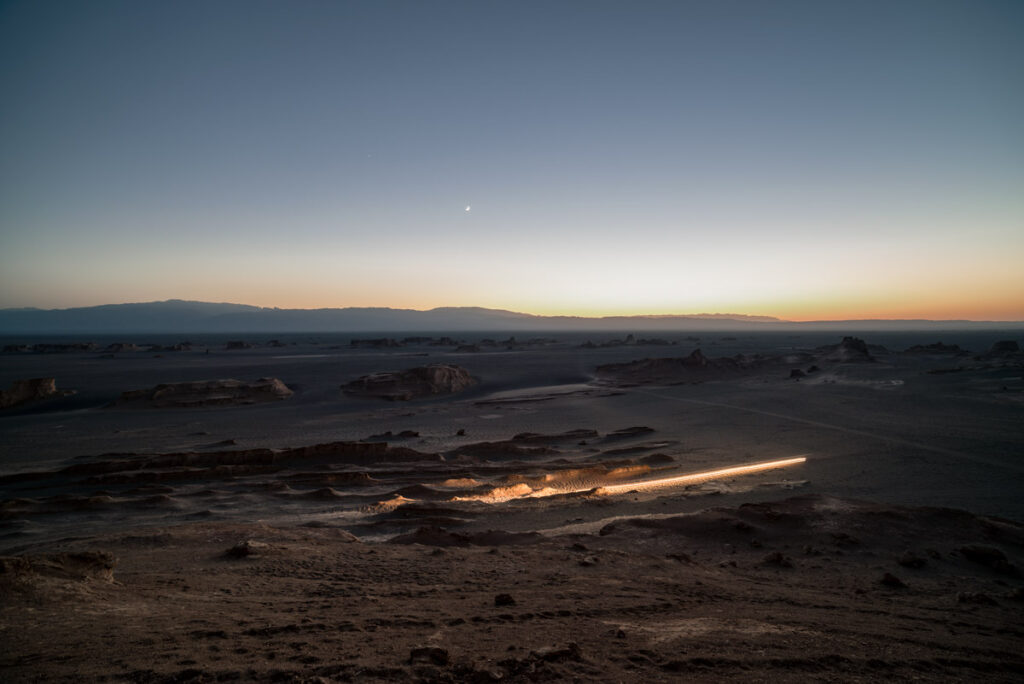
As the sun’s gold slowly turns to blue, Jeffrey struggles to drive his Golf up a steep rock formation. Our feet carry us a little further. As night descends over the land like a lightless veil, we gaze out at endless vastness. In the distance, a bus carrying a few tourists stops briefly. A little later, it too disappears into the darkness – and once again, we are alone.
Above us, the Milky Way stretches out, with billions of stars twinkling. Venus glows brightly above the horizon. We lie down in the sand and stay there well past midnight. This is the loneliest and most beautiful moment of our journey – no, of our lives.
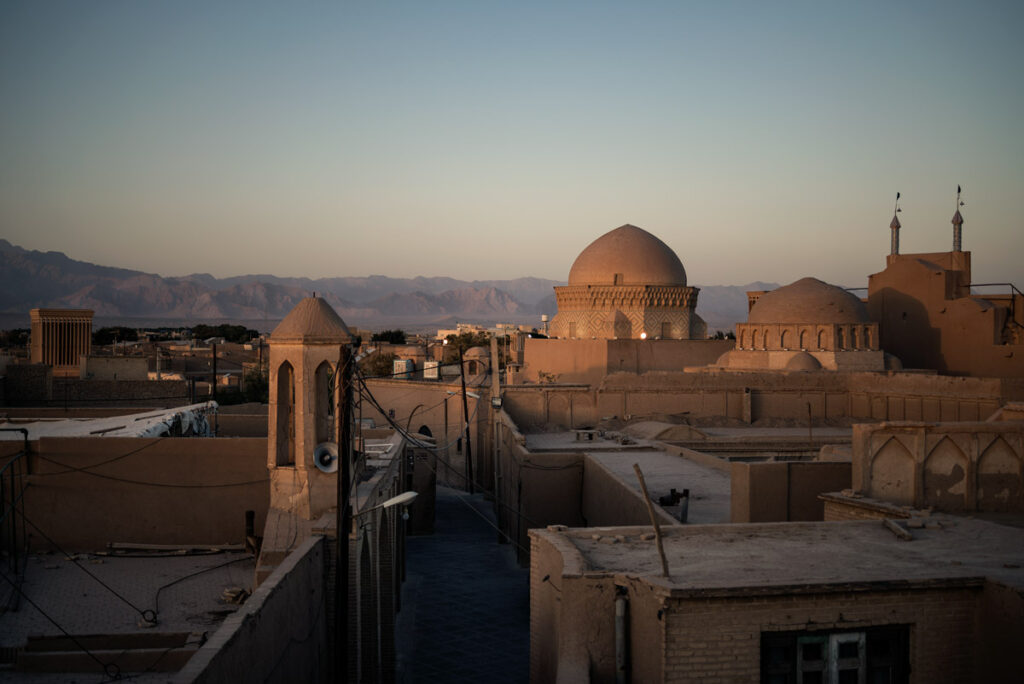
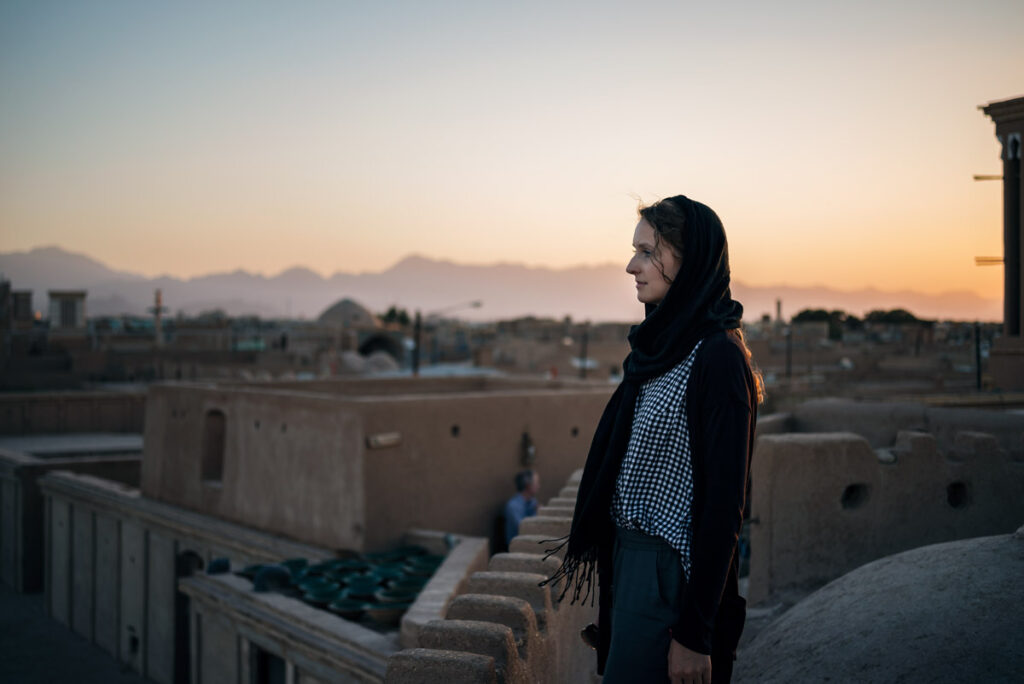
We say goodbye to Jeffrey the next day in Kerman. We step right out of his car and onto the bus to Yazd. During the ride, our thoughts linger on the desert, the star-filled night, and the silence we’d never experienced before. We pass a military checkpoint and soon after arrive in the desert city of Yazd. In the narrow alleys of the old town, we immediately feel as if we’re in another world – Star Wars’ Mos Eisley or Dune’s desert planet. From a rooftop café, we have a wonderful view of the mud-brick buildings, the wind towers, and the minarets. The buildings are ochre-colored structures made of blocks, domes, and prisms.
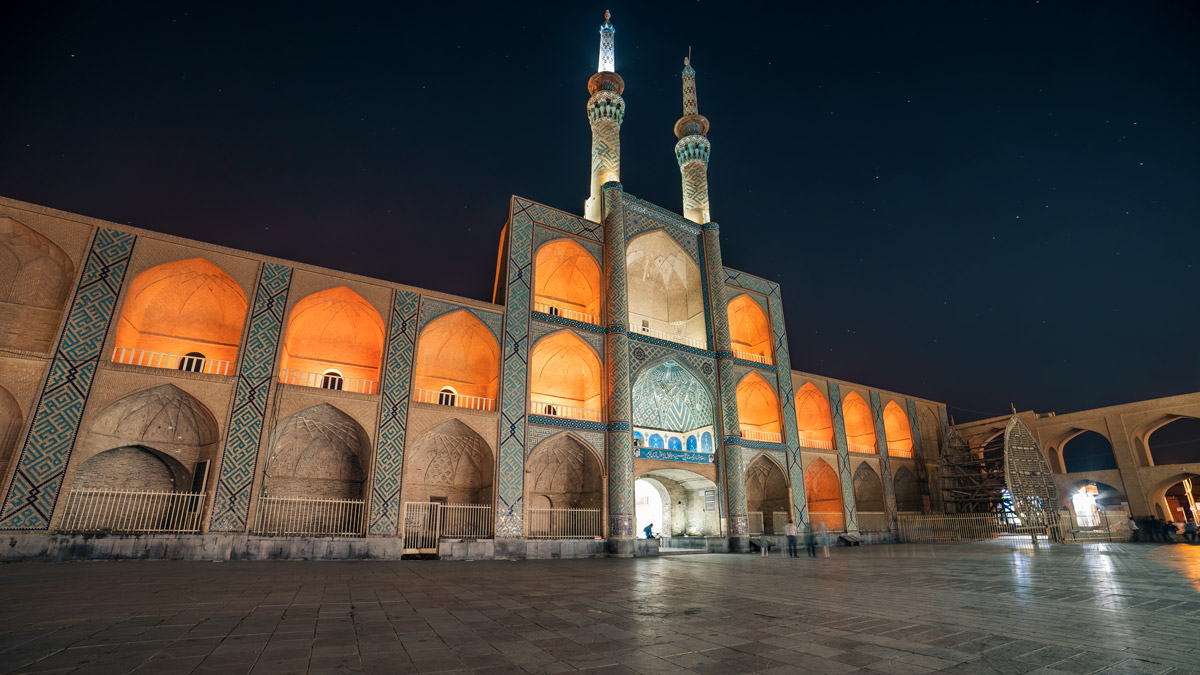
We wander through the city at night. Everything is peaceful and harmonious. Two men want to take a photo with us in front of the Amir Chakhmaq, an iconic mosque. We enjoy a special dinner at a Persian 5-star restaurant, and on the way back, a group of children invites us to a little soccer match in a backyard. Day by day, the people of Iran find a deeper and deeper place in our hearts.
The next day, the next tour. Over a leisurely lunch in a cool, shaded restaurant in Yazd’s old town, we meet Nahir. She is a tour guide and will be taking us over the next few days to places that aren’t necessarily among the classic “must-sees” listed in guidebooks – but which are all the more beautiful for it.
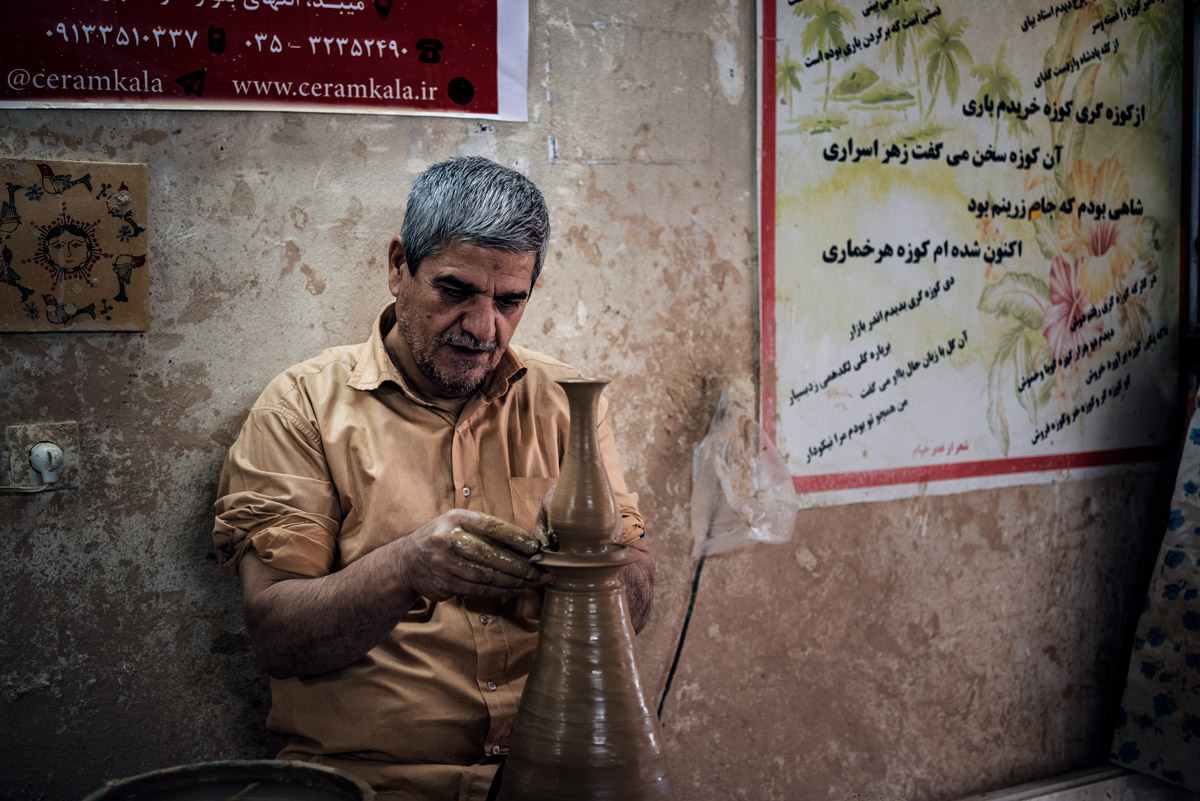
We explore an abandoned Sassanid fort in the middle of the desert. We visit Zoroastrian temple ruins and ghost towns in the mountains with seemingly endless views over barren steppes. A skilled potter shows us his craft, and we try our hand at making a vase. We spend the night as the only guests in a caravanserai in the middle of nowhere and have breakfast of hot, freshly baked bread, fresh eggs, and homemade yogurt.
We delve deep into Persian history and discover the ingenious traditional architecture that protects against the relentless heat of summer and the bitter cold of winter. In a small sandy desert, we meet a group of men who spontaneously invite us on an adventurous roller-coaster ride through the dunes in their jeep. Amidst palm trees, we drink hot mint tea and savor every single minute of our time in Iran.
Nahir takes us to an abandoned village. The houses, now almost completely in ruins, are built – like nearly all simple buildings in Iran – from a kind of clay. The ghost town looks as if it has melted away. Like a city of mud slowly dissolving in the rain. Ceilings have collapsed; walls have lost their shape. Trash is scattered everywhere, and it smells of excrement. Until recently, people likely still lived here; perhaps even today, a few poor families still reside in the ruins of this settlement. An eerie and oppressive place.
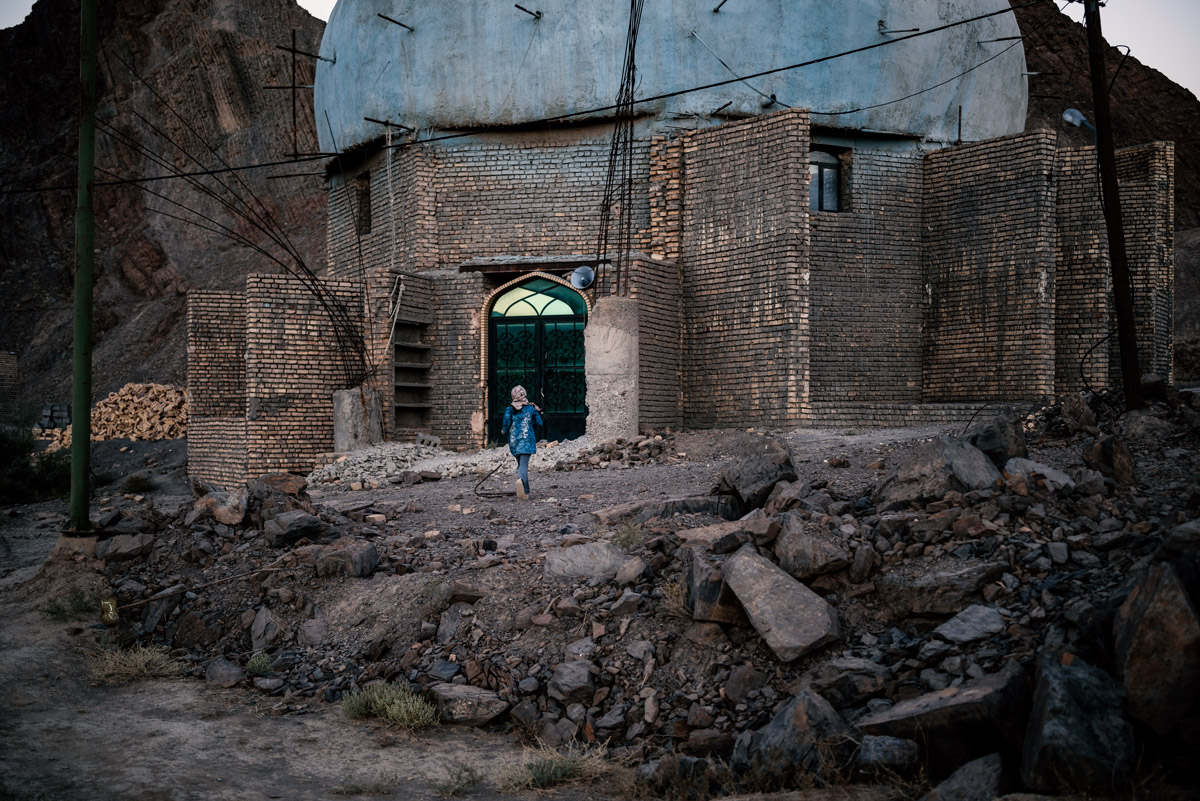
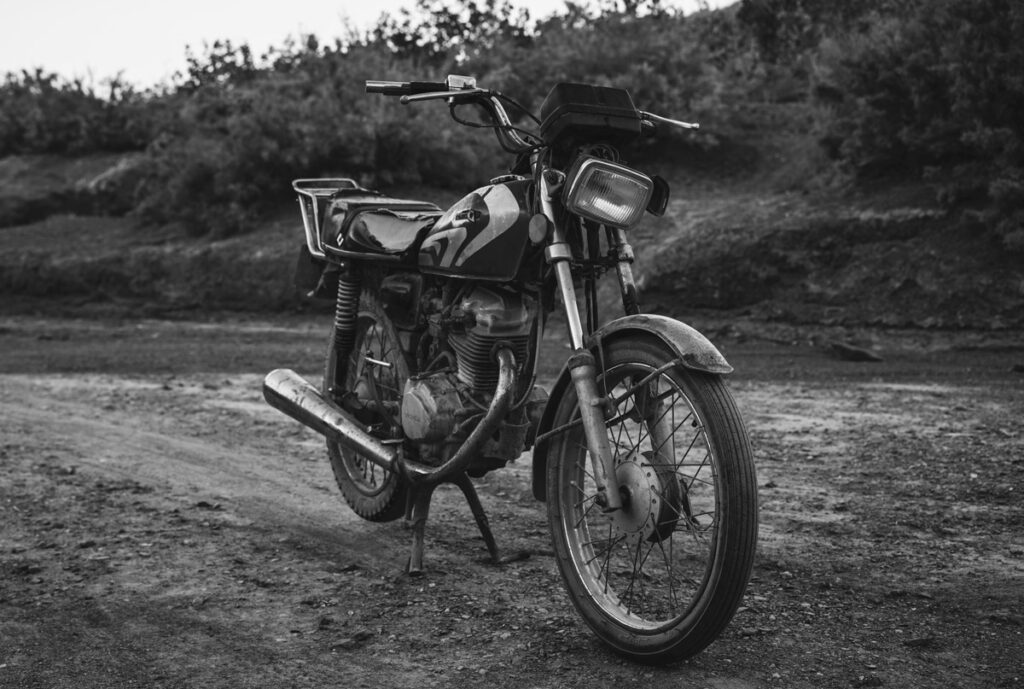
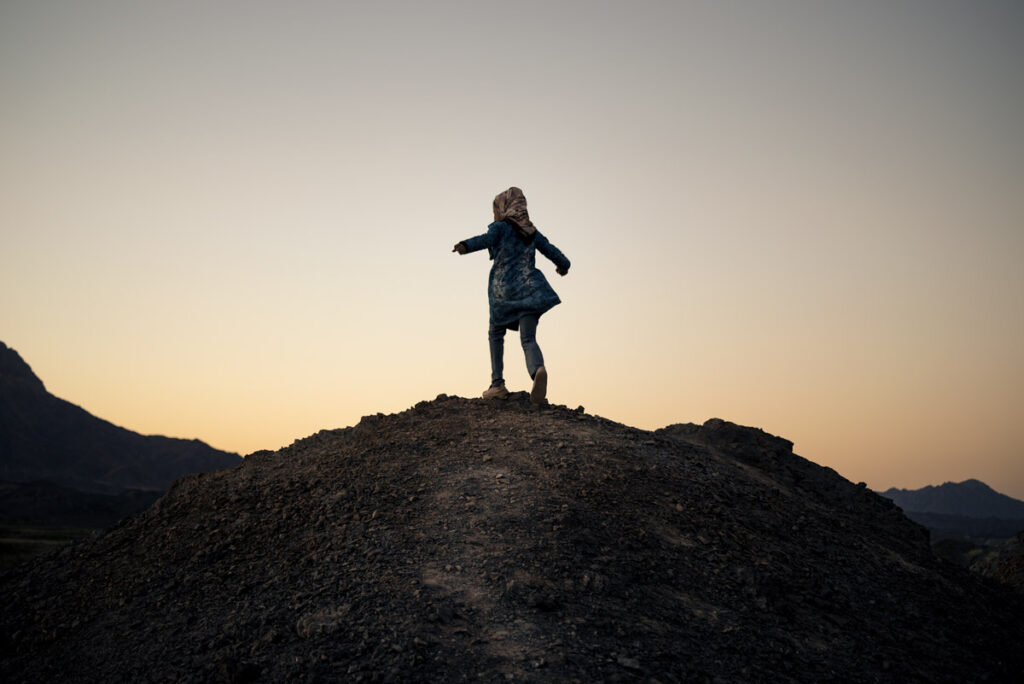
We leave the village and cross a dried-up riverbed. A shepherd has parked his old Honda there. Suddenly, a girl comes running from a nearby farmstead. She leads us to a sacred shrine – never quite finished, the site and its buildings look more like a construction site. Afterward, she playfully challenges Chris to a race, and both run up the hill. Just before they reach the summit, Chris pauses to capture the moment of her victory with the camera.
A day later, we arrive in Isfahan – our penultimate stop on this trip. The city has less charm than Shiraz or Yazd; it feels more modern and urban. After the peaceful and moving days in the desert – and in the eastern part of the country in general – we quickly feel overwhelmed here by the sheer number of impressions.
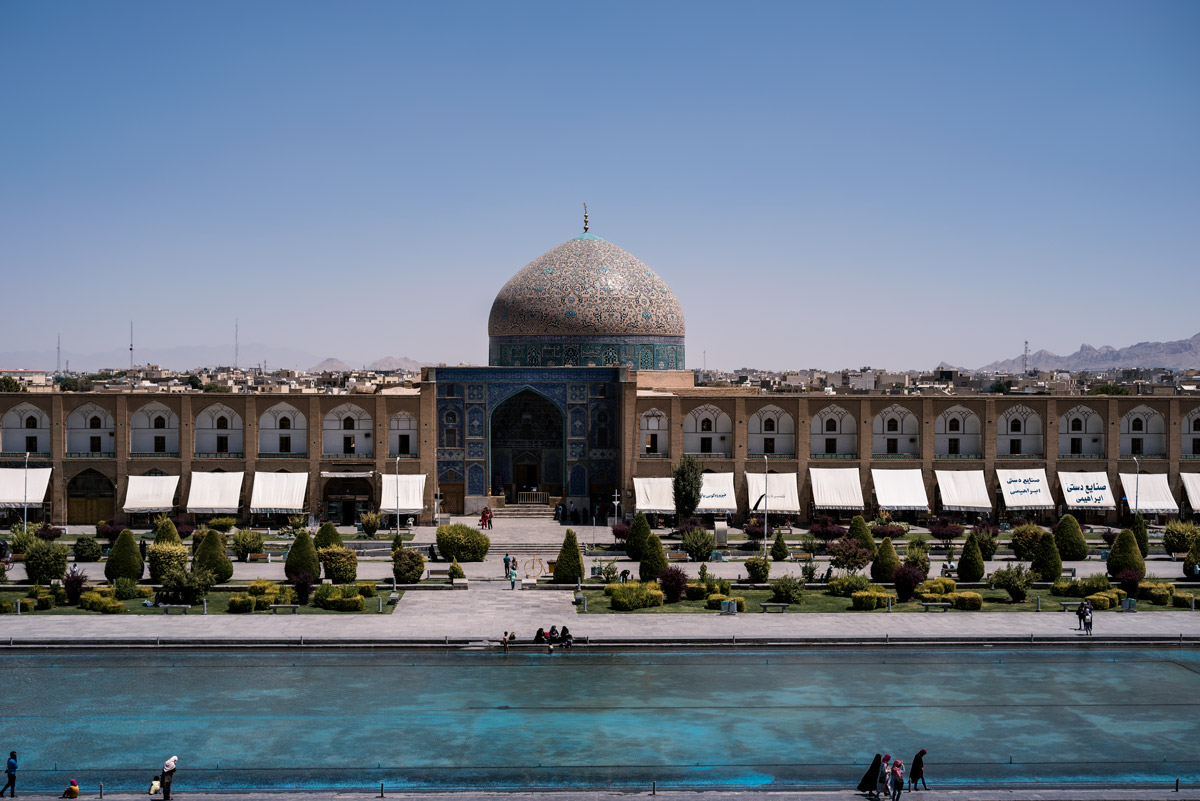
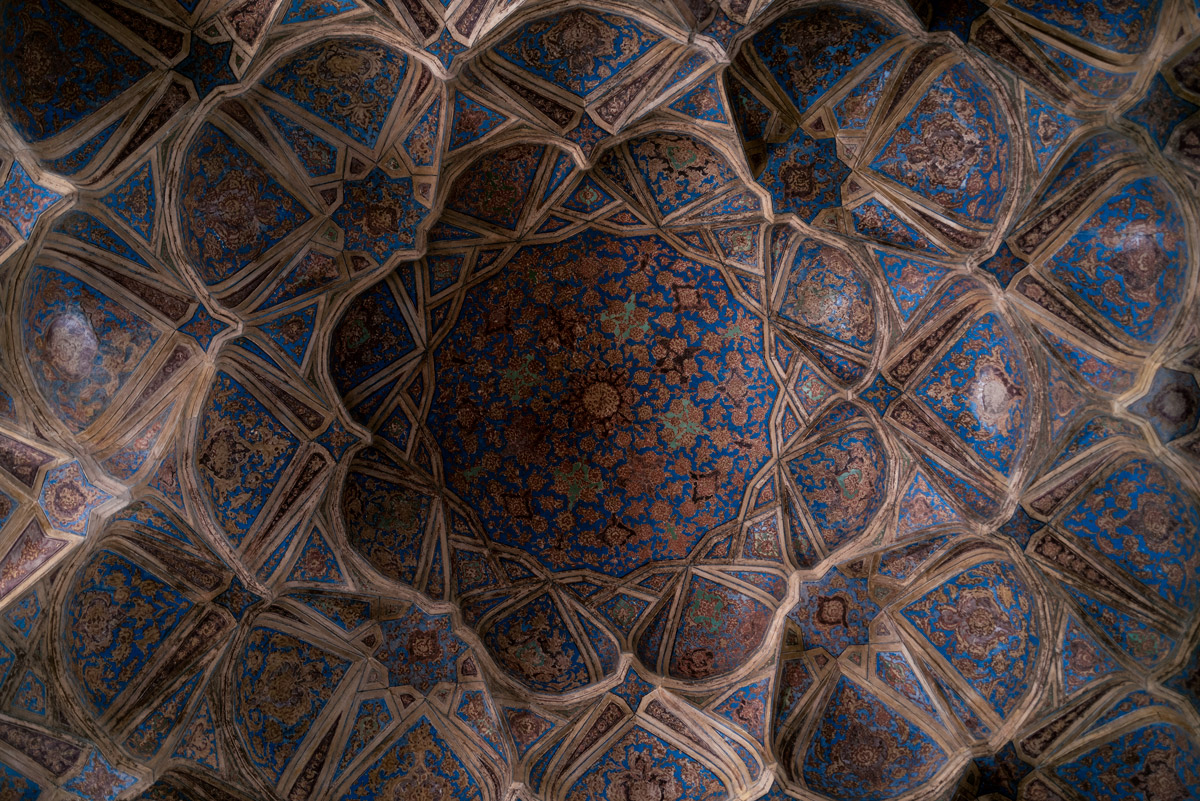
At the Mesgarha Bazaar, we get carried away and buy a Kurdish rug. Endless rows of market stalls stretch around Naqsh-e Jahan Square – one of the largest squares in the world, located in the center of Isfahan. Horse-drawn carriages ferry tourists, while a magnificent blue mosque and the Ali Qapu Palace invite exploration. Artistic ceiling paintings, delicate ornaments and mosaics, colorful flowers, and small oases of tranquility let us dream of the former grandeur and splendor of the Persian Empire.
A short while later, we walk down to the Zayandeh River. In August, it has completely dried up. A two-story bridge, beautifully illuminated in the evening, spans the stony riverbed with 33 arches. Three little boys are playing with sticks in the sand. They laugh and run off when they notice us.
In the capital, Tehran, the country’s internal divisions become particularly apparent. Here, modern youth culture, rebellion, and a well-educated generation clash with entrenched structures, a powerful bureaucracy, religious laws, state control, and outdated traditions. Young people live together secretly without being married. In the privacy of their homes, many lead modern, cosmopolitan lives. In public, however, they cannot. Subways have gender-segregated sections, and the morality police patrol the streets.
Those with the right connections gain access to unrestricted internet, alcohol, and other Western consumer goods. There is the society the state would like to see – and alongside it, a hidden parallel world. Both intertwine; both exist simultaneously.
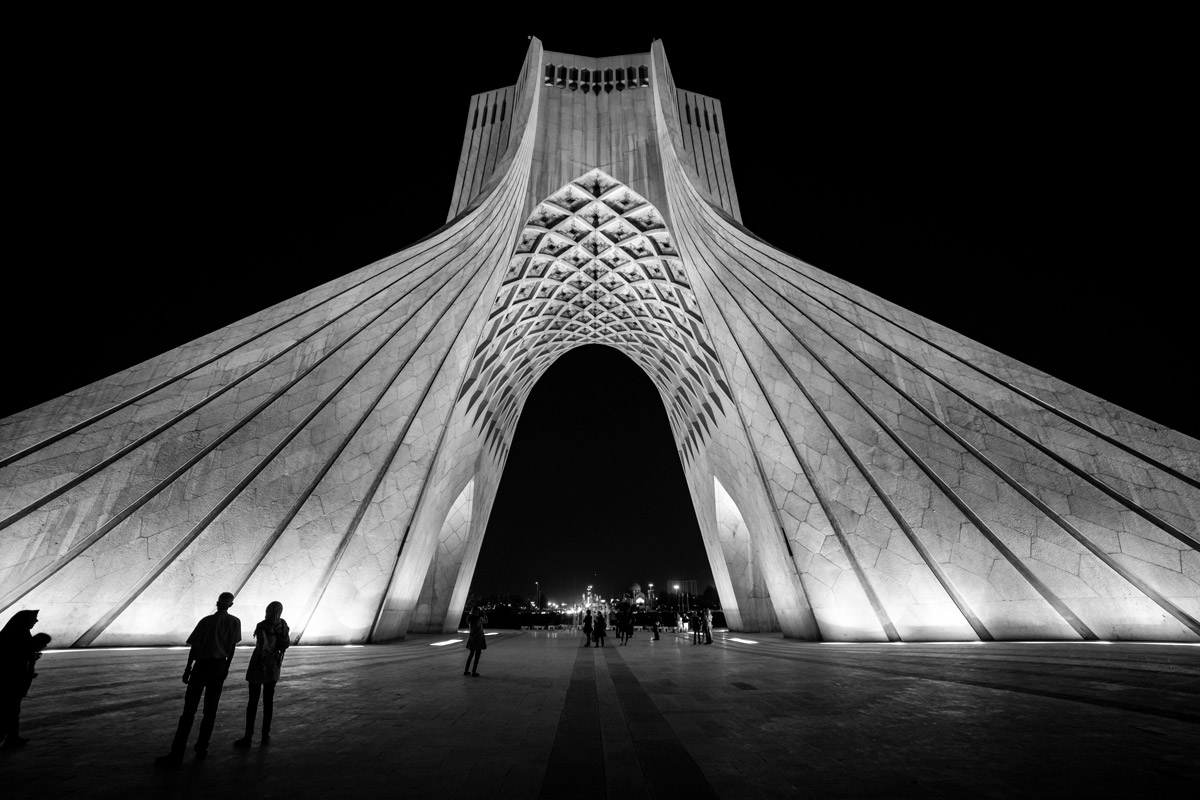
And so our days in Iran come to an end. We drift through Tehran, through this metropolis completely gridlocked and overburdened by traffic. We visit the Golestan Palace, the Azadi Tower, and enjoy the tranquility in various city parks. On the last day, we drive to the northern edge of the city to the Niavaran Palace Complex. From there, we cross the last residential neighborhoods of Tehran and follow a river along adventurous ascents and narrow gorges up into the mountains.
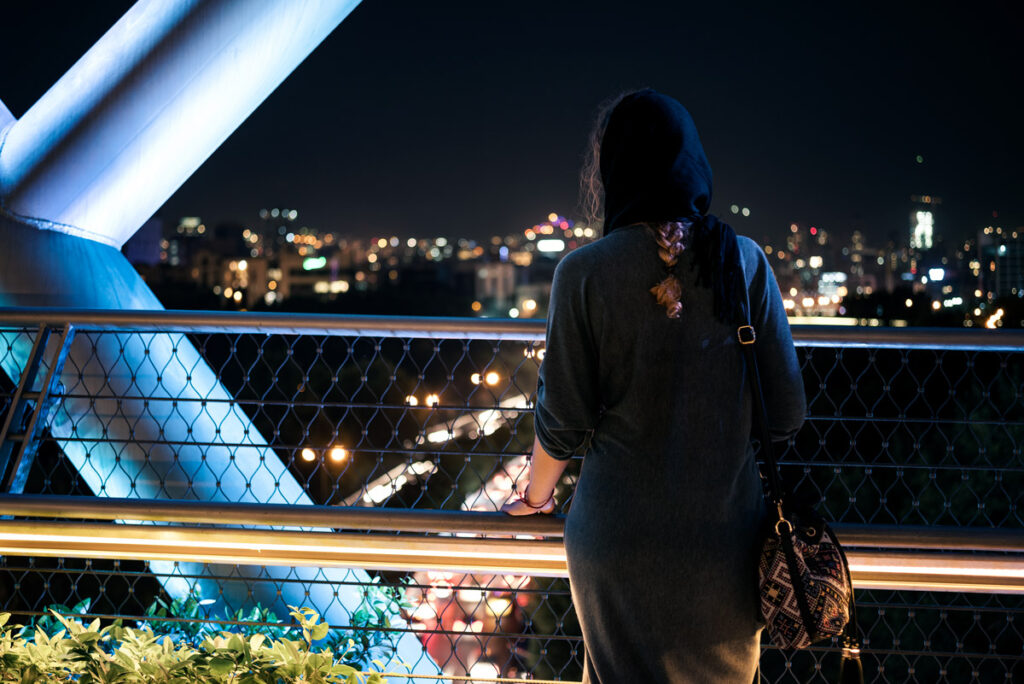
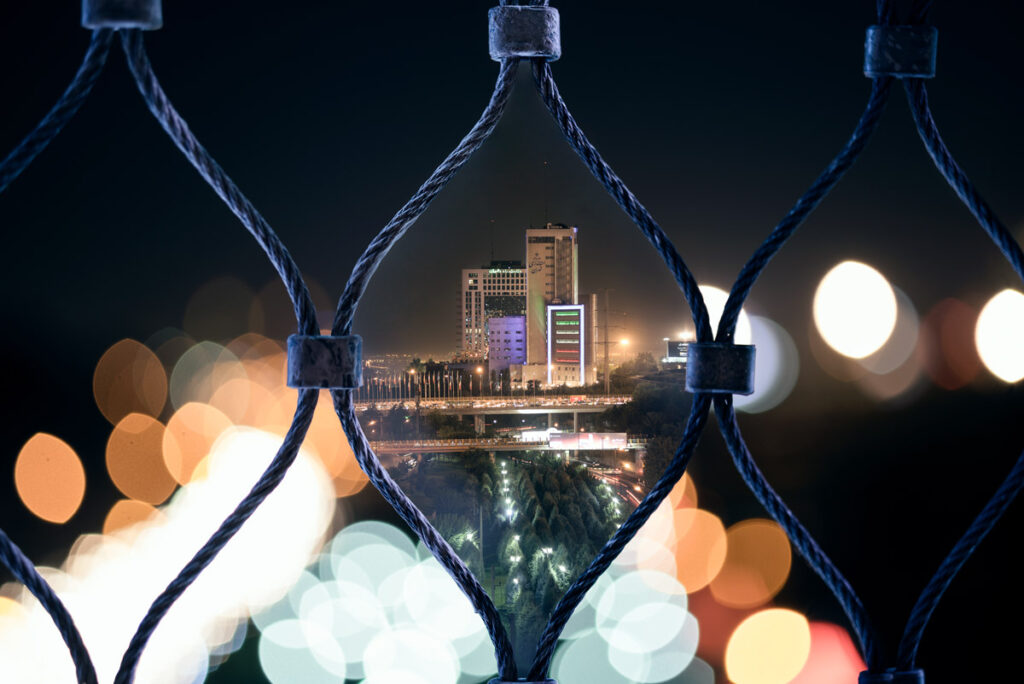
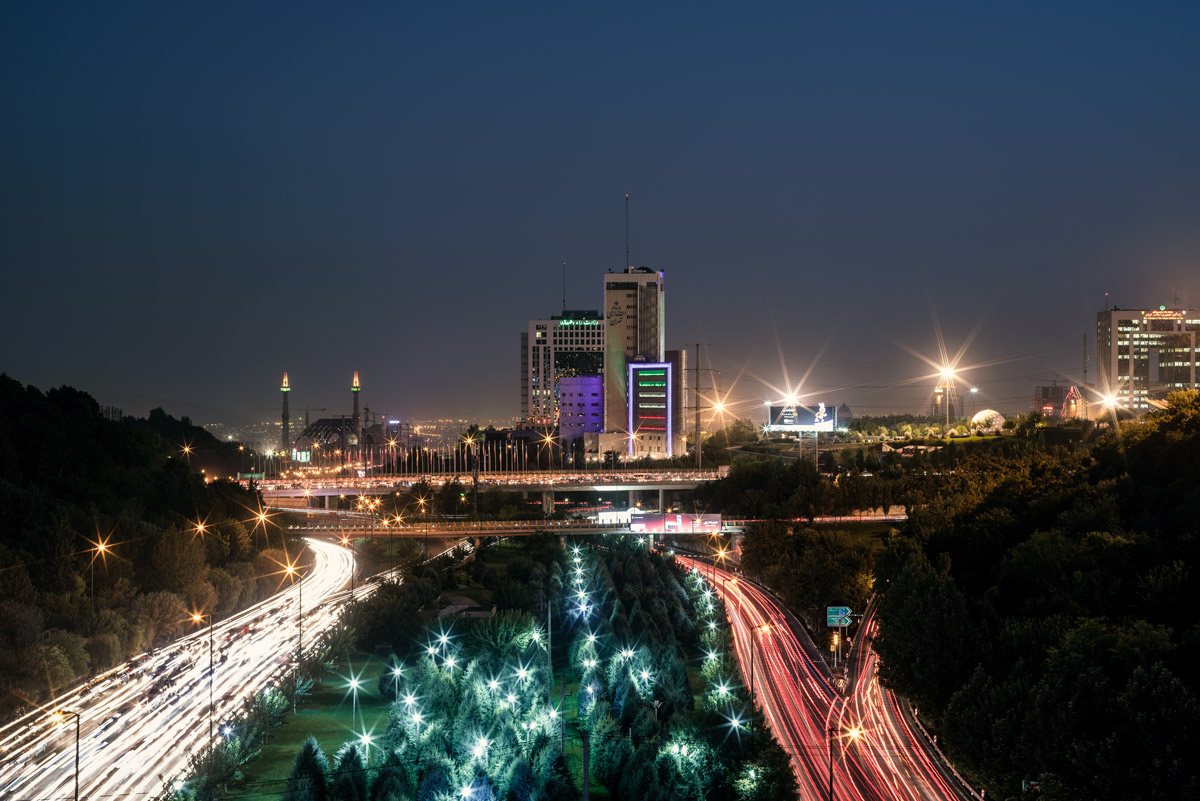
After an idyllic walk, we reach a lookout point – the destination of our hike. The rest of the way up leads over rocky, unpaved trails. It’s an adventure we don’t want to undertake today without provisions and enough water. Instead, we sit down on two sun-drenched rocks and let our gaze wander over the Tehran skyline.
Even ten years later, our round trip through Iran will remain our most impressive, most exotic, most moving, and perhaps even most beautiful journey. In no other country have we experienced such sincere and heartfelt hospitality. Although there was not a single moment of real danger, we sensed something simmering beneath the surface. Invisible lines ran through the entire country: between traditionalists and reformers, men and women, young and old, Muslims and people of other faiths, fanatics and rationalists, opportunists and people of strong character. And, of course, between Iranians and tourists.
Most of the time, we only saw the facade. We could often sense people’s worries, conflicts, and fears, but rarely address them openly. Then, glances spoke louder than words.
Thus, our memories of Iran remain vivid, colorful, and powerful. The starry sky over the desert: a memory for eternity.
Info about our trip
Our enthusiasm for Iran remains as strong as ever. For years, the country leads the ranking of our most beautiful and memorable trips. These experiences have also been verified in numerous conversations with other travelers to Iran. Almost everyone raves about the extraordinary friendliness and hospitality of the Iranian people, as well as the authentic experiences in the country, free from the unpleasant aftertaste of mass or overtourism.
As beautiful and perhaps even life-changing as a trip to Iran can be, there are still some important points you need to keep in mind. Generally speaking, we found the security situation in the country itself to be very good; nevertheless, there are recurring isolated cases of tourists falling victim to the Iranian state (keyword: “hostage diplomacy”). Furthermore, the Middle East region unfortunately experiences recurring periods of instability – most recently on a historic scale in the spring of 2026. It is therefore essential to closely monitor the situation and carefully consider a trip to Iran – especially the timing of your visit.
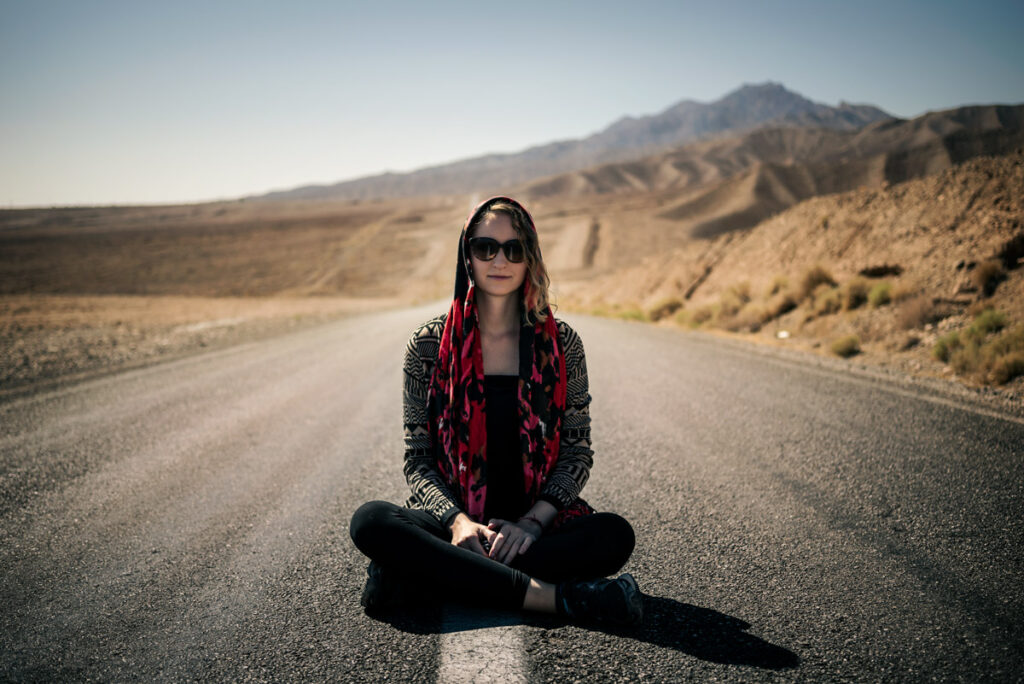
Other challenges are more logistical and cultural in nature: Since Iran is largely excluded from the international SWIFT system, you’ll need to bring enough cash with you and exchange it once you arrive. Internet access is partially restricted, you’ll need a relatively expensive visa to enter the country, and you can expect a noticeable culture shock once you’re there. This starts with dress codes – women must wear a headscarf in public, though a loosely worn scarf in the style of a Manto-Rusari is usually sufficient – and extends to regulations that are not always easy for outsiders to understand. For example, some buildings or sites may not be photographed, or may only be photographed without a tripod. In addition, there are gender-segregated areas in public spaces, such as in parts of the subway. Many of these rules may seem unfamiliar to travelers at first. To avoid misunderstandings or serious problems, it is therefore advisable to research thoroughly in advance and, when in doubt, ask again just to be sure.
Iran is generally a very affordable travel destination. You can often find both good food and accommodations at surprisingly low prices. The most economical way to travel is by the comfortable intercity buses, which reliably connect the major cities.
But even if you prefer more privacy and comfort, costs usually remain manageable: private drivers or guides can often be hired at fair daily rates and allow for highly personalized travel experiences. Domestic flights and international connections to Iran are also often comparatively inexpensive – depending on the season and political situation.
Keep in mind, however, that prices can fluctuate significantly at short notice due to inflation and currency fluctuations. Since international credit cards generally do not work in Iran, you should bring enough cash in euros or U.S. dollars and exchange it locally.
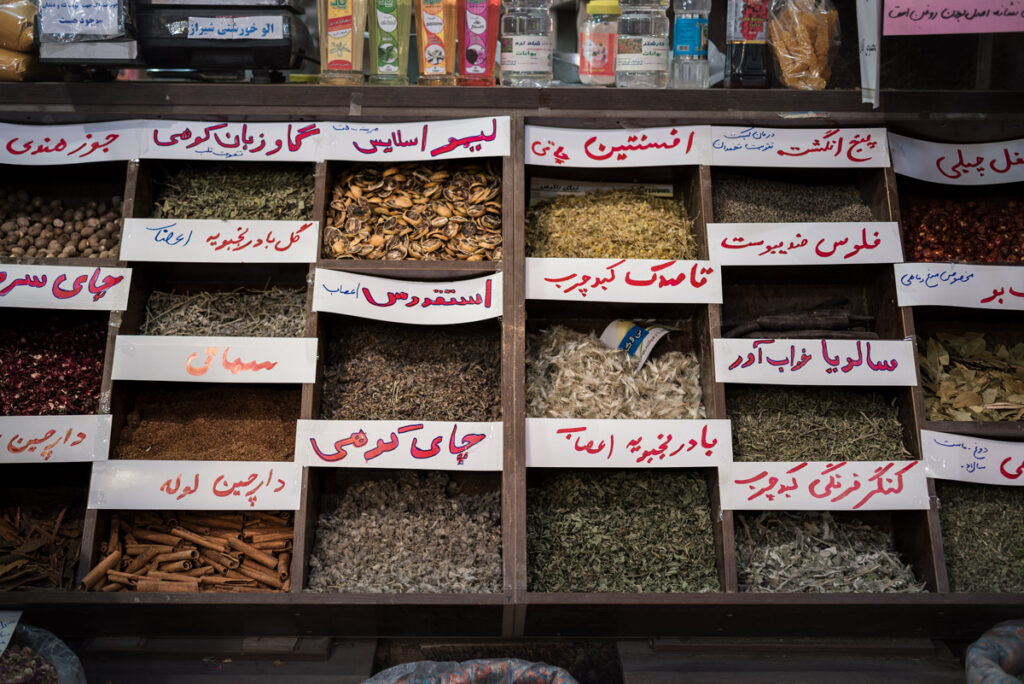
We believe Persian cuisine is one of the most underrated cuisines in the world. Many dishes appear simple at first glance, but then surprise you with delicate spices, fresh herbs, and an incredible variety of flavors. Particularly typical are various rice dishes, juicy kebabs, braised meat, eggplant, yogurt, pomegranate, saffron, and freshly baked flatbread.
These are almost always accompanied by tea, dates, or sweet desserts. You won’t find alcohol in public, however; instead, rosewater, mint tea, or freshly squeezed juices are part of everyday life.
Eating out in Iran is usually surprisingly affordable and, at the same time, an important social part of life. Especially in traditional restaurants or small family-run establishments, you’ll often experience great warmth and hospitality.
Due to international sanctions, it is not always possible to use common online hotel booking platforms or to pay for accommodations in advance with a credit card. However, you have two practical alternatives: Either use search engines to find suitable hotels in the cities you plan to visit and contact them directly, or use one of the many Iranian hotel booking platforms. Payment is usually made upon arrival at the hotel.
We stayed at some truly unique guesthouses and hotels in Iran – the standard ranged from very basic to breathtakingly beautiful. Especially in the cities, you’ll find magnificent accommodations or small inns that could have come straight out of One Thousand and One Nights: rooms decorated in an oriental style, ornate courtyards full of flowers, and shady retreats that invite you to linger.
In the desert, on the other hand, there are beautiful caravanserais, most of which are rather basic and some with subpar bathrooms. They make up for this with stunning locations and a unique starry sky at night. None of these options have to be expensive – you can find something suitable for almost any budget.
One final note: On a few occasions, we slept on the floor on fairly thin mats. If, for health reasons, you can’t or don’t want to do without a proper bed, you should make sure when booking that your room is actually equipped with a standard bed.
Contrary to many preconceptions, we found Iran to be an exceptionally safe place to travel in our day-to-day experiences. Whether in major cities or remote regions, we always felt welcome and safe. Violent crime against tourists is relatively rare, and people were often exceptionally helpful.
Nevertheless, Iran remains a politically sensitive country. Certain behaviors, such as taking photos in sensitive locations or making political statements, can have serious consequences. Additionally, the foreign policy situation can change at short notice. Therefore, be sure to stay informed about the current security situation before and during your trip, and consistently respect local laws and cultural norms.
Admittedly, we traveled through Iran back then without children. Still, we can easily imagine just how enriching a trip through Iran must be with children. Children will likely open every door for you there – and you’ll almost certainly be welcomed as a family with extraordinary warmth. Iranians are a very family-oriented people; family and children hold an extremely high social status.
A typical opening question in conversations is often: “How many children do you have?” Answering that you don’t want children often elicits irritated reactions. The only correct answer if you are childless is: “I don’t have any children yet.” Social expectations regarding family and children are very strong – and that is exactly what you sense when interacting with traveling families.
However, we can only make limited statements about child-friendly infrastructure. In the larger cities, the infrastructure is generally quite modern, so you should be able to find much of what you need for daily life. In rural areas, on the other hand, amenities may be significantly more limited.
We didn’t drive ourselves around Iran in 2017. However, here’s what we gathered: Driving in Iran should generally be possible without major difficulties – though the traffic in Tehran seemed downright suicidal to us at times. In general, Iran is a popular destination for SUV drivers, motorcycle travelers, and overlanders.
However, you should be cautious when it comes to technical equipment. Security authorities sometimes react sensitively to radios, GPS technology, drones, or extended trips into remote desert regions. Therefore, be sure to find out in advance what equipment is permitted and whether certain areas may be legally accessed by vehicle. In particular, the use of drones has repeatedly caused problems with the authorities in the past.
Otherwise, Iran is excellent to explore via comfortable overland buses or domestic flights. Private drivers can also be a very good and comparatively affordable alternative – especially for day trips or more remote destinations.
There are countless books on Iran, so it’s hard to recommend a specific one. Whether you’re interested in society, politics, history, or just a good travel guide – the selection is huge.
- We traveled using the Bradt guidebook on Iran and were very satisfied with it. In recent years, however, we have come to appreciate the guidebooks published by Reise-Know-How – they also have a guide to Iran, though it was last updated in 2017
- Cultural studies scholar Gerhard Schweizer offers a comprehensive introduction to the country and its people in Iran verstehen: Geschichte, Gesellschaft, Religion
- Fariba Vafi is one of the most prominent contemporary authors in Iranian literature. Her novel Tarlan won the German LiBeratur Prize in 2017
