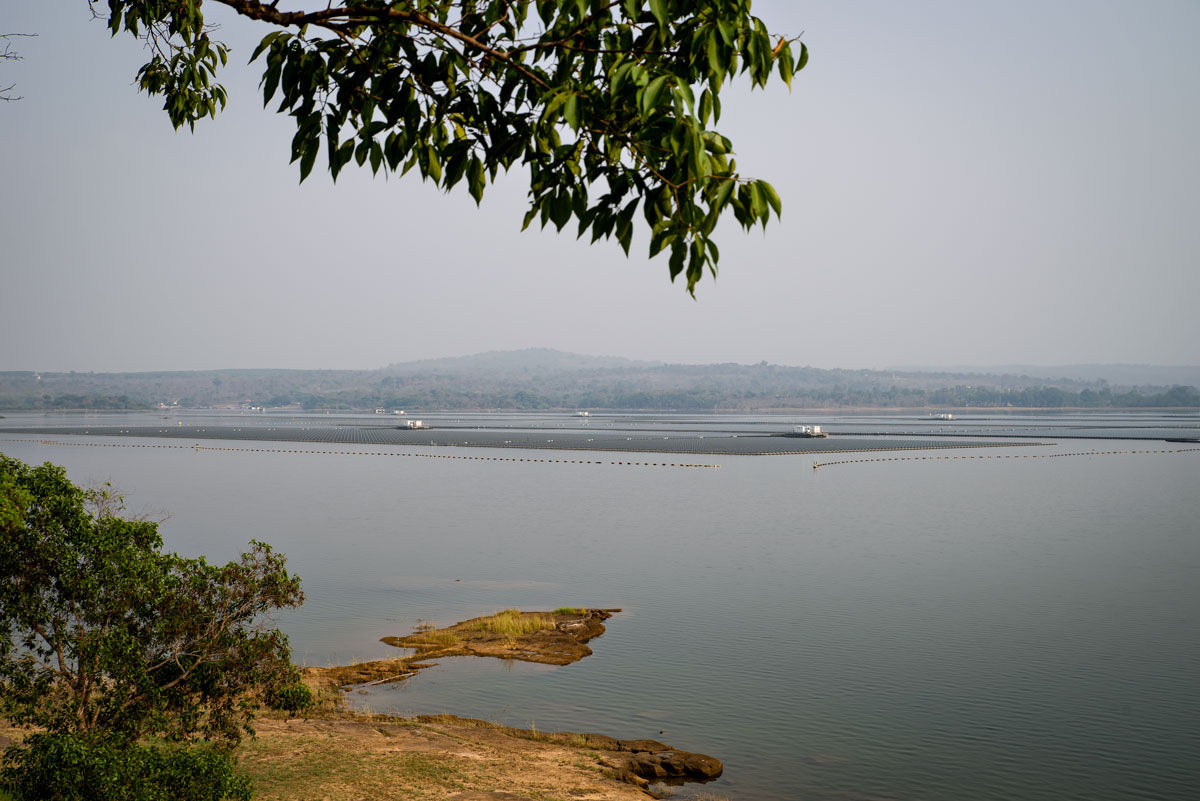
If you cross Isaan in its entire width, you will reach Thailand’s easternmost province: Ubon Ratchathani, surrounded by Laos and Cambodia. The Mun River and the mighty Mekong converge here. Dusty plateaus in the east and evergreen rainforest in the south border the region and have earned it the name “Emerald Triangle.” Here you will find canyons and prehistoric wall paintings. A gigantic solar power plant floats on the artificial dammed lake behind the Sirindhorn Dam. Breathtaking temples attract those seeking retreat and believers, bringing money and tourists to the region.
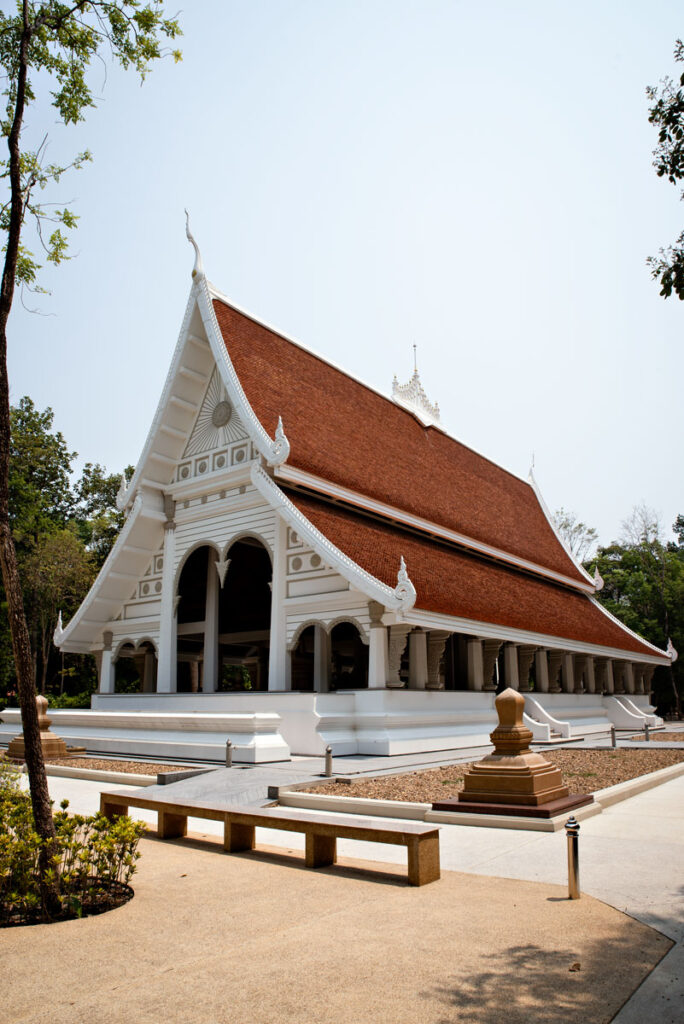
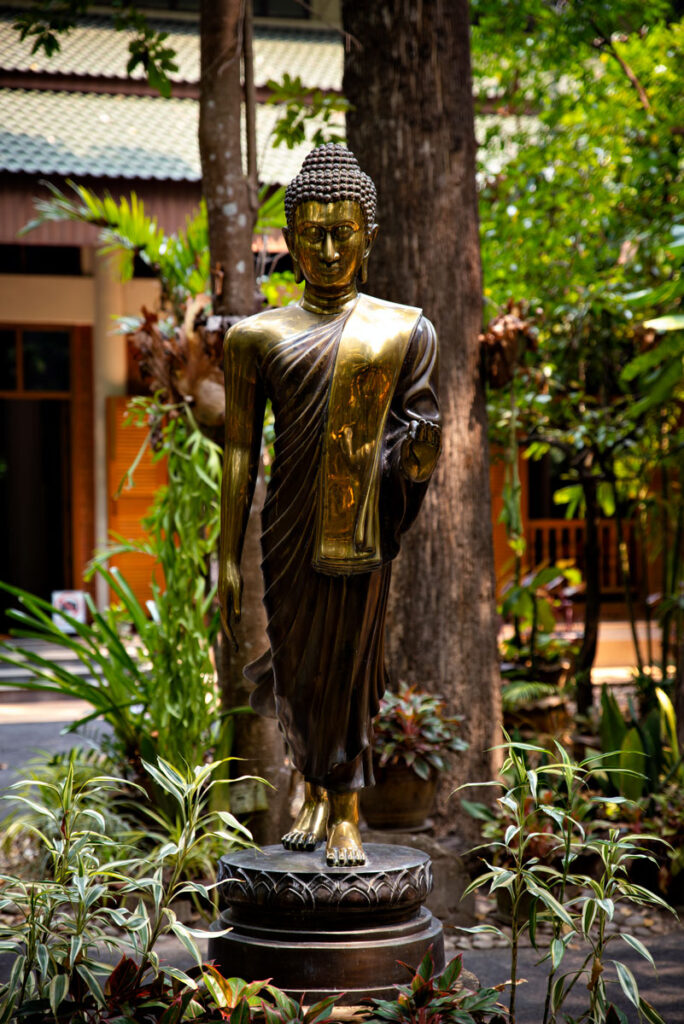
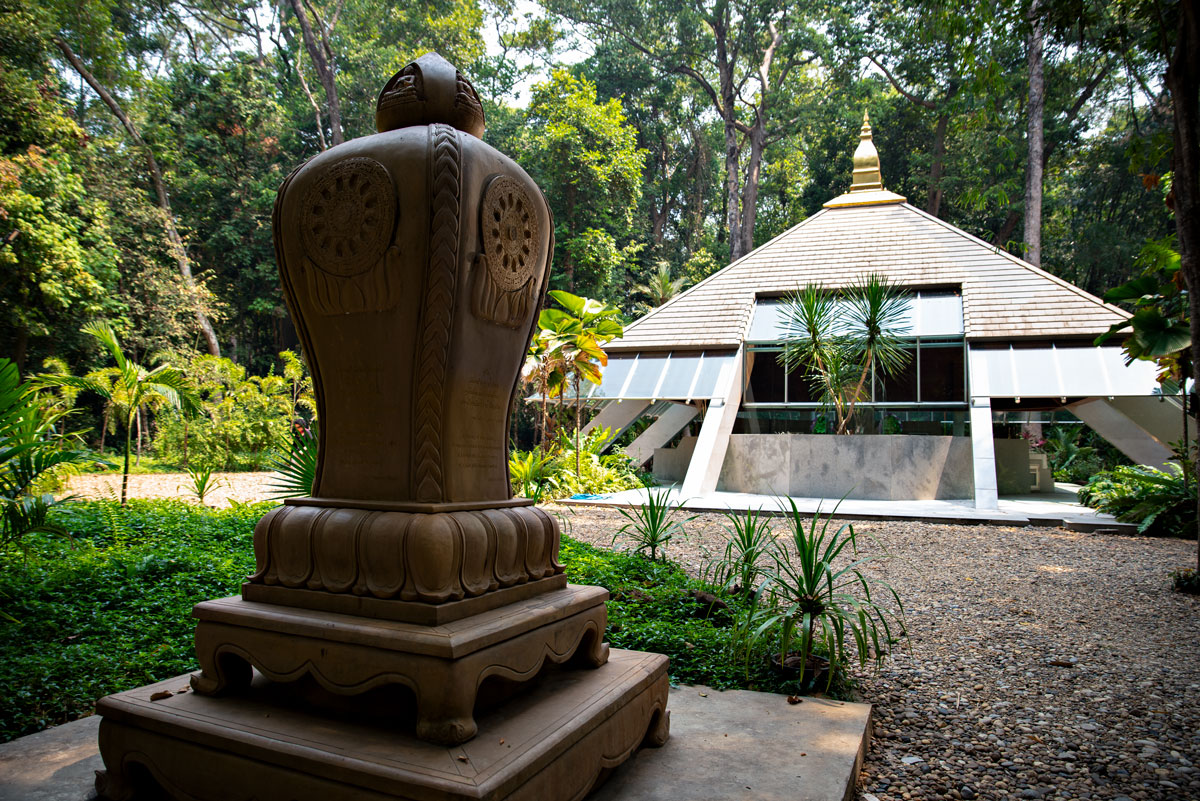
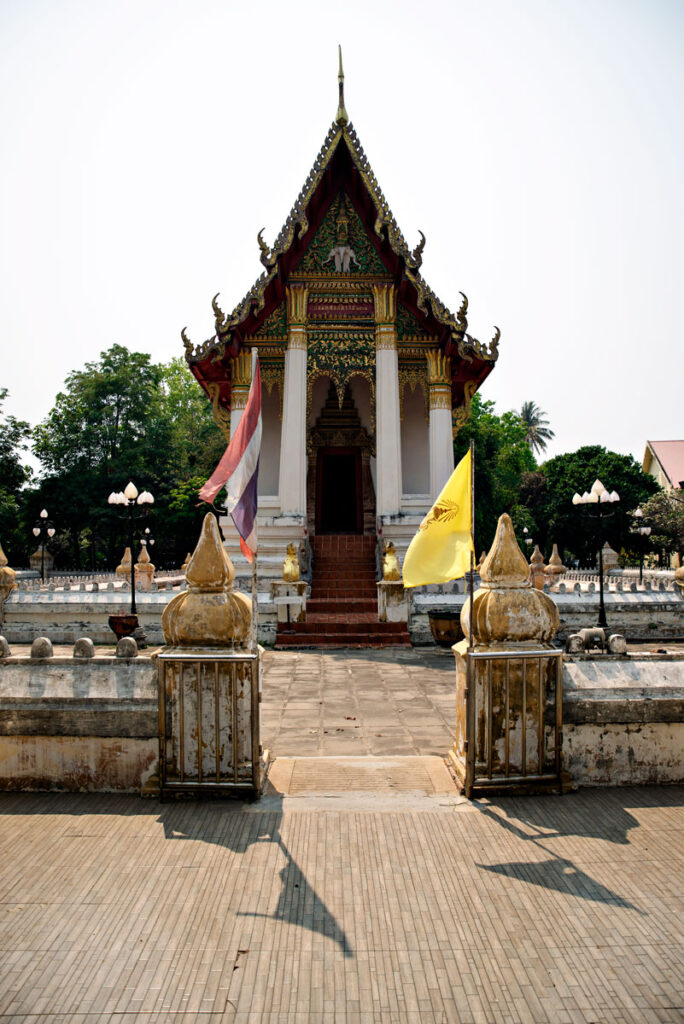
Our first stop is at the forest monastery Wat Pah Nanachat. The well-maintained temple complex is idyllically scattered in the jungle near the provincial capital of Ubon. It is slightly cooler between the tall, old trees than on the dusty roads, but the humidity is much higher. Buddhists from all over the world come here to meditate and develop their faith. The temple welcomes anyone who is willing to practice the simple life of the monks for at least three days, or better still, a whole month. A life without media, electronics, alcohol, cigarettes, consumerism – completely without any comforts. One meal a day, hours of concentrated meditation.
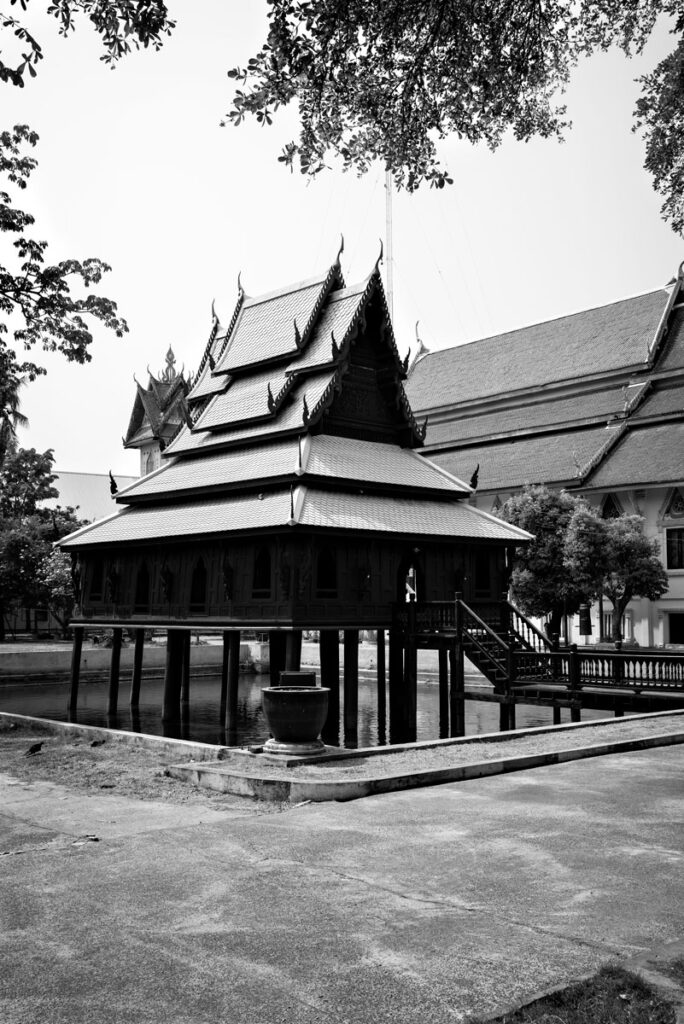
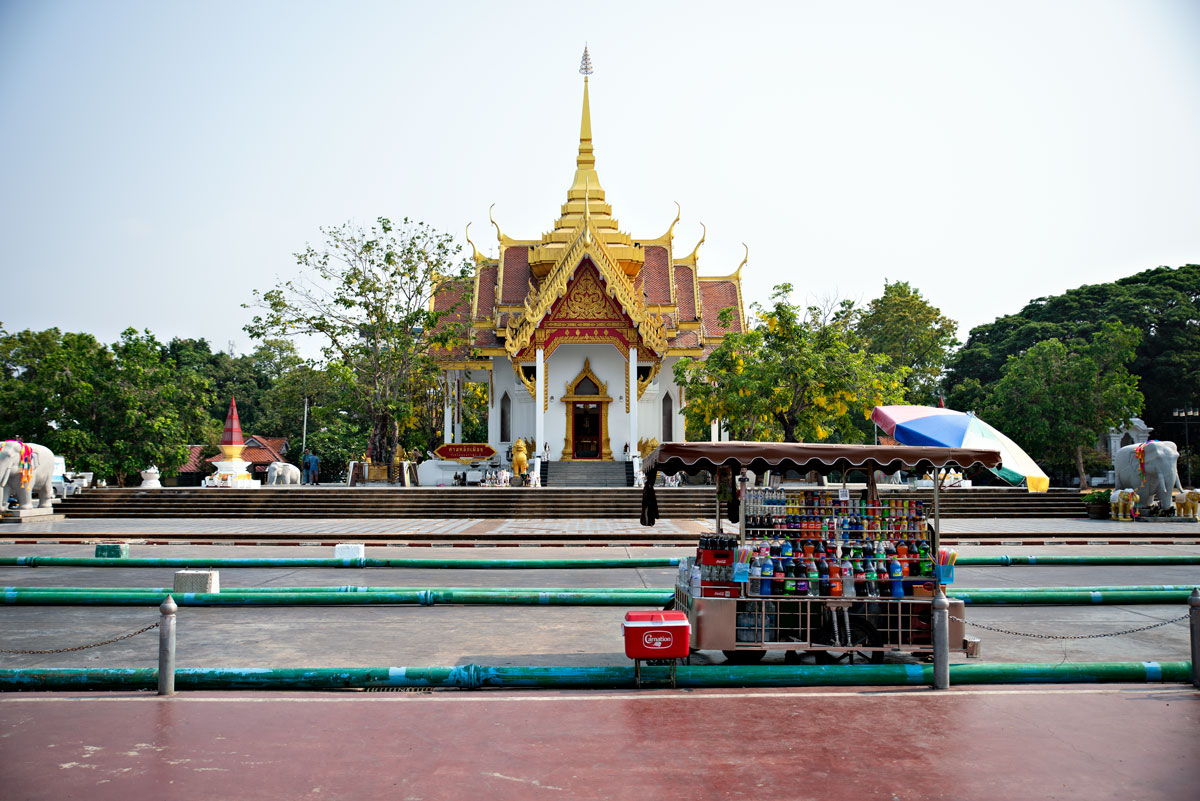
It is hot, with the thermometer showing well over 40° Celsius. The road shimmers, and the provincial capital of Ubon Ratchathani is deserted. A silent monk sits in the shade of the Thung Si Mueang temple shop in the city center and watches our footsteps. The temple contains a teak building surrounded by water and built on stilts – a centuries-old library with Buddhist scriptures wrapped in cloth. One block away is the city park. A golden ship monument, fitness equipment, and a playground. Women wrapped in scarves – for protection from the sun – sweep the paths and collect trash.
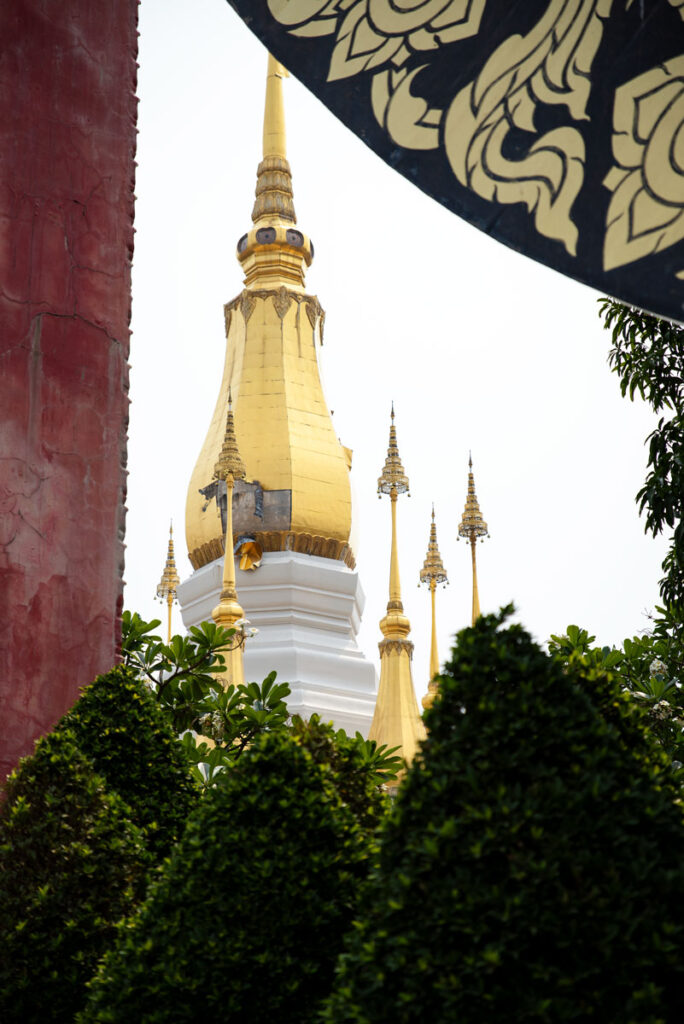
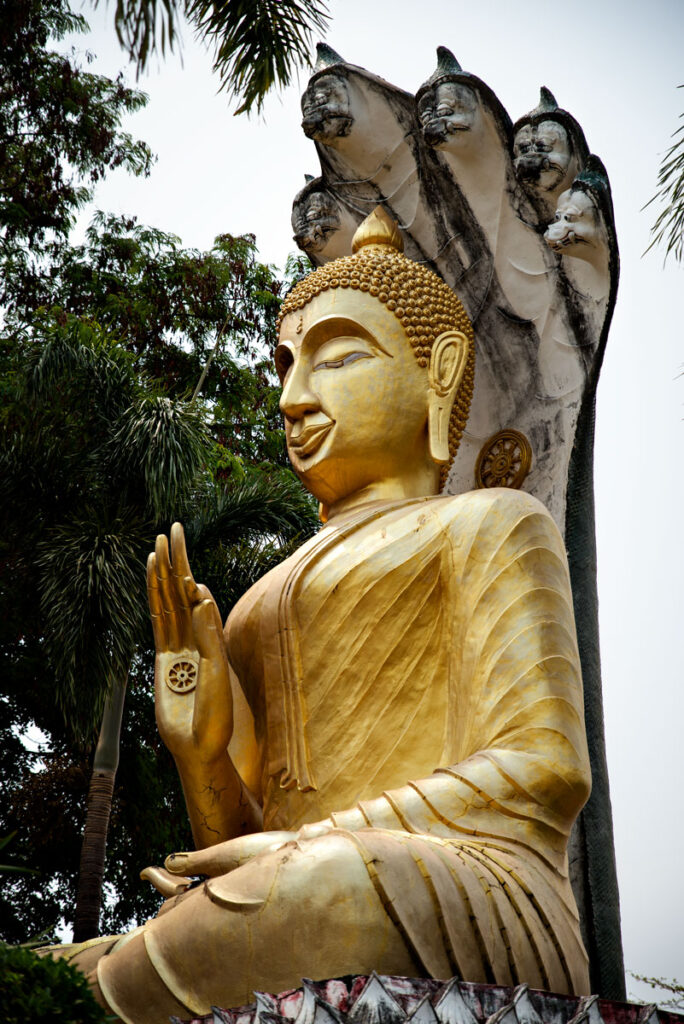
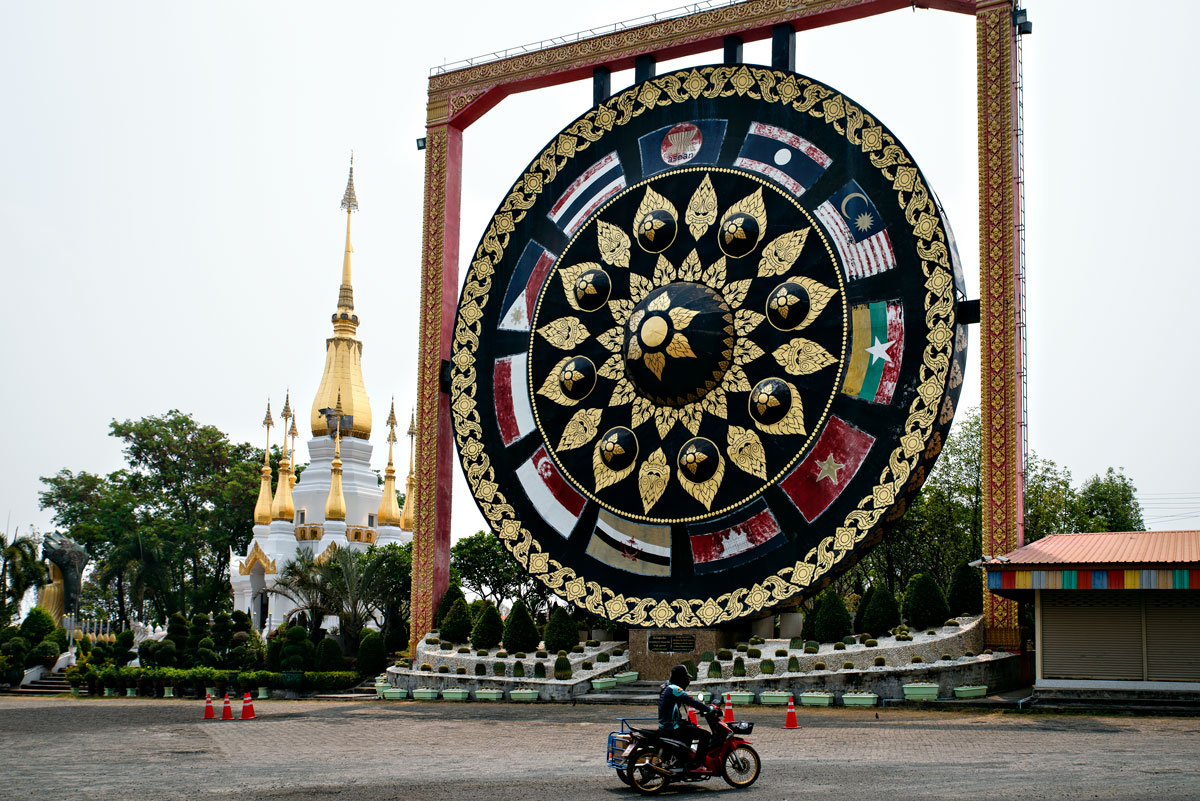
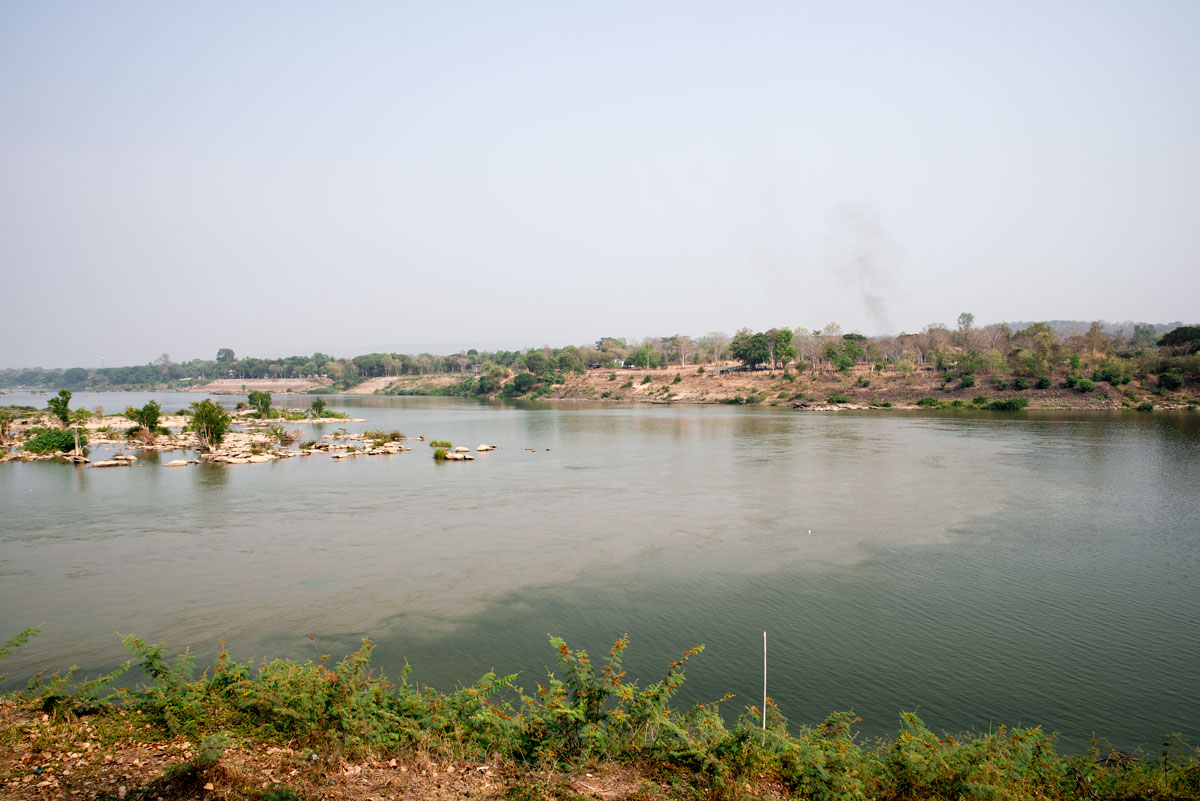
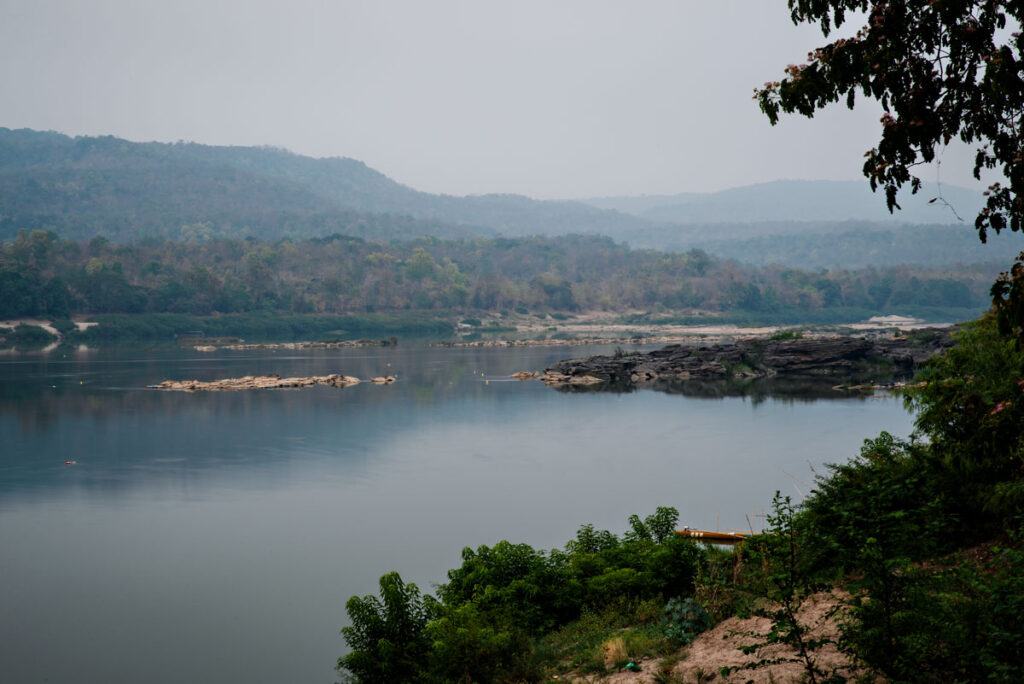
We follow the Mun River from Ubon eastward across pastures and dense forest. Suddenly, the trees open up and we look down from a plateau onto the Mekong River, Laos on the opposite bank, and the town of Khong Chiam. Away from the road, which descends steeply into the valley, a gigantic gong rises up. The Tham Khuha Sawan temple is picturesquely situated on the mountainside. It is still too hot to visit the temple, so we are almost the only people wandering among the Buddha statues, Naga snakes, and a multitude of religious symbols.
A steel bridge spans the Mun River. A hundred meters away from the road, the colorful lights of a karaoke bar shine brightly. Two women in short hot pants and crop tops stand in front of the door, staring into the twilight. We spend the night in a hotel on the Mekong River, looking across to Laos, a poor country, left behind and forgotten by the world.
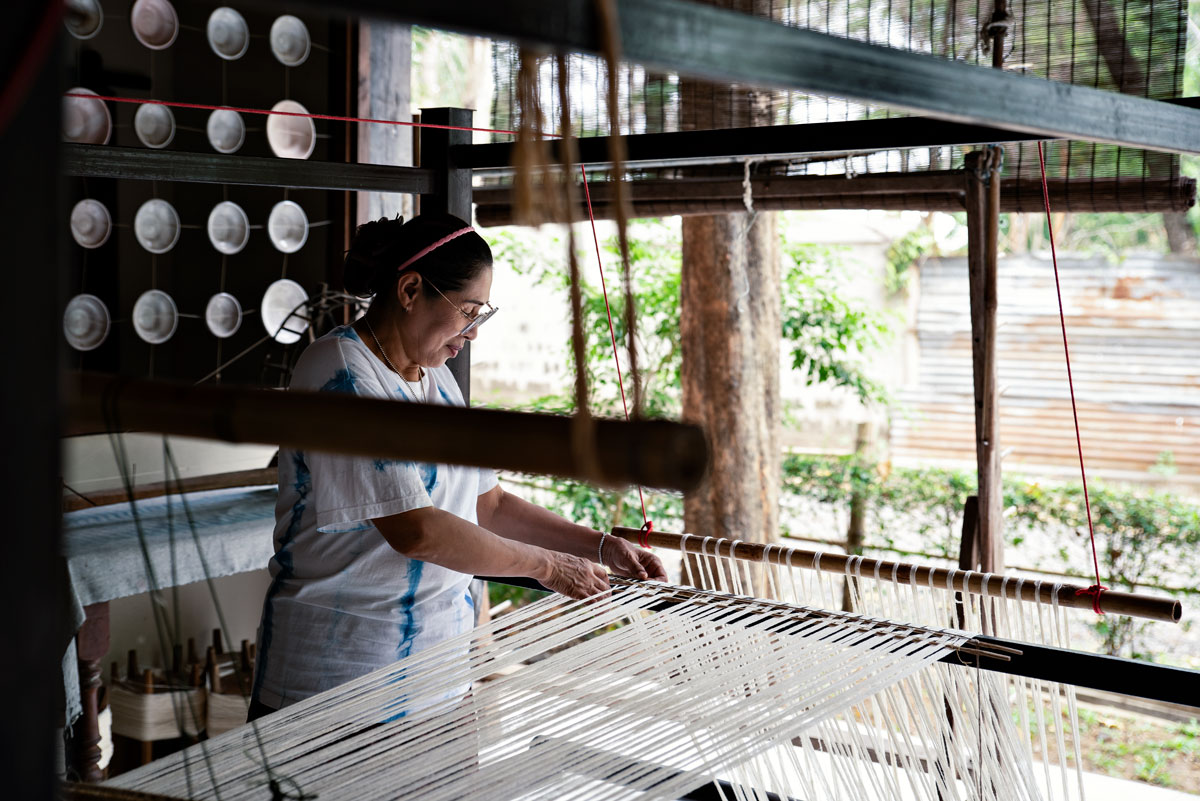
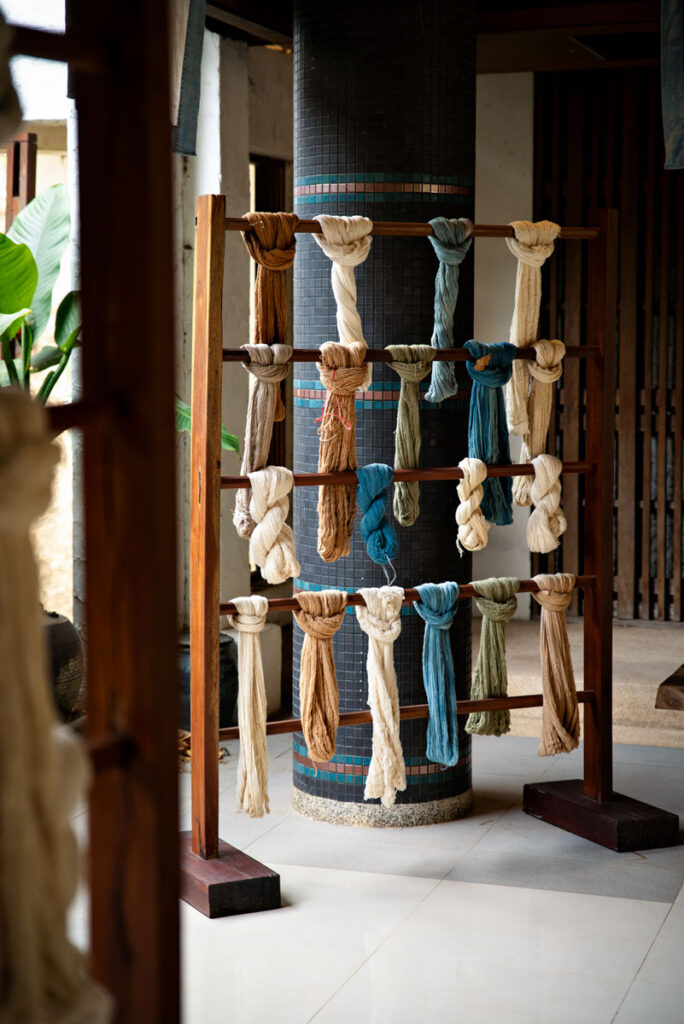
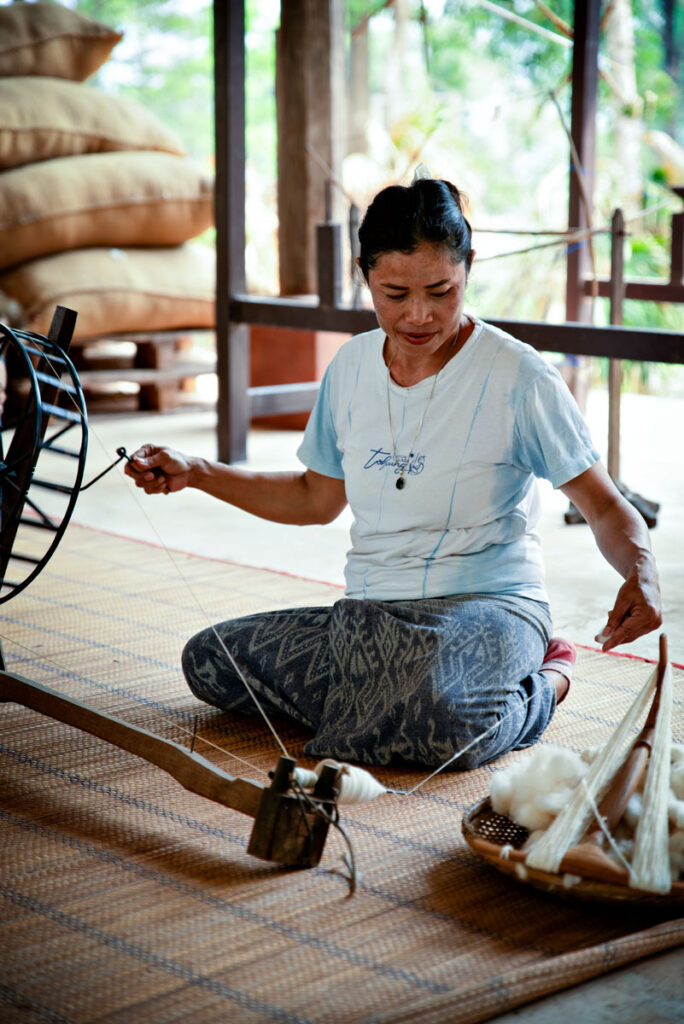
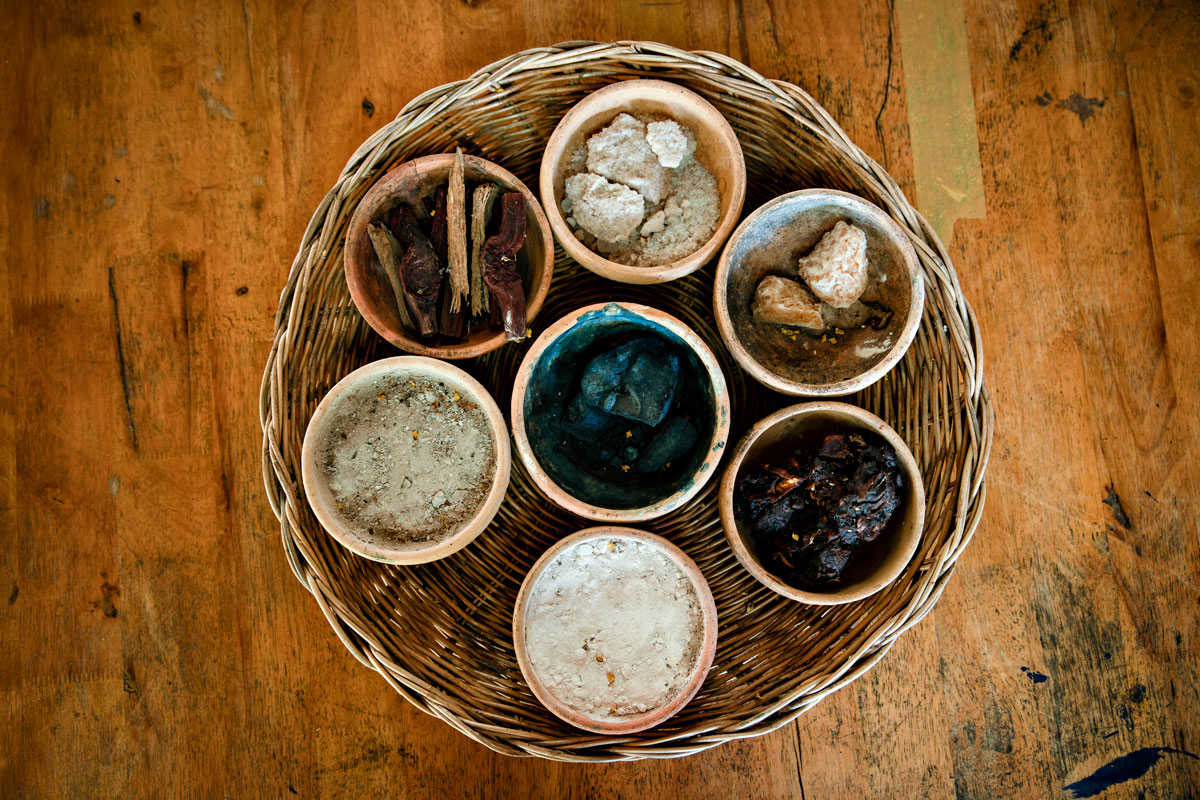
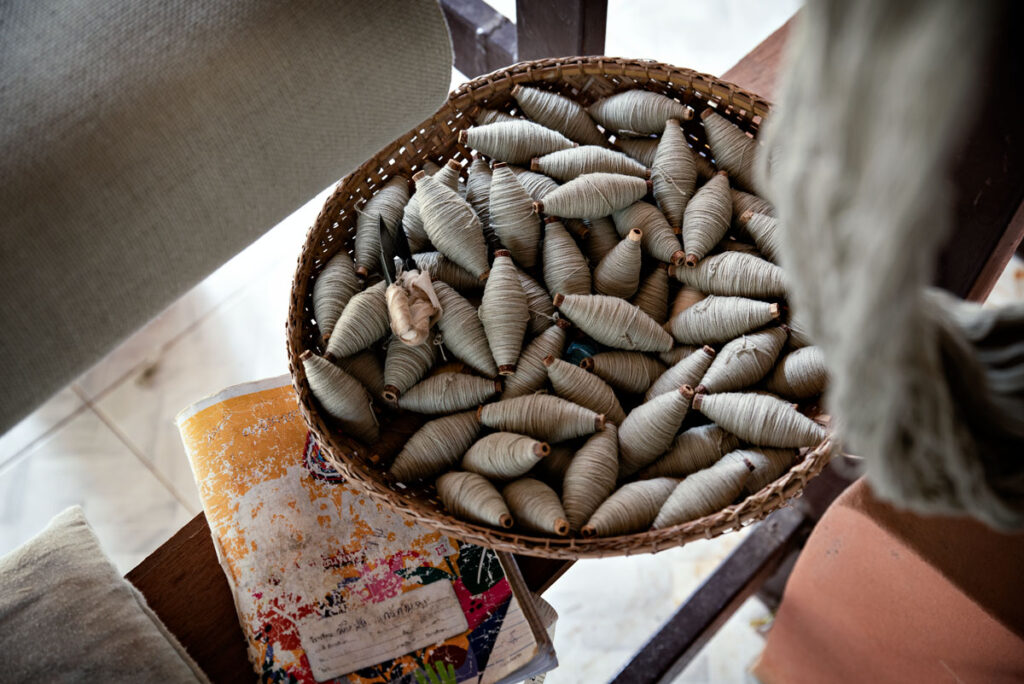
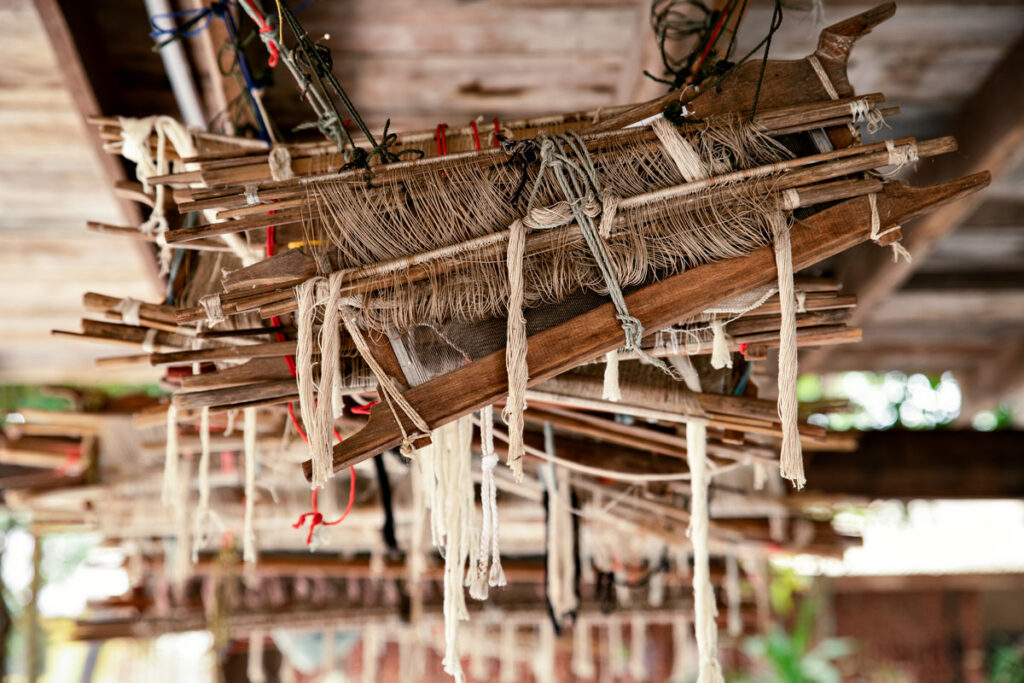
The next morning, we visit a weaving mill. Clothes and scarves are woven and dyed here from freshly picked cotton. We are shown the traditional manufacturing process – a fine craft, a great tradition. Between Starbucks cafés, 7Elevens, and McDonald’s restaurants, it is these encounters with real people and their talents that make regions rich and interesting.
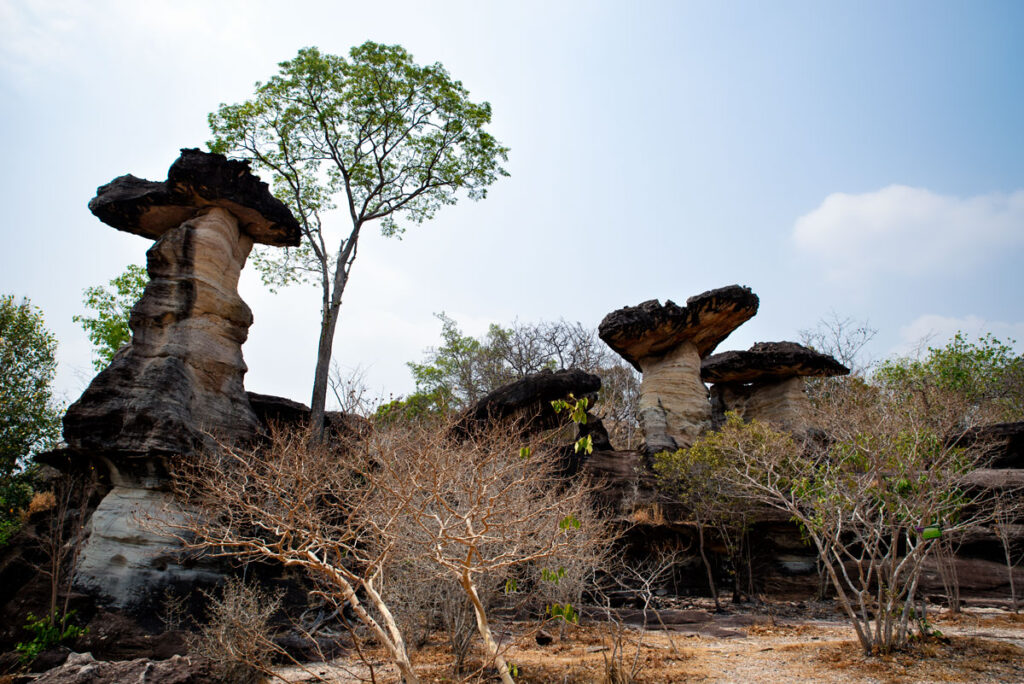
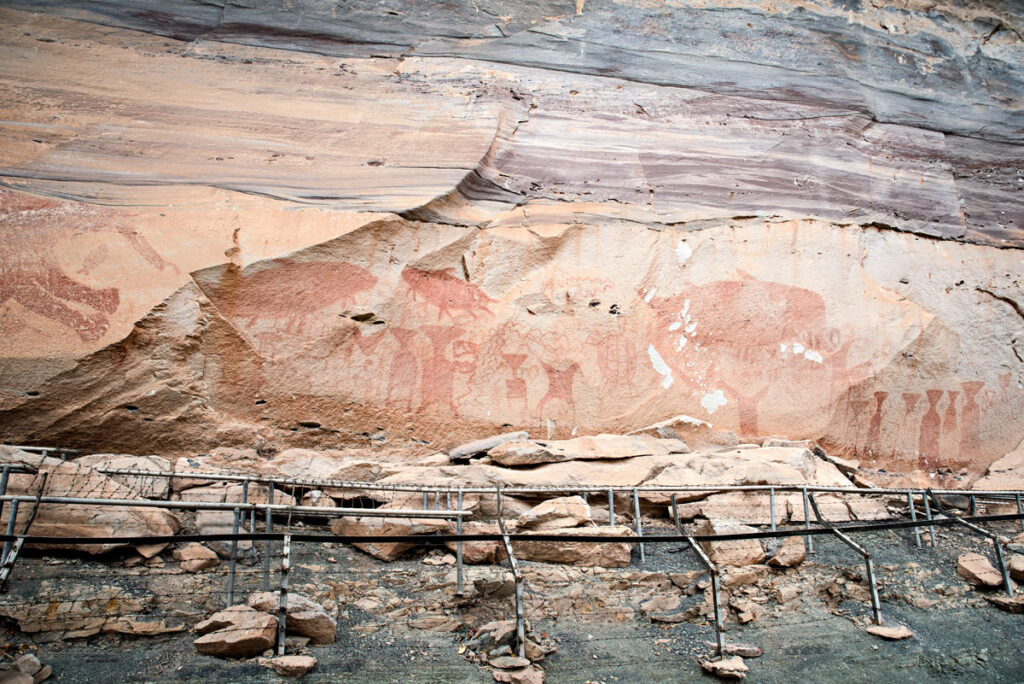
During the dry season, Pha Taem National Park lies before us like a parched high plateau. The trees and bushes are bare, and the parking lot is a huge rock that reflects the sunlight like a frying pan. Heat from everywhere – the thermometer in the car reads 45° Celsius. Stairs lead down to Stone Age cave paintings. A rockslide has blocked the rest of the path. A bizarre stone landscape on the Mekong with a view across to Laos. We launch our drone and let it buzz over the landscape. The rock we are standing on rises out of the ground like a gigantic spaceship.
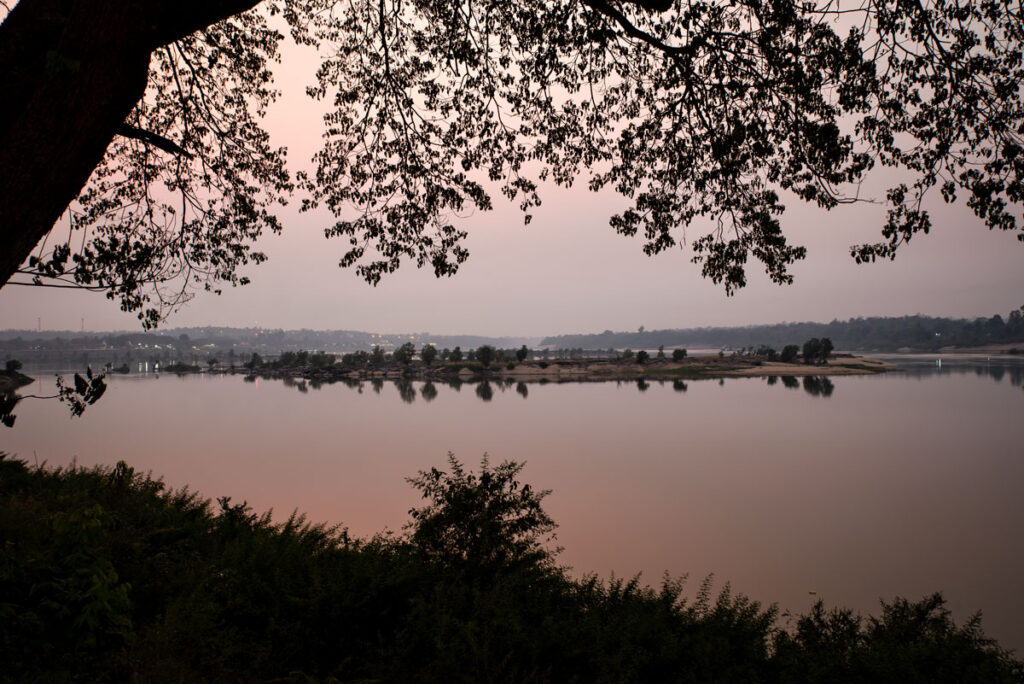
The sun is setting. Here, where the black waters of the Mun River meet the white waters of the Mekong, we stare out at the orange fireball of the sun. The sky turns a delicate pink as the sun sinks lower and lower. One last fishing boat docks, then night falls upon us. Frogs and cicadas emerge from their hiding places. On the other bank – the Laos side – a large fire is burning. Music and laughter. Bats circle overhead, and the cold beer tastes unforgettably good at this moment.
The huge Sirindhorn Reservoir is located nearby. A dam generates electricity using hydropower, and a floating PV system with an installed capacity of 45 megawatts provides environmentally friendly energy production using sunlight. It is a magnificent project, accompanied by tourist infrastructure around the lake. The technical facility can be admired from the specially constructed “Nature Skywalk.” There are temples and festivals, swimming spots and cafés, campsites and guesthouses.
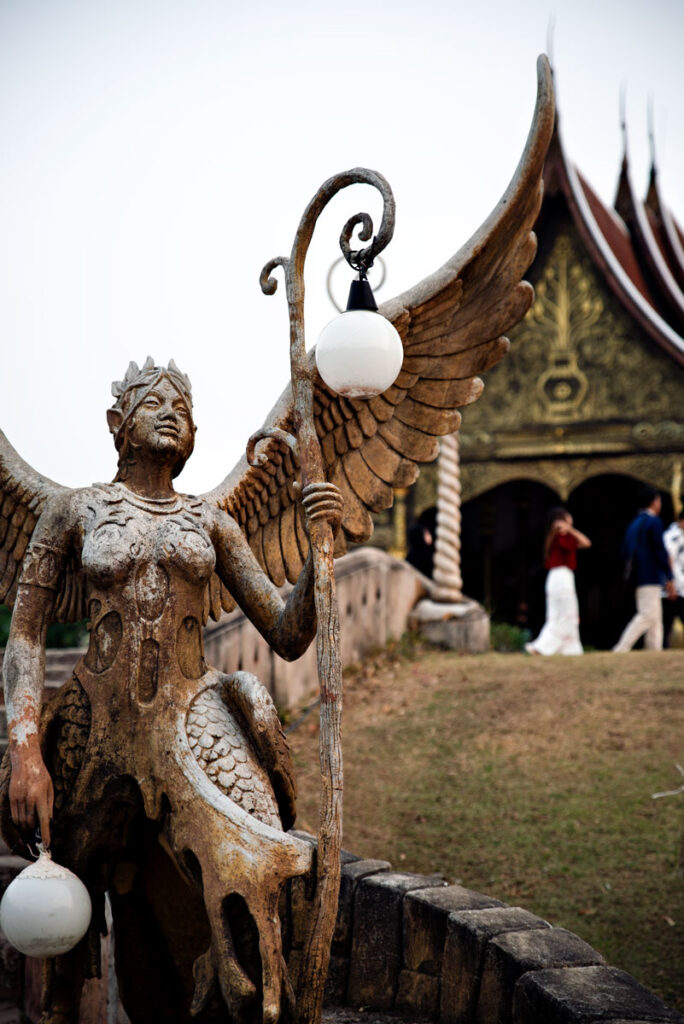
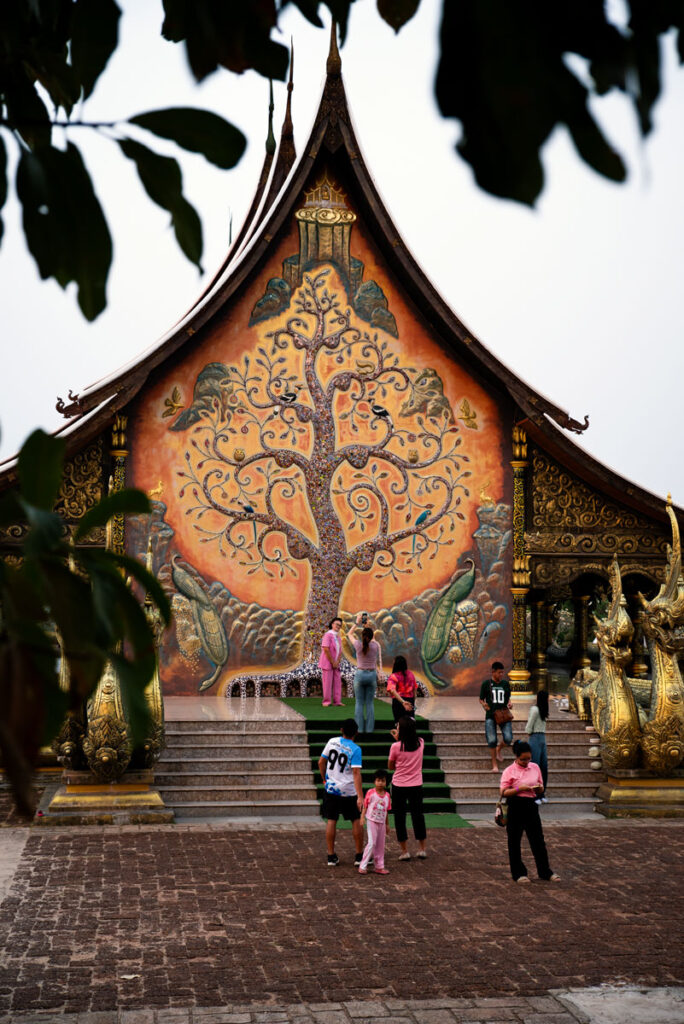
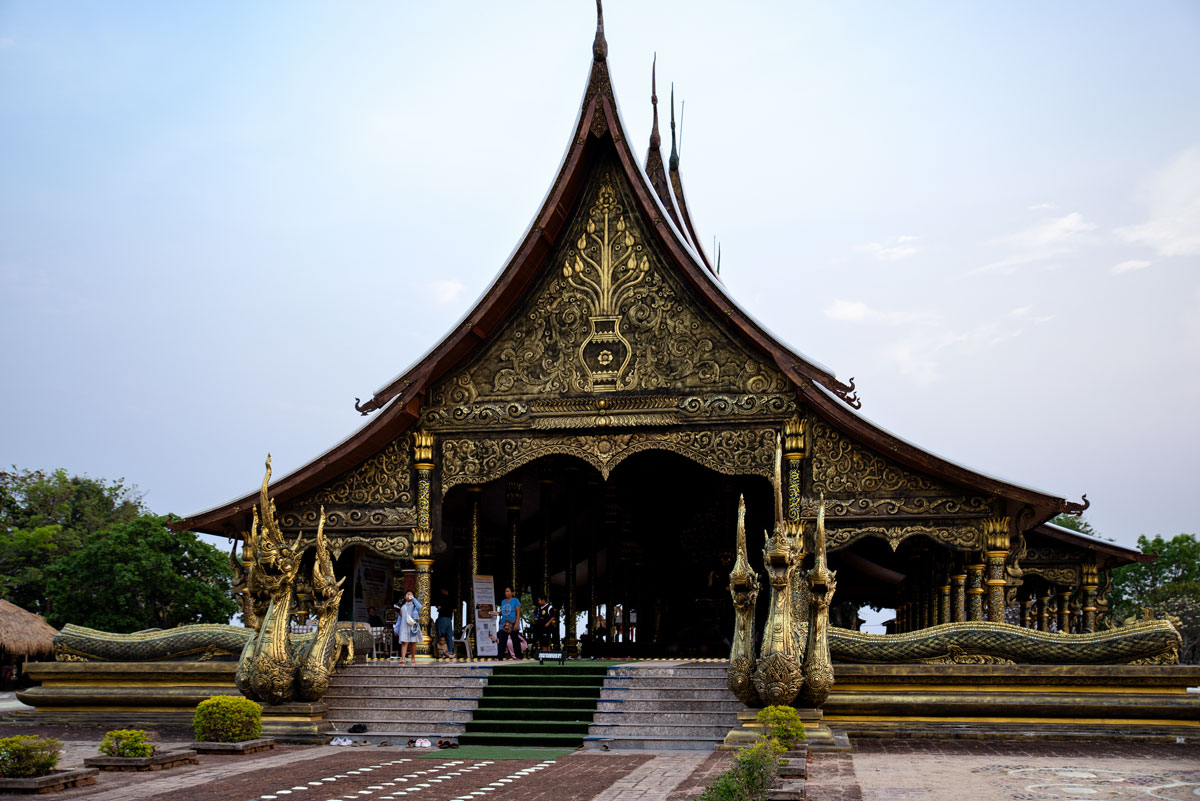
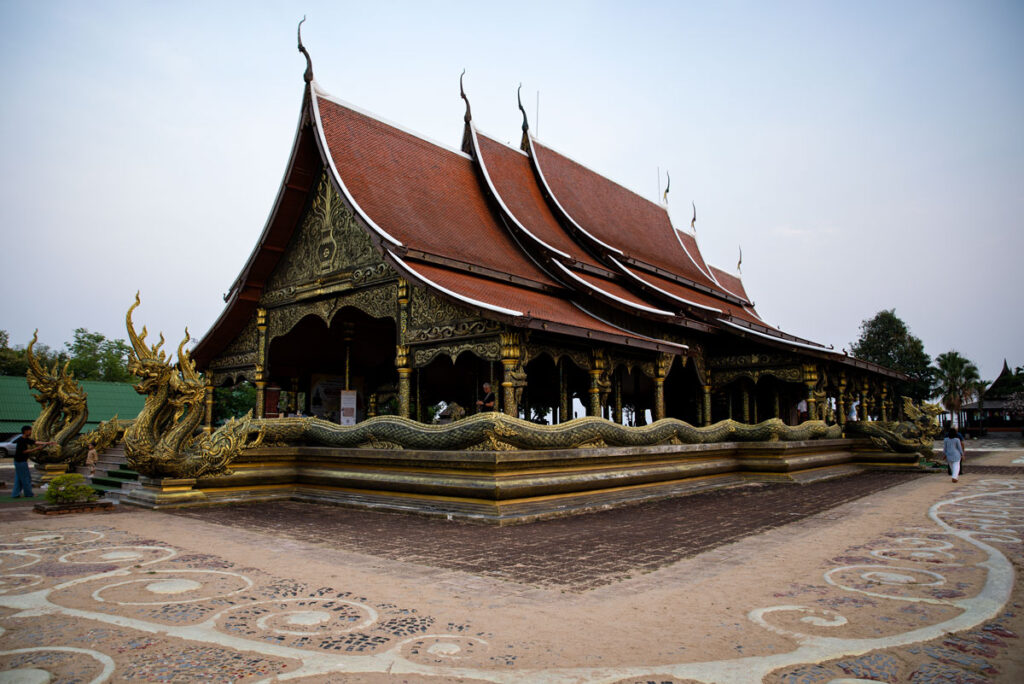
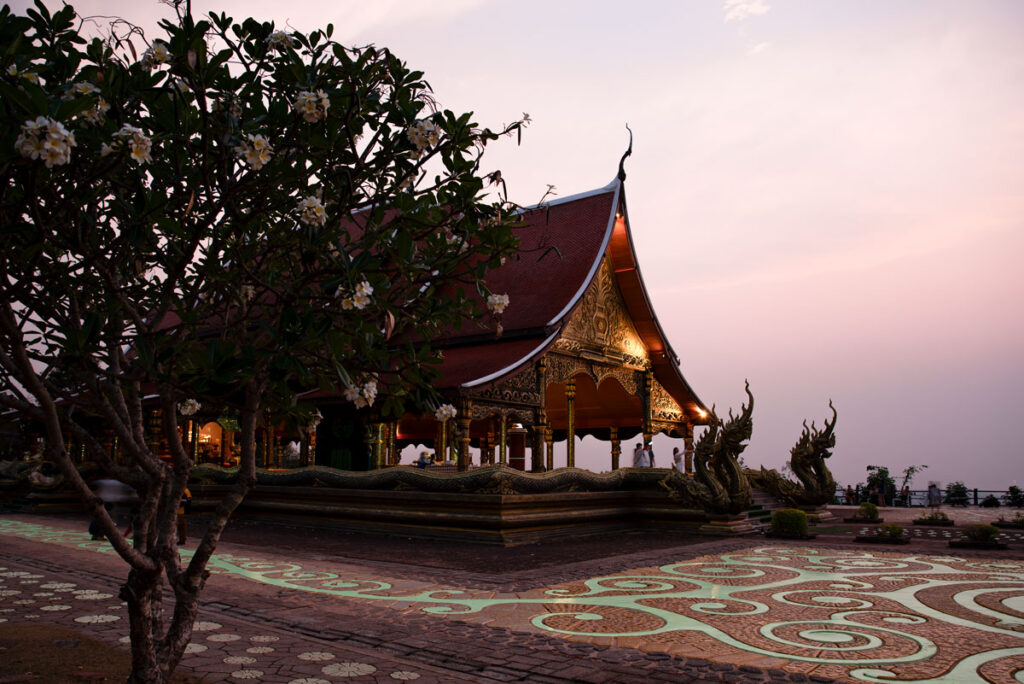
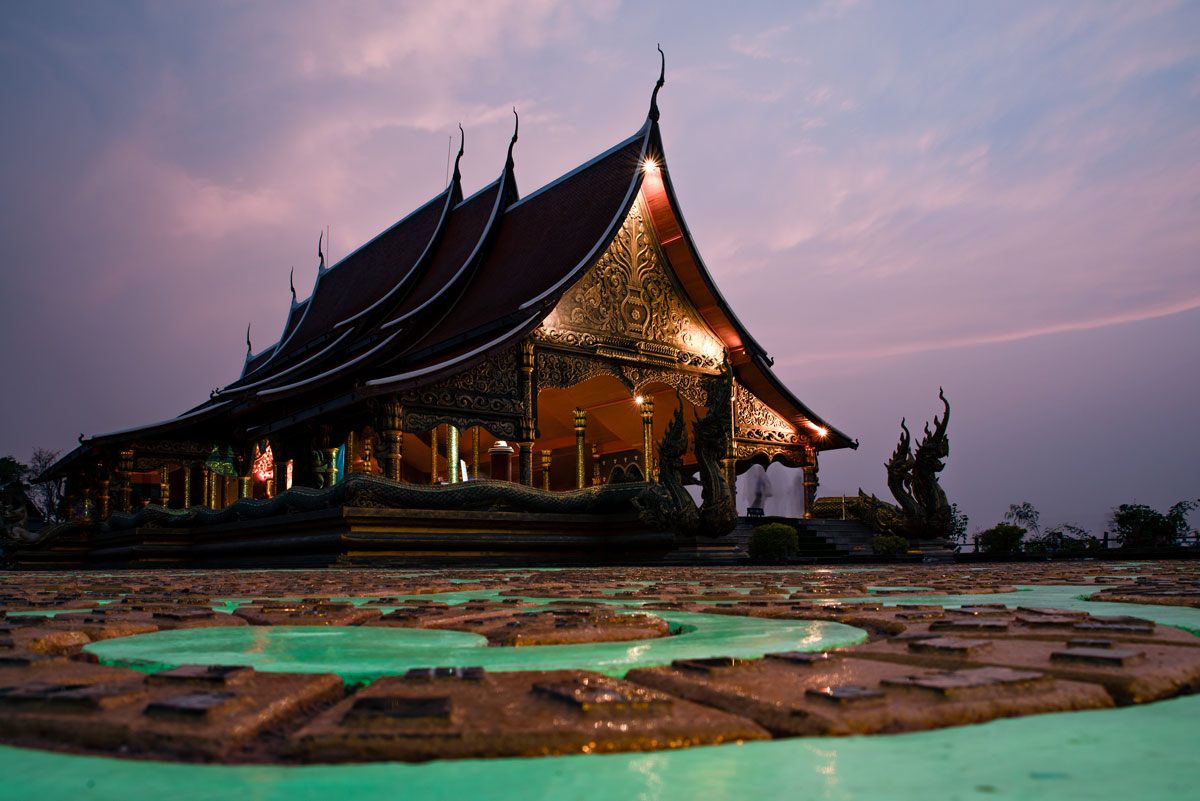
Dawn breaks over Udon Ratchathani. As seems to be the case throughout this trip, we stand at the border and look down from a mountain onto the vast Laotian countryside. The Chong Mek border crossing is less than a kilometer away. But we haven’t come for the view; we’re here for the Sirindhorn Wararam Phu Phrao temple. Dozens of other visitors join us as we make our way up the steps to the temple. As so often, we are the only Farangs.
As the sun approaches the horizon, the spectacle begins. Patterns on the floor, fine lines on the temple walls, images and decorations begin to glow. They fluoresce and envelop the entire temple in a magical light. The darker it gets, the more clearly the artwork emerges. Laos sinks into darkness, but the temple remains brightly lit.
Ubon Ratchathani in the Emerald Triangle is an exciting border region: characterized by the Mun and Mekong rivers, the rugged, rocky plateaus along the Laotian border, and the tropical Dongrek Mountains towards Cambodia. Not all of these regions are accessible—due to the border dispute with Cambodia, only parts of the Emerald Triangle can be visited. Although Isaan is one of the economically poorest areas of Thailand, Ubon has managed to attract tourists and Western expats. If you want to see something “authentic” in Thailand and don’t care too much about parties and the sea, then the easternmost tip of Thailand is the place for you.