Ukraine

Ukraine is a country unlike any we have yet encountered on the European continent. Vast plains, mighty rivers, and the peaks of the Carpathians meet magnificent churches, monumental architecture, and cities where a wide variety of eras have left their mark. Hardly any other country in Europe brings together so many cultural influences in such a small area.

Gold-embellished Orthodox churches, impressive structures from the Soviet era, pristine mountain landscapes, bustling seaside resorts on the Black Sea, and Chernobyl – the site of the worst nuclear disaster in history – Ukraine offers an extraordinary variety of travel destinations. Behind every region lies its own history, its own culture, and a character all its own.

Traveling through Ukraine means embracing this diversity, leaving the familiar behind, and delving deeply into the history and culture of a country that never ceases to surprise travelers.

Tschernobyl

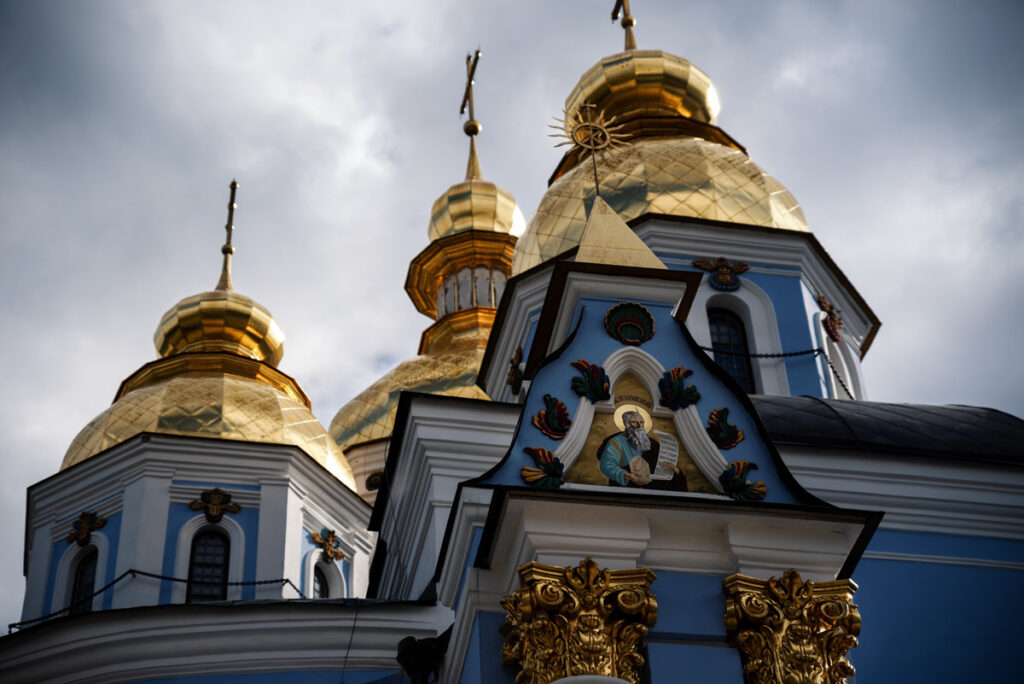
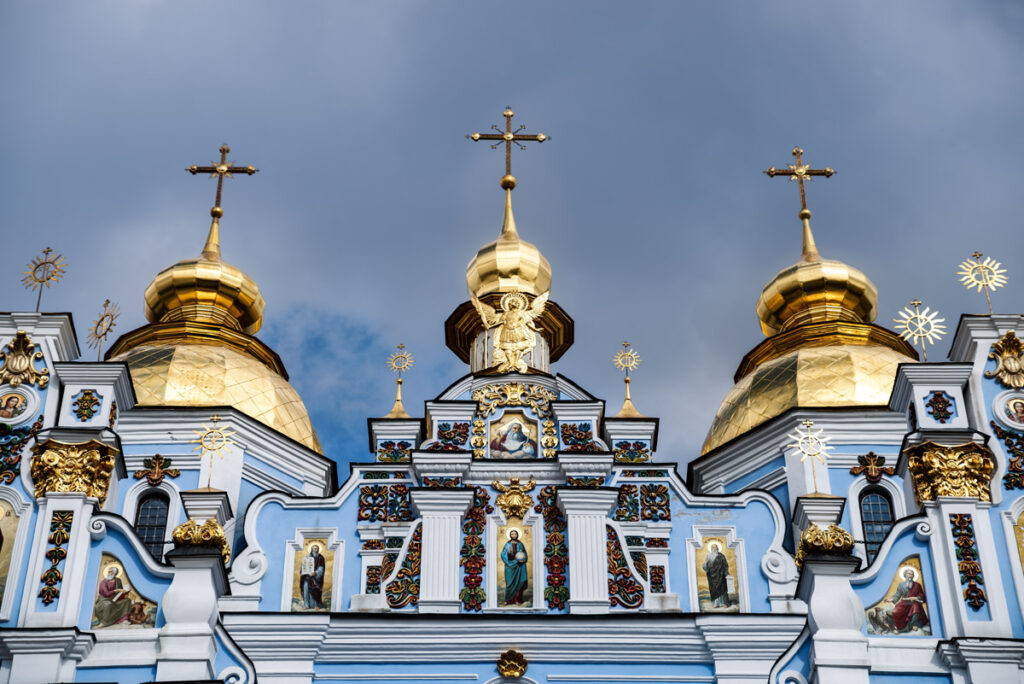
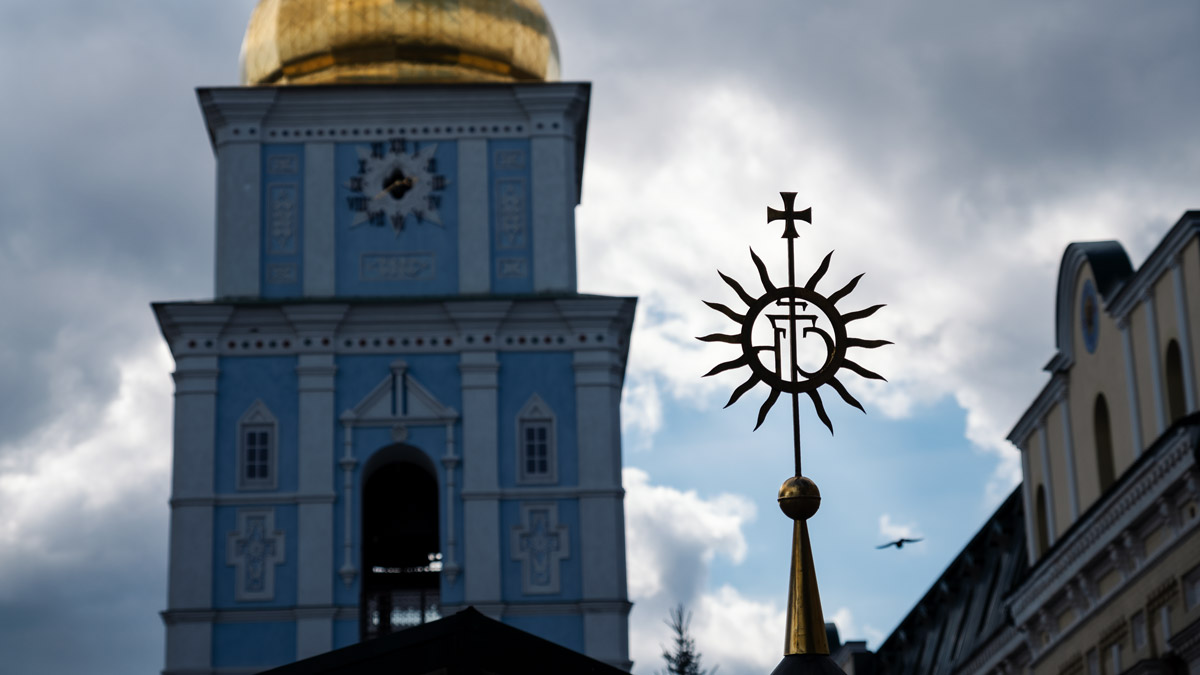
As we stroll through Kyiv, the first thing that catches our eye are the richly decorated churches. They’re everywhere – colorfully painted, with golden domes, intricate ornamentation, and crosses visible from afar. Icons and images of saints adorn the facades and interiors, giving the city a character all its own.

Christianity continues to leave a visible mark on Ukraine to this day. Many churches are not only significant architectural landmarks but also vibrant centers of faith. Visitors light candles, say quiet prayers, or pause for a moment of silence. Even those who aren’t interested in religion can hardly escape the special atmosphere of these places of worship.

Cathedral of St. Michael in Kiev

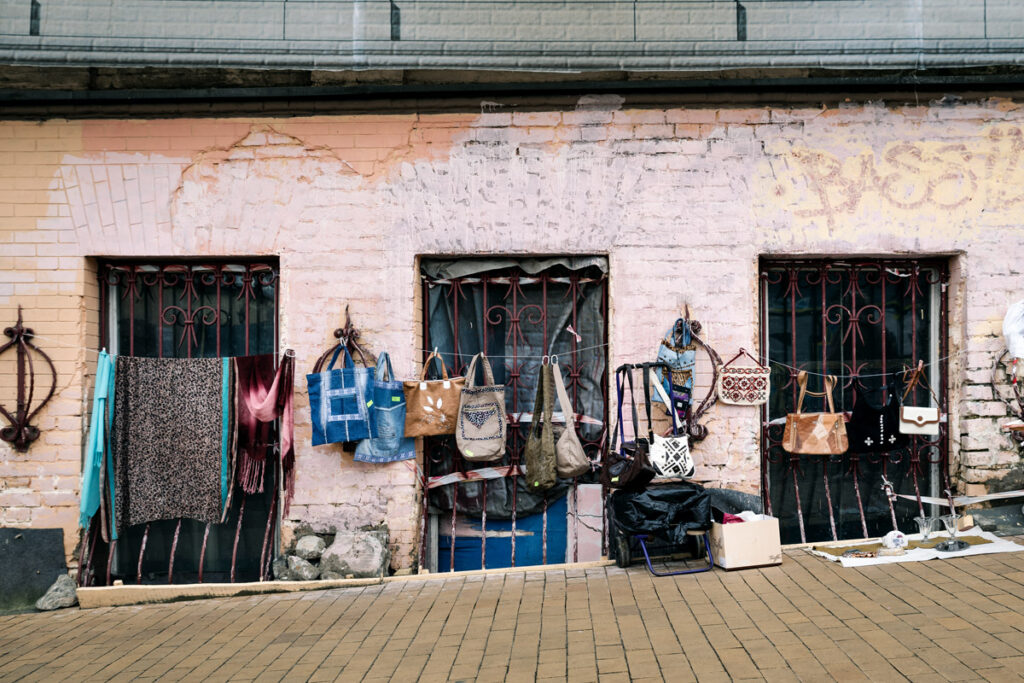
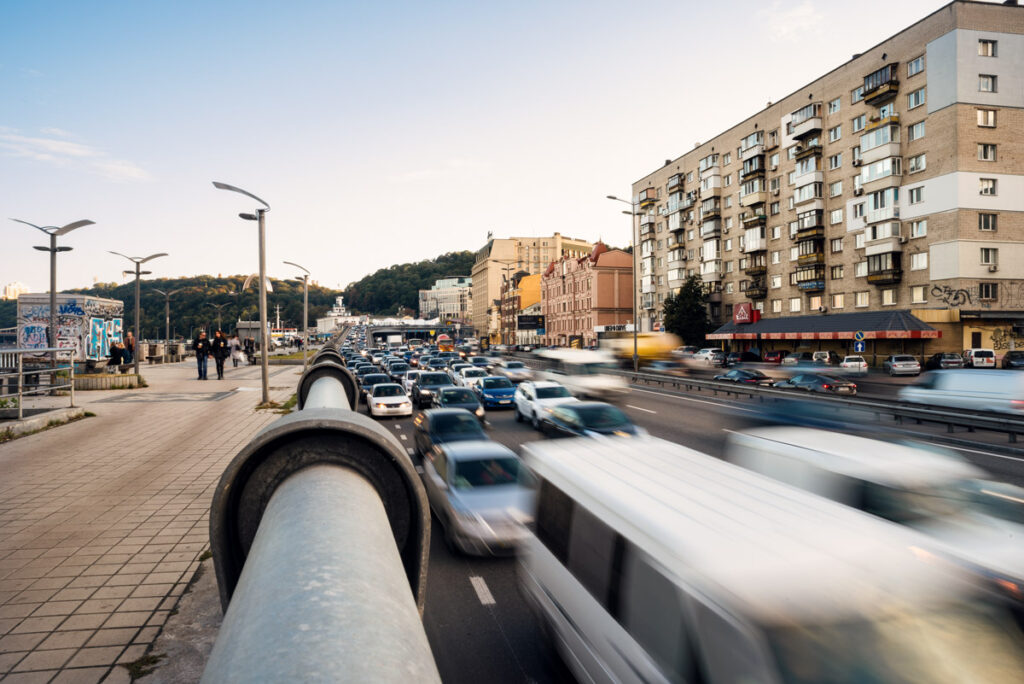
A stroll through Kyiv reveals the city’s full diversity. There are the monumental buildings from the Soviet era – symmetrical, brutalist, and austere. Just a few blocks away stand magnificent religious buildings, city villas, and residences in the Baroque and Art Nouveau styles. Add to that the industrial harbor district, the vibrantly colorful Comfort Town, and the young, creative Podil neighborhood. Hardly any other city combines so many architectural and cultural contrasts in such a small area. It’s a pleasure to stroll through the streets and take in all these impressions.

Walking Though Kiev
Walking Though Kiev
At the Dnepr in Kiev
At the Other Side of Dnepr

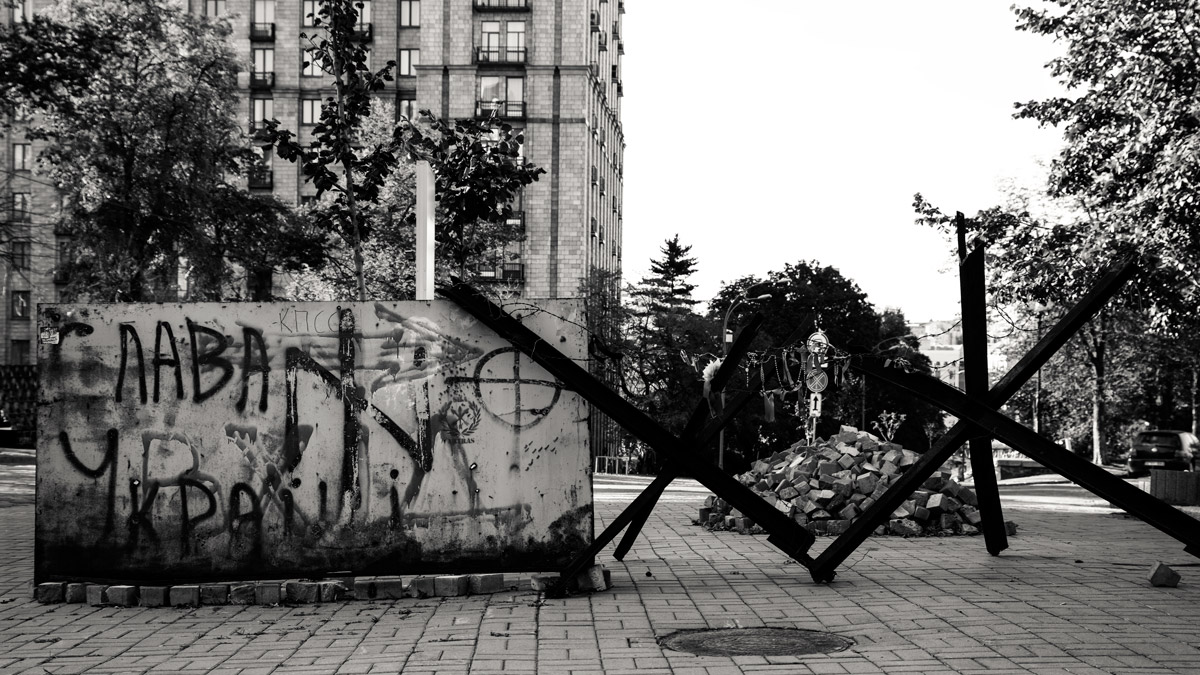
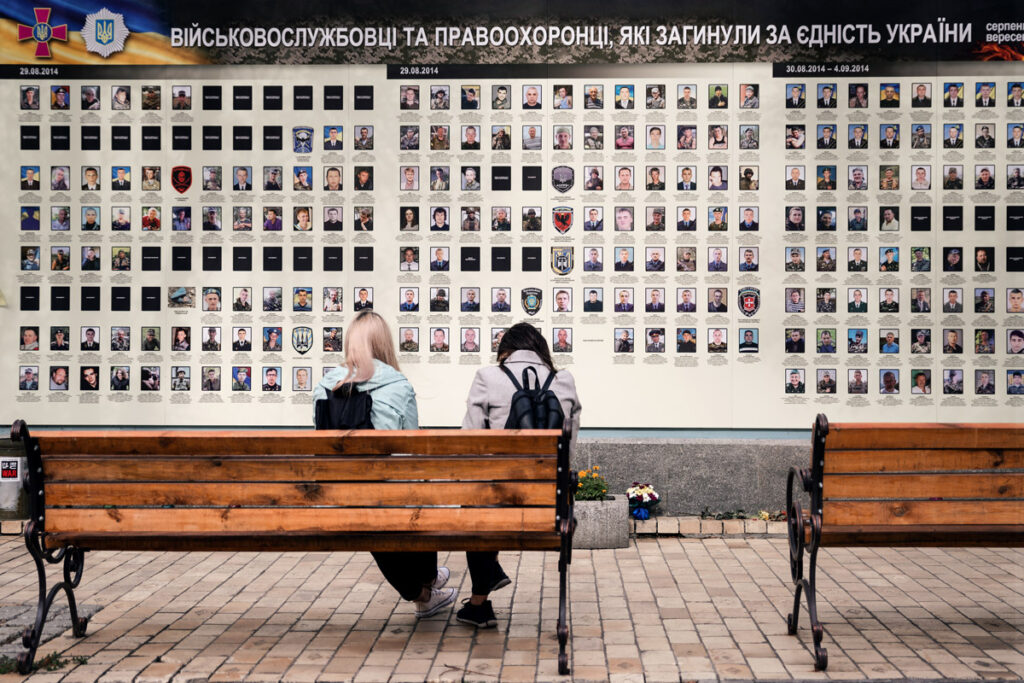
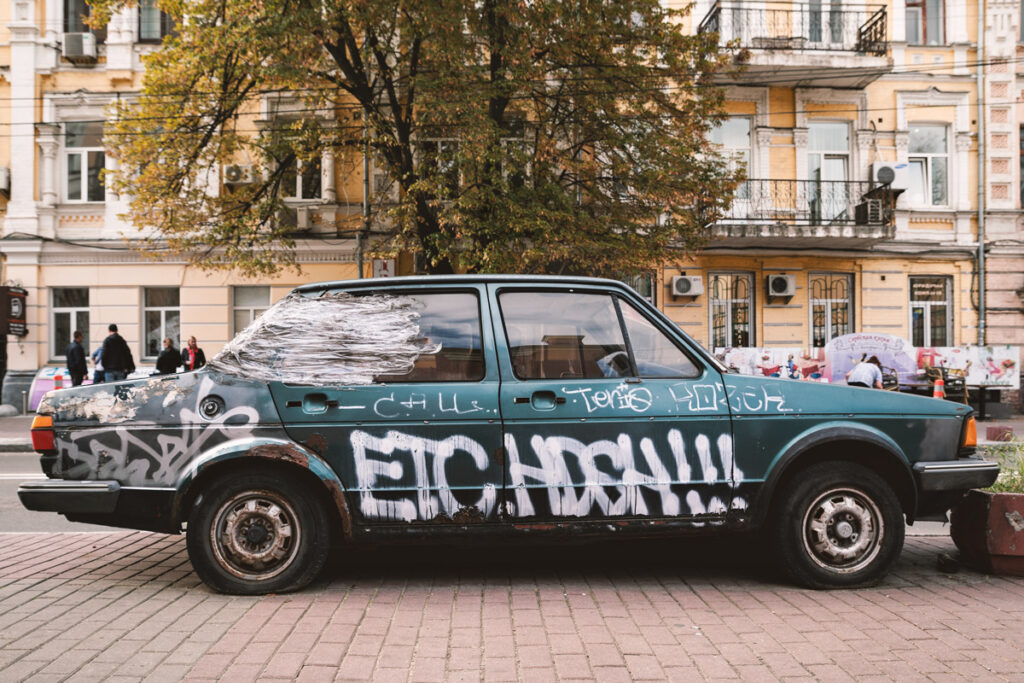
Alongside all of Kyiv’s beauty, we encounter traces of recent history everywhere. Photos of fallen soldiers in public spaces, war memorials, political graffiti, commemorative plaques, and the occasional roadblock serve as reminders of turbulent years. Added to this is the strikingly visible police and military presence. It’s impossible to walk through Kyiv without noticing this aspect of the city.

Barrier in Kiev
Orange Revolution
Walking Though Kiev
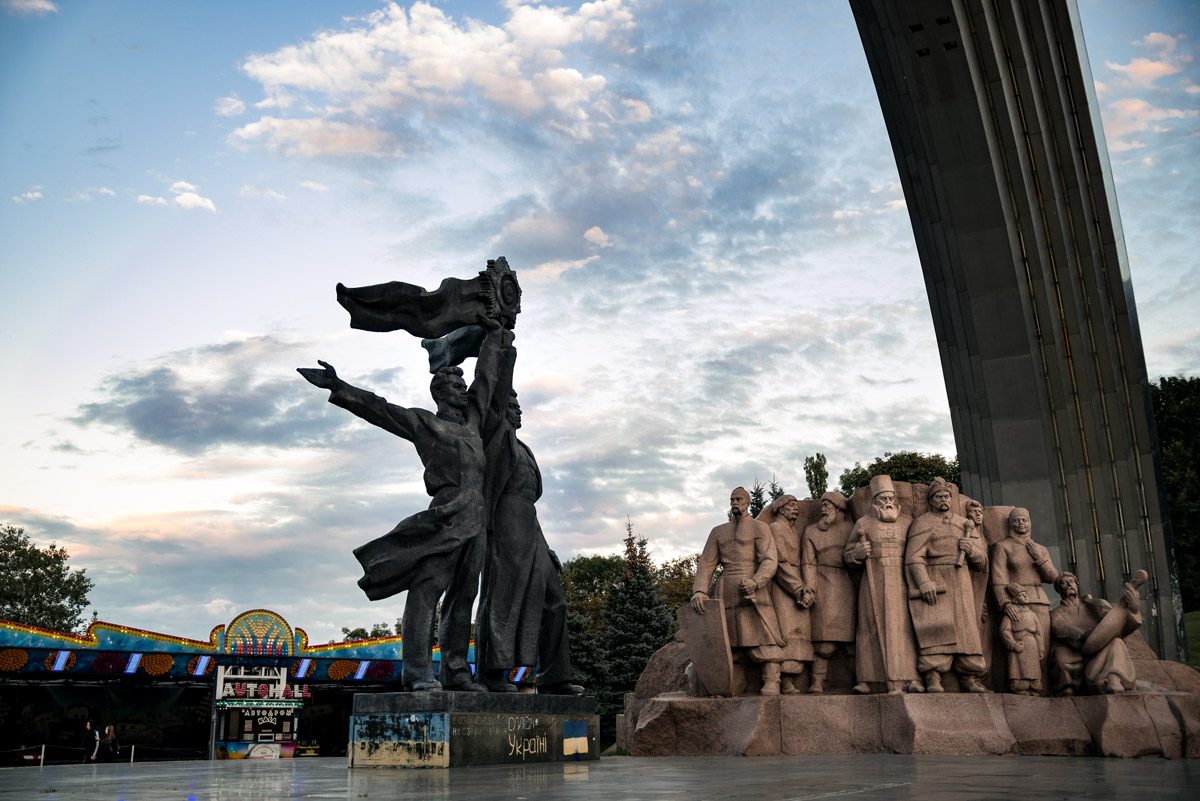
Monument of Friendship of Peoples

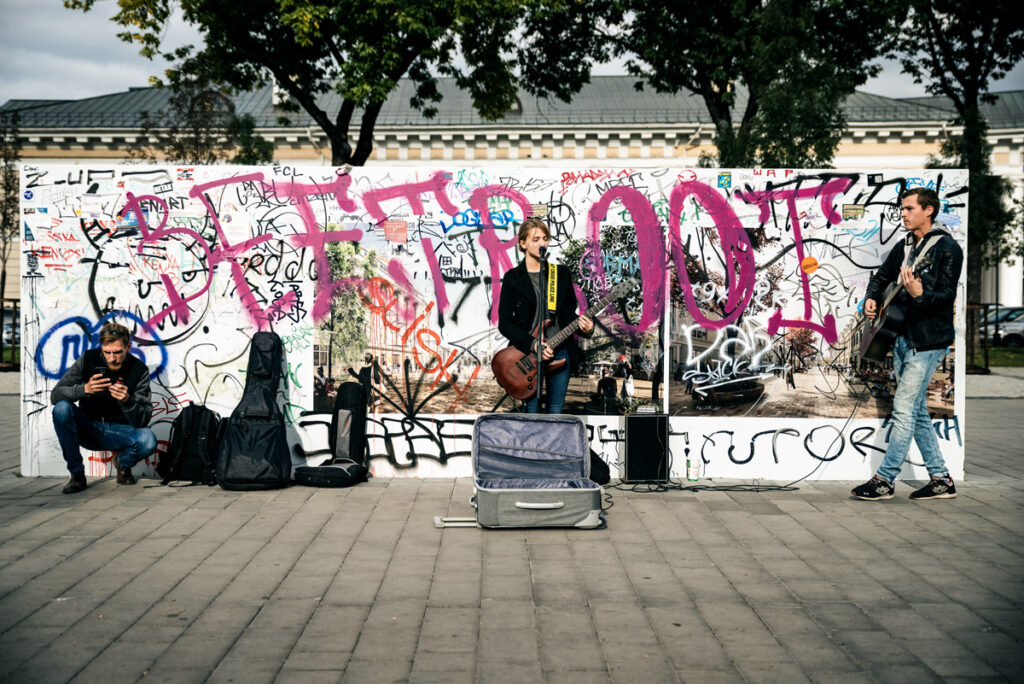
Wherever we go, music is playing everywhere. Rachmaninoff’s powerful melodies echo up from the deep shafts of the subway stations. On Khreshchatyk, the main street closed to traffic on Sundays, a drummer has set up his equipment and is playing with impressive energy. In front of a graffiti-covered concrete wall, a rock band strikes up the first chords, while their singer’s powerful voice echoes through the afternoon.

Drummer in Kiev
Kiev Street Band
Kiev Metro

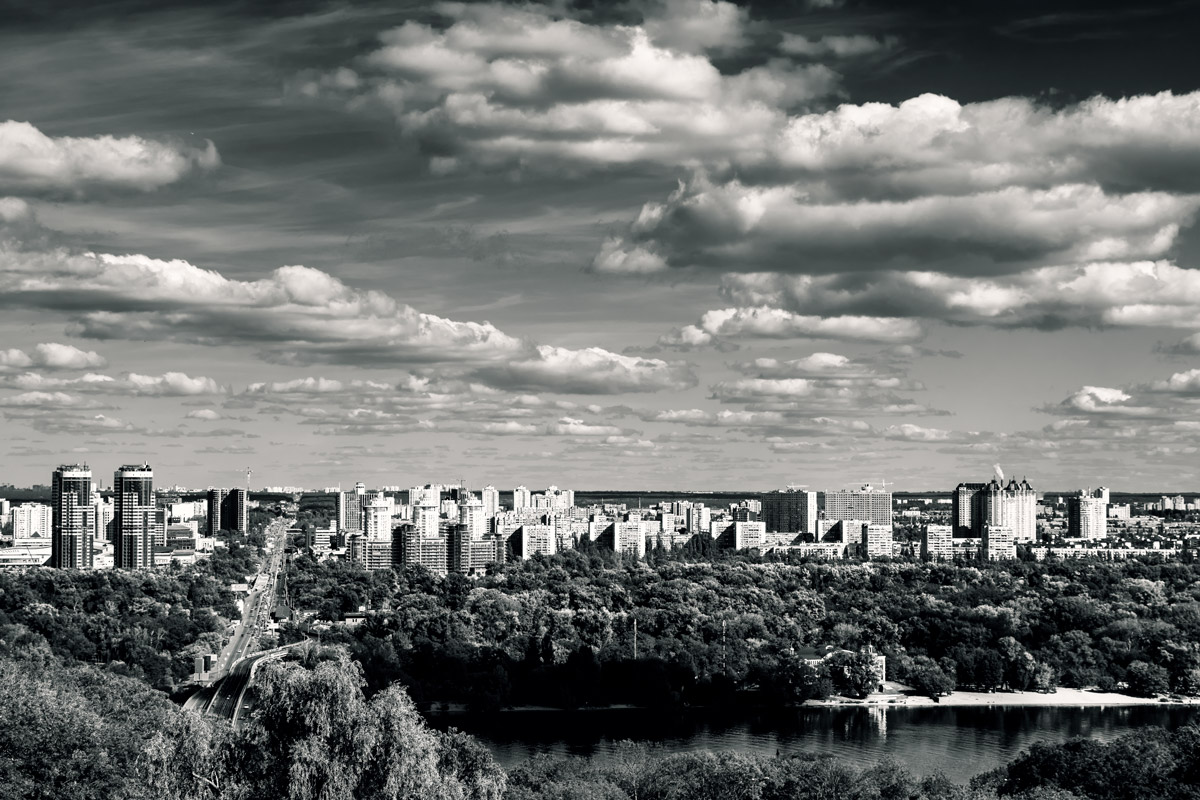
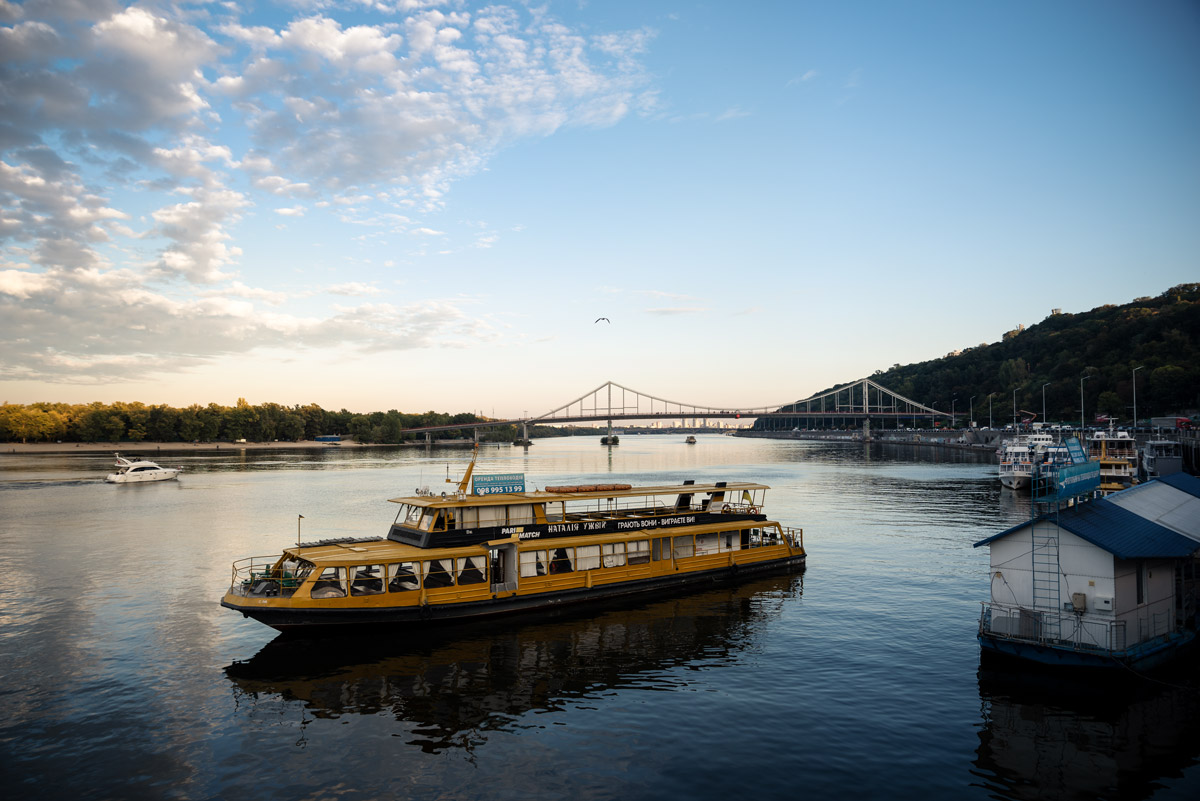
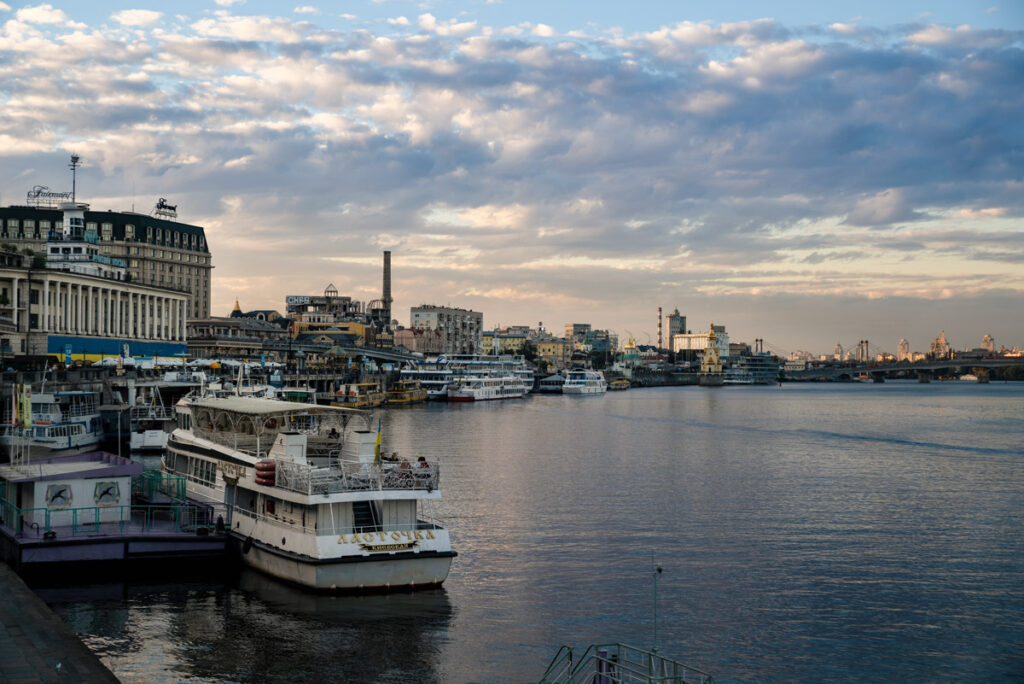
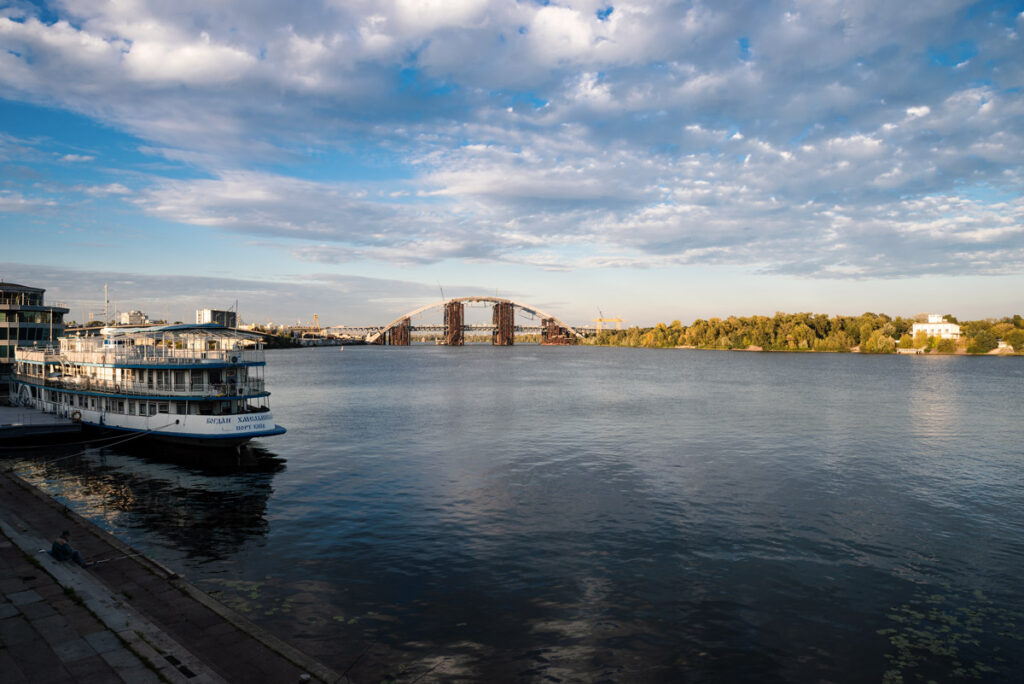
As the sun sets, we’re standing somewhere along the banks of the Dnieper, Europe’s third-longest river. Old industrial facilities and river cruise ships line the riverbank where we stand. On the opposite bank, parks, trees, and a public city beach stretch out. To the north, the skeleton of the Podilskyi Bridge – currently under construction – stands out against the evening sky. Old smokestacks rise above factory buildings, and a yellow sightseeing boat docks at the pier.

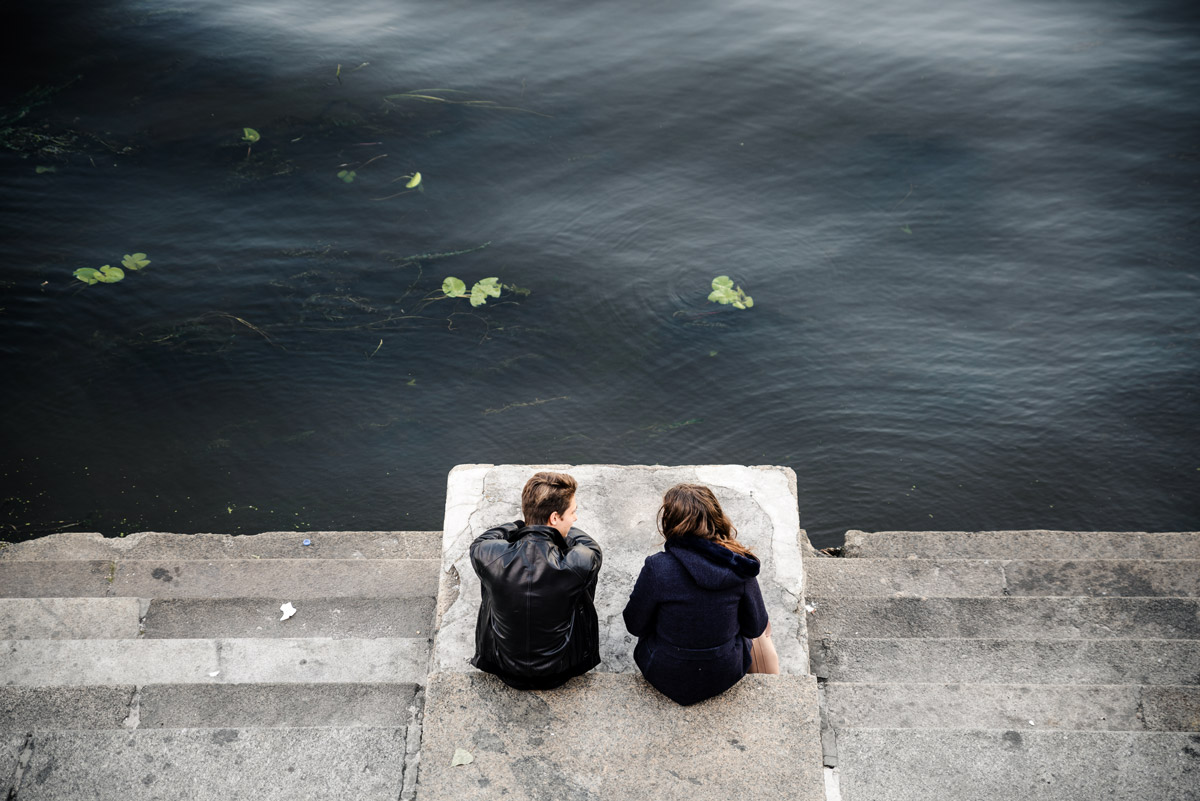
Two young people are sitting on the pier. Maybe they’re a couple, maybe just good friends. Maybe they’re on a first date and are just getting to know each other. Maybe they’re ending their relationship. Maybe they’re brother and sister. A tender moment, captured on film.

At the Dnepr in Kiev

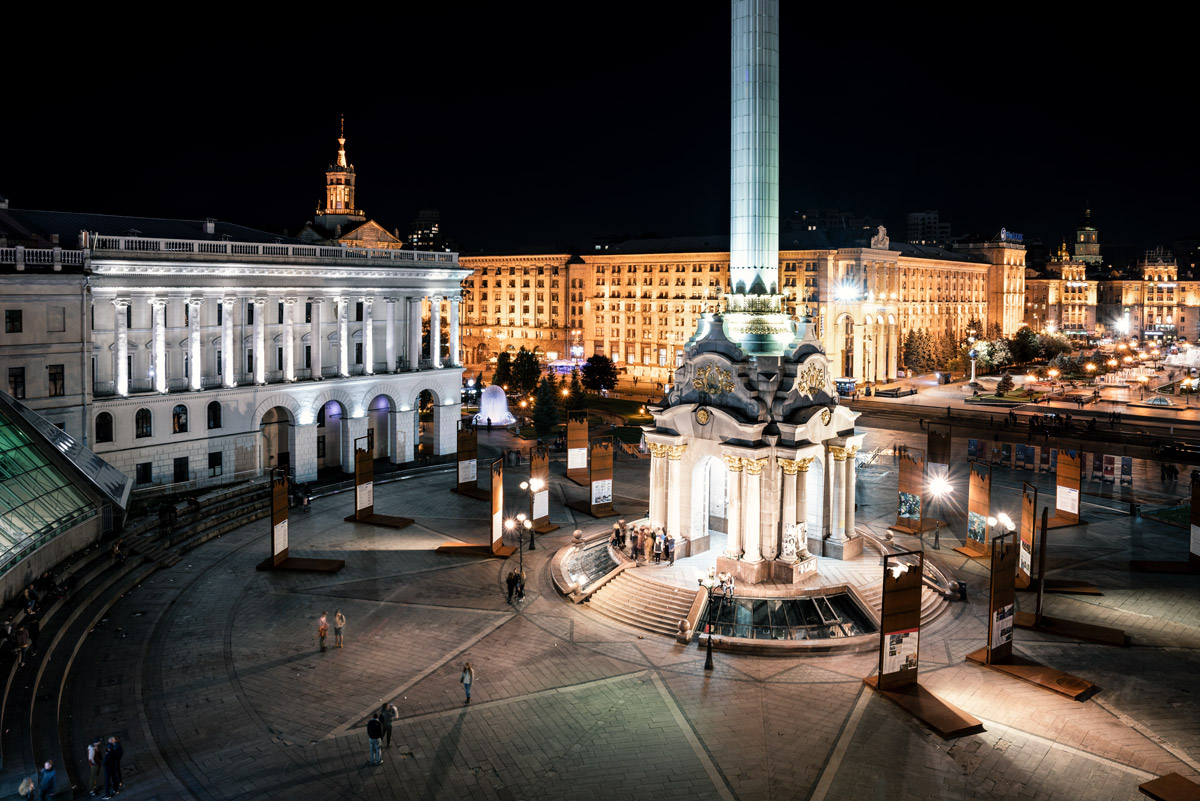
The Maidan forms the heart of Kyiv. Hardly any other place in Ukraine is so closely linked to the country’s recent history. Time and again, the square has been the focal point of major rallies and protest movements – from the Revolution on Granite in the early 1990s to the Orange Revolution in 2004 and the events of the Euromaidan in 2013 and 2014.

Surrounded by monumental buildings from various eras, this is where the heart of the city beats. Beneath the square lie a subway station and a sprawling shopping mall. It’s a delight to stroll across the Maidan in the evening and watch as the buildings and streetlights are bathed in light, like candles.

Maidan in Kiev

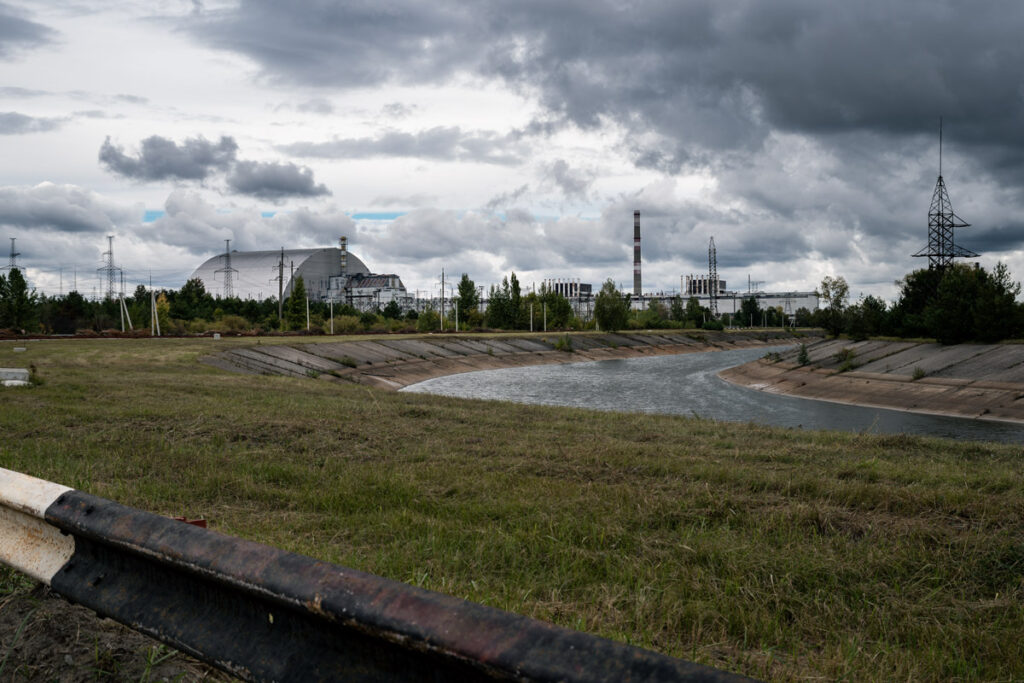
A foggy, rainy morning in Kyiv. It’s still dark as we board the van that will take us about 130 kilometers north – into the Chernobyl Exclusion Zone, the place whose name remains synonymous worldwide with the worst nuclear disaster in history.

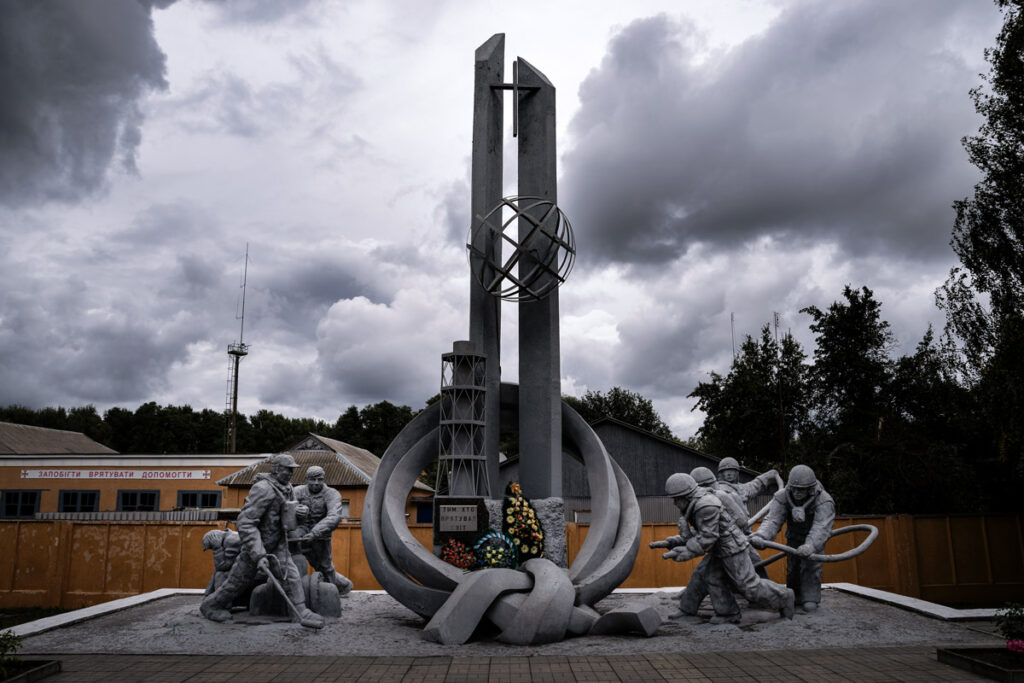
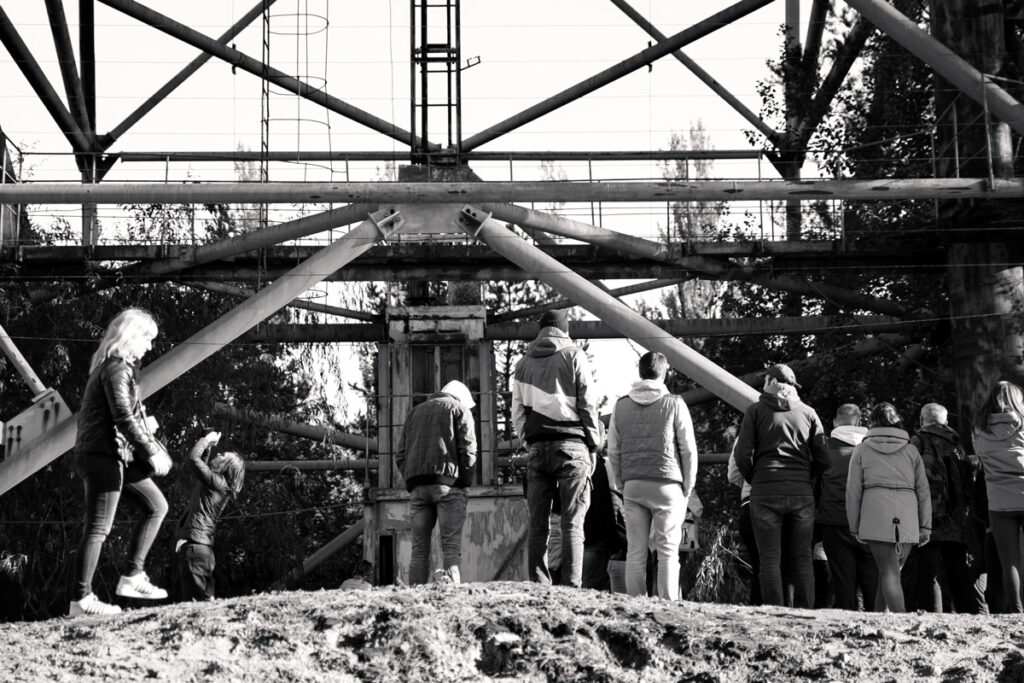
After a little over two hours’ drive, we reach the first checkpoint. ID checks, a short break, then we continue on. Just a few hundred meters later, the next checkpoint follows. Here we visit the former reception center with its decontamination facilities. Nearby stands the Monument to Those Who Saved the World. A simple monument of great symbolic power, it is dedicated to the liquidators – the firefighters, engineers, soldiers, and countless other helpers who battled the consequences of the reactor disaster under unimaginable conditions and prevented an even greater catastrophe.

Tschernobyl
Tschernobyl
Tschernobyl
Tschernobyl
Tschernobyl

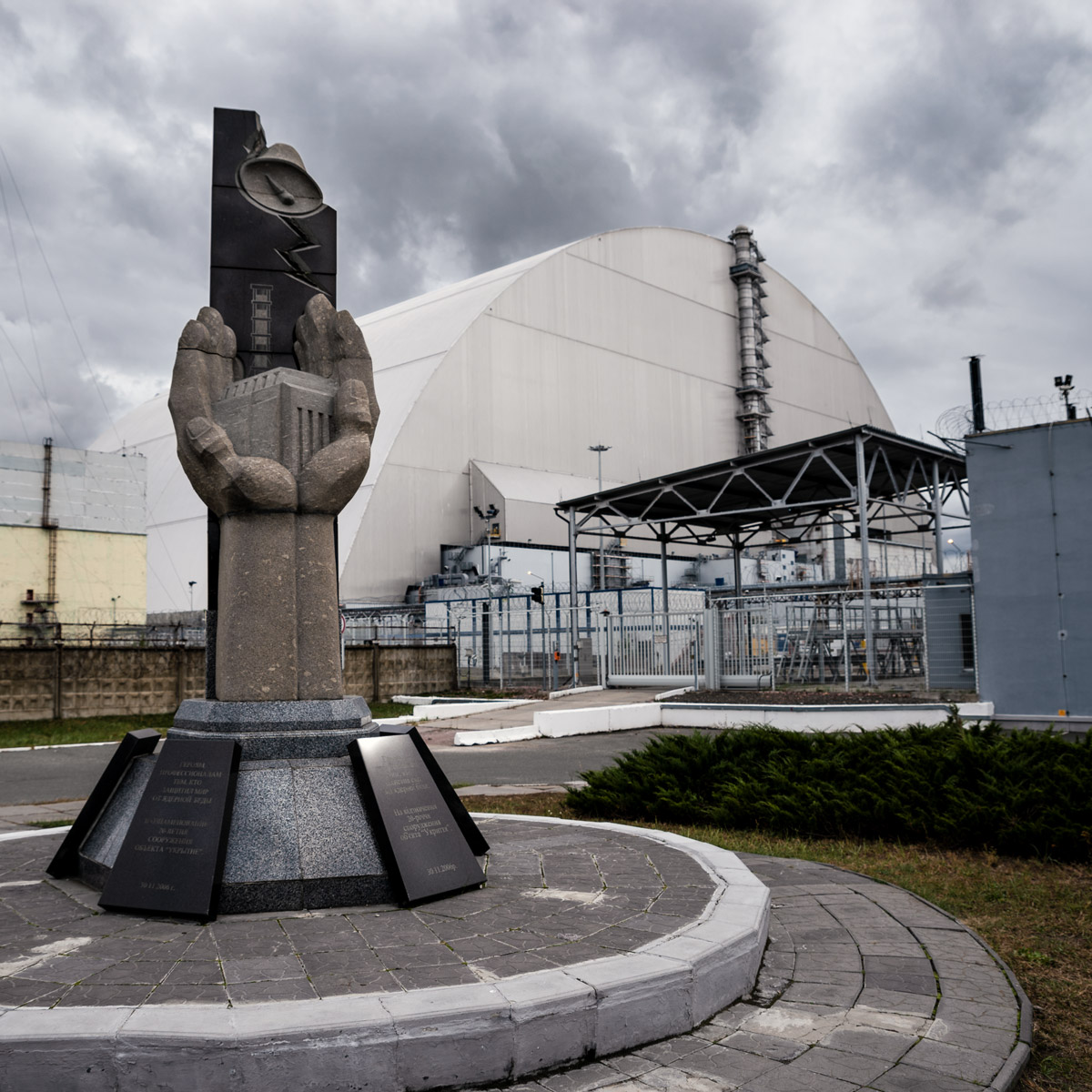
We drive to Reactor 4, which is encased in a steel-and-concrete shell, a “sarcophagus.” The Geiger counter beeps – the radiation here is significantly elevated, despite being several hundred meters away from the reactor, despite 30 years having passed since the accident, and despite a protective shell a meter thick. It is unimaginable what devastating forces were unleashed during the nuclear disaster.

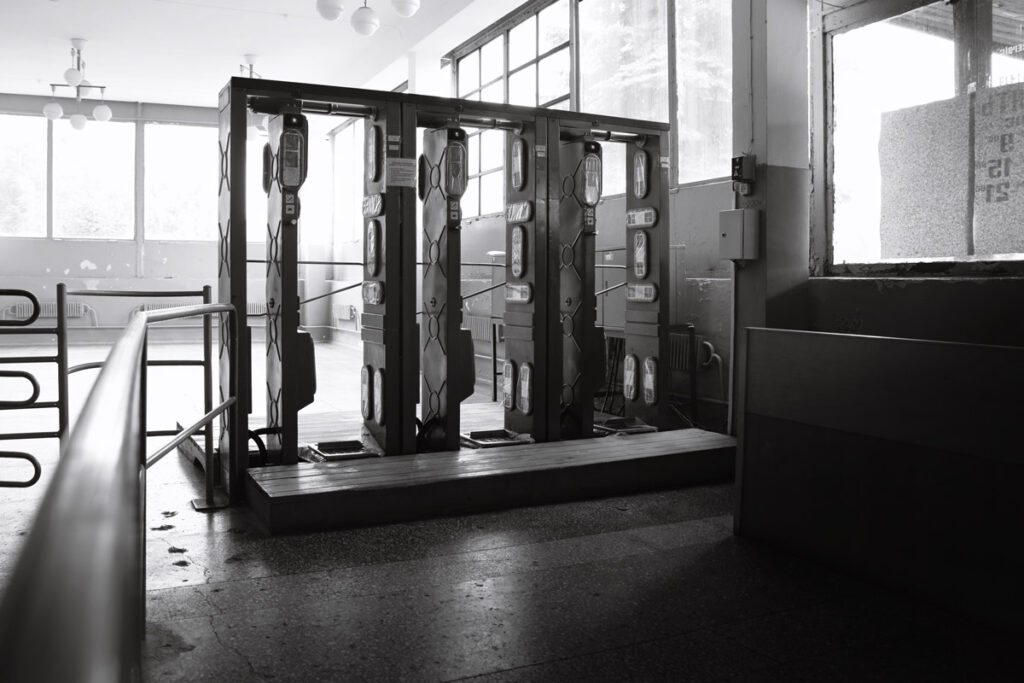
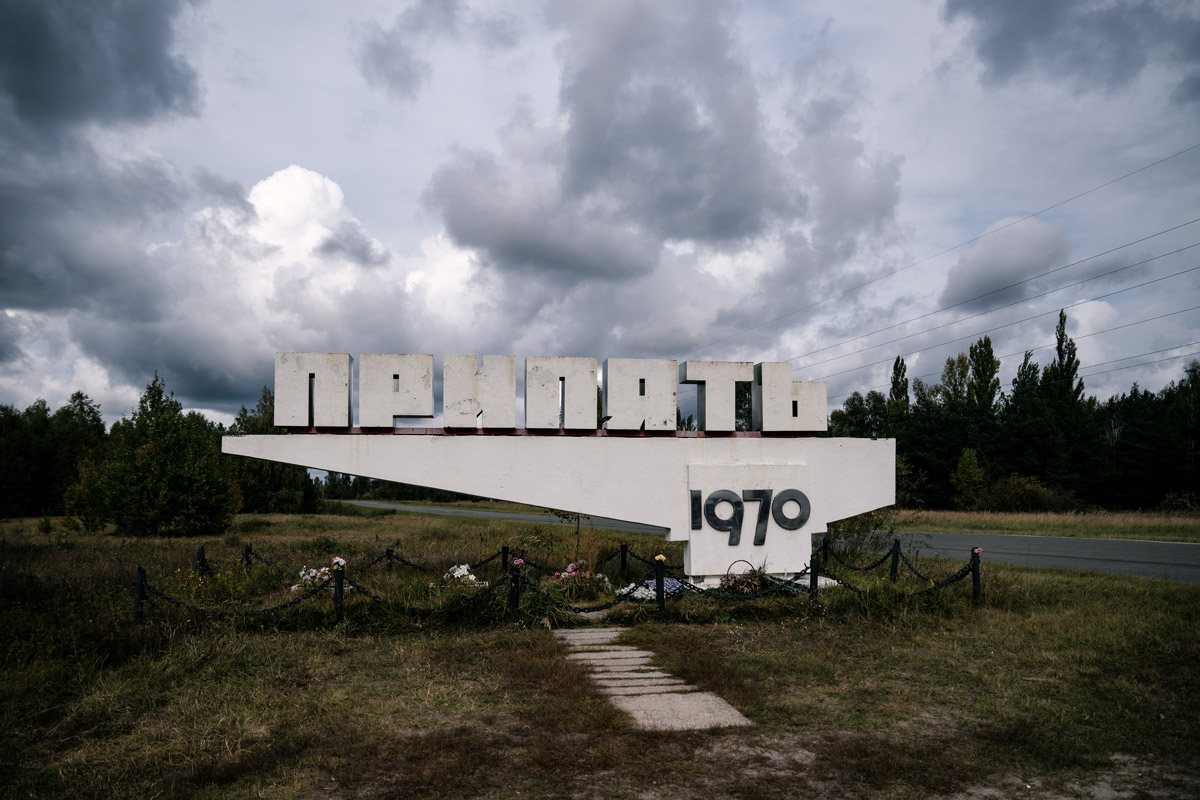
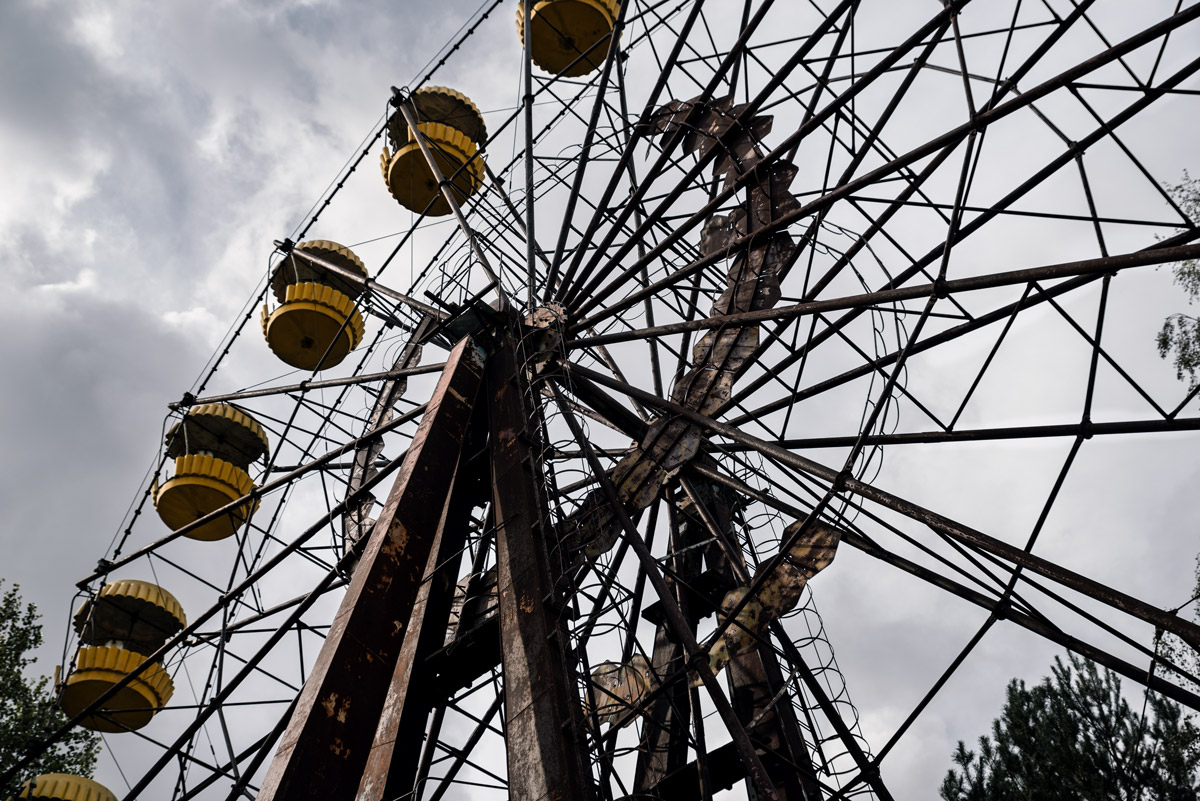
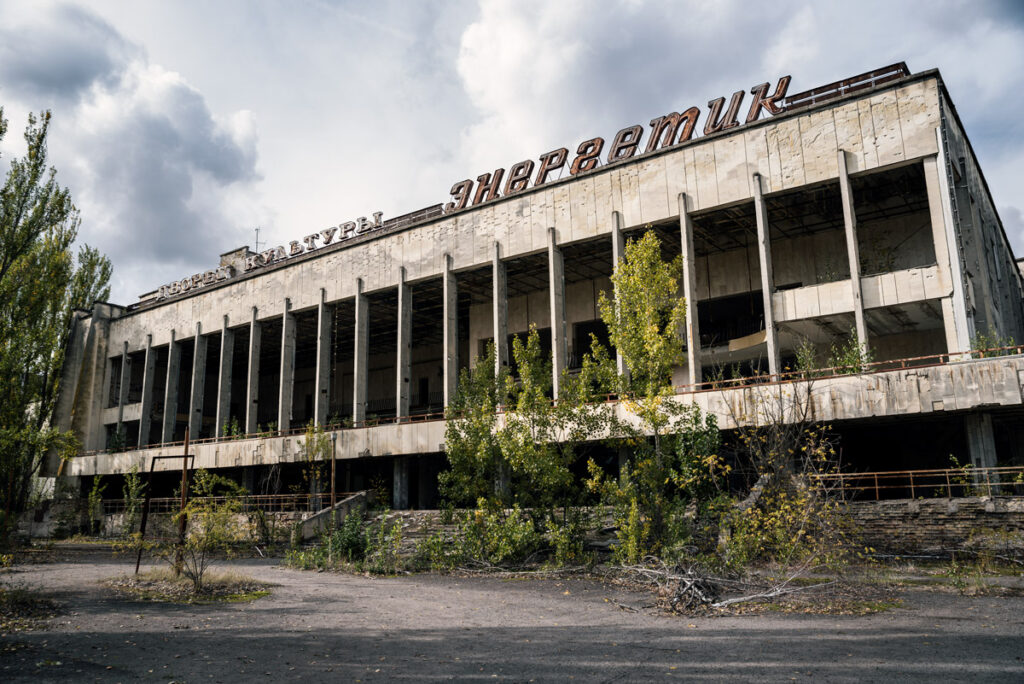
Just a few kilometers away lies Pripyat. Founded in 1970, this planned city was once considered a modern showcase of the Soviet Union. The nuclear power plant provided secure jobs, and the city also featured schools, sports facilities, cultural centers, and a wide range of recreational activities. A new amusement park was scheduled to open on May 1, 1986. That never happened. A few days earlier, Reactor 4 suffered a meltdown. Residents had to evacuate their city within a matter of hours – hoping to return soon.

Tschernobyl
Tschernobyl
Tschernobyl
Tschernobyl
Tschernobyl
Tschernobyl
Tschernobyl

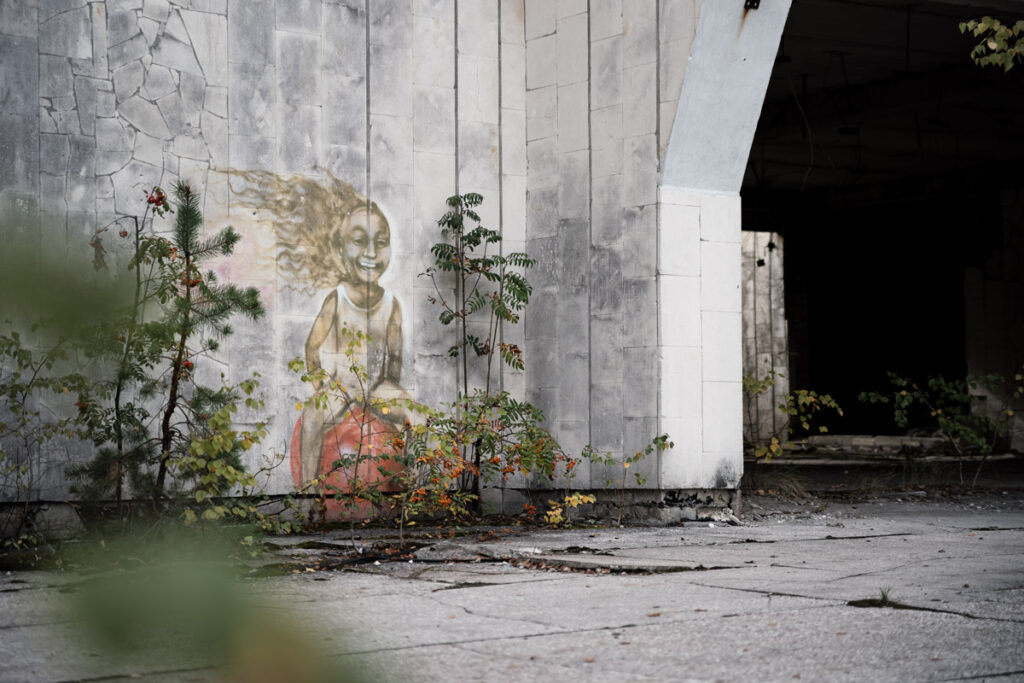
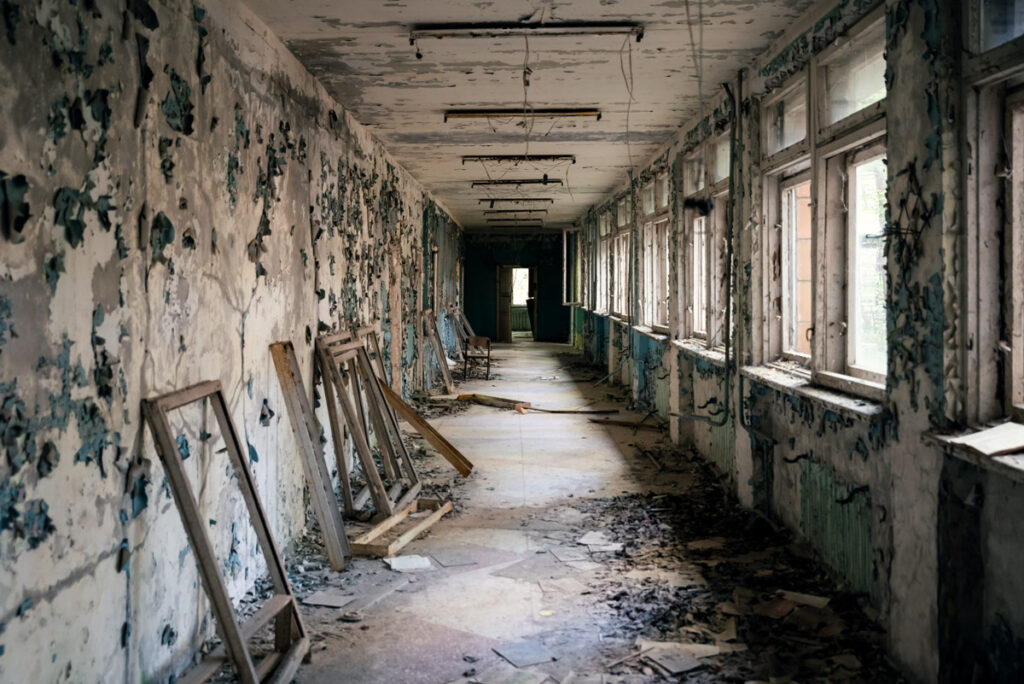
Pripyat is a place unlike any other in the world. No one lives here anymore – not even the homeless. Over the past 30 years, nature has reclaimed the city. Trees and shrubs grow rampantly in the middle of streets and parking lots. Deer roam among the rows of houses. Slowly, vegetation is also making its way inside the buildings.

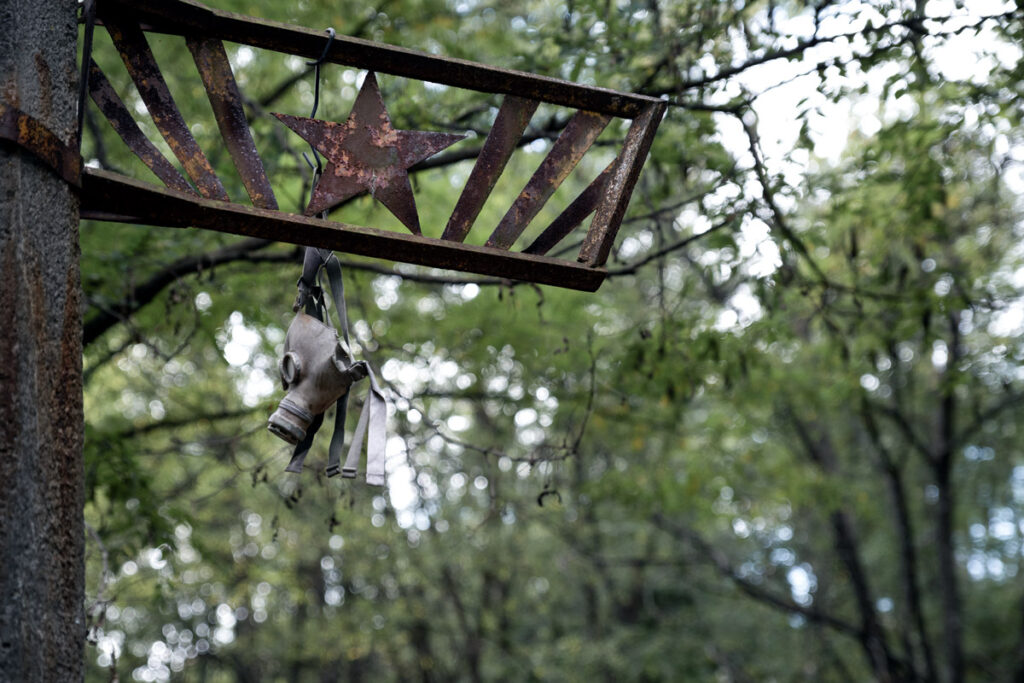
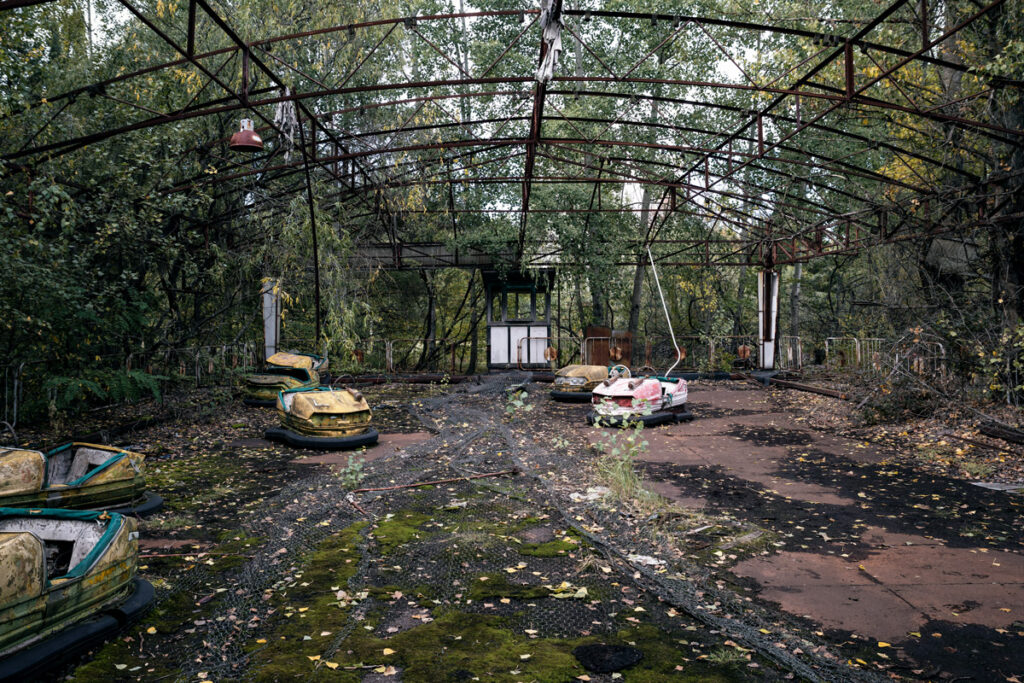
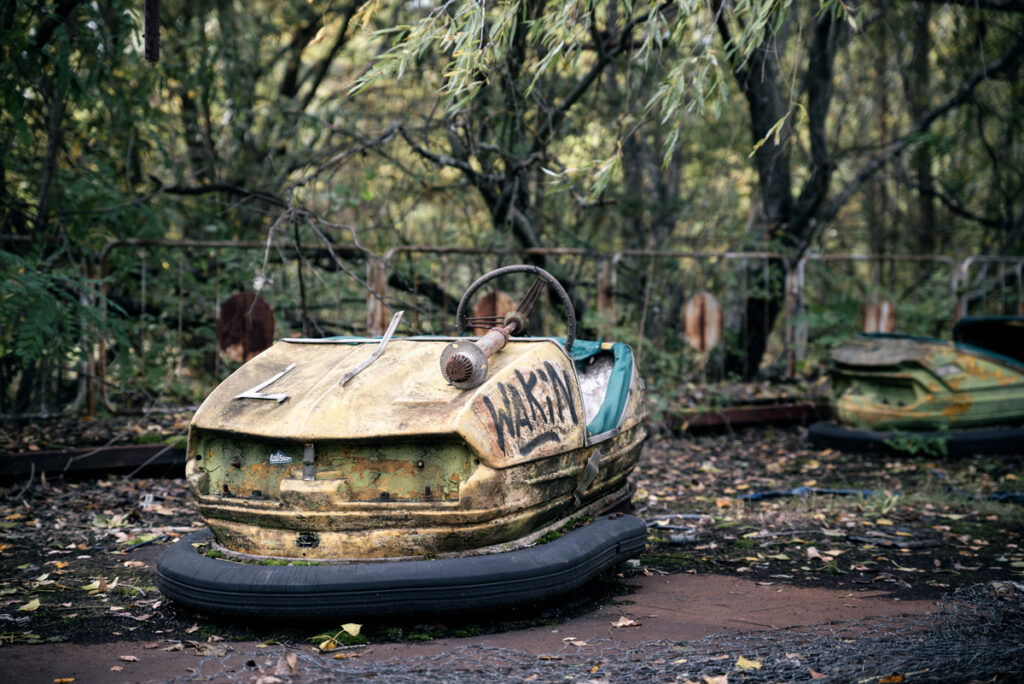
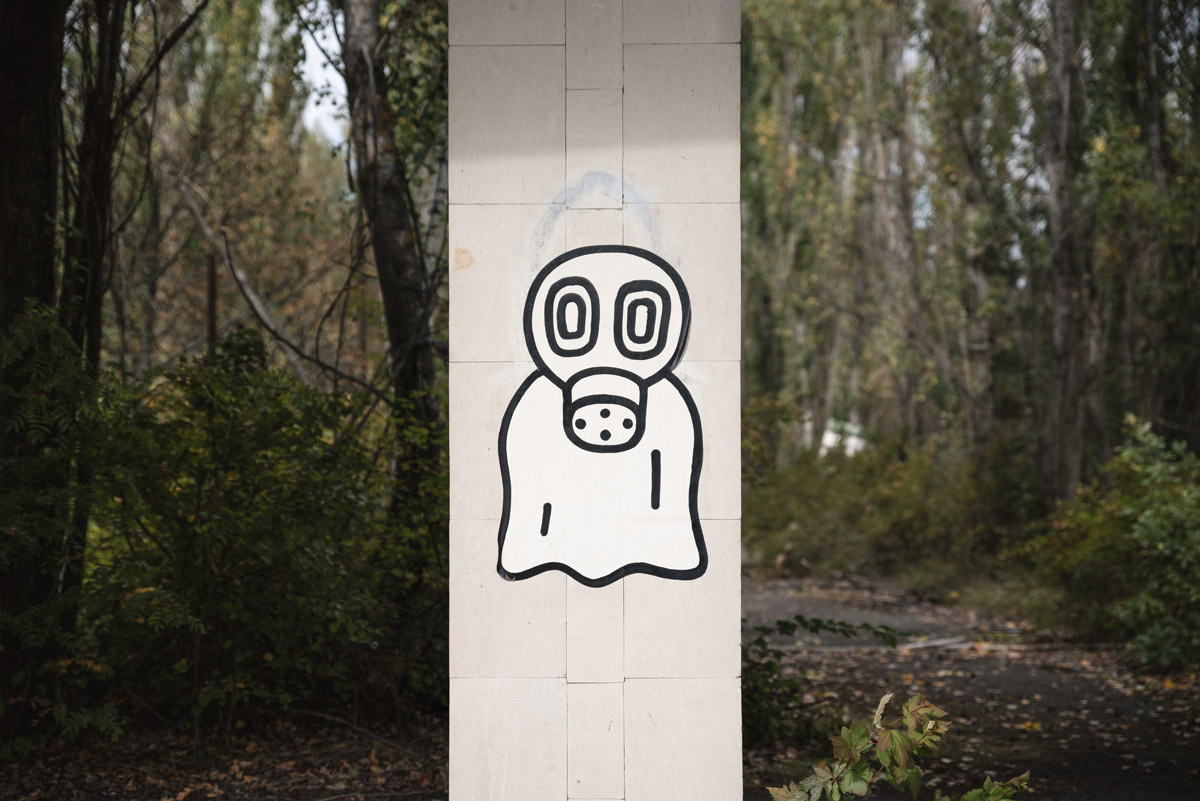
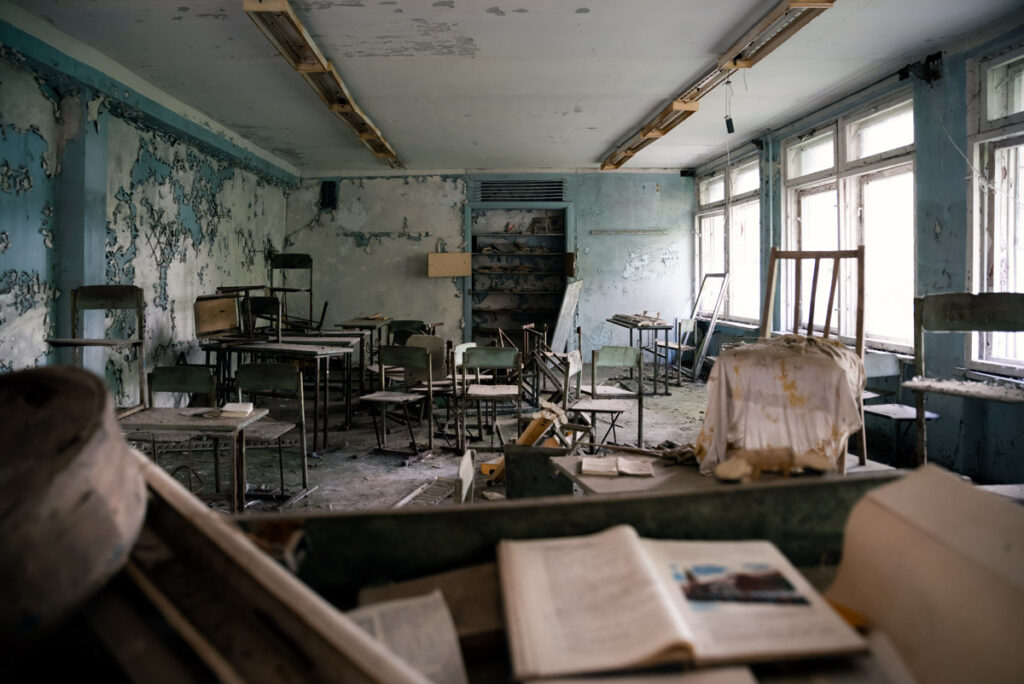
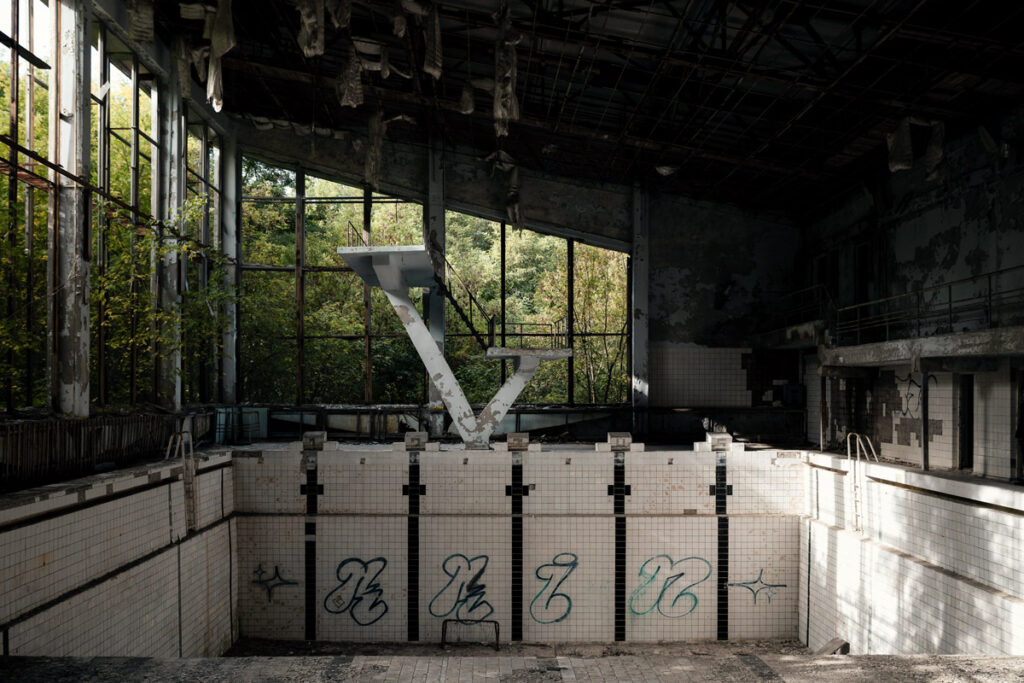
In the former school building, textbooks and notebooks still lie on the desks. Hundreds of gas masks, once scattered by looters in the hallways, create a scene that is as surreal as it is unsettling. Shreds of disintegrating insulation hang down from the roof of the swimming pool. The amusement park, which was about to open when Reactor 4 went online, is quietly rusting away.

In another thousand years, everything here will be nothing more than a pile of scrap and ruins. Archaeologists from a distant future will excavate this site from the mud and perhaps declare it the turning point of humanity – the pinnacle of the atomic age and the vague realization that some forces are difficult to control.

Tschernobyl
Tschernobyl
Tschernobyl
Tschernobyl
Tschernobyl
Tschernobyl
Tschernobyl

The night train takes us from Kyiv to Odessa. We share our compartment with two quiet Ukrainian women who get off at a small train station sometime during the night.

Once we arrive in Odessa, it’s time for a hearty breakfast and a hot cup of coffee after we’ve settled into our accommodations in the backyard of an apartment building. Afterward, we take a guided tour of the city. Apart from a Spaniard, we are the only guests that morning. A young history student guides us through this gem on the Black Sea coast. We pass the opera house, the university, the harbor, and numerous other sights. Time and again, he tells us about the famous figures who have visited or lived in Odessa throughout its history – Mark Twain, Alexander Pushkin, Franz Liszt…

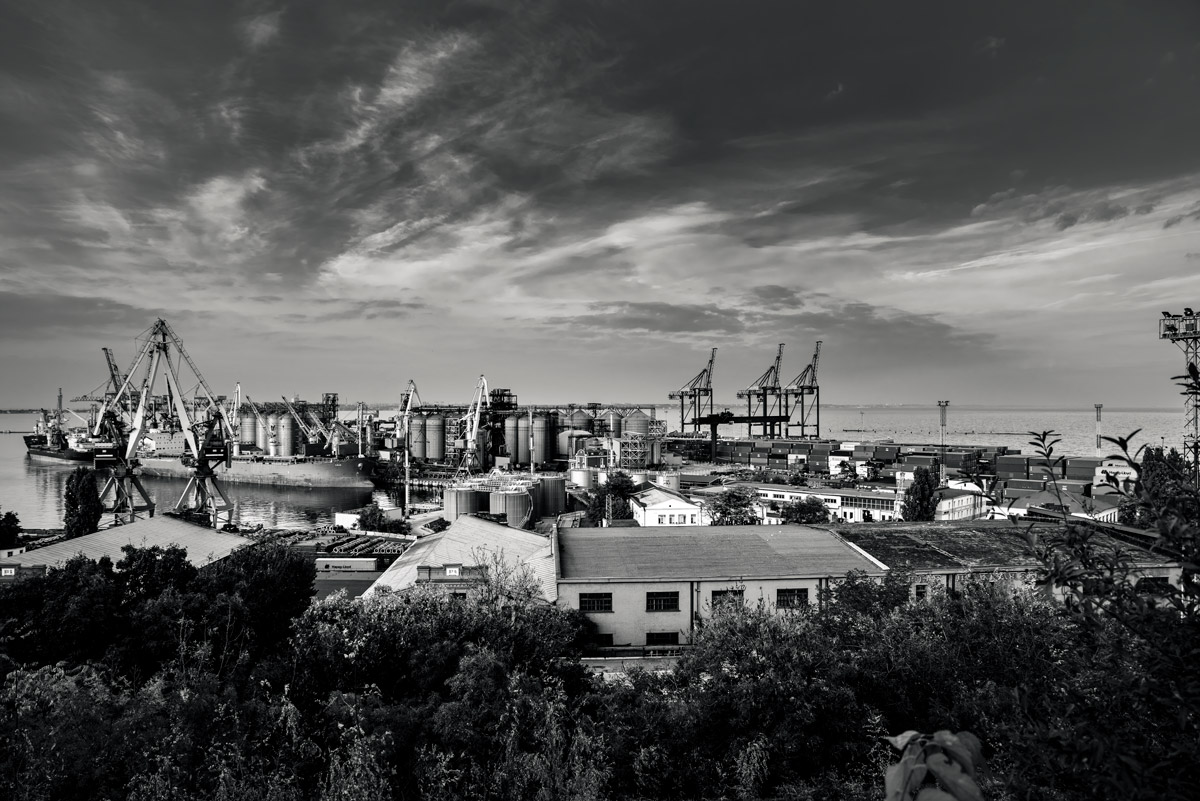
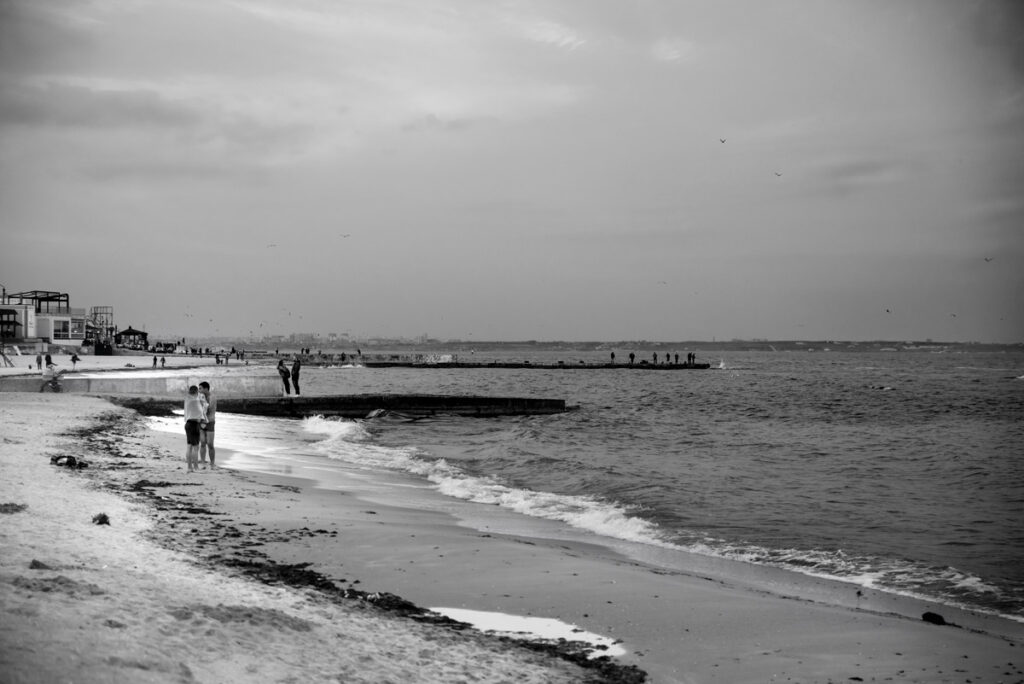
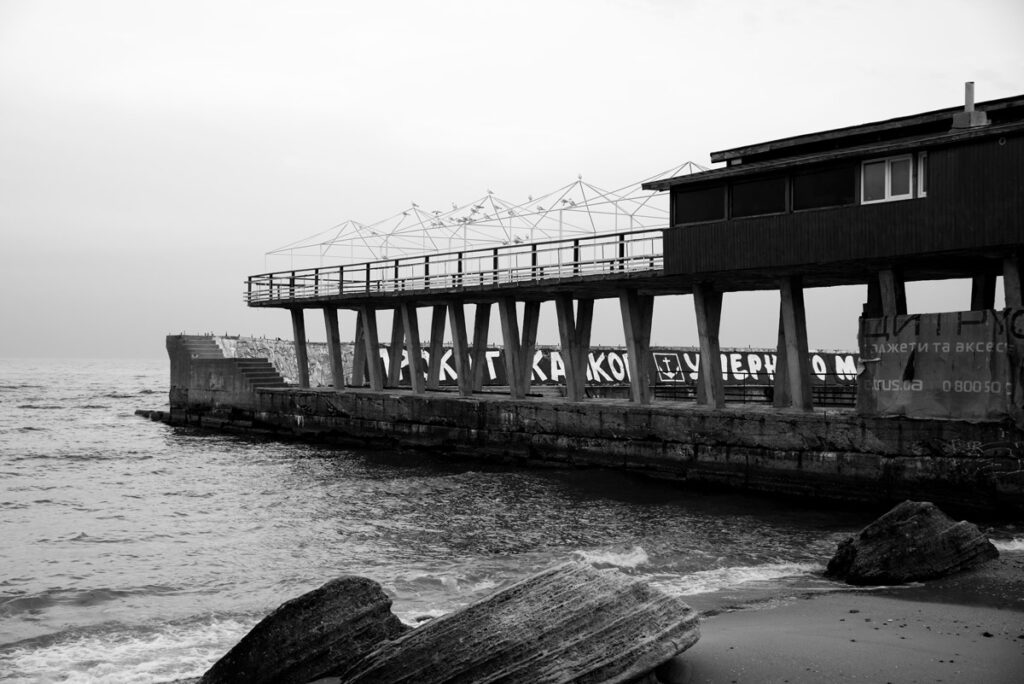
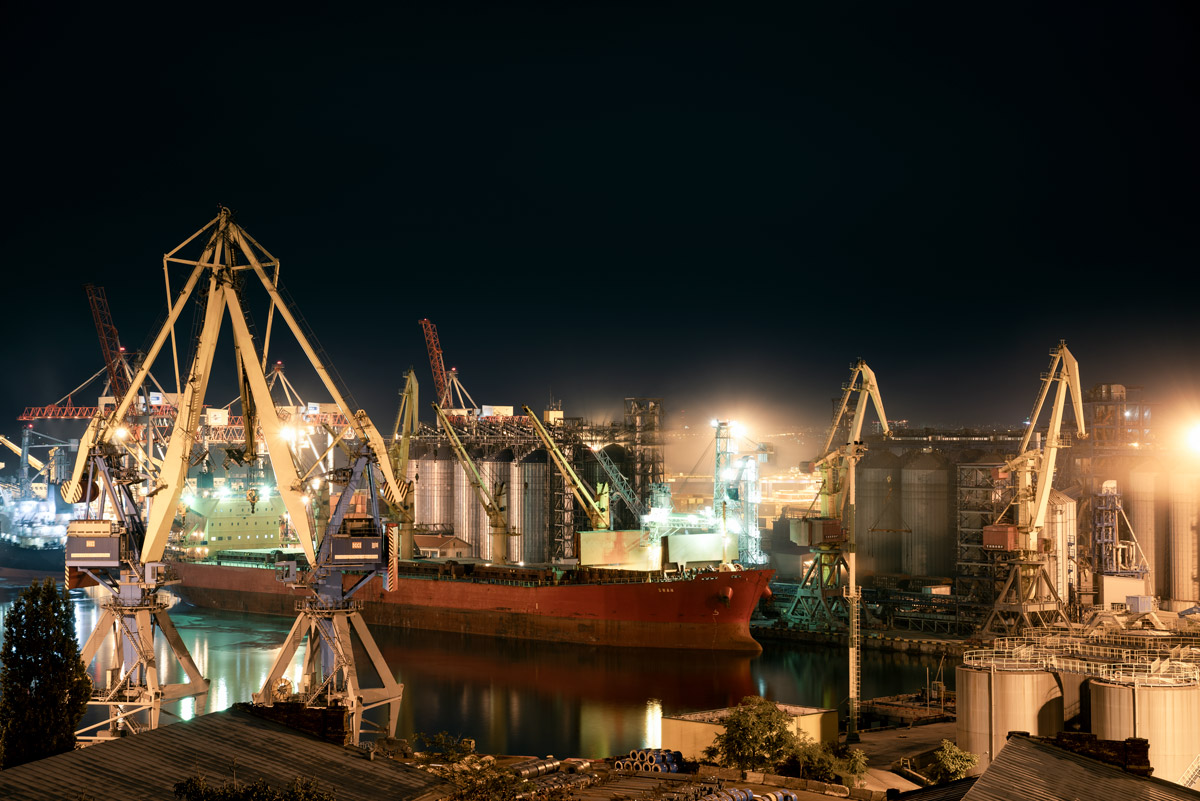
For many decades, Odessa was one of the most important port and trading cities on the Black Sea, as well as a cultural center of the region. The mild climate, the sea air, and the numerous beaches also made the city a popular health resort and vacation destination from early on. Merchants, artists, and immigrants from all corners of Europe shaped the cityscape over generations and made Odessa one of the most cosmopolitan cities in Eastern Europe.

Harbor in Odessa
Beach in Odessa
Harbor in Odessa
Harbor in Odessa

Ukraine’s future is uncertain. What is certain, however, is that this country possesses an extraordinary wealth of culture and natural beauty that is definitely worth discovering. It is difficult to estimate today how many buildings, churches, and historic cityscapes have survived the past few years unscathed – and what travelers will find there in the future.

We can only hope that one day Ukraine will once again be a country that can be visited without worry. For behind all the headlines lies a fascinating travel destination with warm-hearted people, an impressive history, and a cultural diversity that has left a lasting impression on us.

Info about our trip