Ancient Khmer temples, modern places of worship. Dense jungle, congested city. Welcome to Nakhon Ratchasima, Thailand’s largest province and, after Bangkok, its most populous. The province borders the vast Khao Yai National Park in the south and the historic Phimai Park in the north. As the westernmost province of Isaan, it is also known as the “gateway to Isaan” – and thus a gateway to the authentic Thailand that many tourists seek beyond the ladybars and beaches.
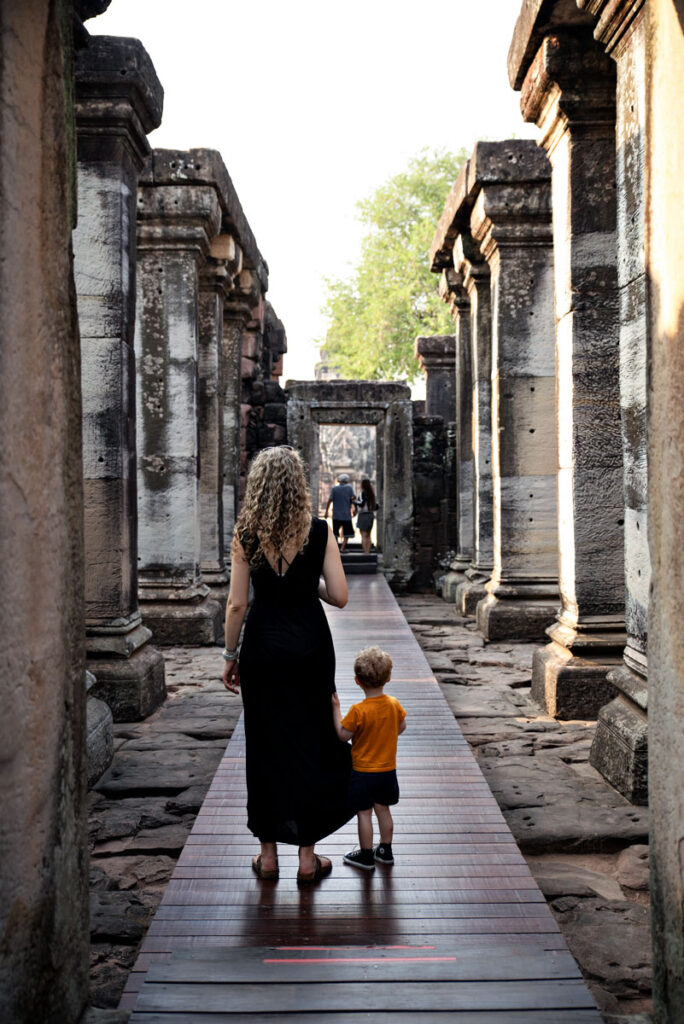
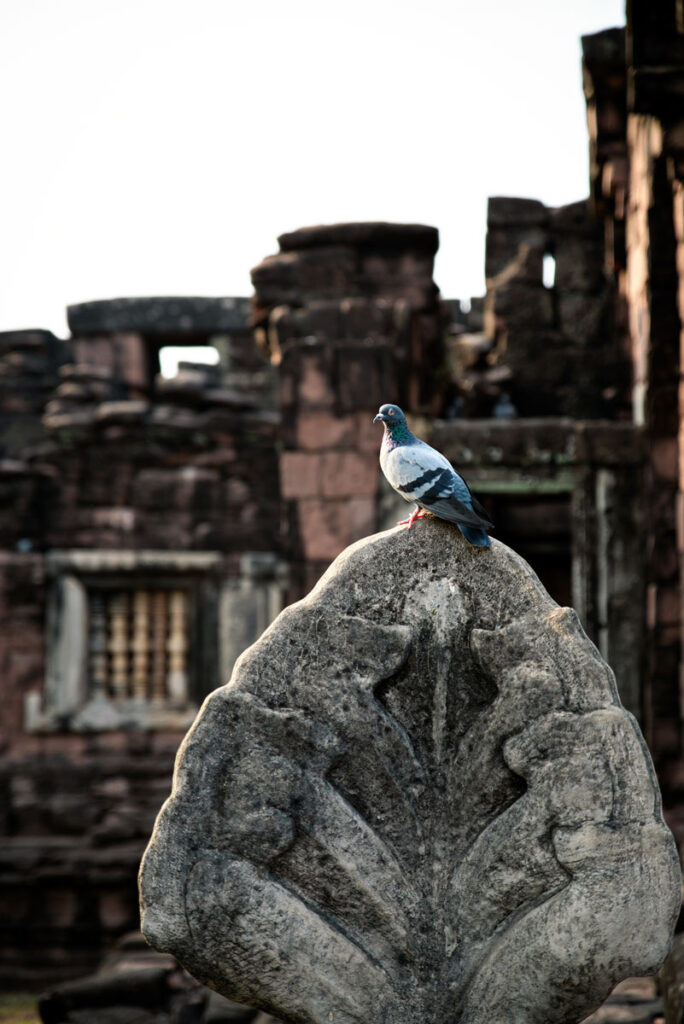
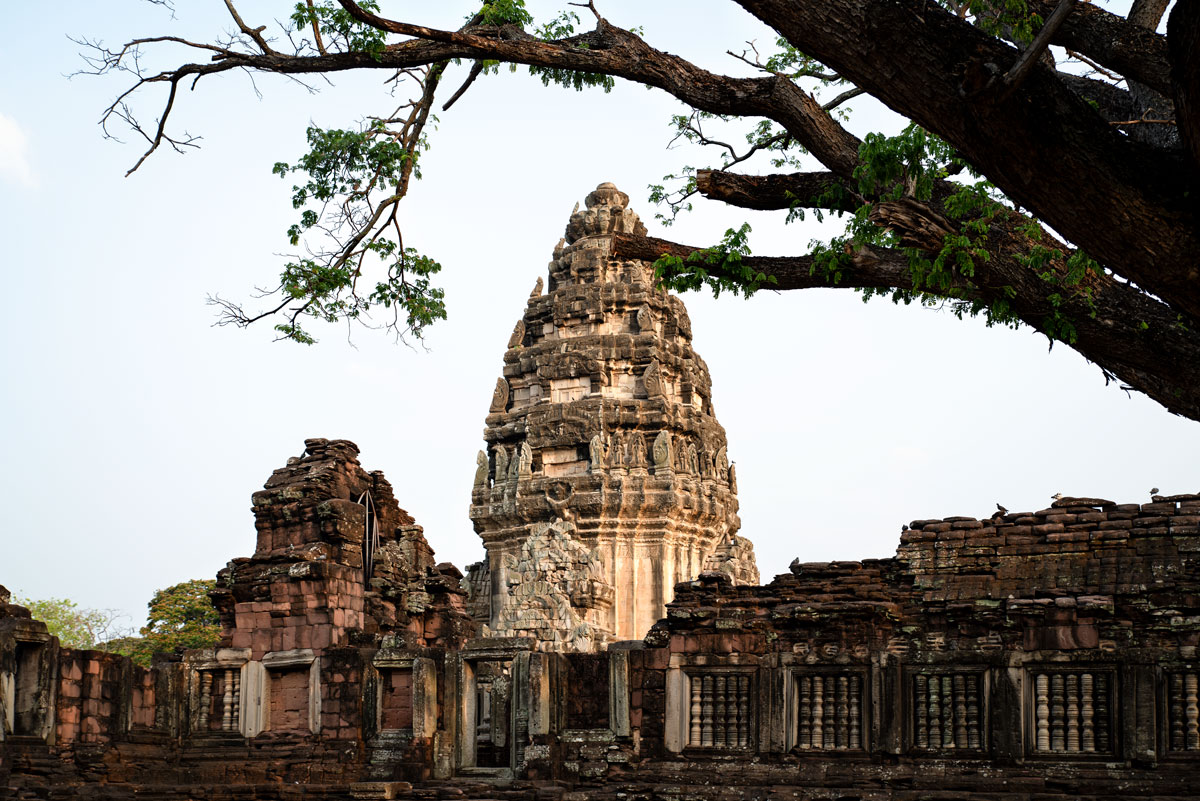
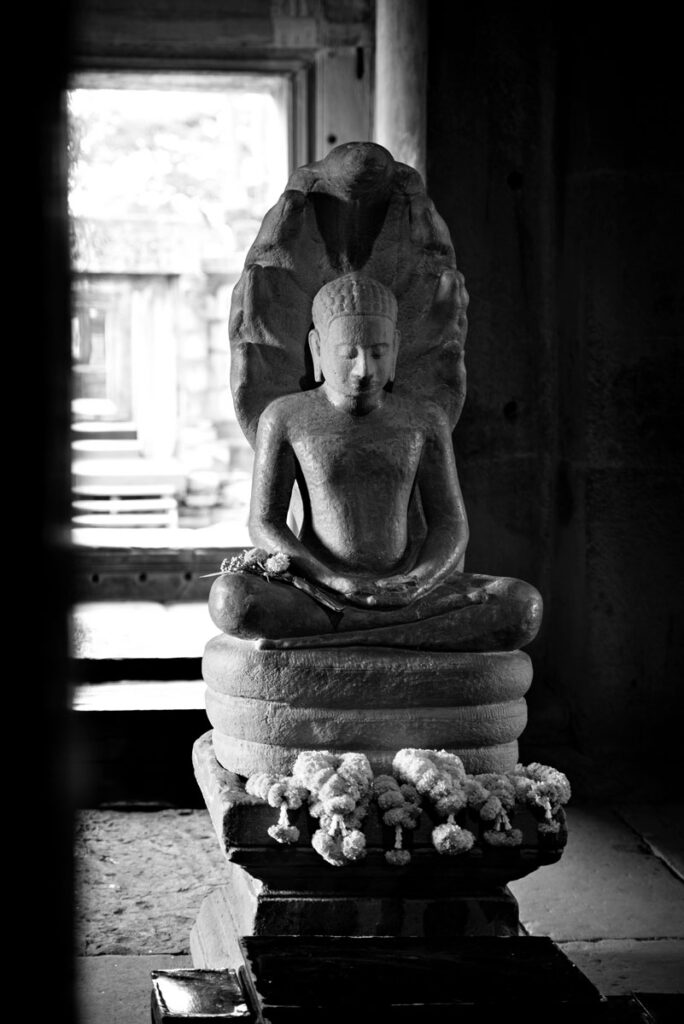
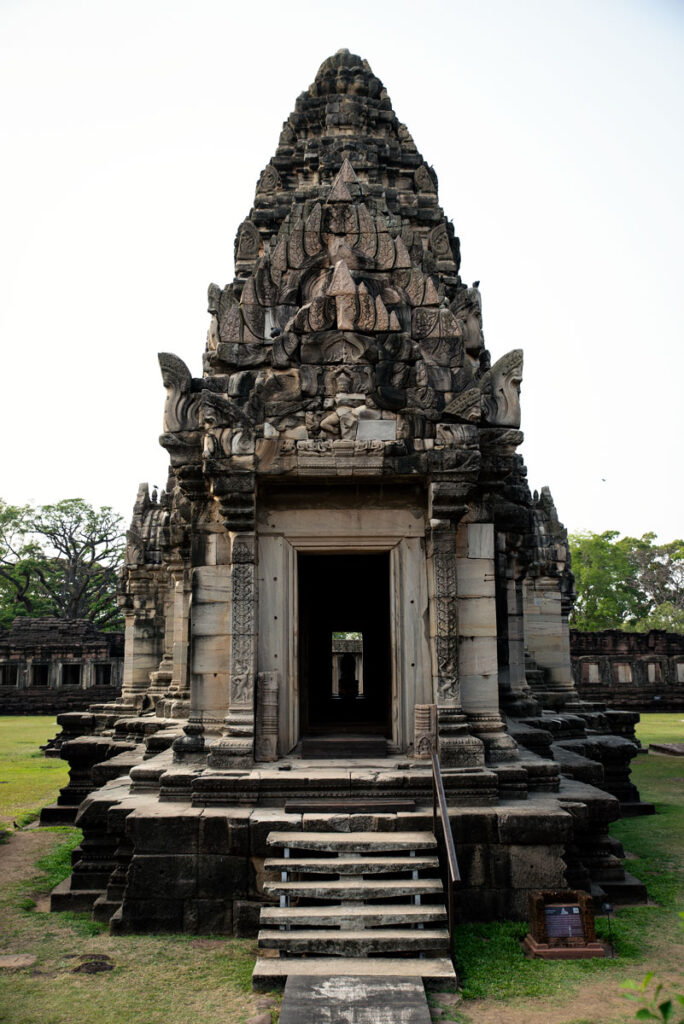
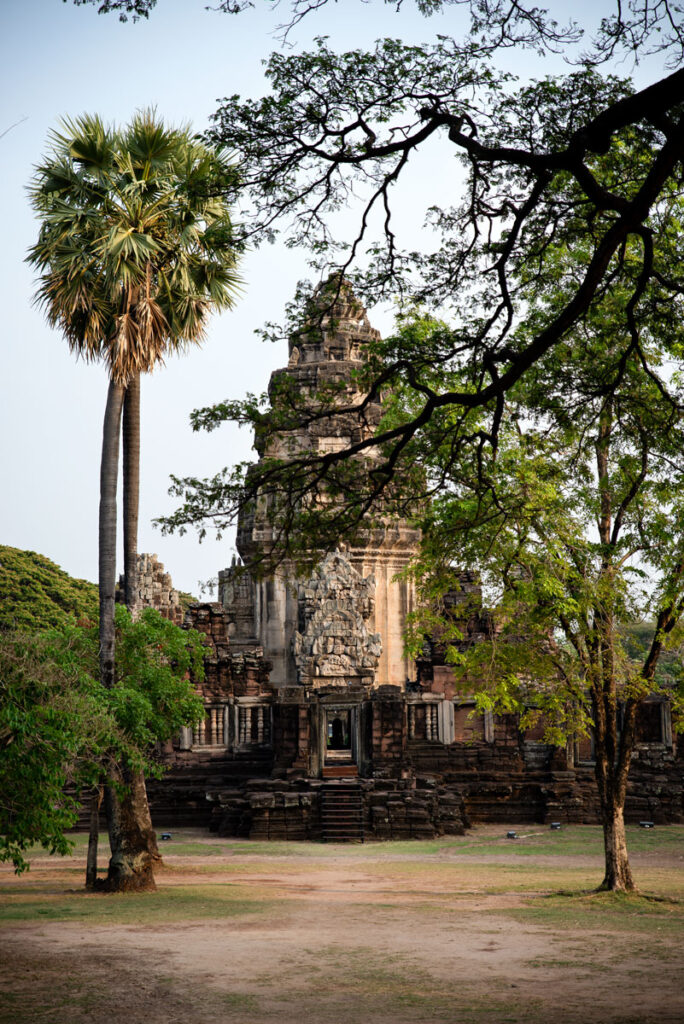
Dancers study a choreography in the shade of the afternoon sun. Behind them rise the ruins of the historic Phimai Park. The few visitors are lost in the vast area, so that one quickly gets the impression of being alone – perhaps even of having traveled back in time a few centuries. Stone lions guard the temple entrances. Inside the cool main temple stands a Buddha statue, adorned with fresh flowers. Pigeons coo in the roof trusses, and in the darkness we see the silhouettes of bats.
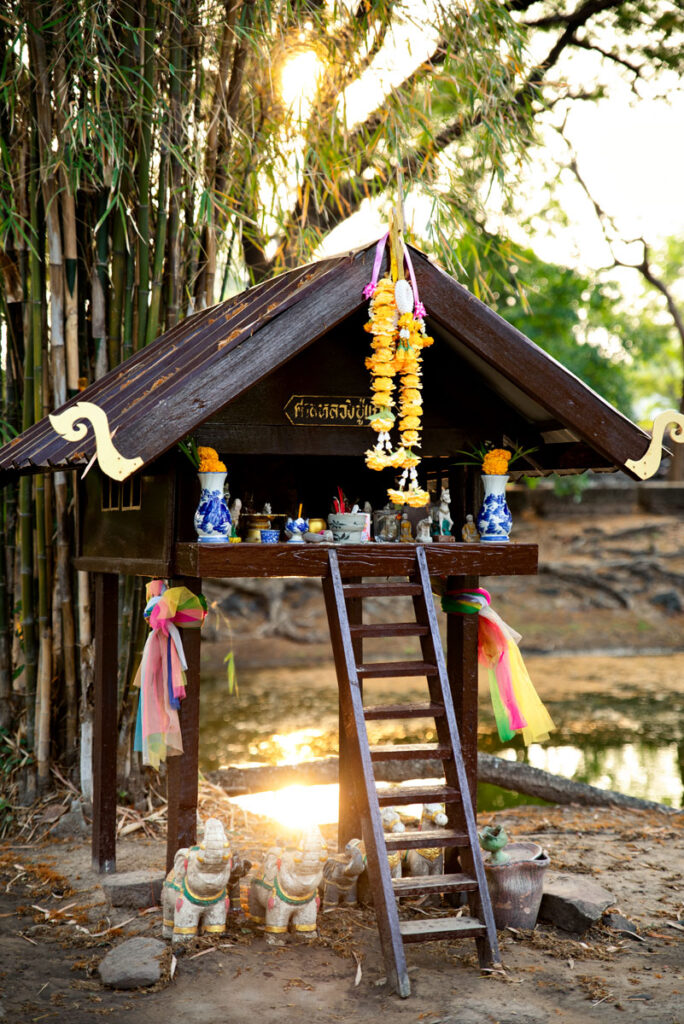
There is a spirit house in a small bamboo grove. Incense sticks are burning, and small offerings have been placed there. Thailand is a country full of magic – even in these long-abandoned ruins, the ghosts of ancestors may still dwell.
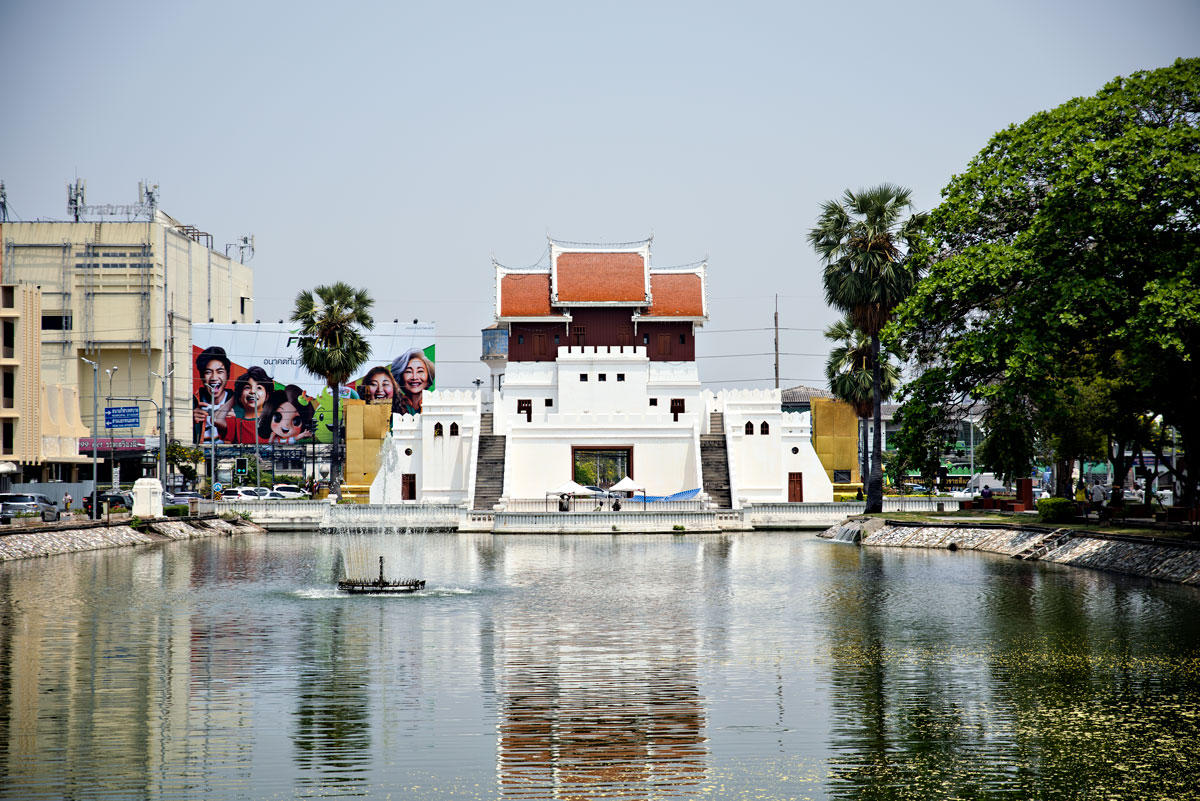
Congested, multi-lane roads, lots of noise, and poor air quality. From oversized billboards, advertising slogans and cheerful faces literally scream at us. On every street corner you see will find the all-too-familiar 7-Eleven stores. Nakhon Ratchasima feels like a real big city – a bit of a culture shock if you’ve been traveling through the idyllic tranquility of Isaan for days.
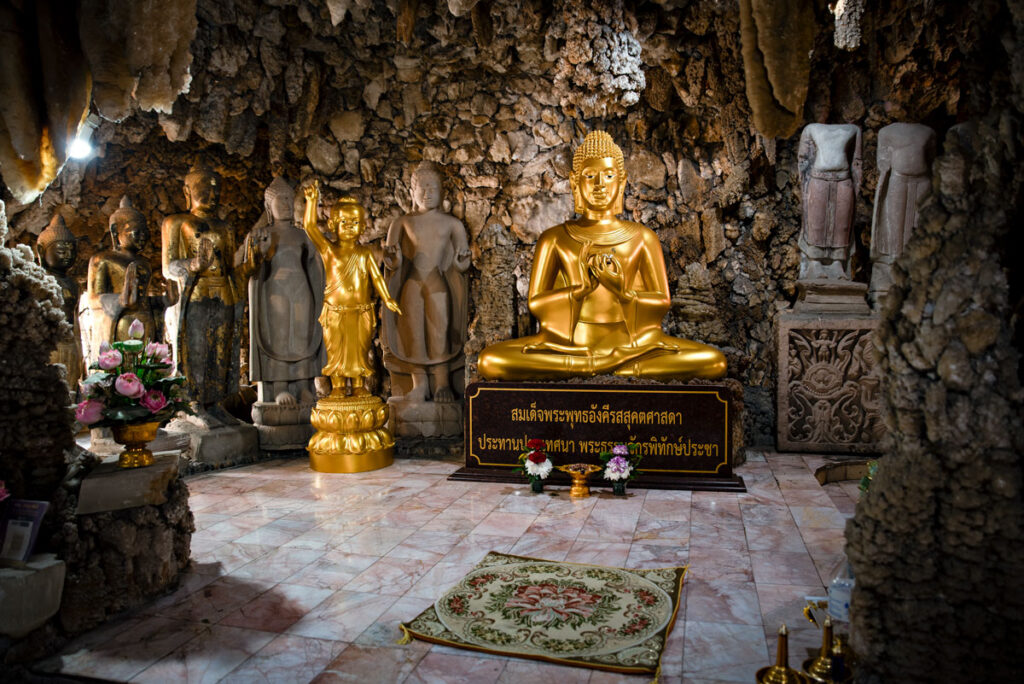
We flee from the old moat and city gate to the Samakkhi Temple. A monk invites us to visit the artificial Buddha cave beneath the temple. Daylight falls through narrow window slits. The gold of the statues looks new and glittering, the air is cool. A quiet moment of spirituality.
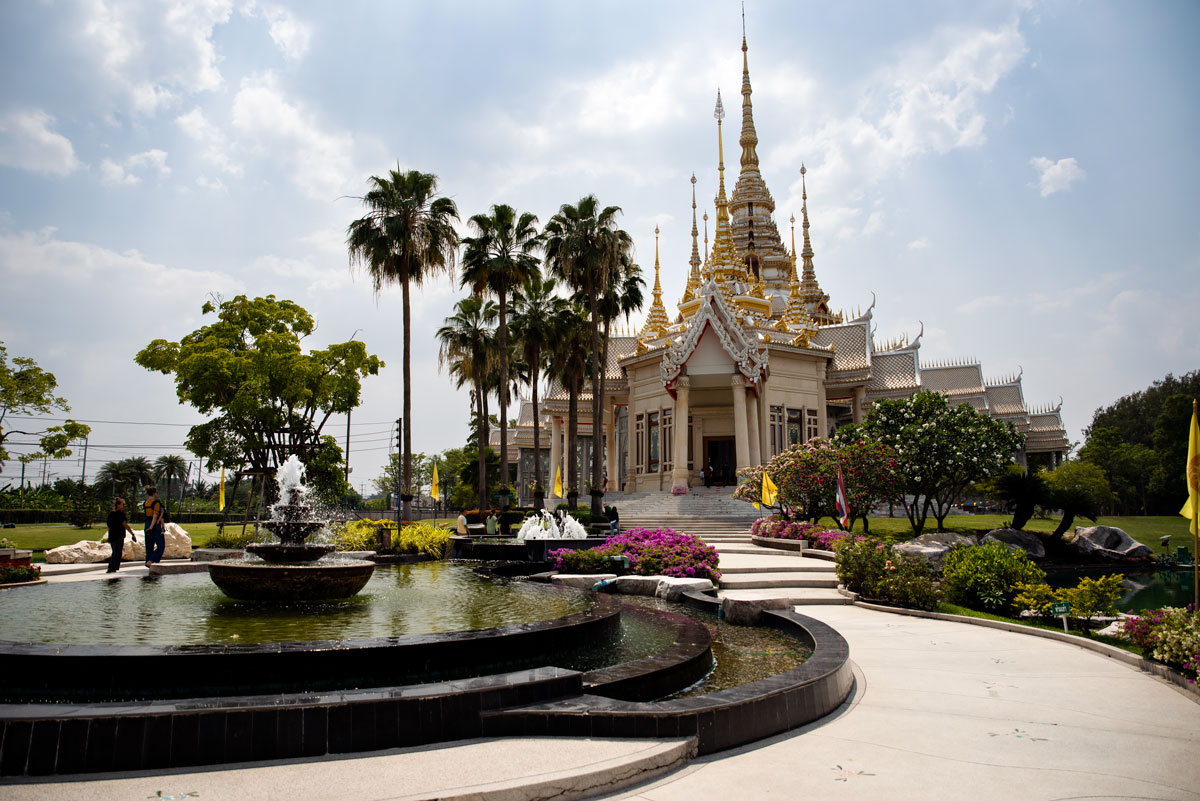
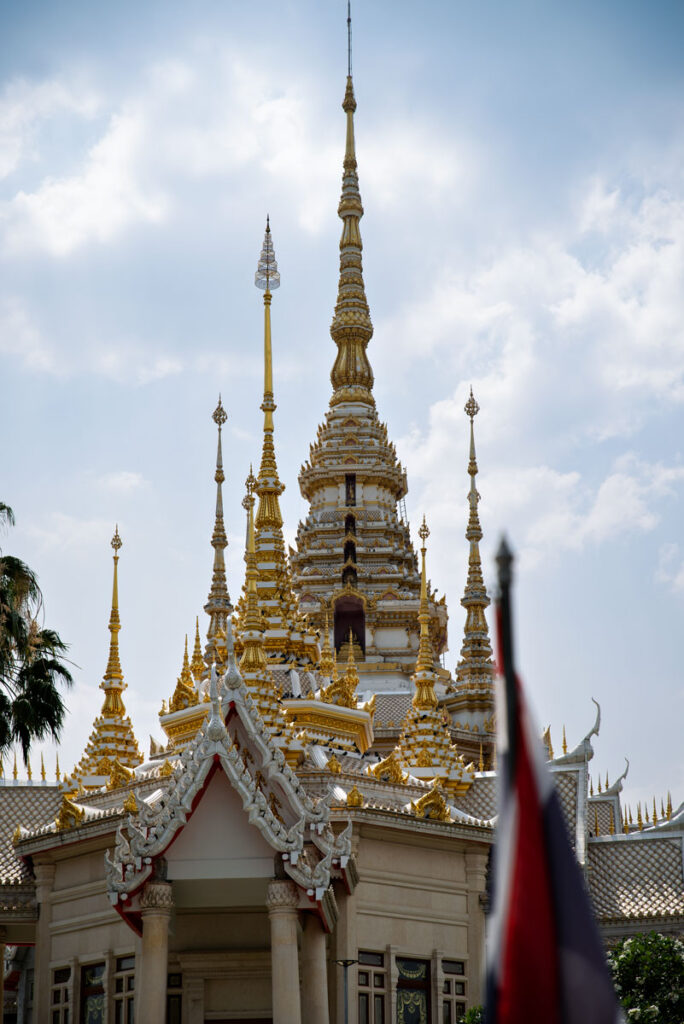
Golden temple spires rise into the blue afternoon sky. The sun reflects off the stucco, the precious stones, and all the shimmering decorations. A lovingly designed park, a full parking lot. A water fountain and a man with a microphone who personally greets every temple visitor – and directly points out the donation options.
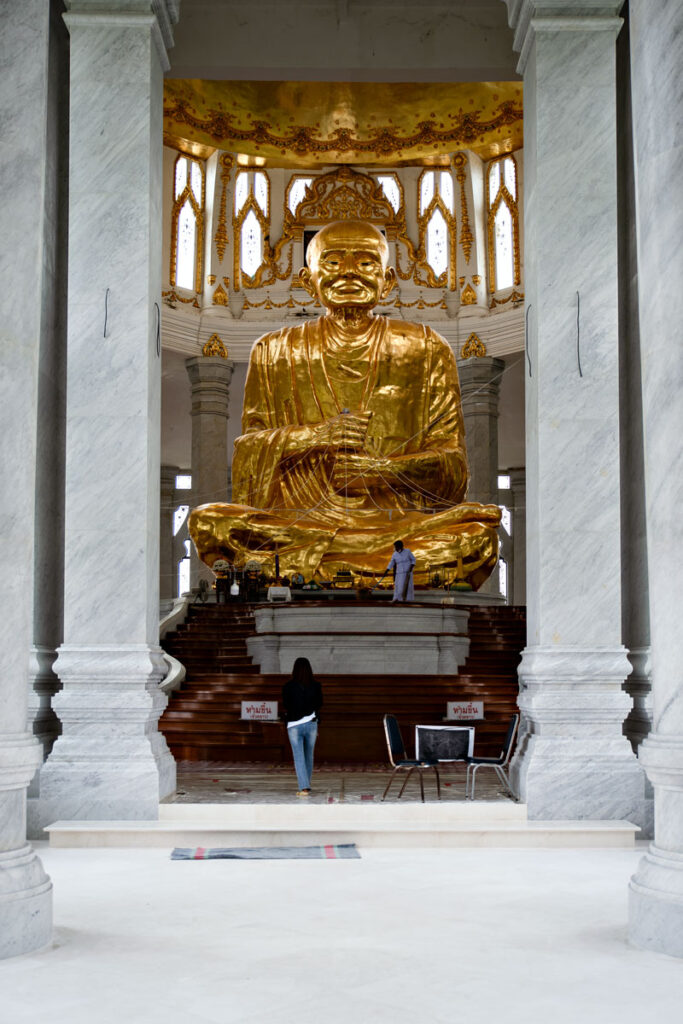
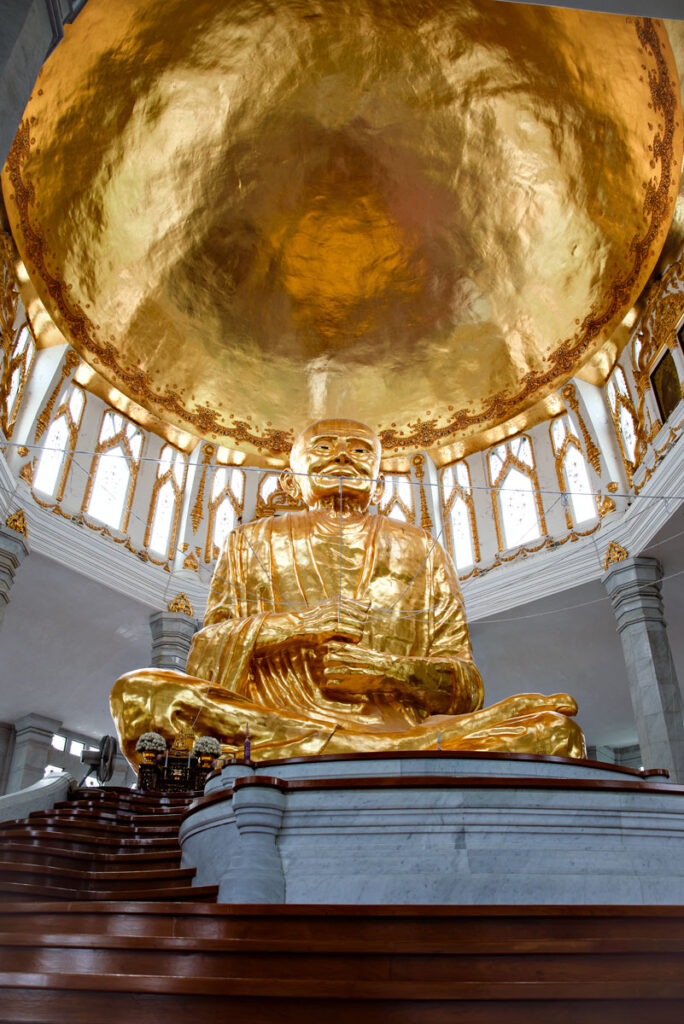
In the huge hall of the Non Kum Temple sits a golden statue of the illegitimate son of the second king of Thailand from the Rama dynasty: Somdej Toh. He became Thailand’s most famous monk and is said to have possessed magical powers. But there is another personality who almost steals the show: the actor Sorapong Chatree, who played a major role in financing the temple with his donations. An entire corner of the large hall is dedicated to him alone, and everywhere we encounter pictures and personal valuables of his, displayed in showcases. Animism, spiritualism, religiosity, and personality cult merge into a greater whole.
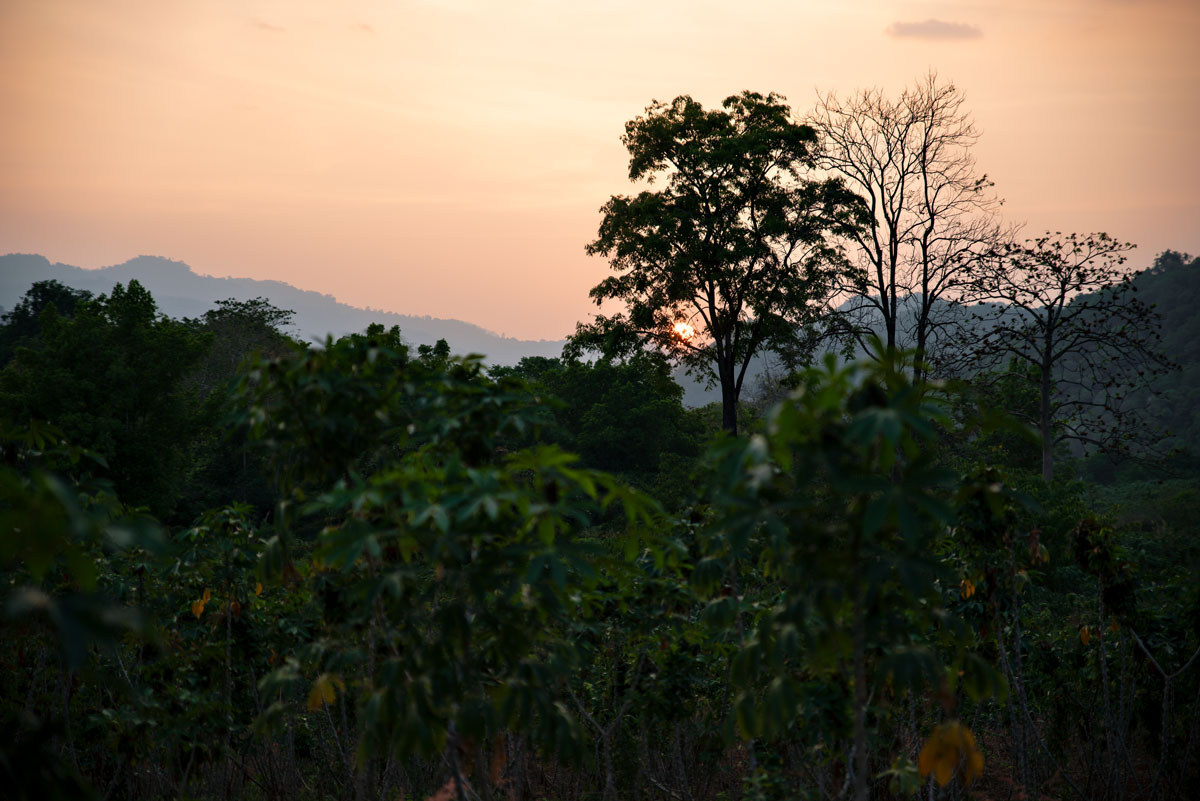
We drive south and spend a night at the gates of Khao Yai National Park. Behind the wooded hills, it is raining – we can see the heavy, dark clouds. Fortunately, we are on the sunny side of the mountains. The landscape has changed dramatically – the dusty, barren pastures and dry rice fields of Isaan have given way to lush greenery. It has become cooler and suddenly we are surrounded by tourists, hotels, and bars.
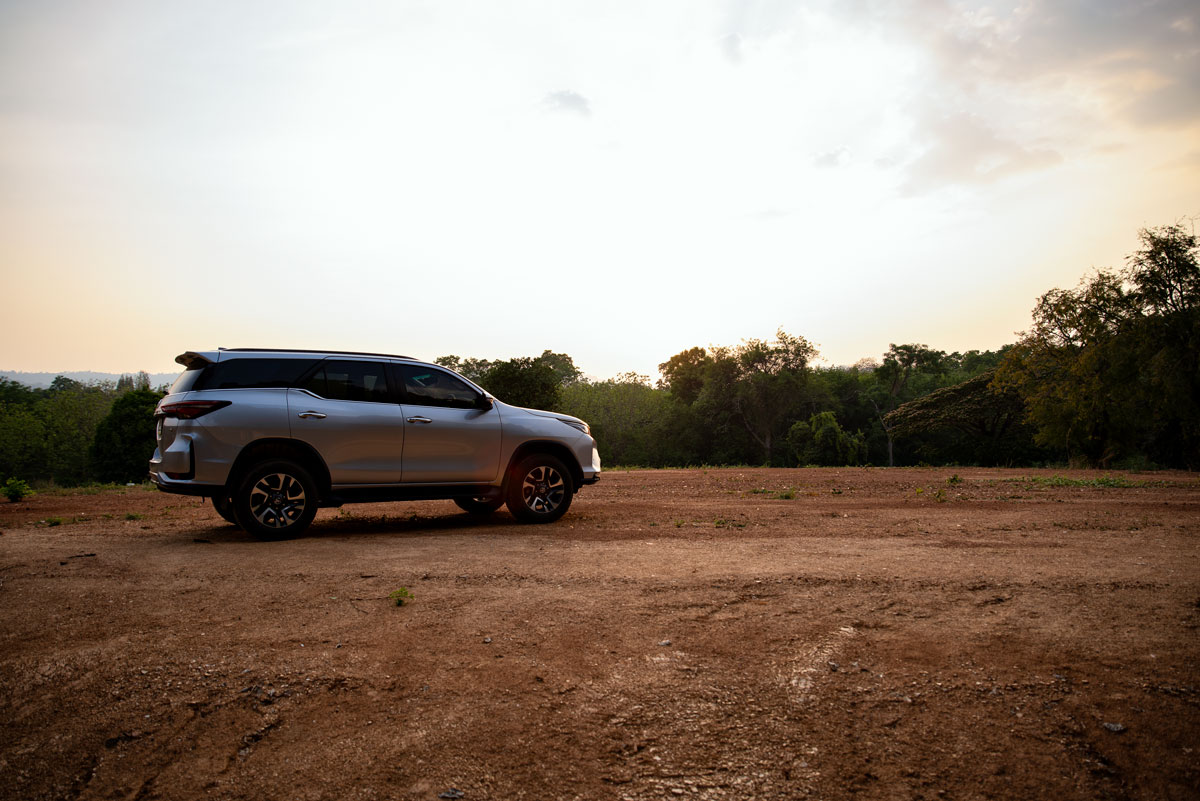
We explore the hinterland on dirt roads and unpaved streets. Our drone flies into the sunset, while a giant statue of Buddha keeps watch over everything. When it gets dark and we’ve had dinner, we enjoy a cool drink on our balcony. Our gaze falls on a construction site: clear-cut land, building machinery, and piles of earth. The resorts are getting closer and closer to the national park.
The province of Nakhon Ratchasima is a gateway between worlds. Coming from Isaan, the region feels like another big city with urban flair. Those arriving from Bangkok, on the other hand, will find the provincial capital Khorat rather tranquil – after all, the variety of bars, restaurants, and cultural offerings is far less extensive than in the metropolitan area of the country’s capital. In any case, it is worth a visit – if only for the Khao Yai National Park in the south and the temple ruins of Phimai.