
Moldova
A small, almost forgotten country on the edge of the EU. A country torn between East and West. A country on the front lines of the war in Ukraine. A country effectively divided, with a breakaway province. A country that is virtually untouched by tourism. A country that could hardly be more unassuming.
We’re traveling to Moldova – or, as it’s officially known, the Republic of Moldova. From Transnistria, the breakaway region under Russian protectorate, an old, rickety bus – one that would have been taken out of service in Germany decades ago – takes us to the capital, Chișinău. But we plan to visit that only at the end of our tour. For now, Moldovan nature is on the agenda. So we head to the car rental agency, and shortly thereafter we’re sitting in our Dacia heading toward Gagauzia in the south of this small country.

The streets are empty. Oncoming traffic consists mostly of old Dacias or donkey carts, driven by wrinkled seniors with sun-tanned skin. The villages are small. Wild vines grow on the facades and in the front yards of the drab houses. Small fields of beans, cabbages, and root vegetables stretch out behind rickety fences. Skinny horses graze on endless pastures. Flocks of birds fly south across the blue autumn sky, and the water in the lakes and rivers is crystal-clear and fresh. The last harvests are being brought in; the grapes are plump and heavy or are just being picked. Cowherds cross our path and greet us with a joyless nod. The golden October sun shines down on it all, pouring its gentle warmth over the harvested land.
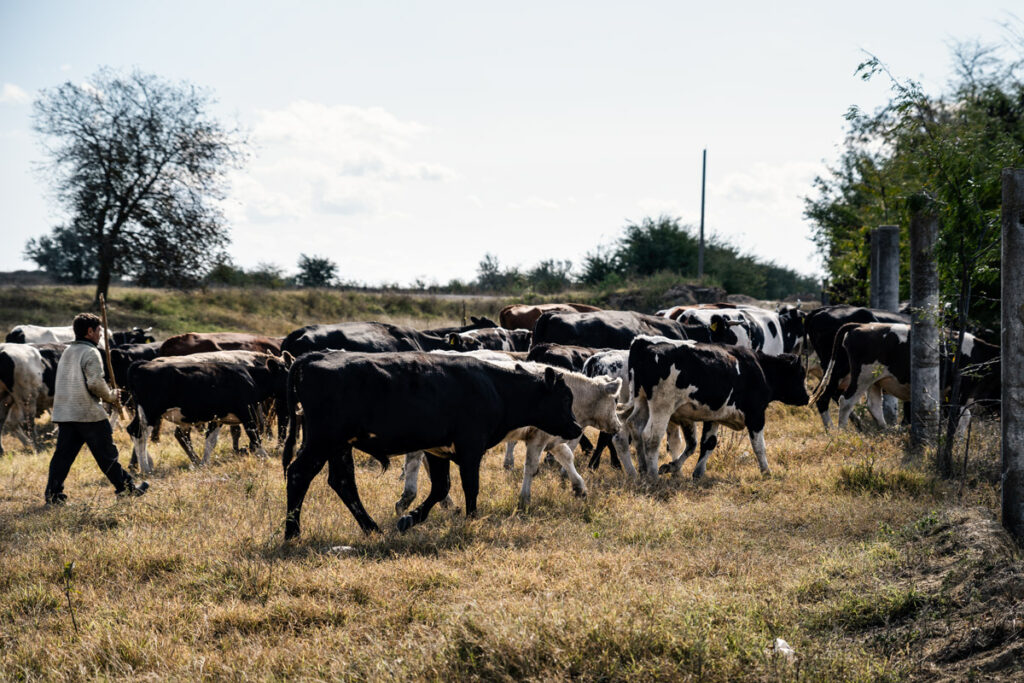
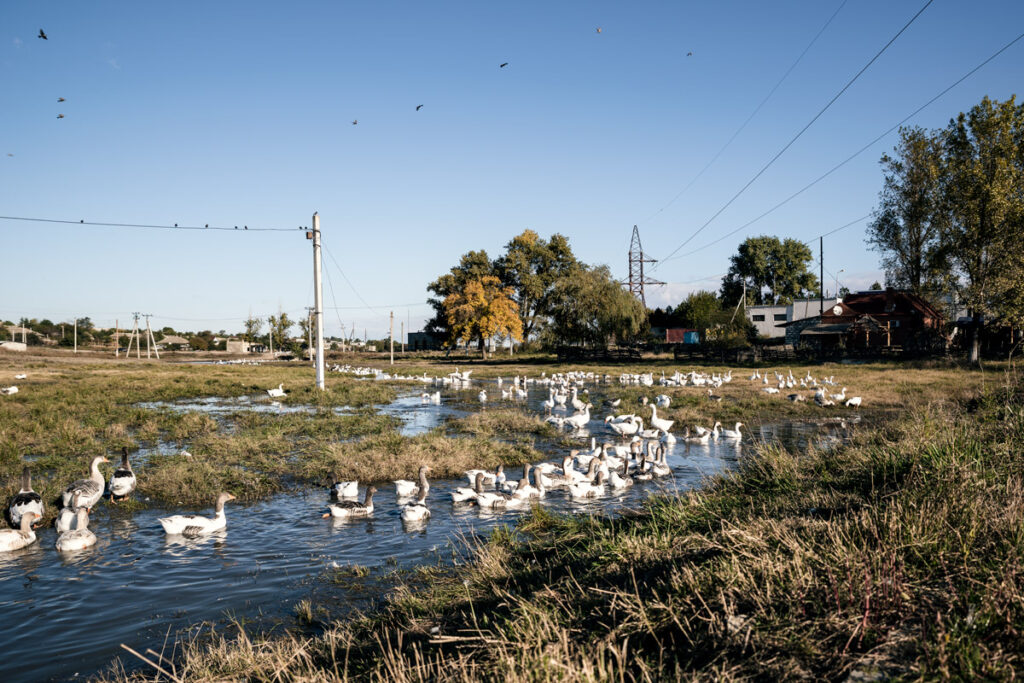

In the late afternoon, we sit in Comrat, Gagauzia, enjoying a cup of coffee and cinnamon rolls from the local bakery. Gagauzia – an autonomous region within Moldova that tends to be pro-Russian and largely EU-skeptical – boasts vast fields and rolling hills. Sandwiched between Romania and Ukraine, Moldova has no access to the Black Sea.
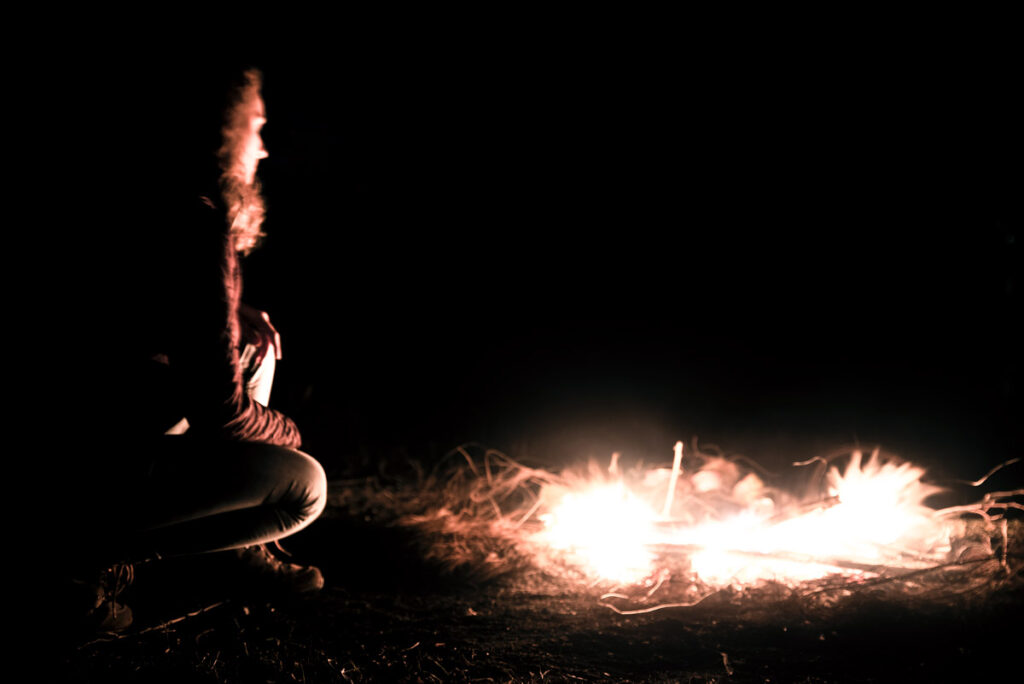
South of Comrat, we find an idyllic spot for the night by the small lake Lacul Congaz. In the nearby grove, we go in search of firewood and manage to light a warming fire just as night falls. The days in Moldova in early October are golden and mild, while the nights are bitterly cold, with temperatures often dropping to freezing.
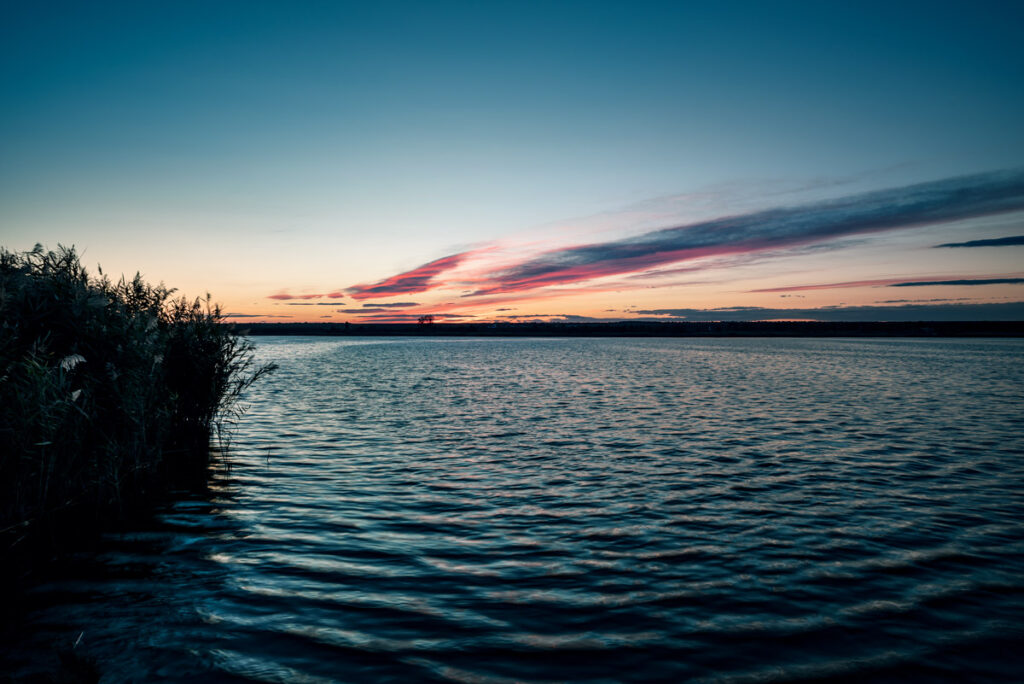
The next morning, a curious man from the village within sight wakes us up. He speaks Romanian – the official language of Moldova – and we don’t understand a word. Eventually, he manages to make himself understood through gestures, asking if we’re here to fish. We shake our heads, laugh a little apologetically, and with an equally uncertain smile, the man immediately disappears back toward the village.
We set off southward, toward the point where the three countries – Romania, Moldova, and Ukraine – meet. We then follow a lonely country road along the Romanian border heading north. Fish ponds, wet meadows, and the Pruth River, which forms the border, surround us. In the next town, we stop for a hearty Moldovan lunch: small dumplings in a rich cream sauce. We then follow a gravel road through beautifully landscaped vineyards. Our little Dacia practically floats over the rough road surface, shaking us vigorously.
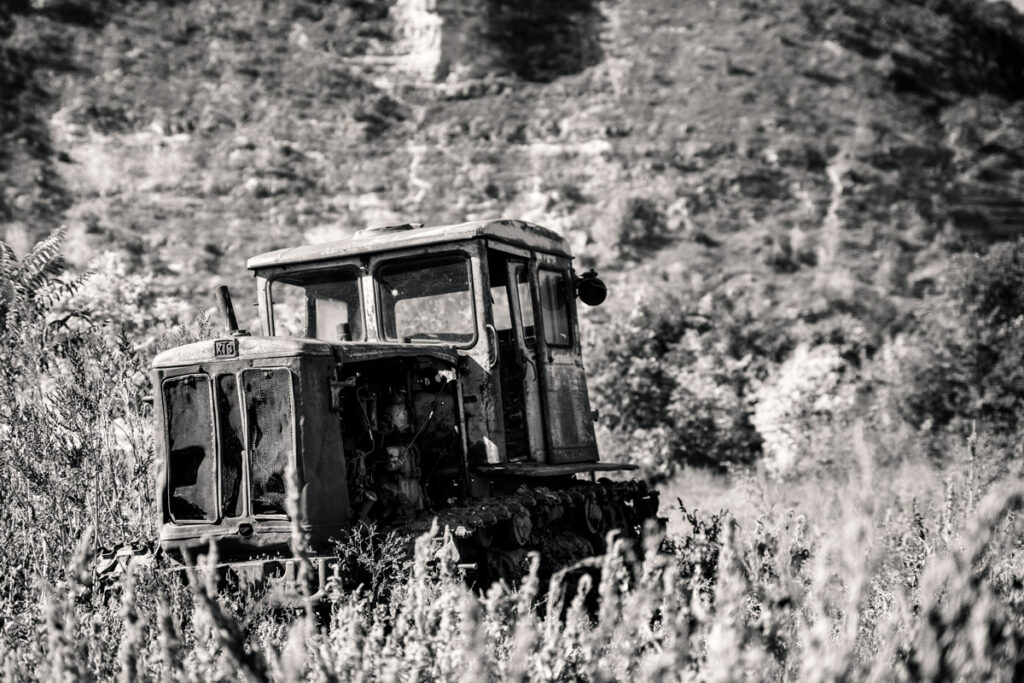
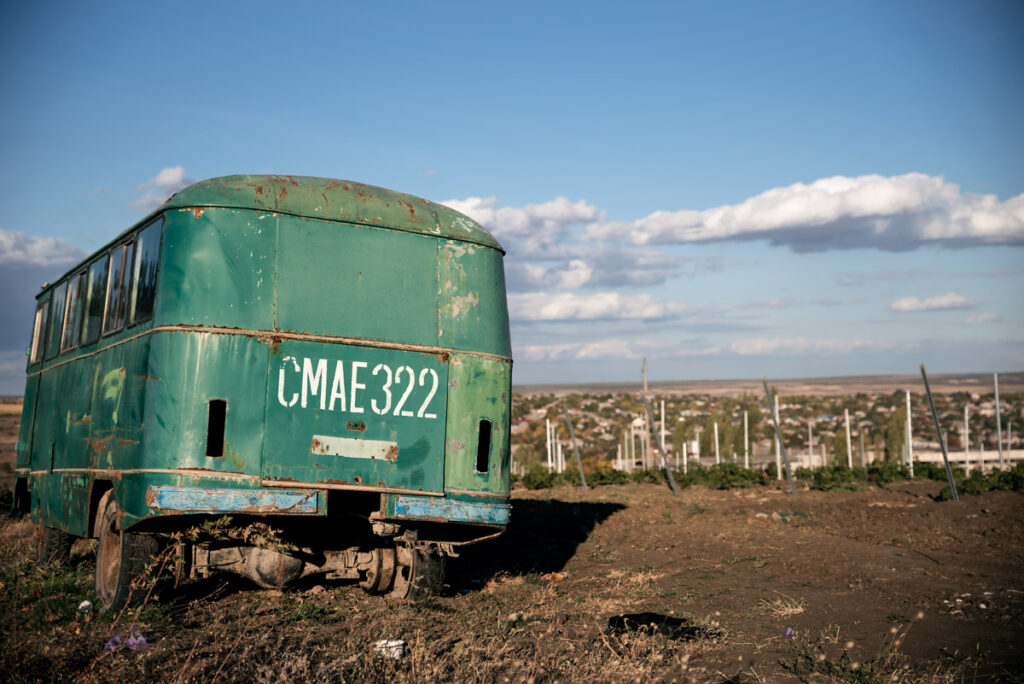
It’s already getting dark as we struggle down a rutted dirt road toward a fish pond. A wonderful spot to spend the night. On the other side of the lake, the sparse lights of a single house twinkle. Moldova is a sparsely populated country. A pleasant calm seems to be everywhere.
As we sit comfortably by the campfire after dinner, a man silently emerges from the darkness. Suddenly, he turns on his flashlight and shines it in our faces. A moment of shock! In incomprehensible words, he asks us the same question over and over. Finally, it dawns on us: He, too, wants to know if we’re here to fish. We say no, and with one last critical but by no means unfriendly glance, the man disappears back into the pitch-black darkness. Perplexed but tired, we crawl into the tent and spend the rest of the night undisturbed – though in freezing temperatures.
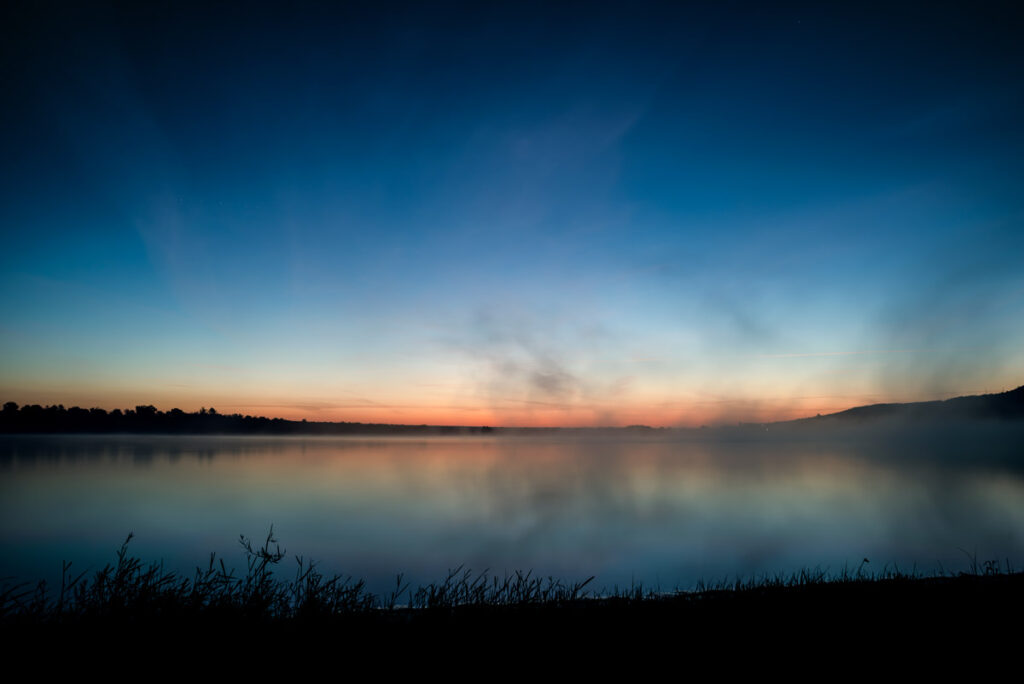
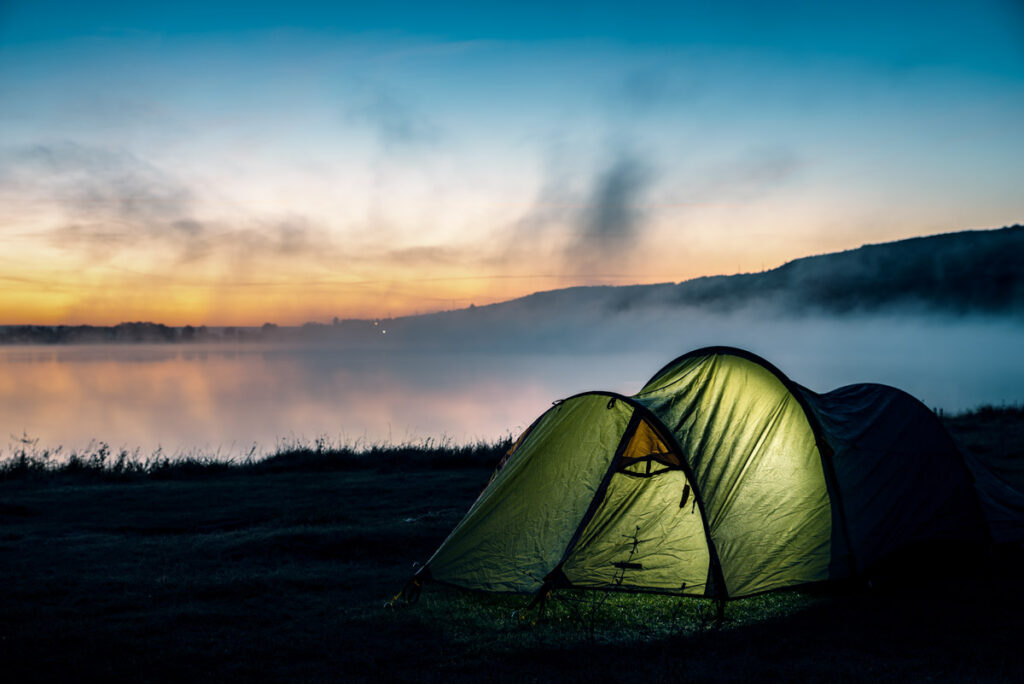
Morning mist swirls over the fish pond. Our tent is covered in frost. We quickly pack everything up and head to the Cricova Winery to warm our cold limbs with a wine tasting. Heads of state and government from around the world, including Angela Merkel and John Kerry, have toured the winery’s miles-long tunnels. Some of the country’s most valuable wines are stored in the vast, branching cellars.
Not far from Cricova lies the historic site of Orheiul Vechi, including its monastery. Perched on a bizarre chain of hills and surrounded by deeply carved valleys, a unique cultural landscape stretches out here. Shaped by the Răut River, the area features archaeological excavations, cave monasteries, ancient settlement ruins, and a small church perched on a mountain ridge. This is perhaps the most beautiful region in Moldova – or even the entire region.
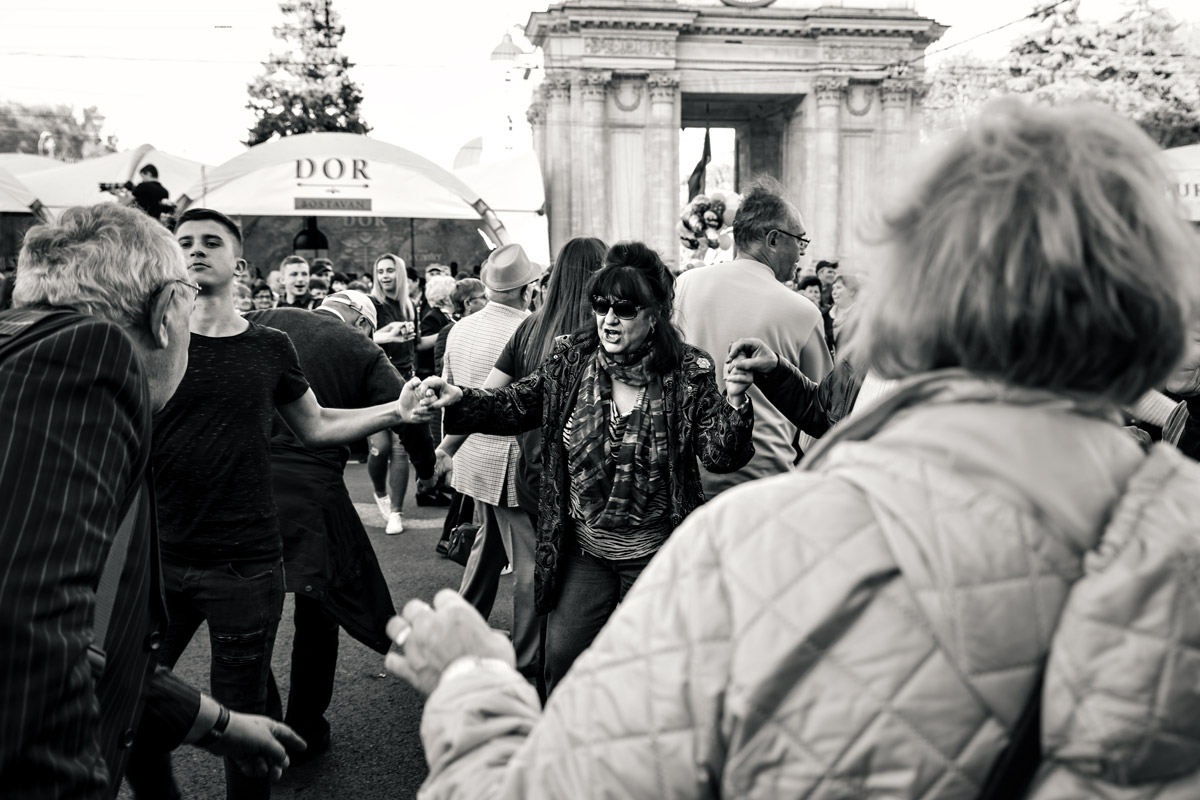
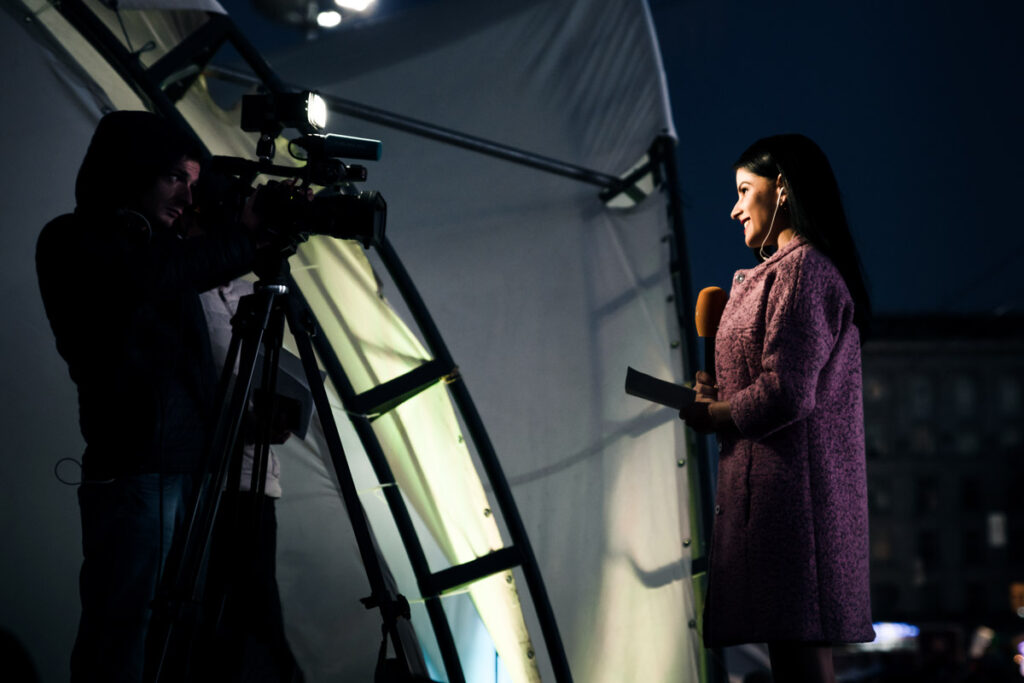
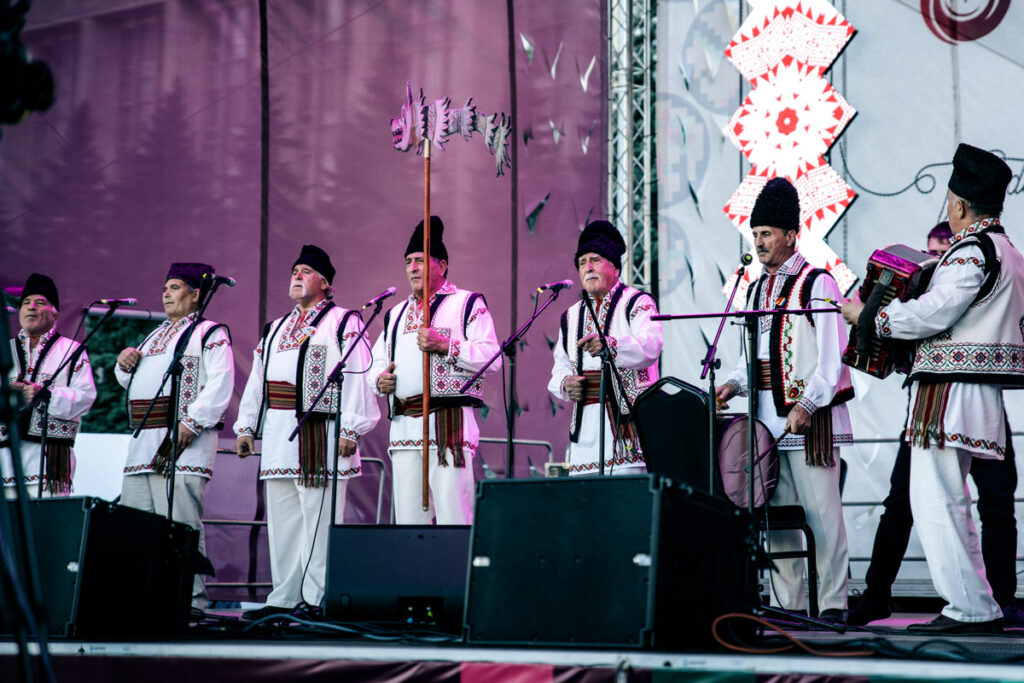
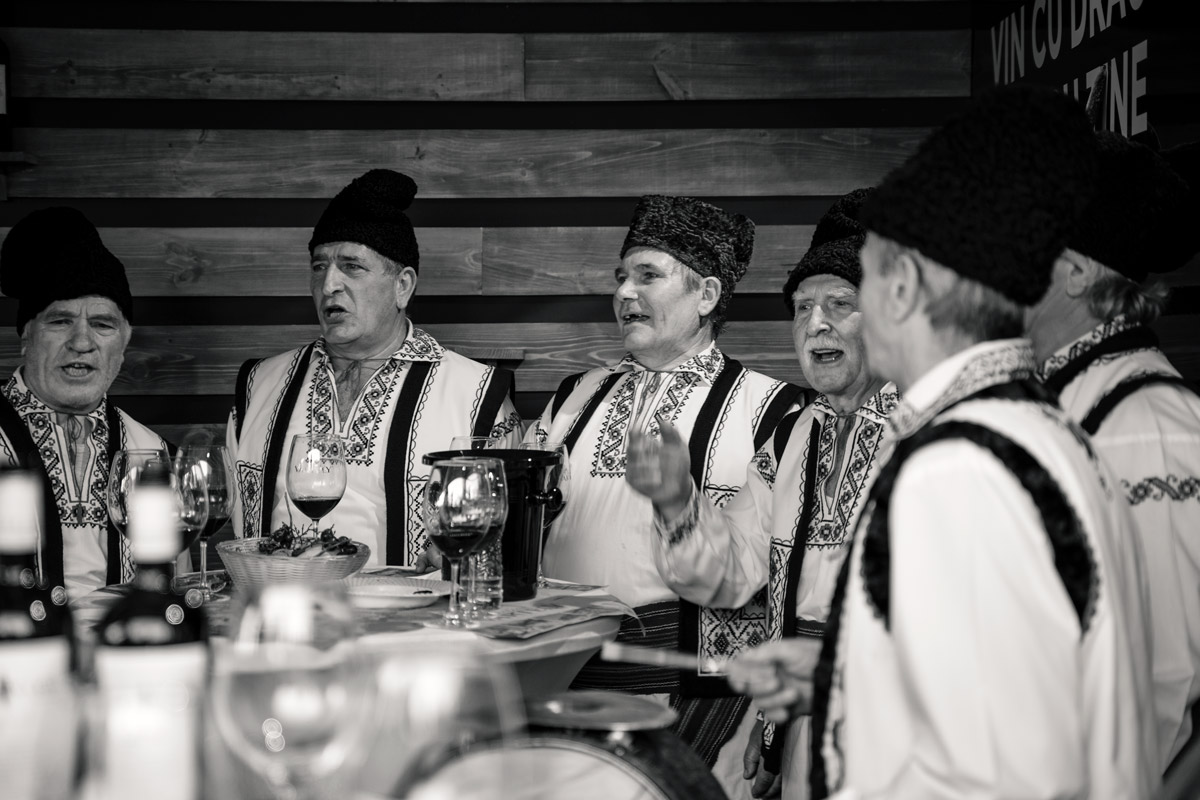
In the evening, we reach the capital, Chișinău. Without taking the time to properly appreciate the city first, we dive straight into the annual and highly significant wine festival. The city center is filled with food stalls, wine tastings from the vineyards, and what feels like the entire population of the capital. It is an astonishingly warm evening. The people are exuberant, dancing and making music, singing traditional songs, and enjoying the product they are all so proud of here: the excellent wine of their small country.
The next morning is our last in Moldova. We wander through the tranquil downtown area of Chișinău. In terms of population, the city is about the same size as Frankfurt am Main, but in terms of area, it’s about half the size. We take a guided tour of the city and enjoy the autumn sun with a cup of coffee and Moldovan pastries. The streets are surprisingly empty. Presumably, some people are still in bed, exhausted from yesterday’s wine festival.
Eventually, it’s time to leave. We close the door of our Airbnb behind us – a small apartment in the backyard of a vine-covered house on the edge of downtown – and take a taxi to the airport. We reflect on our brief trip to this small country, which at first glance seems to offer few sights, but whose people take pride in so much. Tradition and wine culture hold a special place here. The people aren’t wealthy, yet they stick together and seem, at the very least, rich in family and friends. It is this special warmth of heart that makes Moldova such an experience.
Info about our trip
Basically, a week is more than enough to get to know Moldova, as the number of classic sights is manageable. You can explore the capital, Chișinău, in a single intensive day, or take two or three days if you prefer to take your time. Orheiul Vechi is an absolute highlight. Here, too, one day – or at most two for those interested in art history – is more than enough. You should use the rest of your time to visit wineries, go wine tasting, and soak in the country’s vast fields, rolling hills, and vineyards. Furthermore, a trip to Moldova can be perfectly combined with a visit to the breakaway region of Transnistria or a tour of Romania.
So, who would we recommend a trip to Moldova to? Anyone looking for a long list of world-famous sights will likely be disappointed. Moldova thrives instead on its tranquility, its wine culture, its rural landscapes, and its people. Whether a trip here is worth it is something everyone must decide for themselves. We would recommend the country above all to those who like to travel off the beaten path or are already planning a trip through Eastern Europe. In that case, Moldova is an exciting and surprisingly authentic addition.
Moldova is one of the most affordable travel destinations in Europe. Accommodations, dining out, car rentals, and even wine tastings are significantly cheaper than in Germany or most EU countries. Especially outside of Chișinău, you can travel comfortably on a relatively small budget. If you stay in local guesthouses, try regional dishes, and tour the country’s numerous wineries, you’ll get a lot of value for your money. Only imported goods and some tourist attractions can be surprisingly expensive.
Meals often include soups, dumplings, grilled meat, pickled vegetables, and corn dishes such as mămăligă, a thick corn porridge considered the national dish. The cuisine is influenced by Russian, Romanian, and perhaps even a touch of Turkish cuisine. Anyone visiting Moldova should definitely try the regional wines, as winemaking has a tradition dating back thousands of years and is an important part of the national identity. Overall, dining out is pleasantly affordable, especially outside the capital.
We slept exclusively in a tent and only stayed in a (mediocre) Airbnb in the capital, Chișinău. In general, the selection of hotels outside of Chișinău is limited, and fortunately, so are the prices. In Chișinău, you should be able to find nice rooms for under 100 euros.
Moldova is generally considered a safe travel destination. At no point during our trip did we feel uneasy, and we were greeted with friendliness and helpfulness everywhere we went. The crime rate is relatively low, and violence against tourists is rare. Of course, you should take the usual precautions in Chișinău and in crowded areas. The only thing requiring special attention is the political situation surrounding the breakaway region of Transnistria, as well as the proximity to the war in Ukraine. For most travelers, however, this is limited to the news and does not affect their daily travel experience.
We traveled through Moldova without children and therefore cannot share any specific experiences. However, since the country is considered safe, the distances are manageable, and most travelers tend to plan a short round-trip rather than a vacation lasting several weeks, there is generally little reason not to travel with children. While medical care does not meet Western European standards, you will find the most important facilities and shops for daily needs in Chișinău. If you’re traveling with young children, you should still bring special medications, baby food, or other essential items from home.
The easiest and most affordable way to travel around Moldova is by car or rental car. Major car rental companies have offices in Chișinău, and distances within the country are manageable. Traffic is generally relaxed and often surprisingly light, especially outside the capital. However, Moldova remains a predominantly agricultural country. Therefore, always expect to encounter herds of livestock, slow-moving tractors, horse- or donkey-drawn carts, and other obstacles on the road.
Alternatively, there is a rail network as well as a dense network of intercity buses and shared taxis connecting the major towns. This is generally sufficient for most attractions. Nevertheless, we would definitely recommend renting a car for a round trip. In this sparsely populated country, it gives you the greatest possible flexibility and allows you to easily reach even remote villages, wineries, and nature areas.
- Zwanzig Lewa oder tot: Reisen nach Moldawien, Serbien, Kroatien und Bulgarien is a travelogue by Austrian author Karl-Markus Gauß, in which he explores, among other places, the Moldovan region of Gagauzia. Entertaining, accessible, and just over 200 pages long, the book is a great introduction to the subject.
- At the time, we were traveling with the Lonely Planet Eastern Europe guidebook – even though Moldova only gets a brief mention in it, the guide covers the entire Eastern European region, so you can plan a great round-trip itinerary.
