
Hong Kong
A city unlike any other: loud, colorful, fast-paced. A supersonic drug-induced high. A blind nosedive. A cacophonous jazz masterpiece. Here, opposites collide, explode, implode, and sweep everything around them along with them. West versus East. Democracy versus autocracy. Future versus past. Modernity versus tradition. Luxury versus poverty. Rise versus decline. Religion versus Enlightenment. Night versus day. Everything seems to exist simultaneously; everything is in constant motion, in free fall and yet on the rise.
Hong Kong can hardly be compared to any other city. A destination we long for – and then it simply blows us away. Grungier than Singapore, crazier than New York, gloomier than Tokyo, more authentic than Shanghai, more metropolitan than Bangkok, more iconic than Beijing. Yet Hong Kong is not just a glittering behemoth of steel, glass, and concrete, but also an archipelago of green, mysterious islands. Ancient Chinese temples stand amid skyscrapers and glass facades. There is a Disneyland and secluded fishing villages, bustling financial districts and quiet mountain trails.
Hong Kong is an unforgettable roller coaster ride.
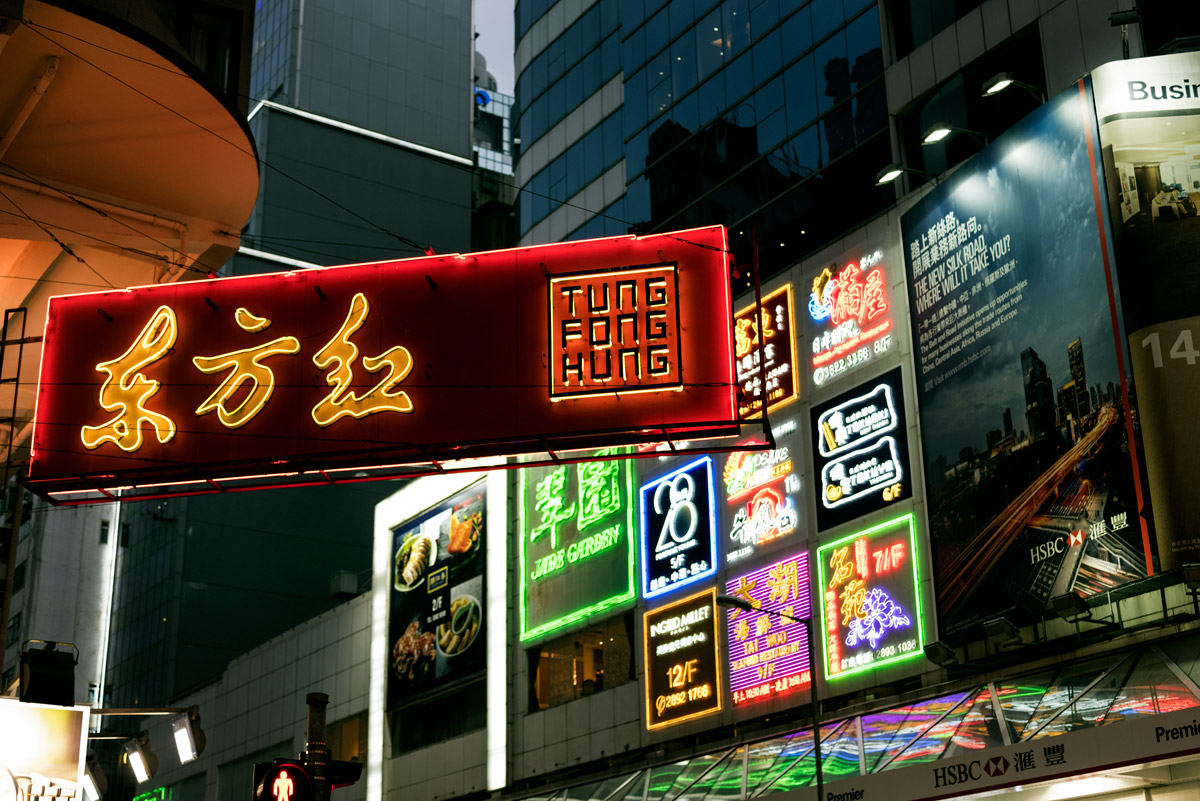
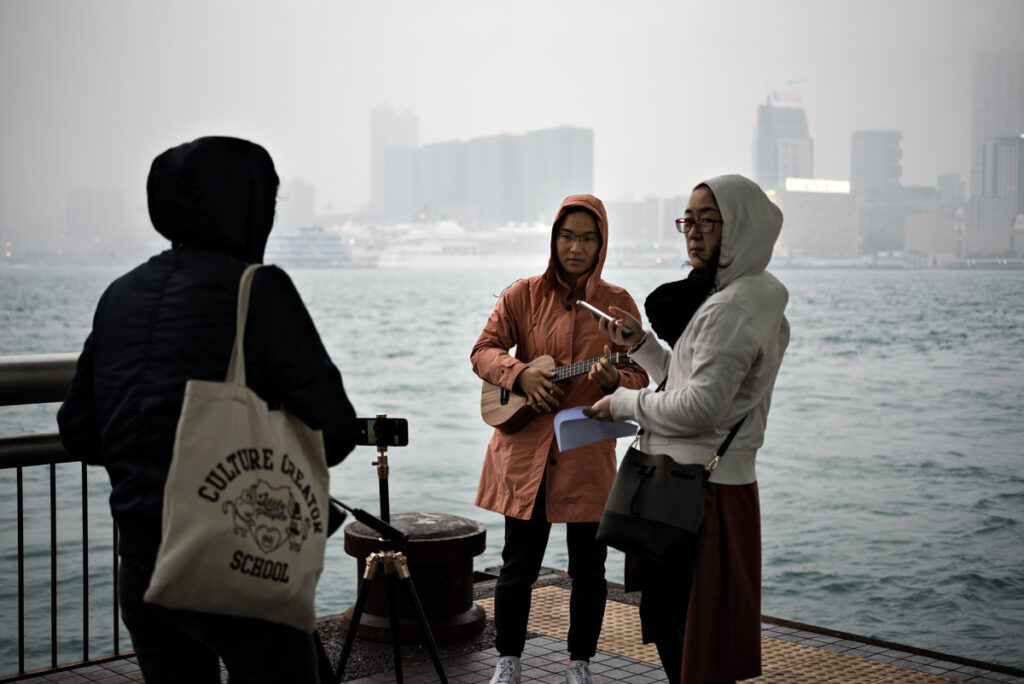
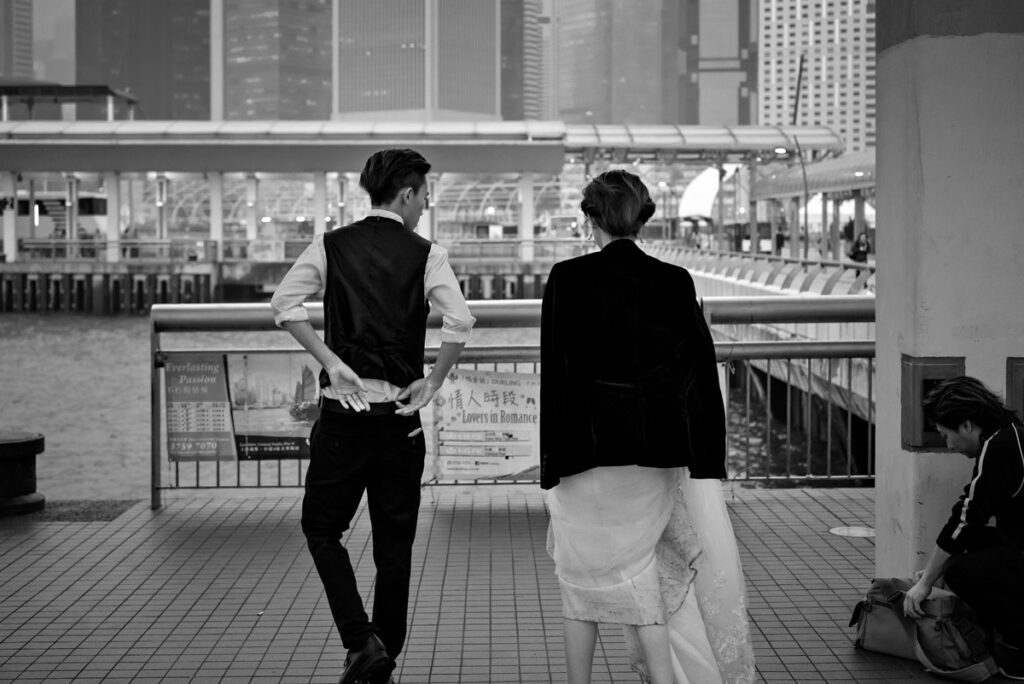
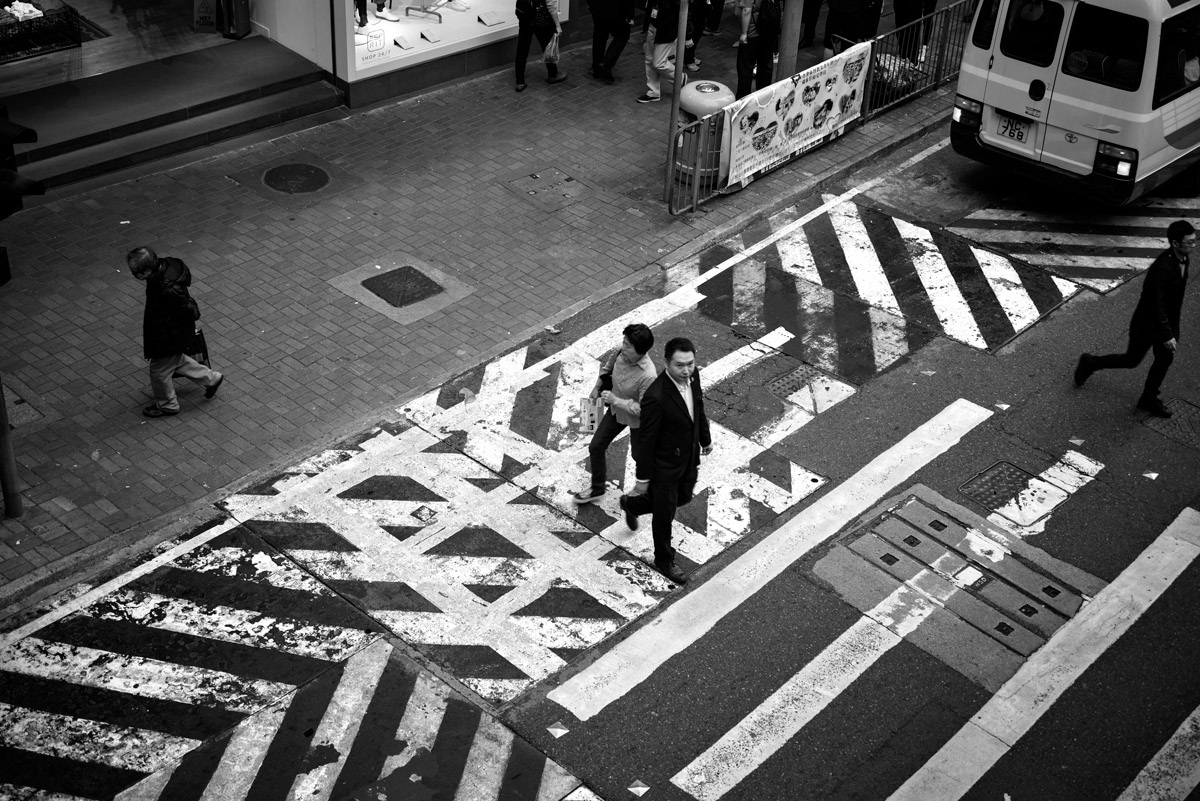
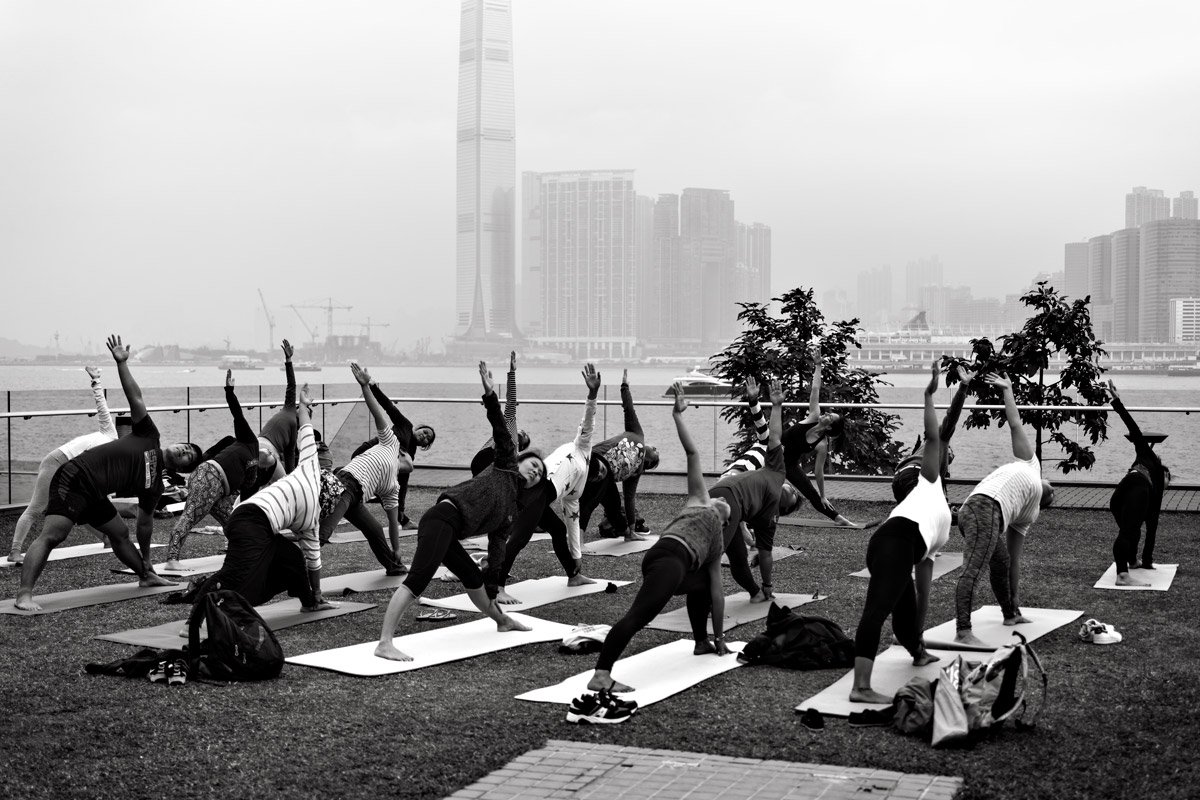
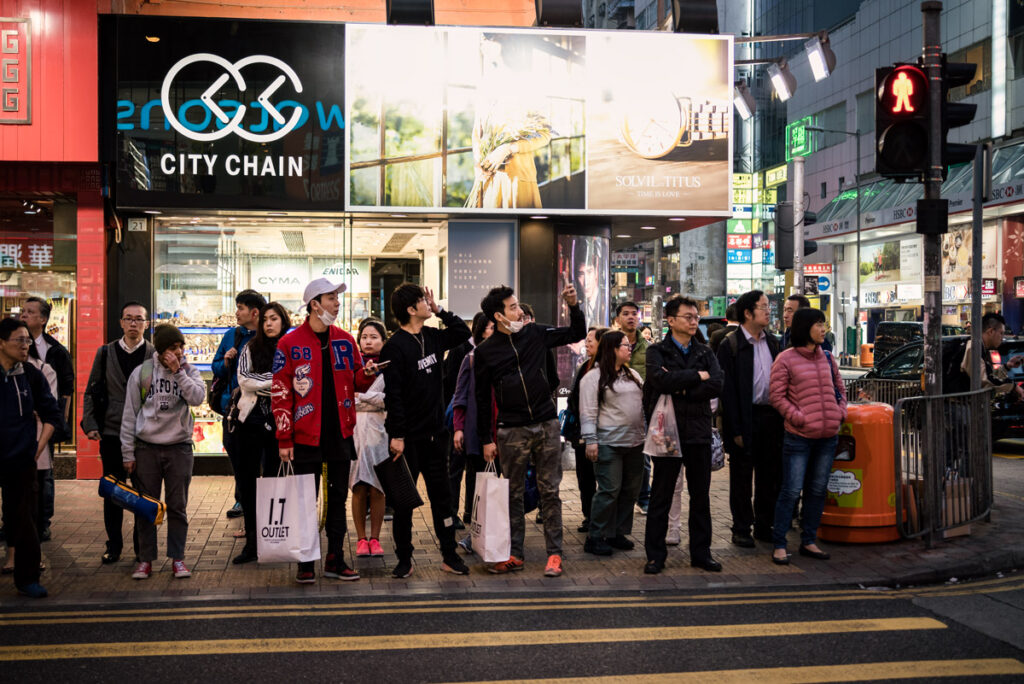
On these mild spring days, Hong Kong is shrouded in fog. The city immediately draws us in, sweeping us from one scene to the next. The camera shutter clicks incessantly. Countless photo opportunities await at every street corner. People standing at a traffic light. A ukulele player on the wind-swept pier. A wedding photo shoot straight out of a Chinese gangster movie. Yoga groups shrouded in the morning mist against the backdrop of the financial district’s skyline. Small scenes everywhere, as if they had been arranged just for us.
The city is alive and pulsating. Stroboscopic lights and atonal traffic noise. The smell of blood and offal at the morning market mingles with the sweet scents of honey-glazed pork belly and freshly cut flowers. The incense of ancient temples wafts through narrow alleys, whose dark corners reek of urine and vomit.
We are completely disoriented and haven’t glanced at a map once. Instead, we follow the streets, stairs, and shortcuts that lead us through shopping malls, over pedestrian bridges, and through underground passages. We board buses and get off in completely different places, without knowing whether we’re still in the city center or have just left the country. It feels as though we’re trapped in a hyper-realistic video game that catapults us from one galaxy to the next through a multitude of mystical portals.
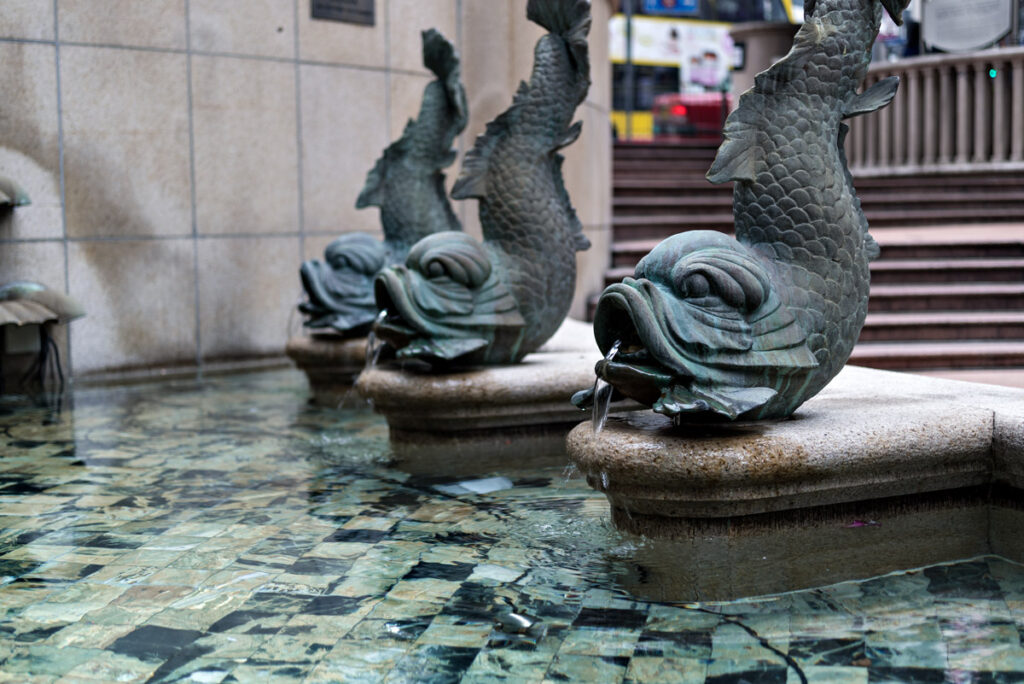
Beliefs and superstitions, religions and legends – in Hong Kong, the worlds of spirits, ancestors, and gods intertwine. Although about half the population does not adhere to any religion in the traditional sense, this by no means implies that the supernatural plays no role. Chinese folk beliefs, ancestor worship, and Taoist, Buddhist, and Confucian traditions remain deeply rooted in everyday life to this day.
China is an ancient and vast cultural empire that, over thousands of years, has produced a virtually incomprehensible diversity of regional myths, legends, and spiritual concepts. At the same time, it has repeatedly engaged in exchange with foreign cultures and religions: through trade routes, migration, and conquests.
Hong Kong absorbed Buddhist, Islamic, Christian, and numerous other influences like a dry sponge. Even today, one encounters temples and churches, incense sticks and skyscrapers, ancestral altars and modern financial centers, often just a few streets apart.
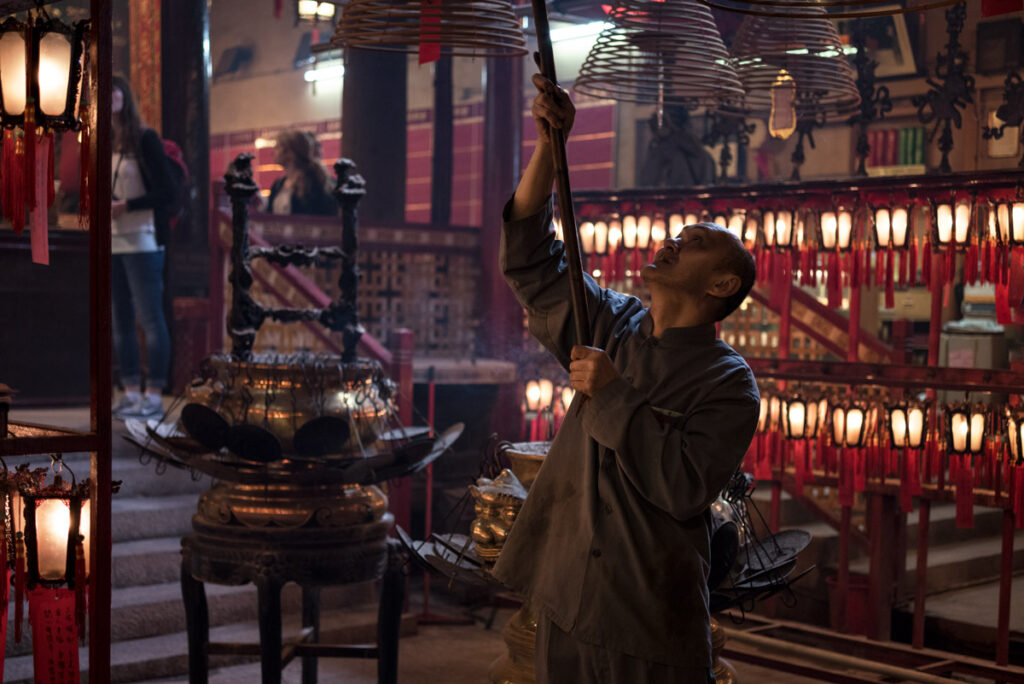
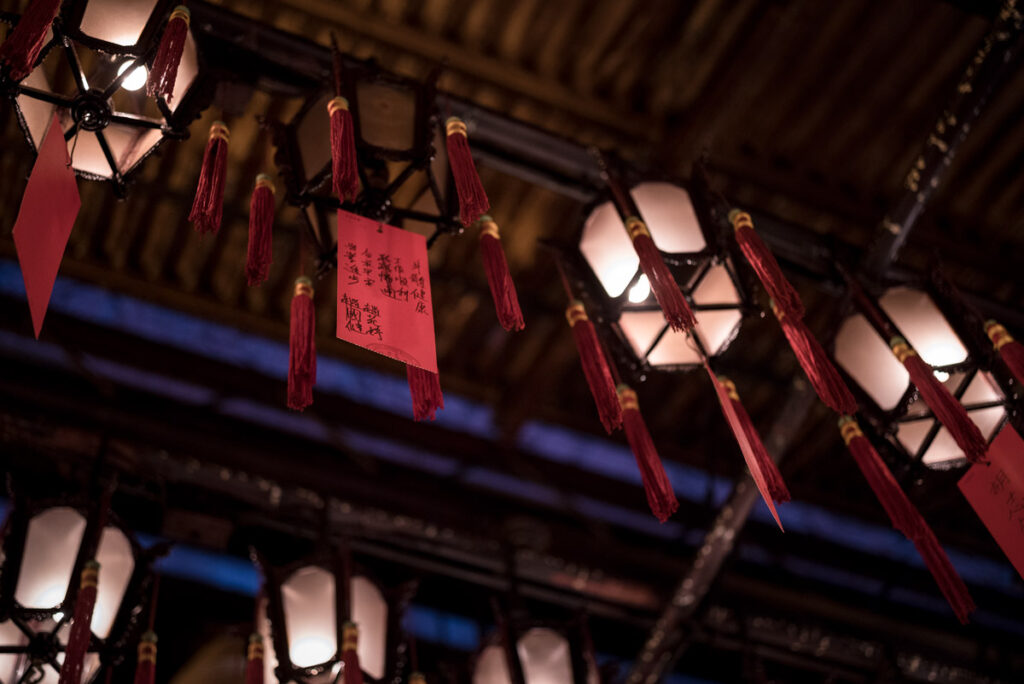
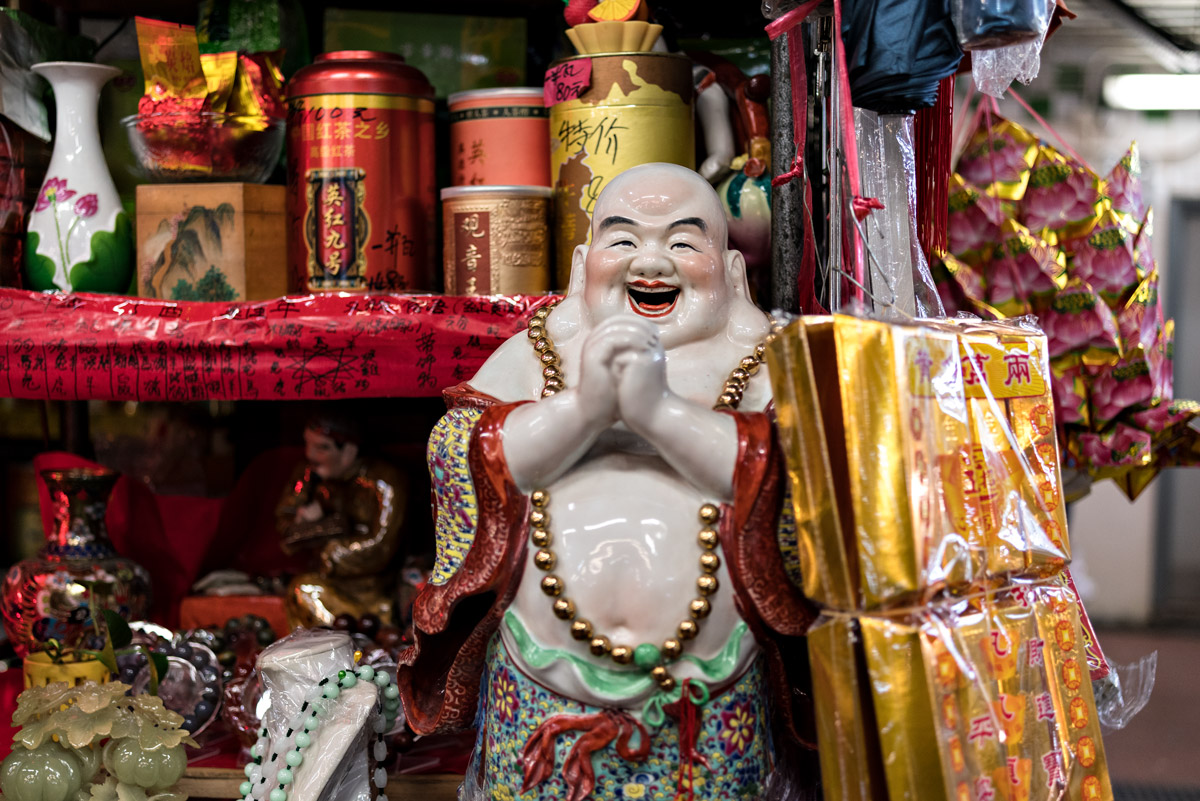
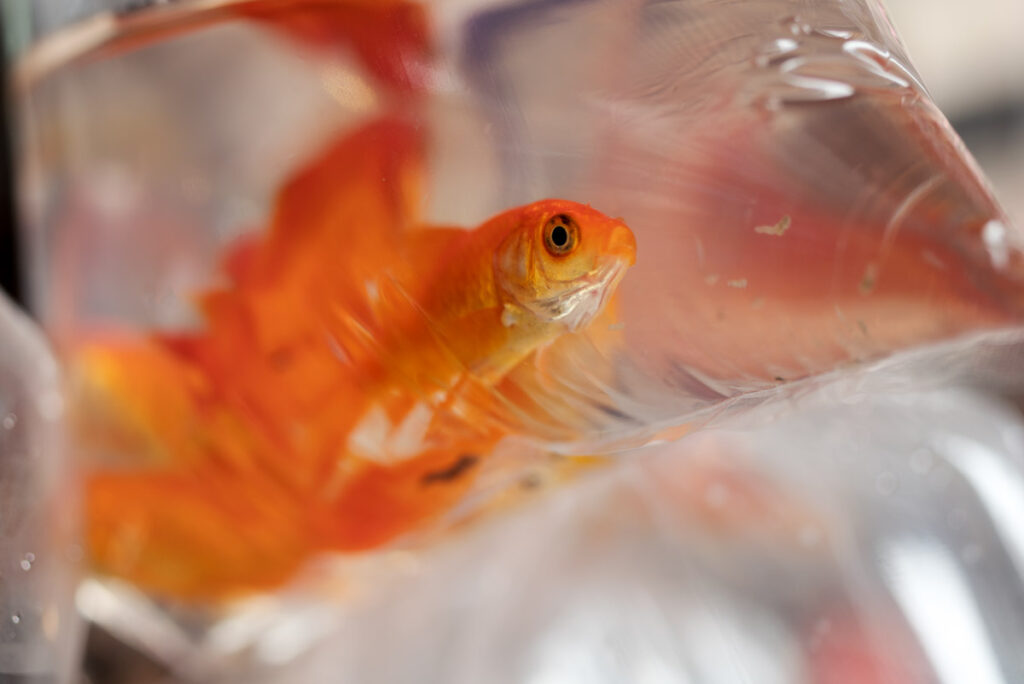
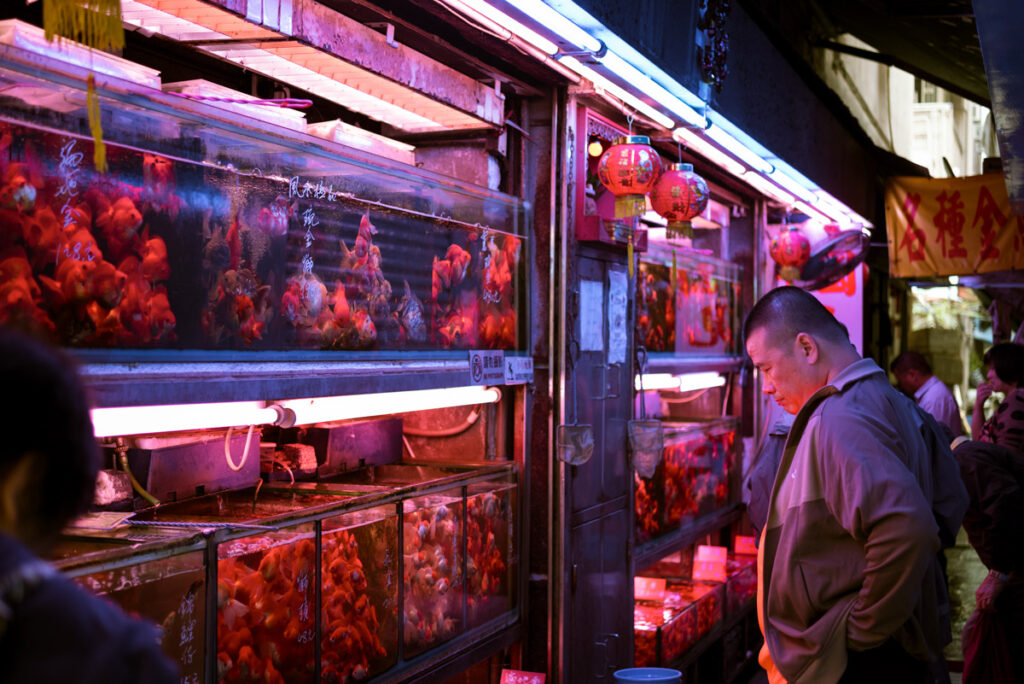
And so it comes as no surprise that there are said to be numerous ways to influence fate in one’s favor and ward off misfortune. In Hong Kong, there are entire streets and shops stocked with the appropriate paraphernalia: joss paper for ritual burning, incense sticks, and temple supplies of all kinds. In some places, songbirds are sold, the release of which is said to bring good karma. Goldfish are also considered symbols of good luck and represent prosperity and wealth.
The business of spirits, luck, and fate is thriving. Added to this are traditional Chinese pharmacies, which carefully display their often unusual wares. Herbs, roots, mushrooms, and various animal and mineral substances are believed – according to traditional beliefs – to help with a wide variety of ailments.
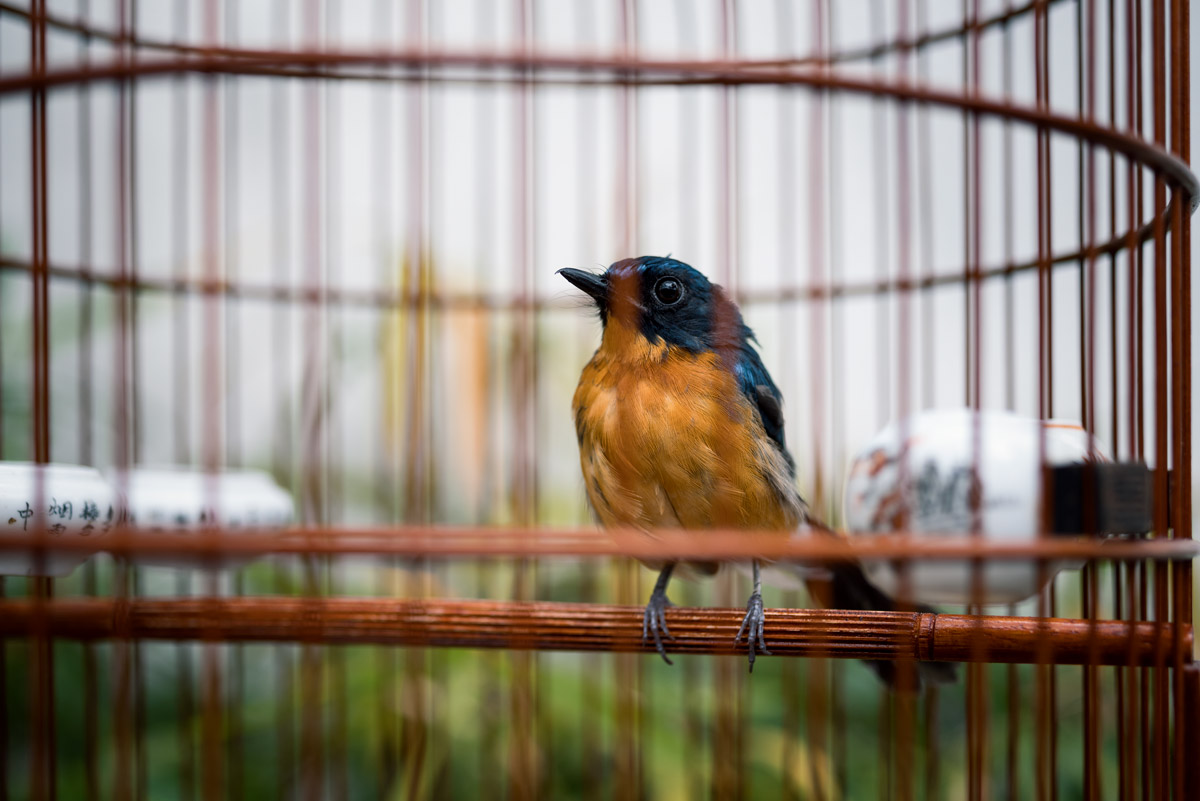
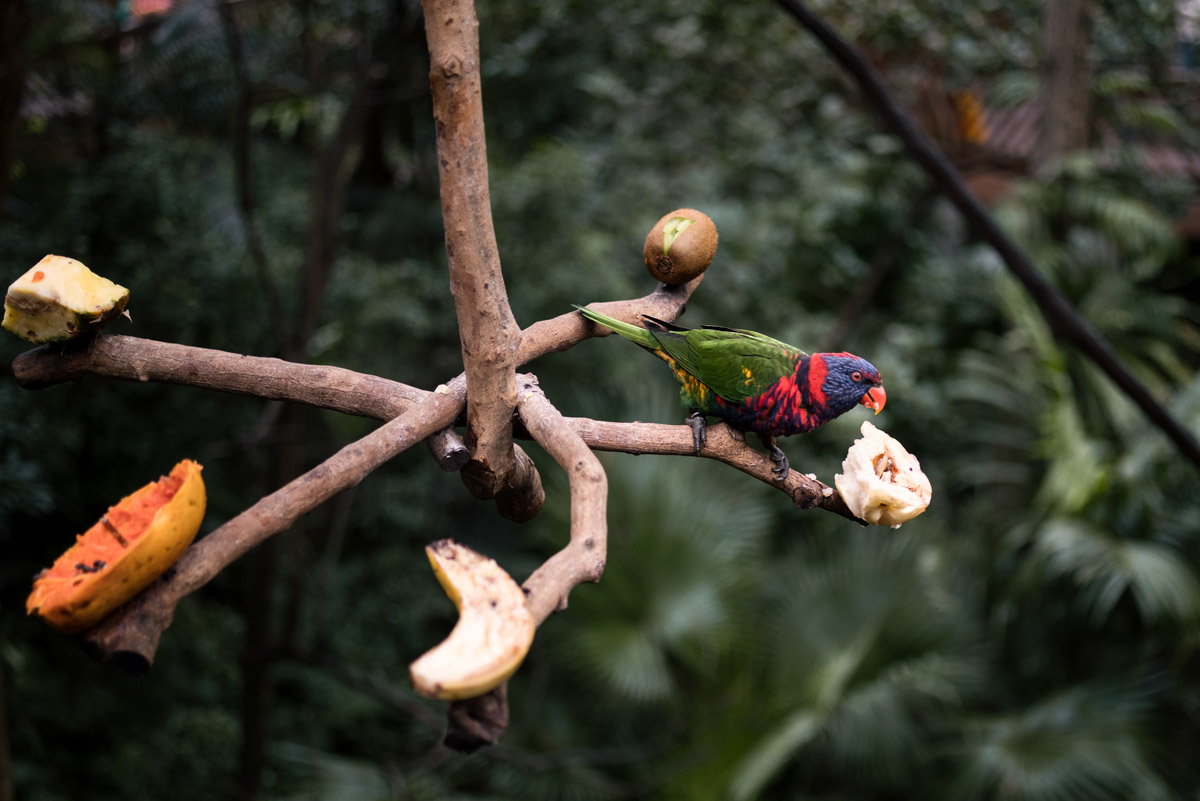
We find a bit of greenery in the heart of the city at the Edward Youde Aviary – a park-like aviary filled with colorful parrots, songbirds, and magnificent tropical plants. The air is filled with the scent of overripe fruit, damp earth, and sweet nectar. Birds in every color of the rainbow flutter overhead. Some sit on branches preening their feathers, others eat skewered fruits or watch the visitors with alert, curious eyes.
Amid waterfalls, dense foliage, and winding wooden walkways, we almost forget that we’re in the heart of one of Asia’s largest metropolises. The rush of water drowns out the traffic noise; the skyscrapers disappear behind palm trees and treetops. For a moment, Hong Kong doesn’t feel like a city of glass, concrete, and neon lights, but like a tropical garden.
This is the ideal place to escape the hustle and bustle of Hong Kong’s streets, recharge our batteries, and breathe in some fresh air. After hours spent among crowds, markets, and skyscrapers, this little green oasis feels almost unreal.
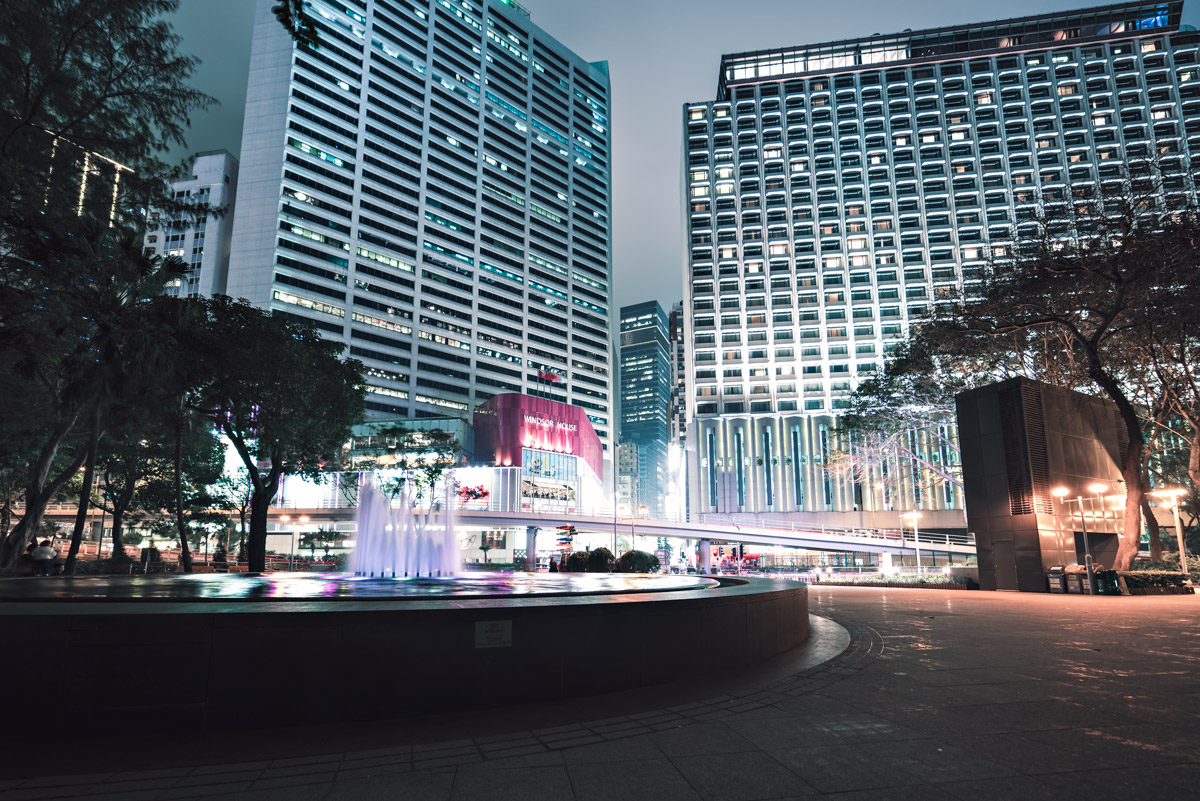
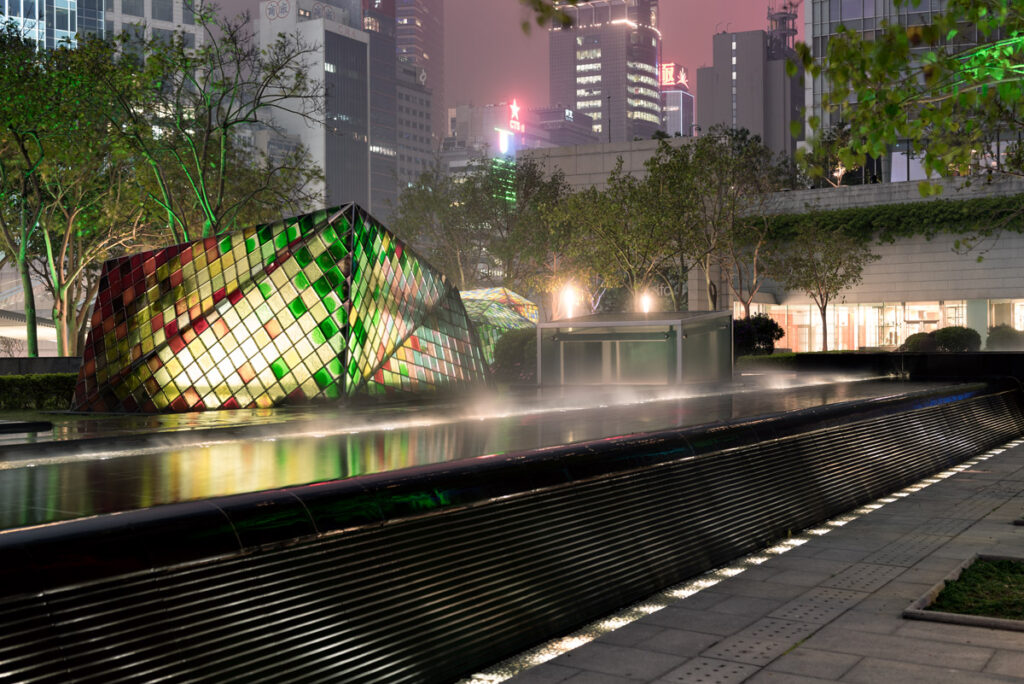
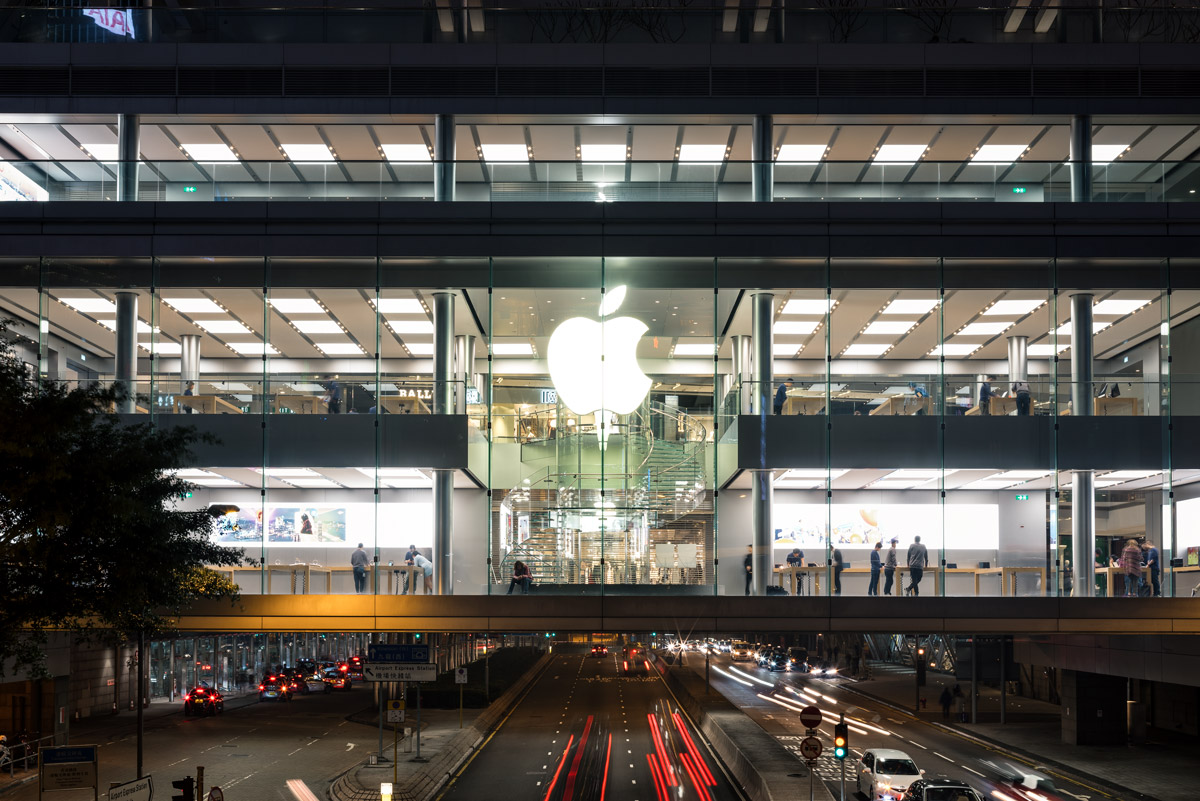
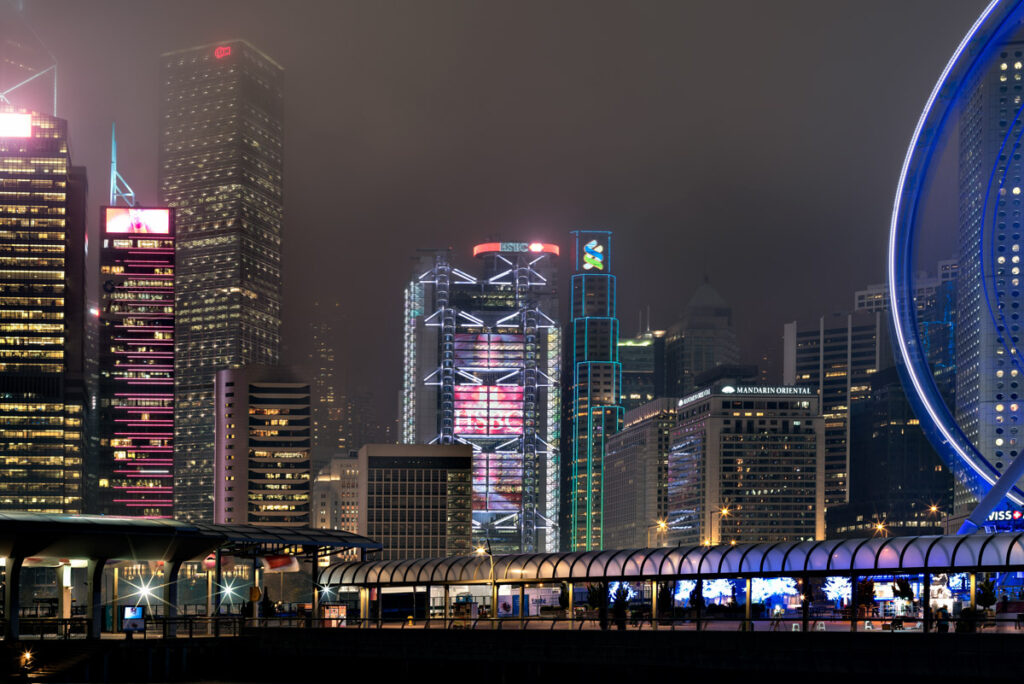
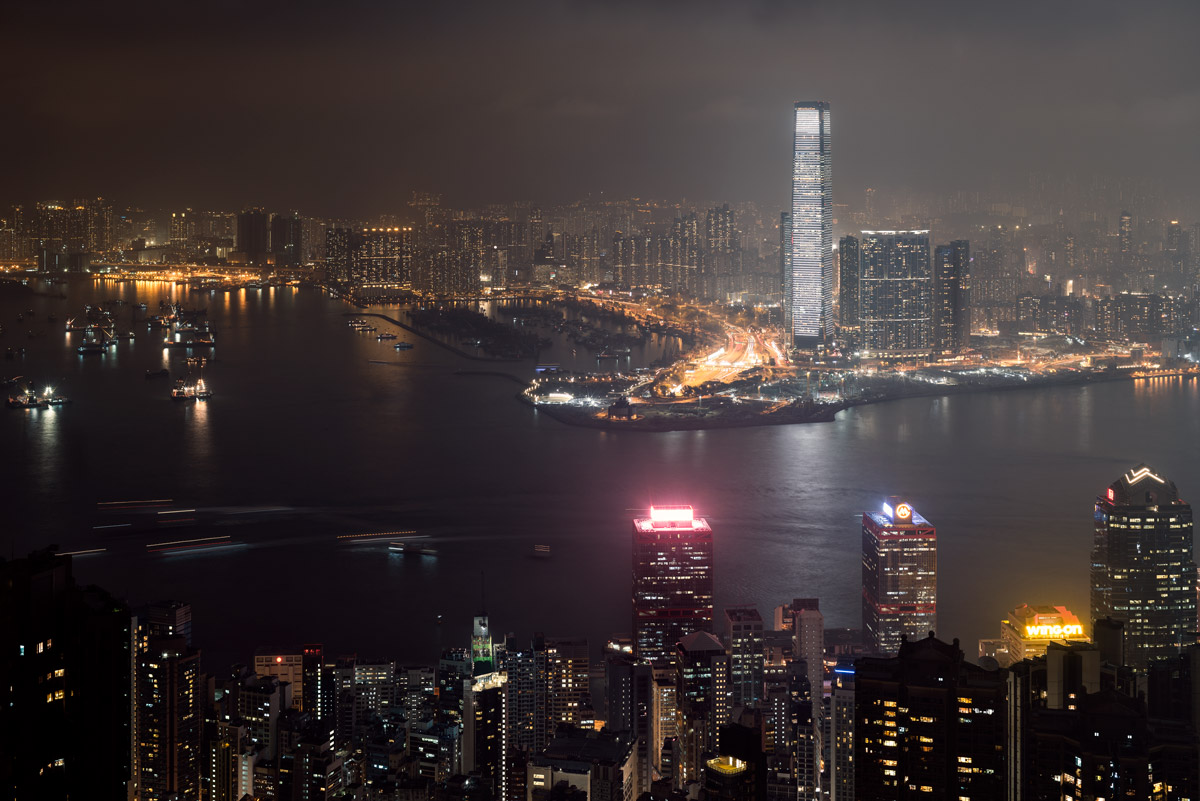
Night falls over Hong Kong, yet it doesn’t get any darker. Millions of lights flare up: neon signs, lasers, spotlights, illuminated signs, and floodlights. Everything that can glow casts its light into the night sky. The bitten apple of the Apple Store illuminates the main streets like the cross of a modern cathedral. The blue glow of a Ferris wheel captivates photographers, children, and lovers alike.
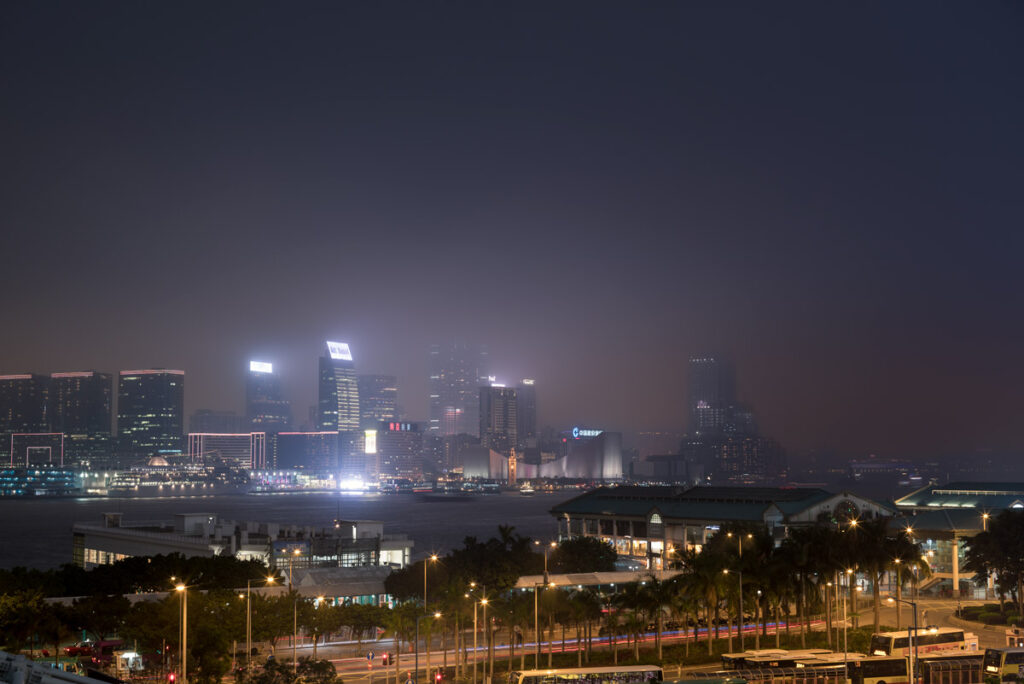
A thin veil of fog creeps secretly between the city’s buildings, lending the urban canyons a gloomy, almost cinematic atmosphere. Meanwhile, crowds of people gather in Lan Kwai Fong, Hong Kong’s nightlife district. Expatriates in shirts and loosened ties. Hong Kong Chinese in perfectly tailored jackets and flawless English. Beer glasses clink, cigarettes glow in the darkness. Outside bars, clubs, and entertainment venues, young women wait for the next guests.
The city takes one last deep breath before surrendering to the intoxication of the night.
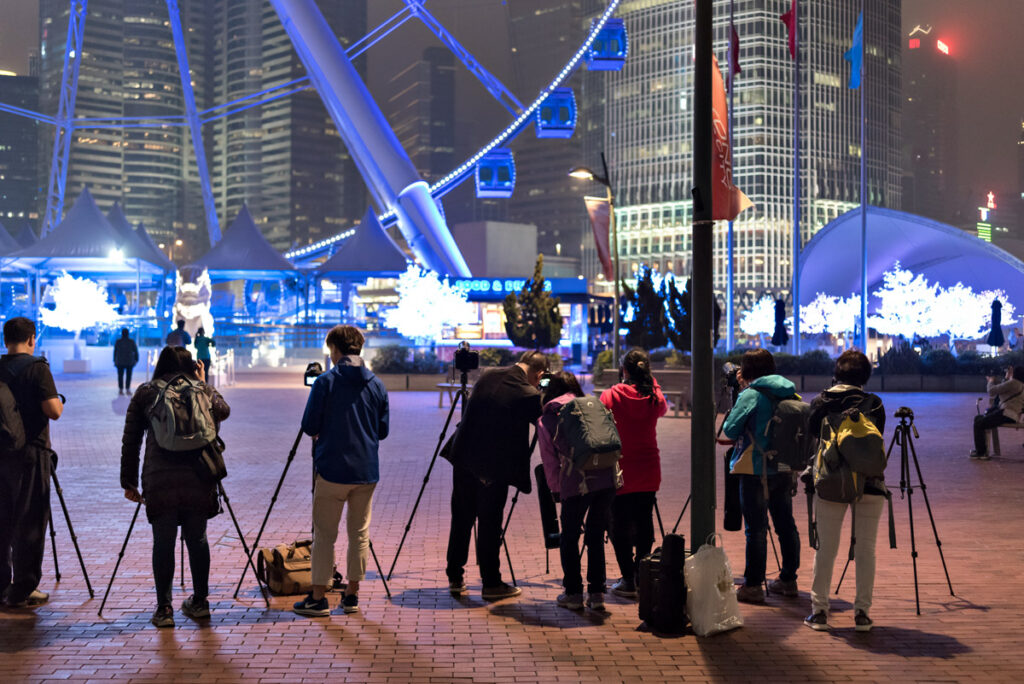
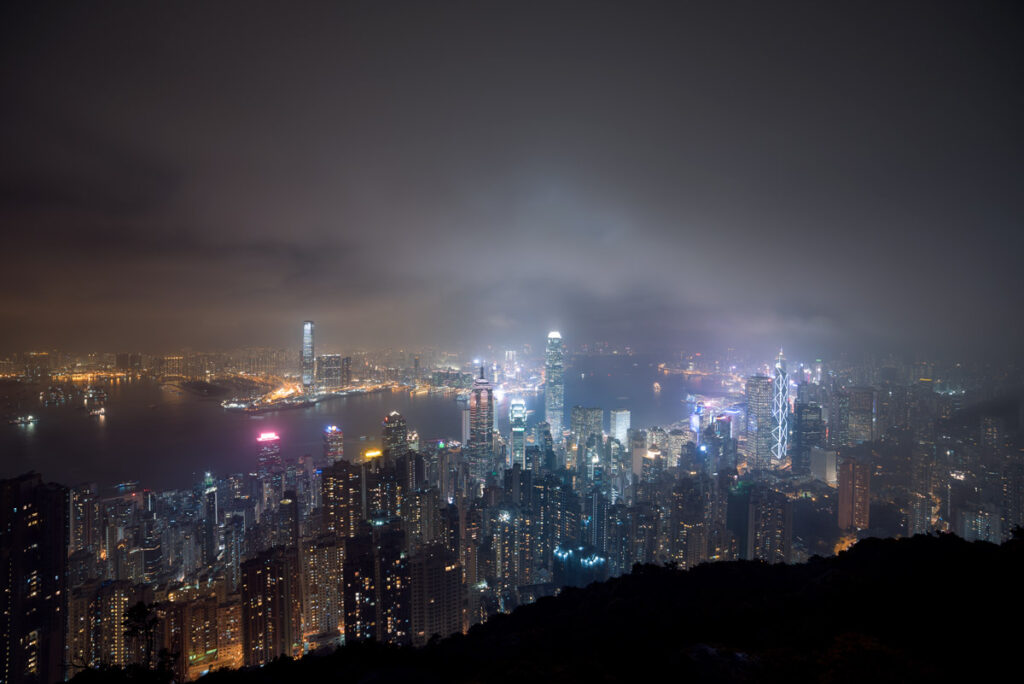
We took the wonderfully nostalgic funicular up to Victoria Peak in the late afternoon. A clear blue sky stretches over Hong Kong, and the golden hour is approaching. We find a spot among the tripods of dozens of photographers to watch the spectacle unfold.
The sun sinks somewhere behind the green hills of Lantau. The falling night brings with it thin veils of cloud and a fresh breeze. Slowly, a gentle haze rises. Below us, the houses and skyscrapers begin to glow like a masterfully cut diamond. Ice blue, streaked with delicate hints of purple and green. Eight million people lie at our feet.
The sight leaves us speechless. Only the wind brushes past our heads and the steady click of camera shutters reaches our ears. Otherwise, there is almost complete silence. A spectacle that is hard to top.
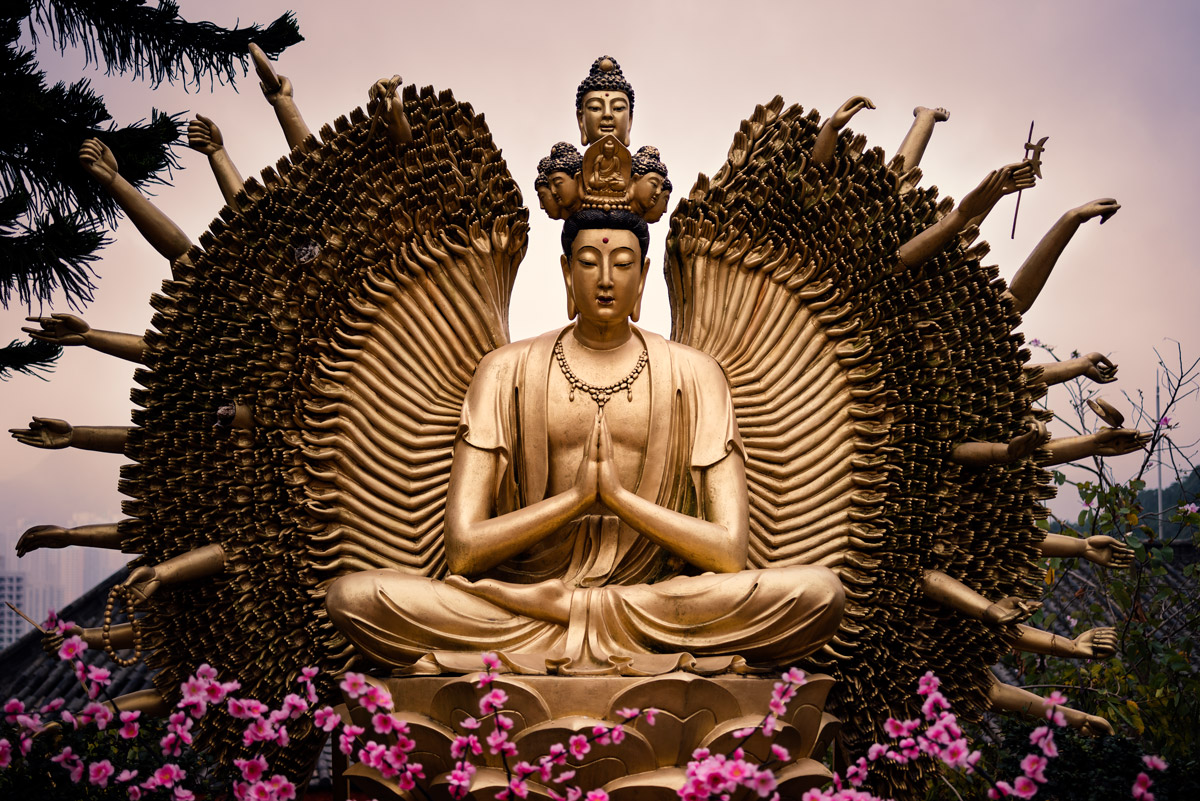
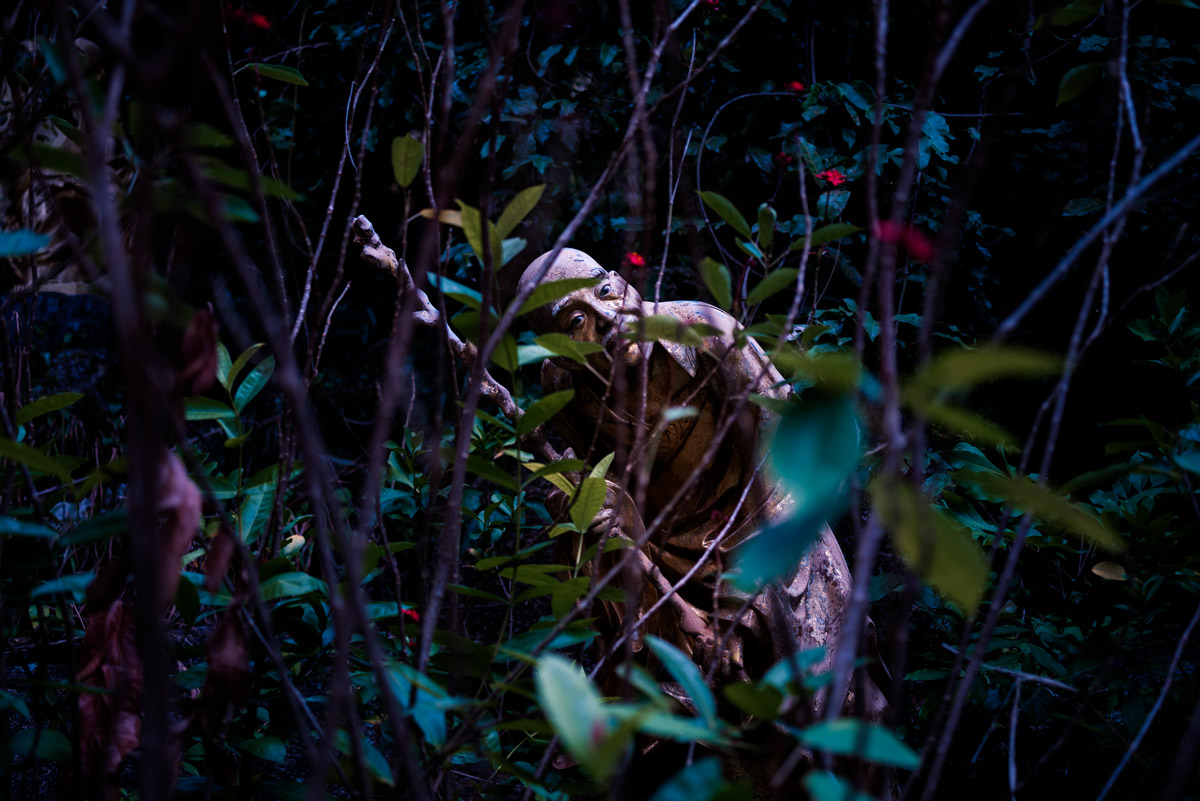
To the north of the village of Pai Tau, a long staircase winds its way up a hill through dense forest. Mosquitoes buzz around our heads, and it is surprisingly humid among the towering trees. The air smells of damp earth and tropical vegetation. Countless statues of enlightened beings line the path to the left and right. They also hide within the forest itself, among red blossoms, moss, and long ferns.
With every step, the noise of the city grows fainter. The honking of cars and the clatter of elevated trains fade behind a curtain of leaves and birdsong. The IKEA, situated right at the foot of the hill, seems to have been transported to another world.
At the top of the hill, we finally reach the Ten Thousand Buddhas Monastery. Small temples and shrines are scattered across the grounds. It is a peaceful place with a sweeping view of the New Territories, one of Hong Kong’s three main regions. Amid skyscrapers, mountains, and forests, it becomes clear once again just how unusual this city is: a metropolis of millions that offers a space for silence and reflection just a few steps away.
The ferry glides through the fog across to Lantau. Like a mysterious jungle world, the island shimmers through patches of clouds and mist. Hong Kong International Airport is also located on Lantau, though on the island’s north coast and invisible from here.
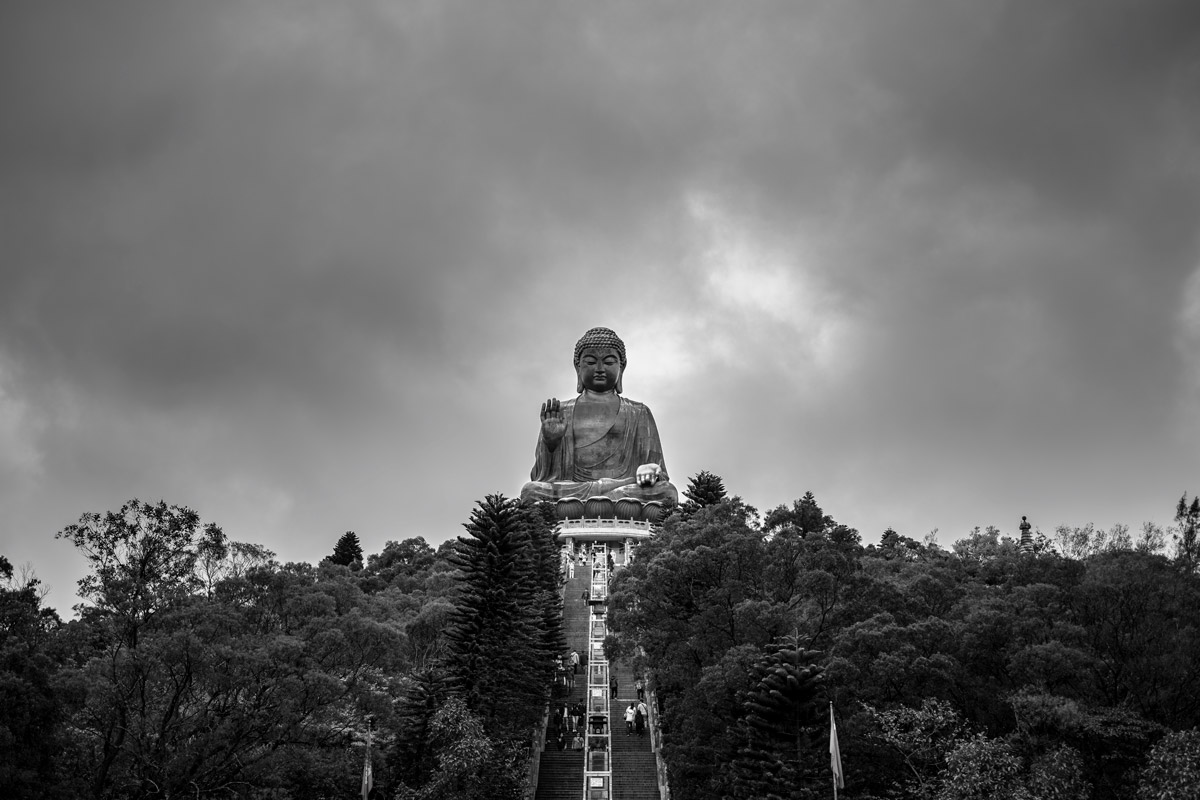
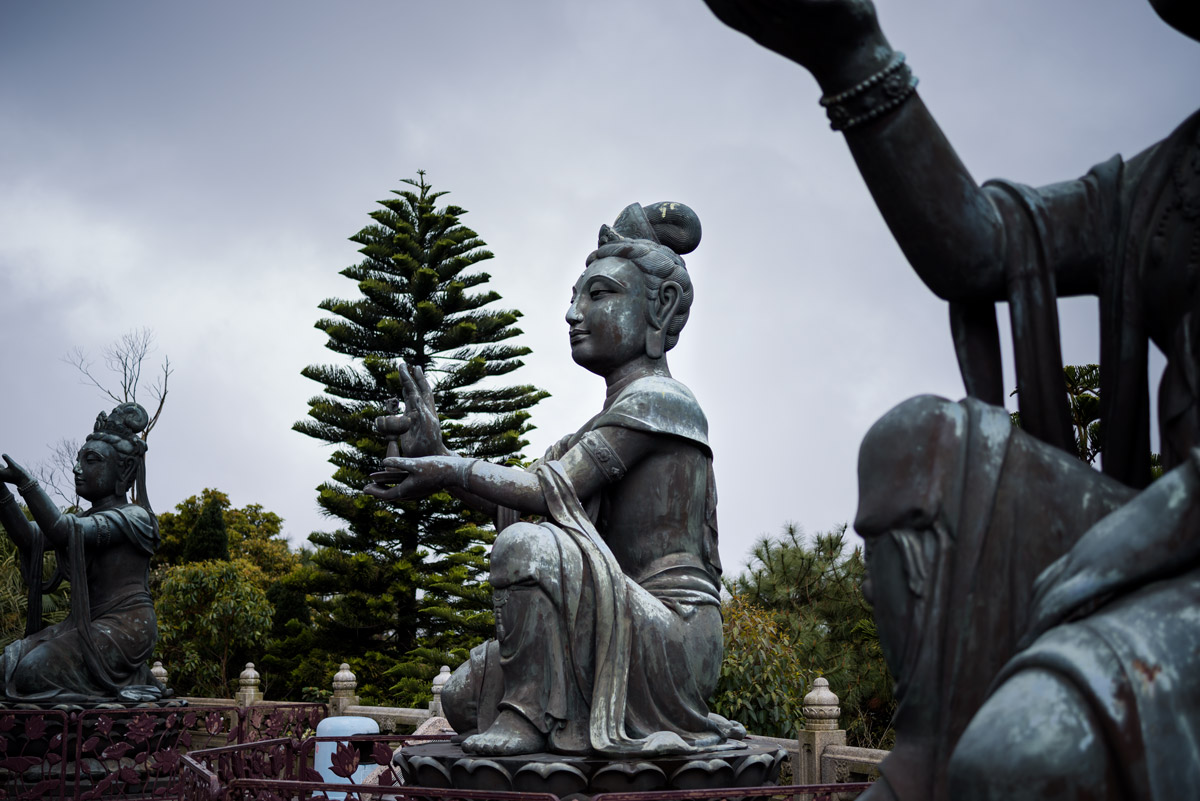
A light drizzle falls upon us. At the boat landing, we buy rain ponchos, then climb the steep stairs up to the Tian Tan Buddha. All around us lies a magical, enchanted land full of dragons, spirits, and legendary figures. The clouds hang low over the hills, and the vegetation glows a rich green. There could be no better weather for a visit to Lantau than this gloomy rainy day.
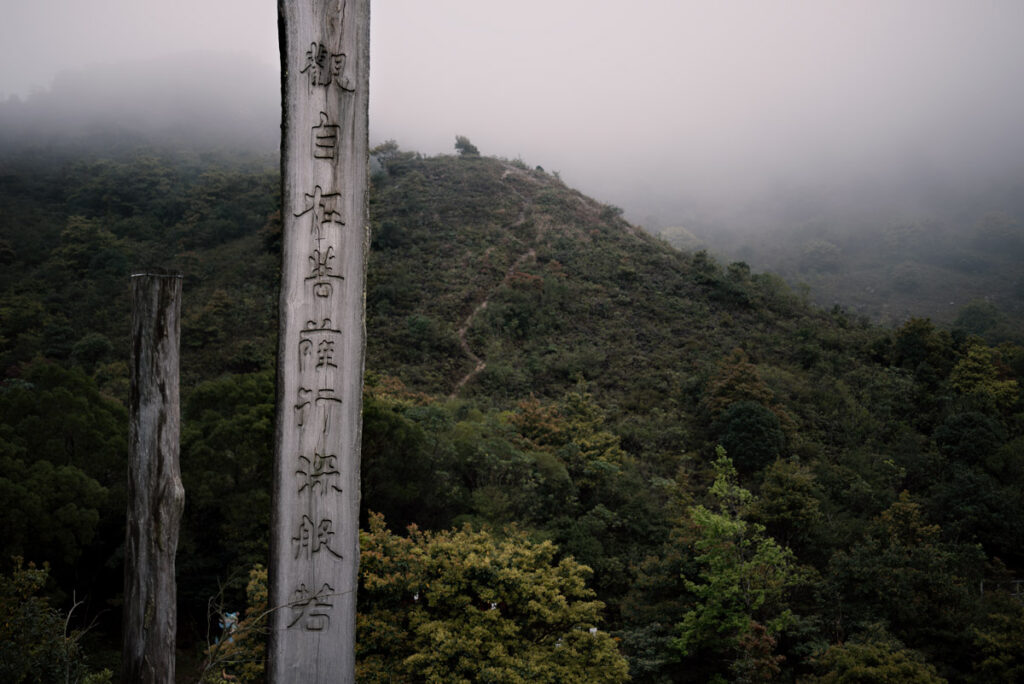
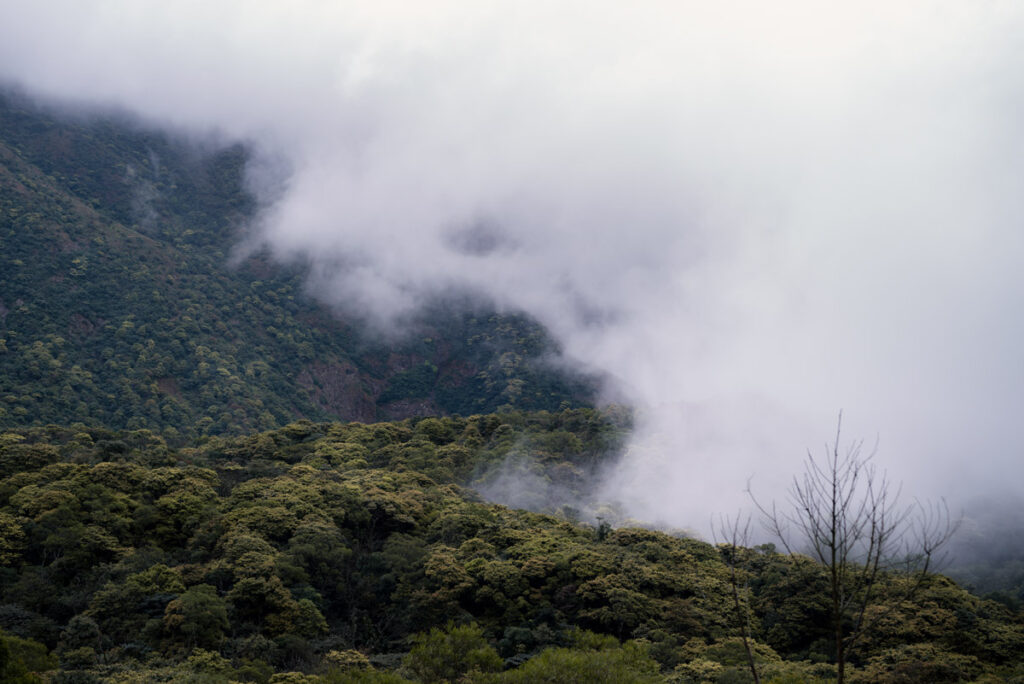
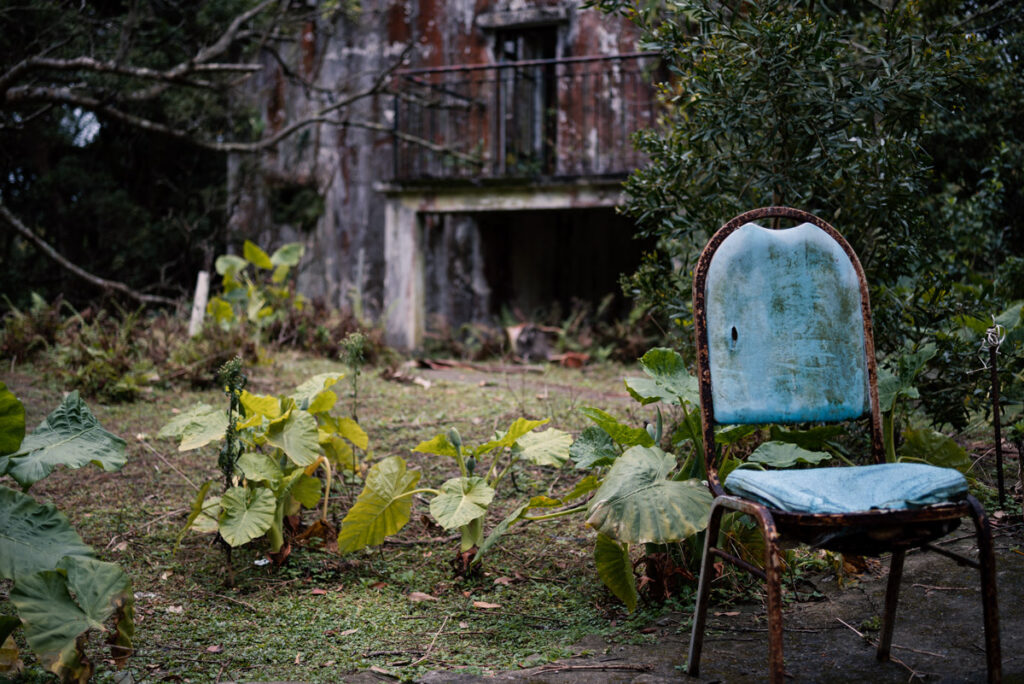
We follow the Path of Wisdom, which leads us from rolling grasslands into a dense forest. Passing an abandoned ruin and strange-looking vegetation, we hike to various lookout points. But instead of sweeping panoramic views, all we see is an endless sea of fog.
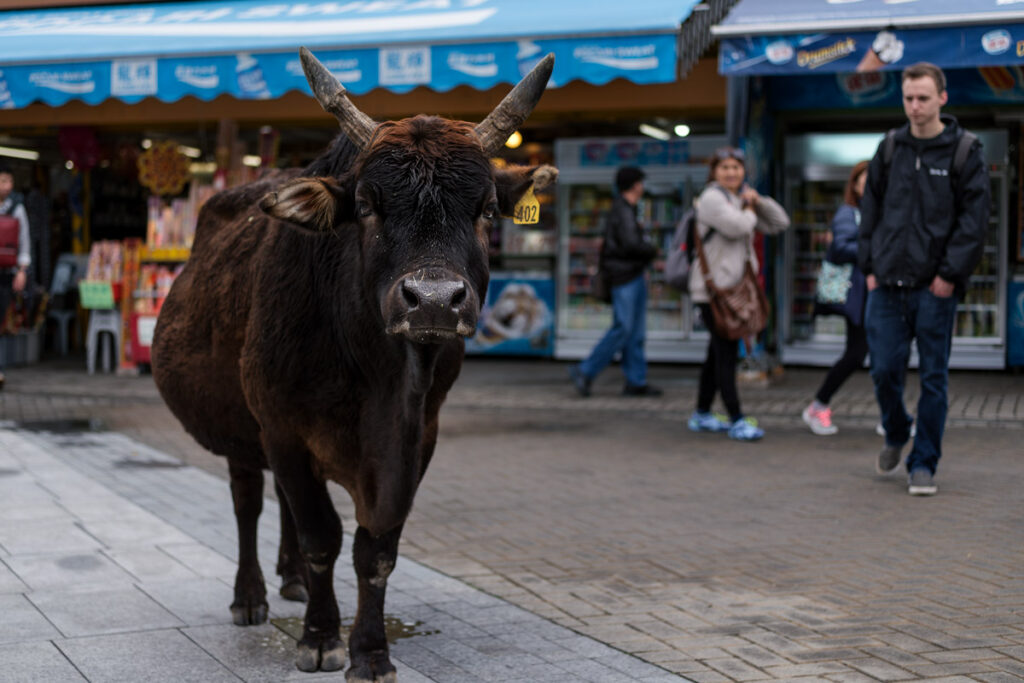
At the end of our short hike, we arrive back at the boat dock. Vendors are everywhere, offering cold drinks, ice cream, and fast food. An ox stands calmly on the sidewalk. Tourists stroll around it, and scooters zoom past. The rain has cleared, and the fog above our heads is gradually lifting. Suddenly, the sun breaks through the last wisps of cloud. Where just moments ago there was an enchanted world of ghosts, dragons, and hidden mountain paths, a friendly island now appears in the light of a blue spring sky.
Hong Kong is far more than just a massive Asian metropolis. It is more than a collection of skyscrapers, neon lights, and streams of traffic. The city is a film noir set in the depths of the human soul, an urban behemoth full of contradictions. At the same time, it is a maritime world of islands, villages, jungles, and mountains – embedded in a geopolitical conflict of historic significance.
This metropolitan region in southern China swept us away and drew us deep into its heart. Hong Kong revealed itself to us as more colorful, vibrant, and multifaceted than we expected. The city presented itself in all its facets – unfiltered, unvarnished, and authentic. This isn’t always pleasant; it’s often overwhelming and sometimes even unsettling. Yet that is precisely where its fascination lies.
Hong Kong is not a city to be consumed in passing. It is not a backdrop that willingly poses for a few pretty photos. Those willing to embrace its contrasts, its contradictions, and its frenetic pace will be rewarded with one of the most intense urban experiences the world has to offer.
Info about our trip
Hong Kong is definitely worth a visit. The Special Administrative Region has much more to offer than many people initially realize. That’s because Hong Kong isn’t just a spectacular megacity – it also comprises over 260 islands as well as vast natural and mountainous regions. Those who’ve had enough of the hustle and bustle of the city can find peace and quiet just a short distance away – on the coast, along hiking trails, or in the subtropical forests of the outskirts.
Tropical beaches, offshore islands, Buddhist monasteries, lively markets, and some of the world’s most impressive skylines are often just a few kilometers apart here. Families will also find plenty to enjoy: Lantau is home to Hong Kong Disneyland, and there are numerous parks, cable cars, and nature destinations. Hong Kong is therefore an excellent choice for a varied trip lasting one to two weeks.
Furthermore, Hong Kong is an ideal starting point for further travel in Asia. Destinations such as Macau, Taiwan, Thailand, or mainland China are quickly and often affordably accessible.
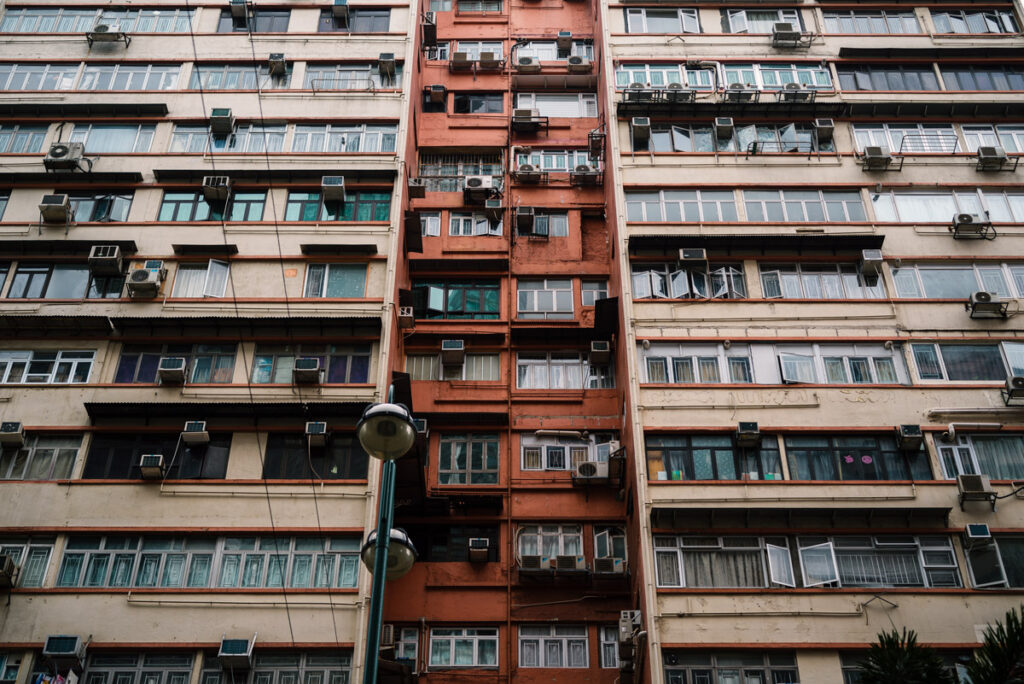
Hong Kong isn’t exactly one of Asia’s cheapest travel destinations. Accommodations, in particular, can be surprisingly expensive and often offer significantly less space than what you’re used to in Europe. Western restaurants, bars, and tourist attractions also frequently charge prices more reminiscent of major European cities.
Nevertheless, with a little planning, Hong Kong can be a relatively budget-friendly place to visit. The excellent public transportation network is affordable and efficient, and many of the most beautiful sights – from markets and temples to hiking trails and viewpoints – cost little or nothing at all. Eating at local restaurants and food stalls can also significantly ease the strain on your travel budget. In short: expensive to stay, but often affordable to explore.
Hong Kong is a paradise for food lovers. Few other cities bring together so many culinary influences in such a small area. Cantonese cuisine dominates the cityscape with its dim sum, noodle soups, rice dishes, grilled meats, and fresh seafood. You’ll also find influences from all over China, as well as restaurants from nearly every corner of the globe.
The sheer variety is particularly appealing: simple street food stalls, chaotic street food markets, and some of Asia’s best restaurants are often just a few blocks apart. You should definitely try dim sum, crispy duck, char siu (marinated roast pork), wonton noodle soup, and the famous egg waffles. Price-wise, almost anything is possible: from affordable street food to luxurious Michelin-starred restaurants, there’s something here for every taste and budget.
In Hong Kong, nice hotels are rarely cheap – and cheap hotels aren’t always nice. Space in this densely built-up metropolis is limited and, as a result, expensive. Hotel rooms are therefore often significantly smaller than what you’re used to in Europe. Especially in the lower price ranges, windowless rooms, basic amenities, and sometimes compromises in cleanliness and comfort are not uncommon. So before you end up in a dingy, windowless, and in the worst case, even cockroach-infested shoebox (just like we did on our first night), it’s usually worth investing a little more money in your accommodation.
For first-time visitors, we recommend accommodations in Tsim Sha Tsui on the Kowloon side or in Central and Sheung Wan on Hong Kong Island. From there, you’ll have excellent access to public transportation and can reach most attractions quickly and easily. If you want to save some money, you can also look for accommodations in the New Territories or on Lantau, but you’ll have to accept longer travel times.
Hong Kong is one of the safest major cities in Asia. Violent crime is rare, and even as a tourist, you can generally get around without any problems at any time of day or night. The biggest risks in everyday life are more of a practical nature: heavy traffic, crowded streets, and the subtropical heat and humidity during the summer months. As is the case anywhere in the world, however, you should still keep an eye on your valuables and use common sense. Overall, however, Hong Kong is an exceptionally easygoing and safe travel destination.
As mentioned earlier, Hong Kong offers an amazing variety of activities. However, the megacity itself – like many major Asian cities – isn’t necessarily a classic destination for families with young children. Crowded streets, heavy traffic, long staircases, and narrow sidewalks in some areas often make a baby carrier much more practical than a stroller.
Nevertheless, there are plenty of activities that children are sure to enjoy. Rides on ferries, double-decker buses, the historic railway to Victoria Peak, or the various cable cars are little adventures in themselves. Add to that walks along the waterfront promenades, a visit to the Edward Youde Aviary, or trips to the temples and beaches on the offshore islands.
What makes Hong Kong special is that you can escape the urban jungle at any time. Parks, hiking trails, quiet stretches of coastline, and forested hills are often just a few subway stops away. And if a classic family day out is what you’re looking for, Lantau is home to Disneyland, one of the most famous attractions in the entire region.
Getting around Hong Kong is incredibly easy and is one of the city’s greatest strengths. With the MTR, ferries, buses, trams, and taxis, you can reach nearly every corner of the metropolitan area quickly, reliably, and at a relatively low cost. The MTR, in particular, is considered one of the most efficient public transit systems in the world.
You don’t need your own car – on the contrary: heavy traffic, high parking fees, and the excellent public transit network make renting a car unnecessary in most cases. Even trips to the outlying islands or the green mountainous regions can be easily organized using public transportation. Our tip: Get an Octopus Card right after you arrive. With it, you can use almost all forms of public transportation conveniently and cash-free.
- Photographer Vaughan Grylls takes you on a journey back in time: In his photo book Hong Kong Then and Now®: A stunning photographic journey through the history of Hong Kong, he showcases stunning vintage images of historic Hong Kong and juxtaposes them with photos of how these places look today and how they have changed
- You can find a factual and historical, yet highly accessible overview in Hongkong: Umkämpfte Metropole: Von 1841 bis heute by Julia Haes and Klaus Mühlhahn
- Another wonderful throwback is the historic (and still beloved) children’s book This is Hong Kong: A Children’s Classic by Miroslav Sasek – originally published in 1965
