Cape Verde
In 2018, a research expedition took Chris to the islands of Santiago and Fogo. Located just under 600 kilometers off the coast of West Africa, Cape Verde is a destination that often takes a back seat to the European vacation islands of Madeira and the Canary Islands. But while Madeira is thoroughly Portuguese and the Canary Islands are distinctly Spanish, Cape Verde offers a unique blend of Portuguese heritage and African spirit.
Barren lunar landscapes, so surreally beautiful that you fall in love with them at first sight. Dreamlike sandy beaches and the crisp Atlantic air. A country caught between a colonial past and the search for its own identity. Cracks on the surface, cracks between people, cracks within society. Cracks that are healing or still run deep.
Cape Verde offers far more than just a beach vacation and a bit of hiking. In a very small space, the country shows just how complex, contradictory, and fascinating Africa can be.
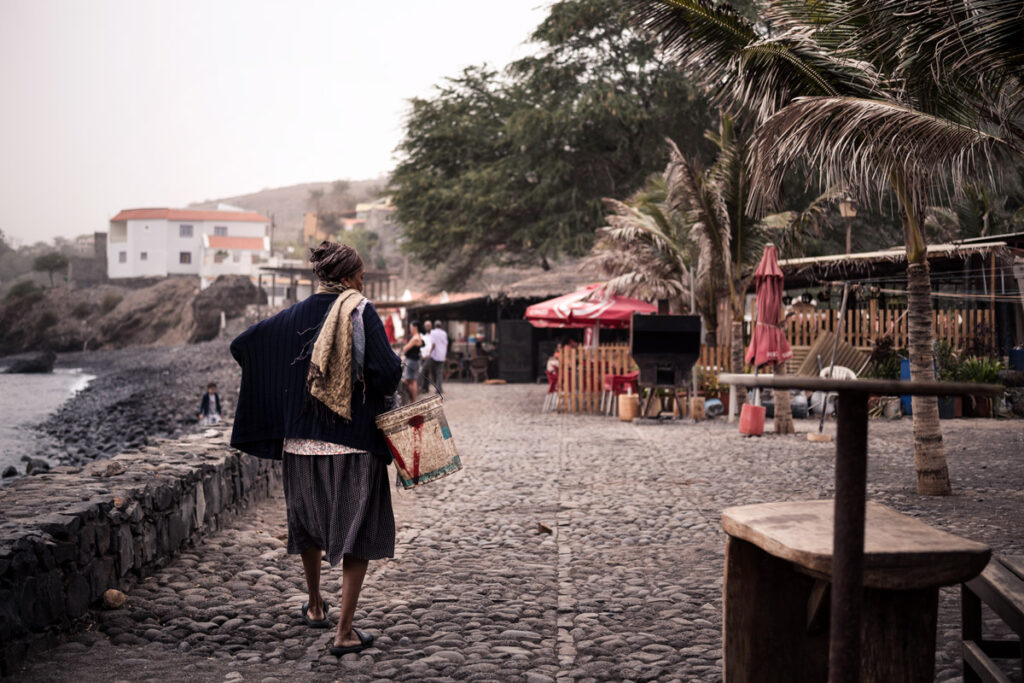
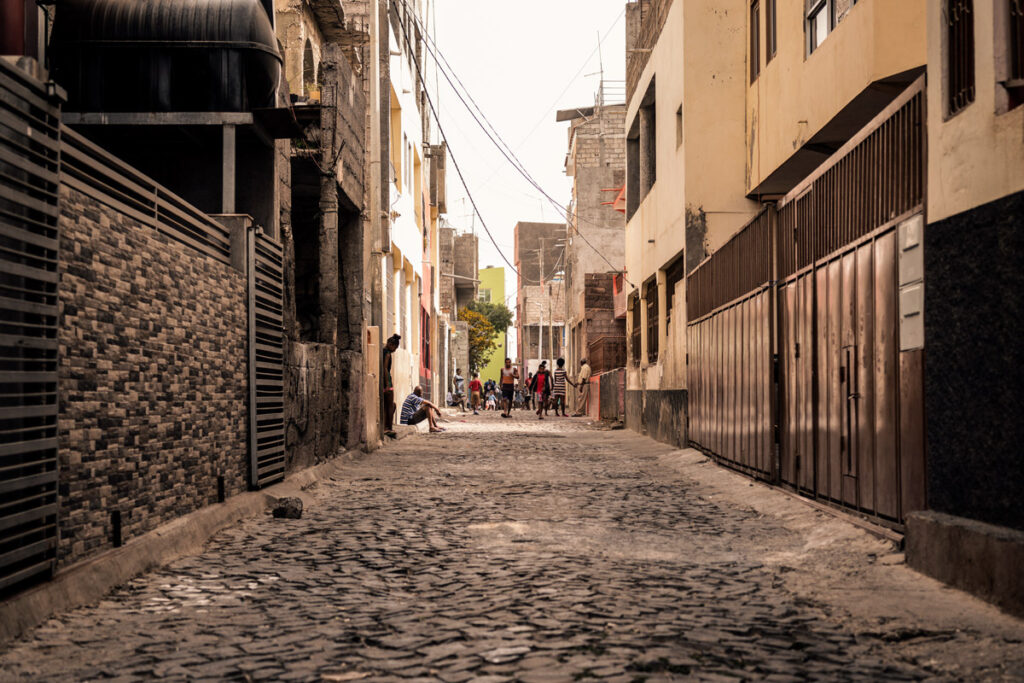
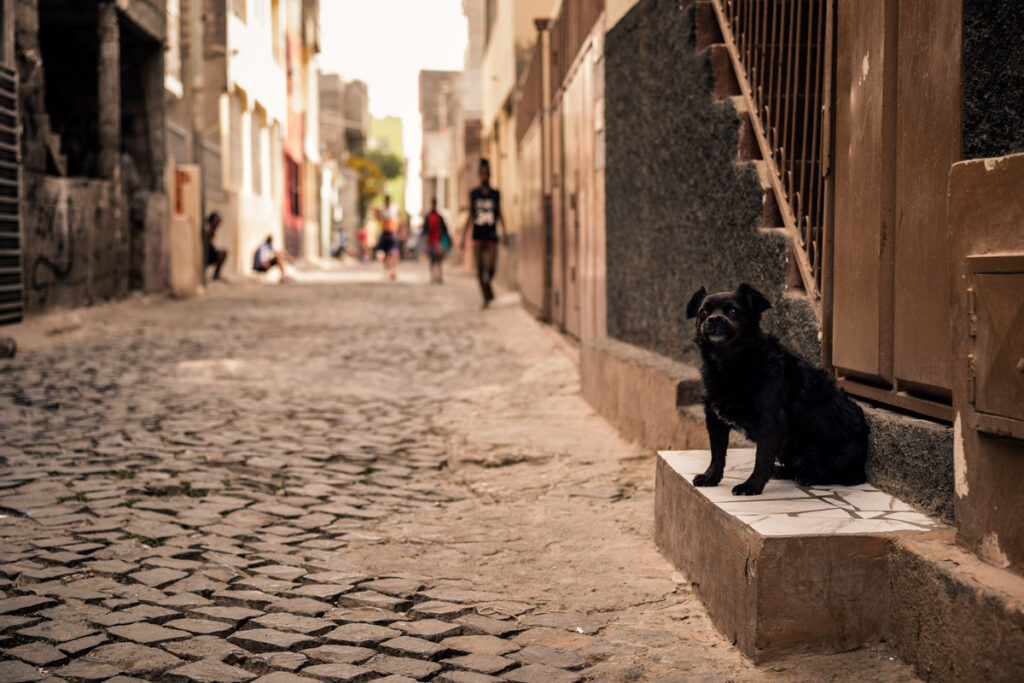
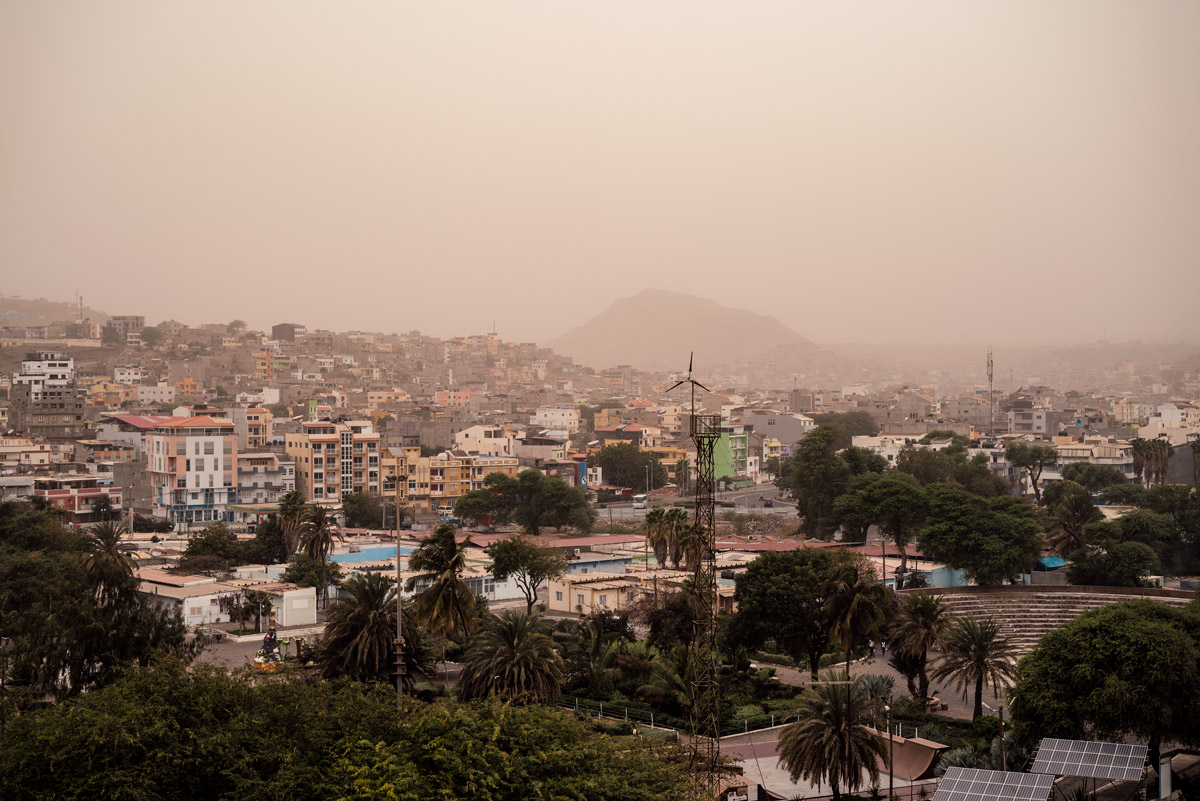
Praia is a sleepy capital, shrouded in the humid mist of the Atlantic. The coastline and the cityscape, the lives of its people and their culture – all are shaped by the sea. Palm trees grow on the sparse, rocky ground. The houses are painted green and blue, in the colors of seaweed and water. No crowds, but a constant sense of togetherness, like the never-ending murmur of the ocean.
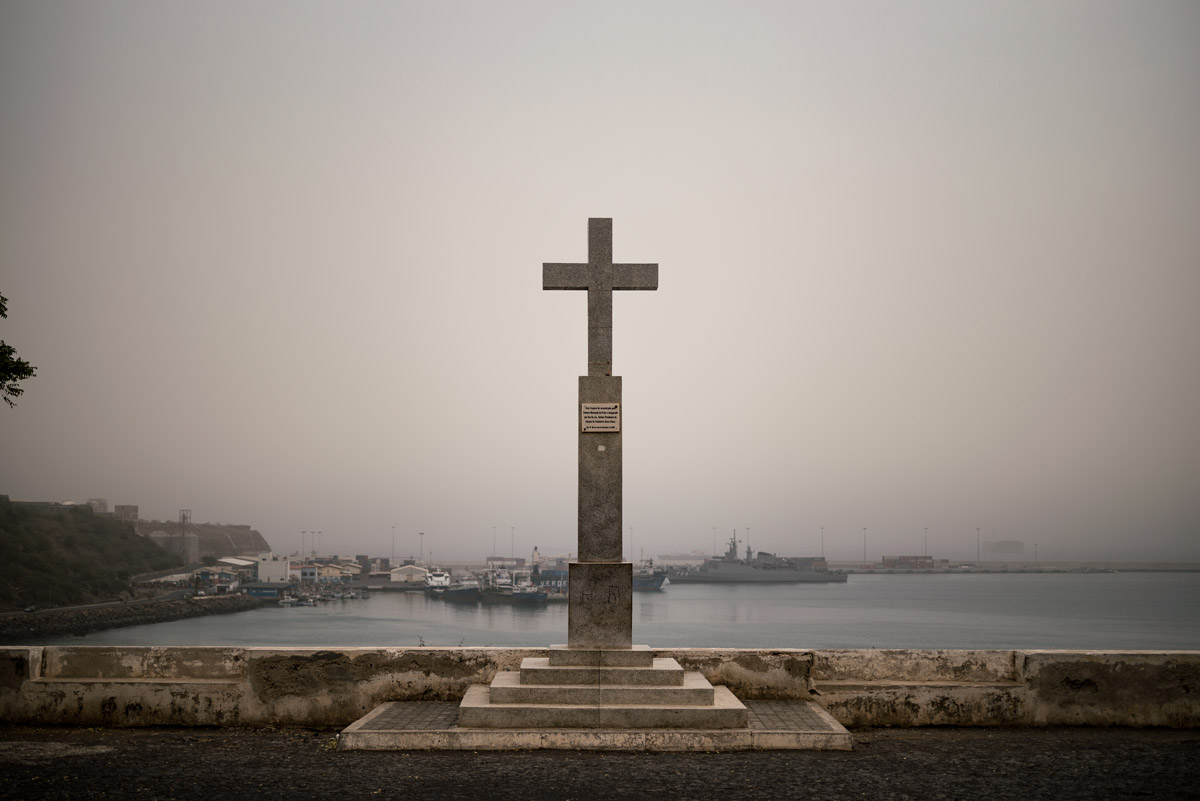
The cruel legacy of the slave trade is deeply etched into the island. As a memorial to that era, the marble post – the pillory where rebellious slaves were chained and whipped – stands in the harbor of Cidade Velha. From here, ships once sailed toward the American colonies, filled with people.
Instead of the slave trade, industrial zones now define the outskirts of Praia. The Coca-Cola Company operates a factory here, and Macau Legend Development Ltd. once planned to build a casino nearby. Economic growth comes at a price – and in Cape Verde, too, the question arises: who will ultimately pay it?
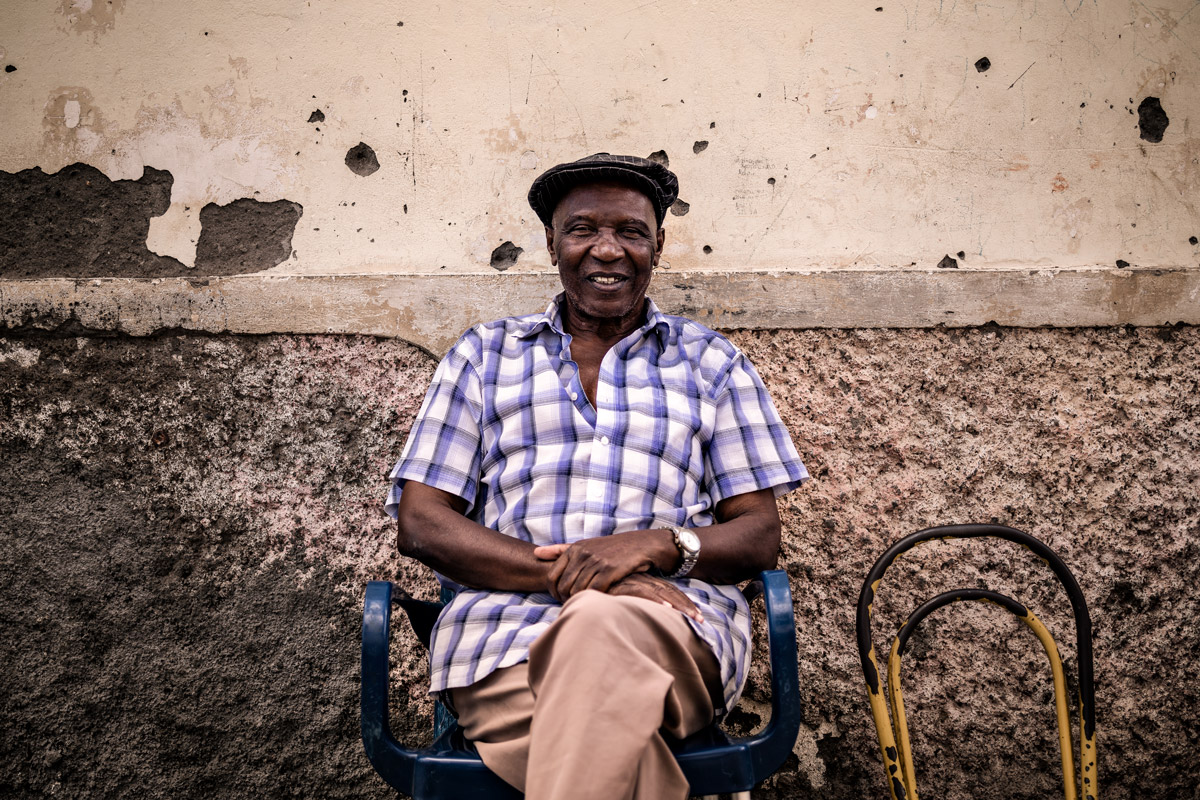
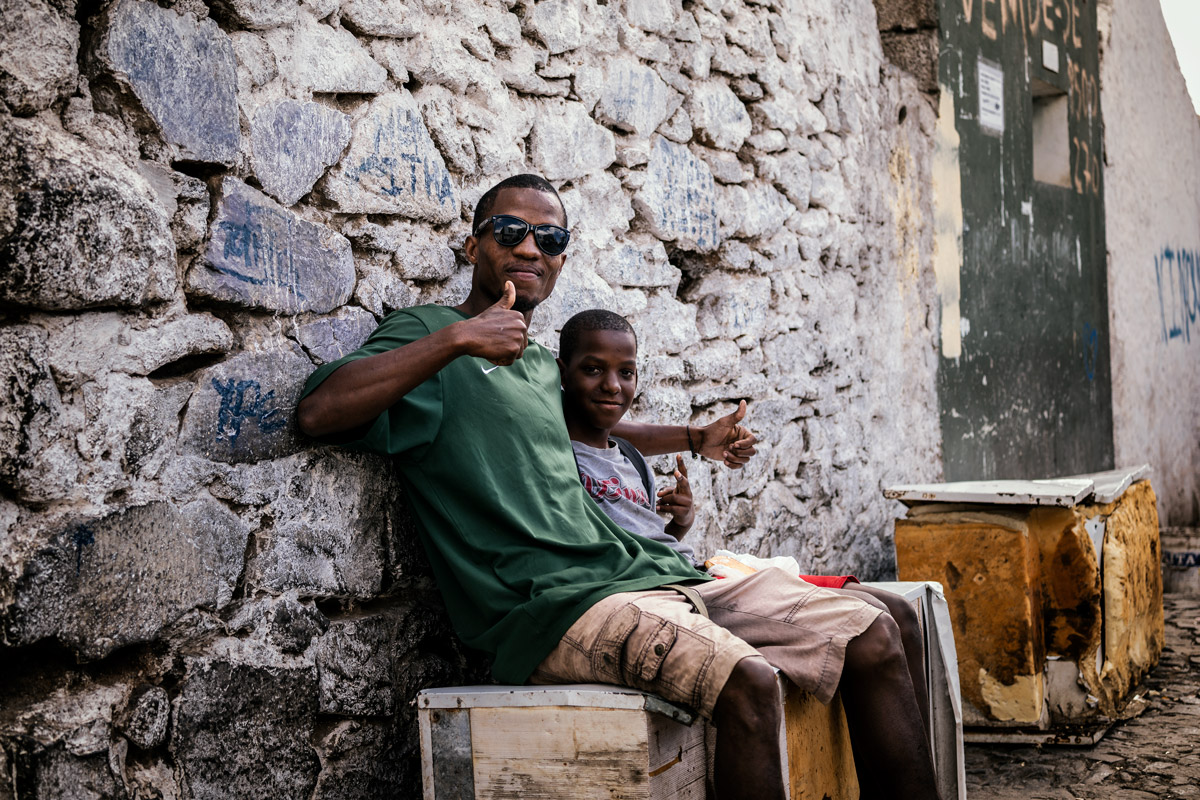
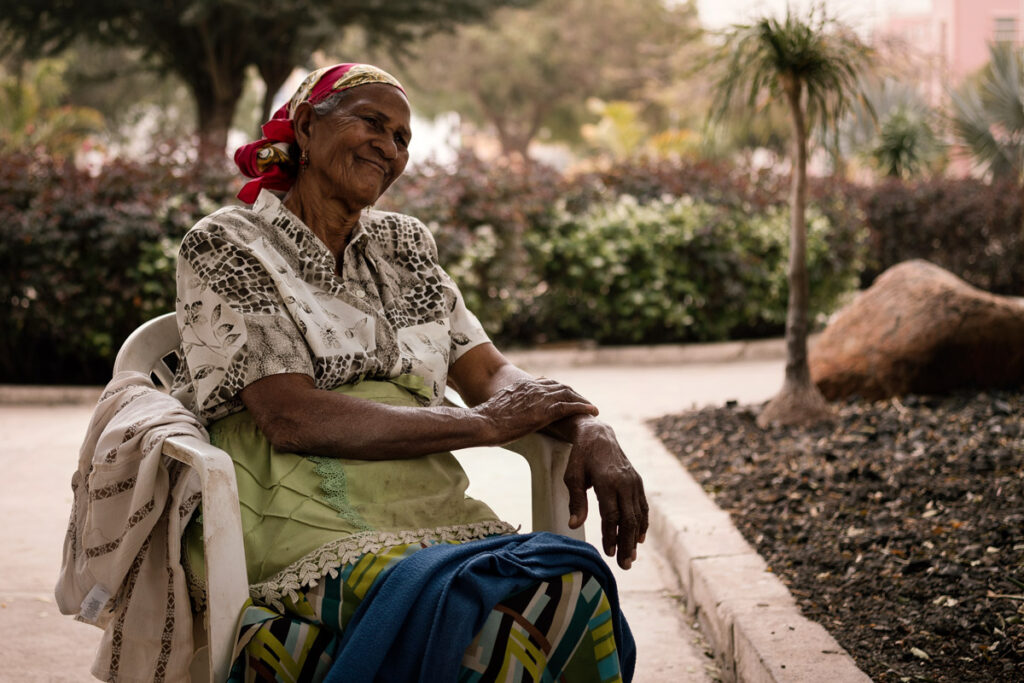
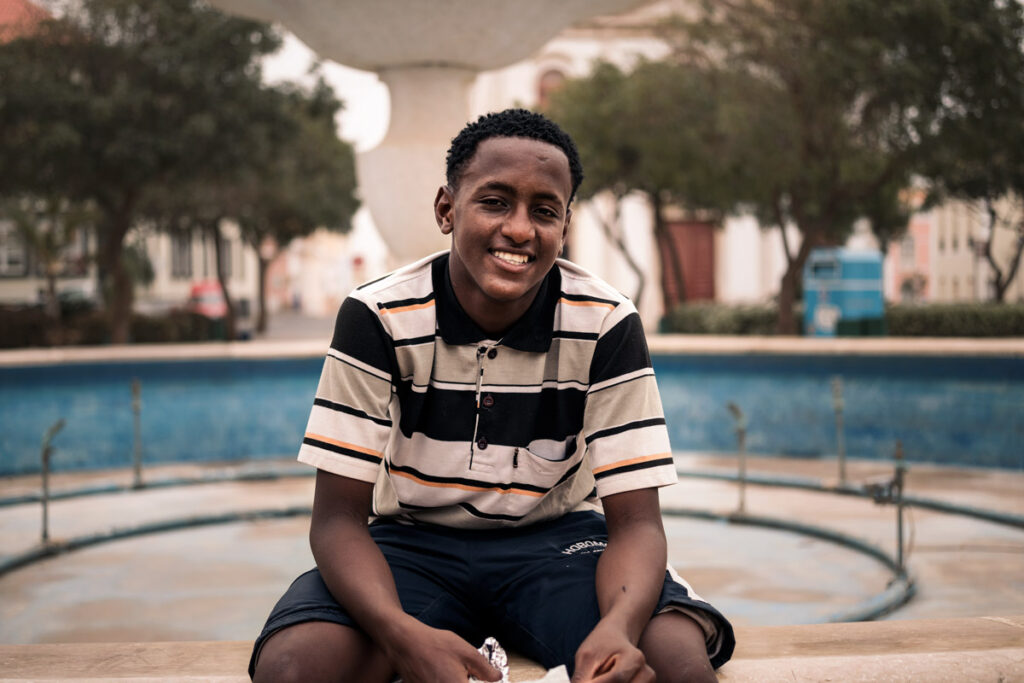
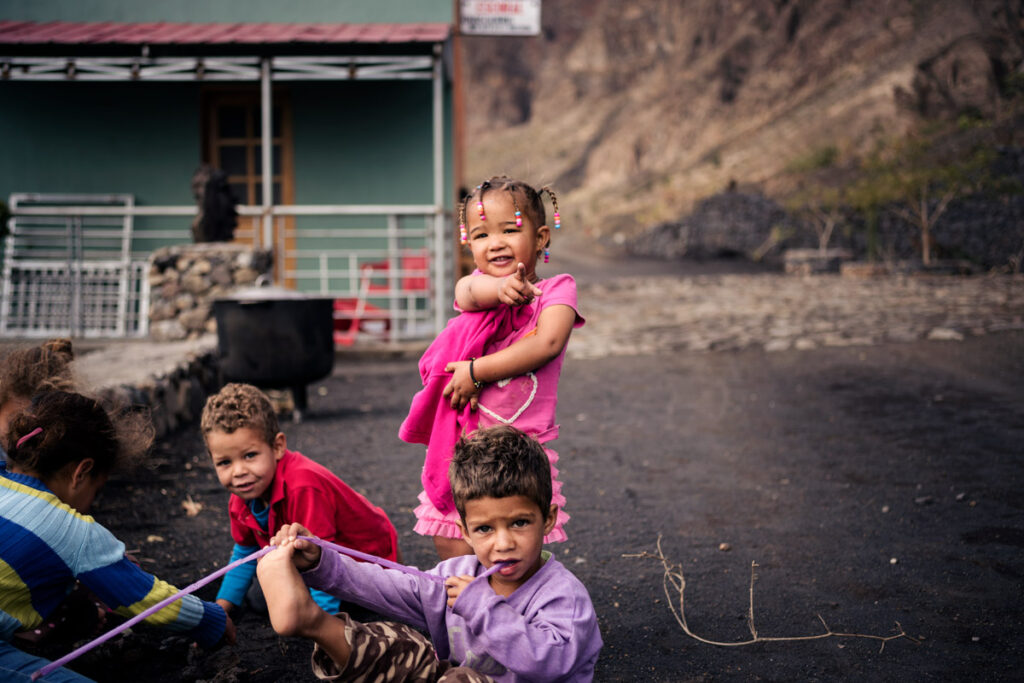
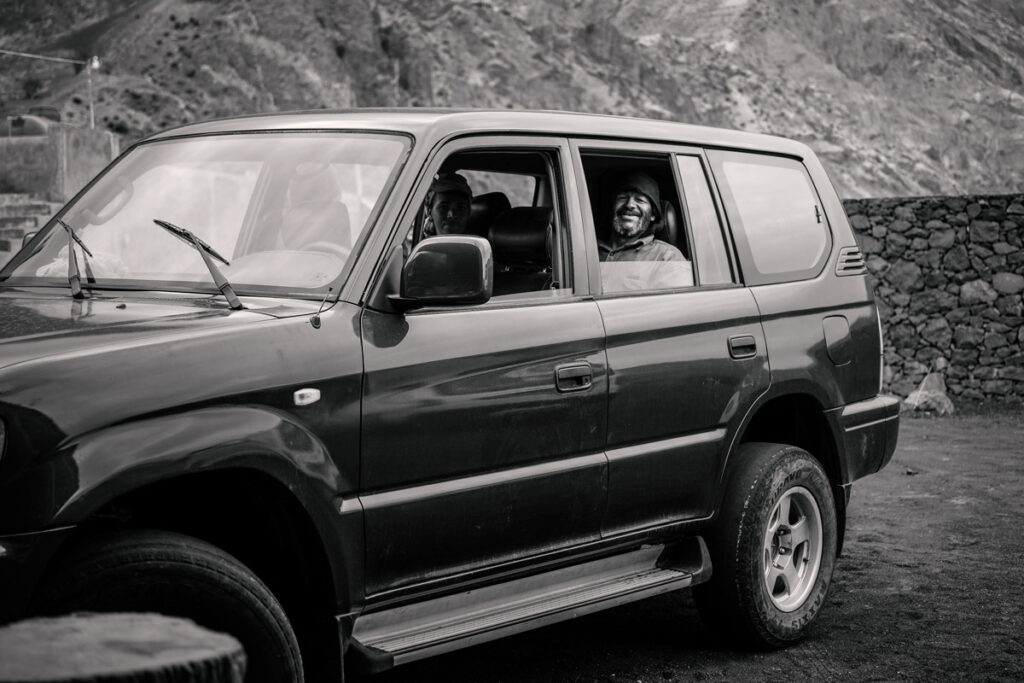
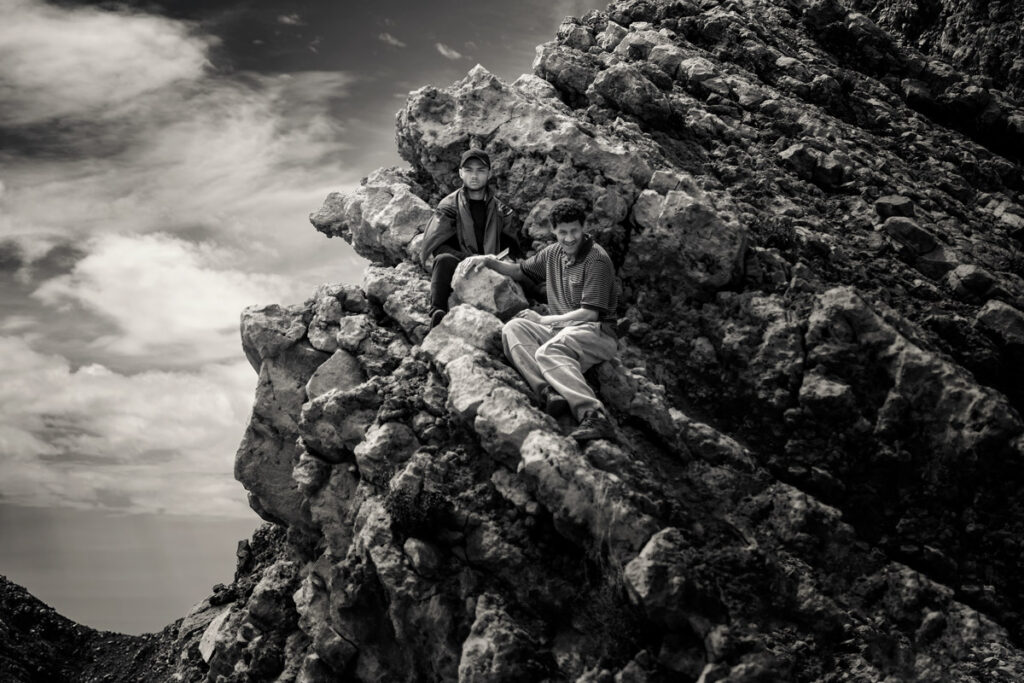
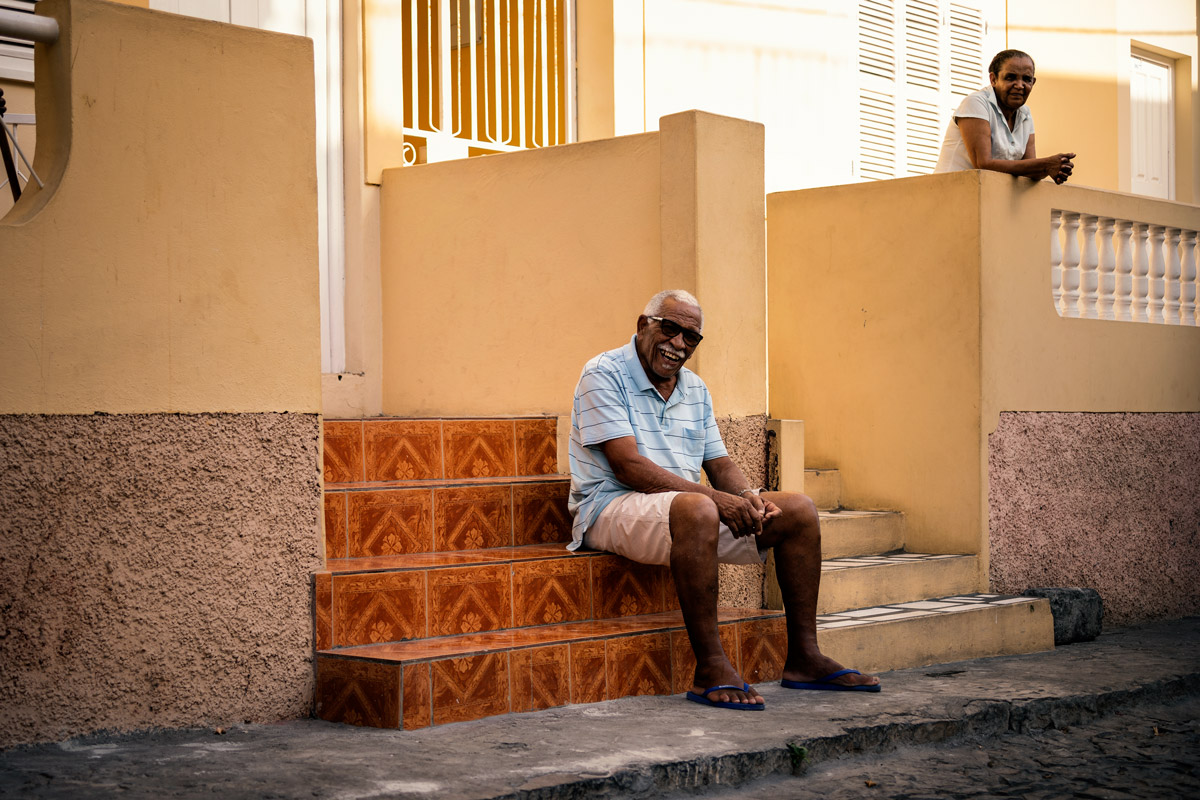
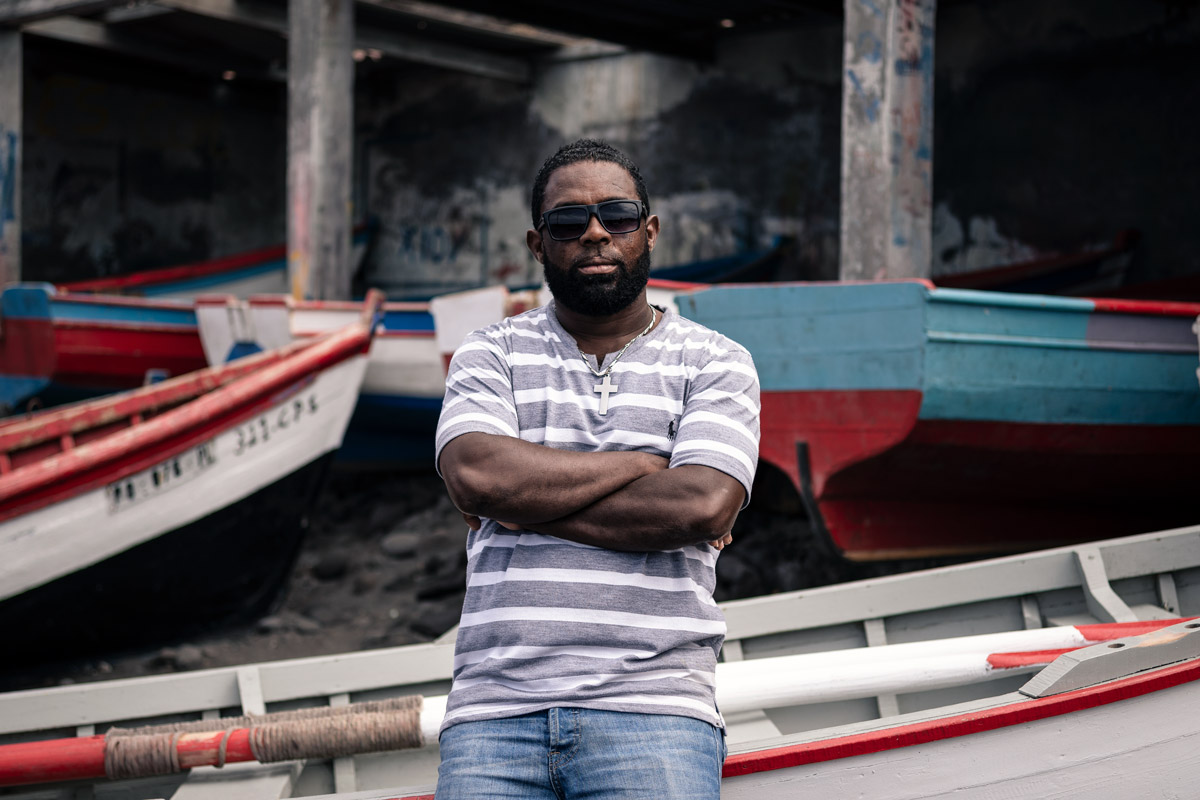
The Cape Verdeans often go about their day with serious expressions. They seem friendly, yet reserved at the same time. As soon as Chris waves at them, pulls out his camera, and asks to take a photo, their expressions brighten and broad smiles appear on their faces. The facade crumbles, and suddenly silent communication becomes possible. Were it not for the language barrier of Portuguese, countless conversations and encounters would surely take place.
It is impressive to see the optimism with which the people on these small islands in the middle of the Atlantic defy life’s adversities often out of necessity. For opportunities in Cape Verde are limited. There are few jobs and economic prospects. Many therefore leave the islands, seek work abroad, and regularly send money back to their families.
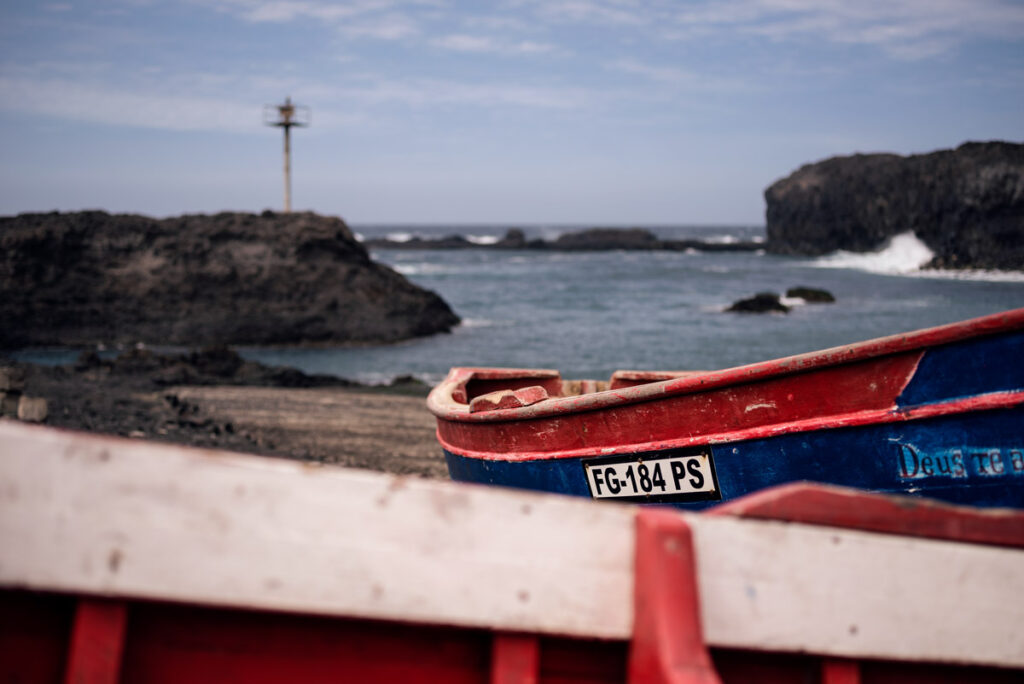
Those who do not work in tourism or public administration often have few alternatives besides fishing. People have learned to make do with little while still maintaining their dignity and zest for life.
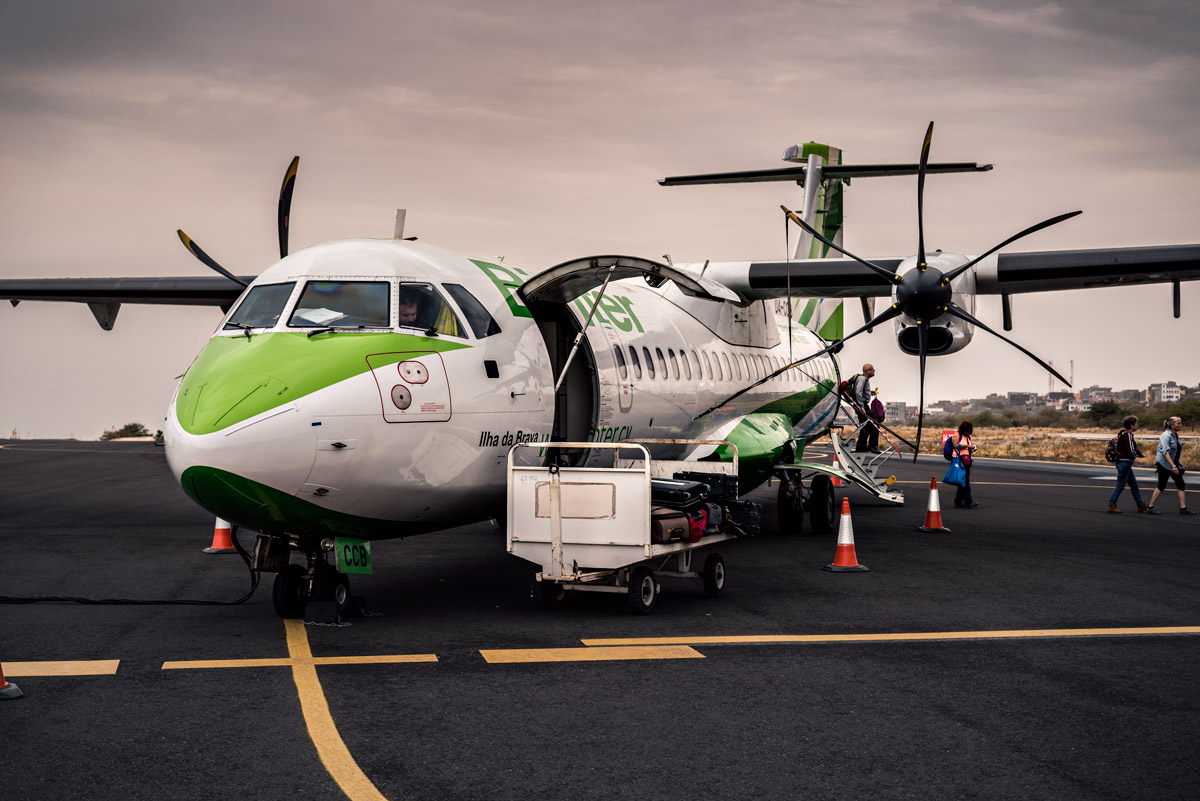
At the small airport in Praia, the capital, we board a turboprop plane. With a hum and a buzz, we take off shortly thereafter, and even the short flight to the neighboring island of Fogo is an experience in itself. No sooner are we in the air than the massive volcanic cone of Pico do Fogo rises before us – the destination of our expedition and research trip.
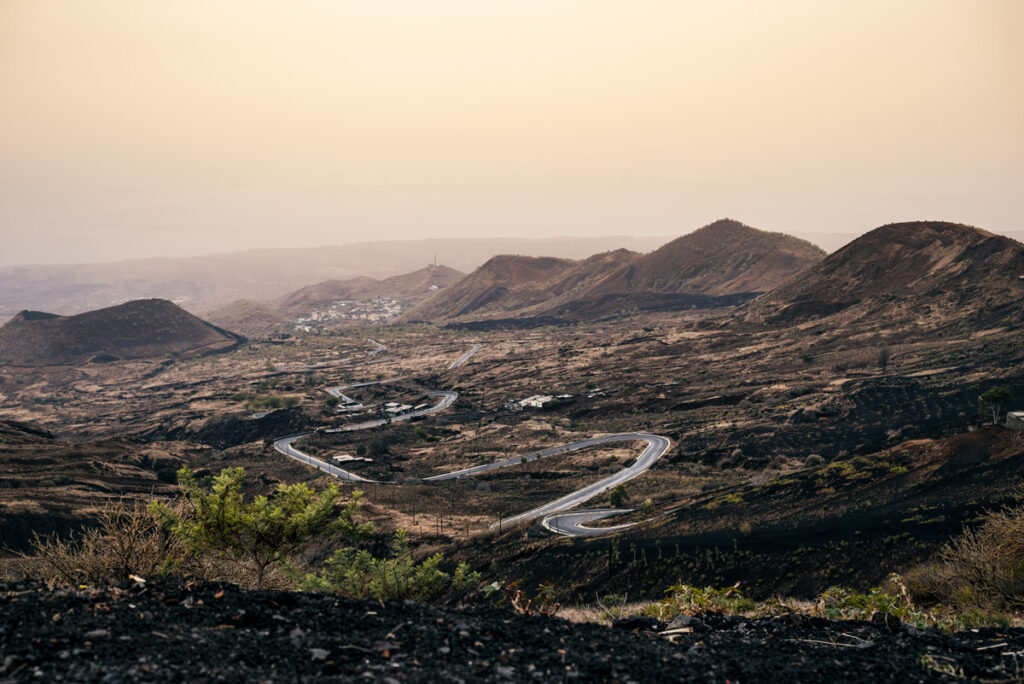
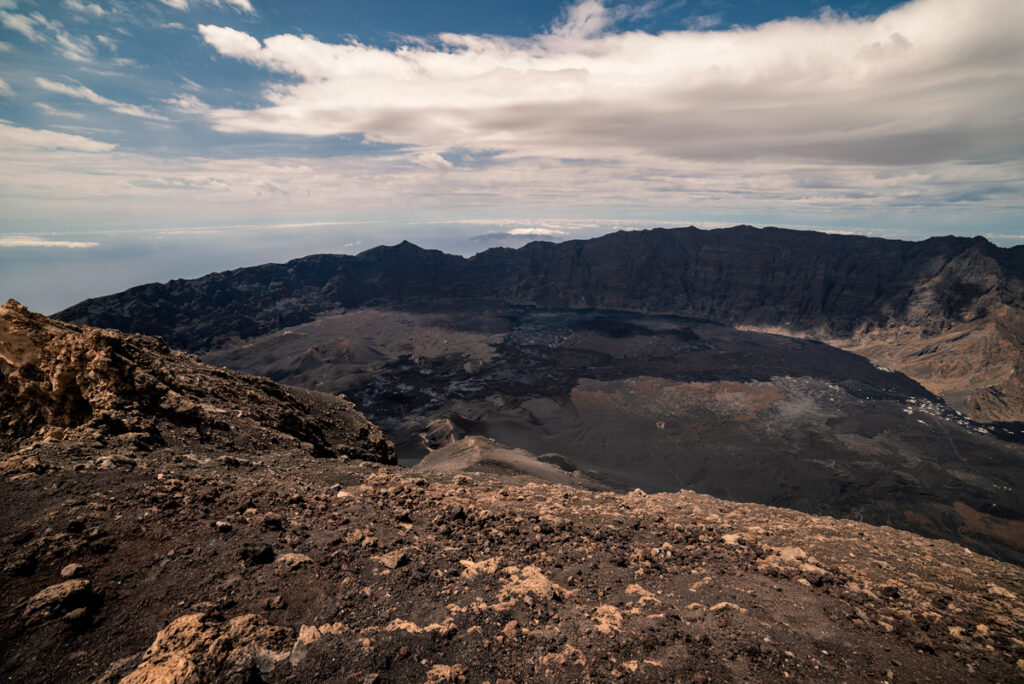
Once we arrive on Fogo, we follow a winding road up into the gigantic volcanic crater, the caldera. For Fogo itself is essentially a single supervolcano. The massive caldera we are now entering was formed by a colossal eruption thousands of years ago. Within this ancient crater, a new volcanic cone later formed, complete with its own crater – the Pico do Fogo.
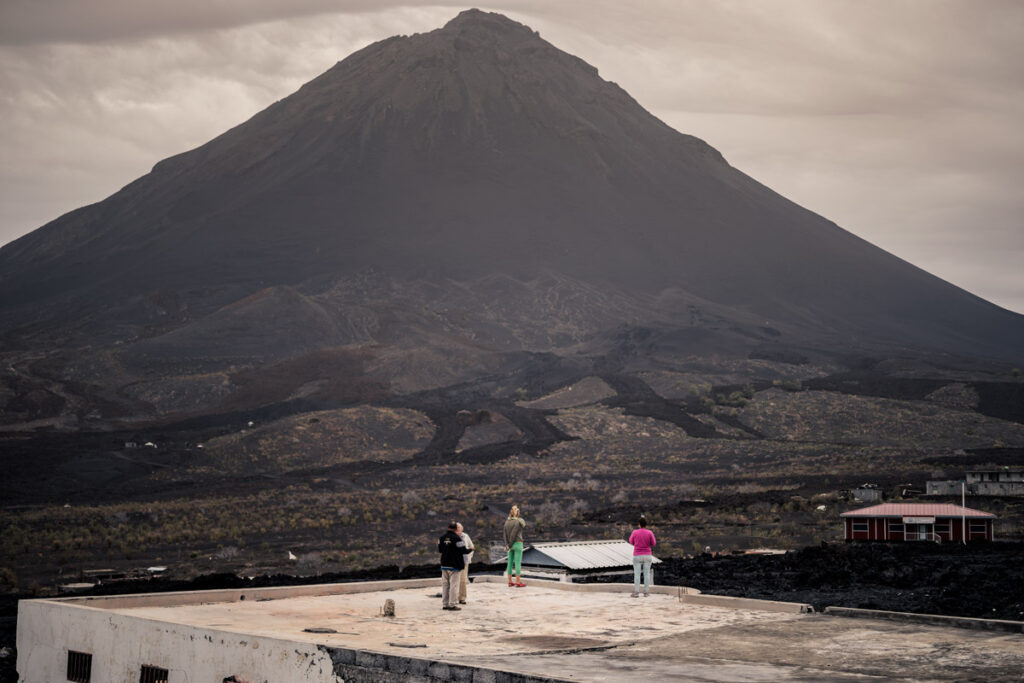
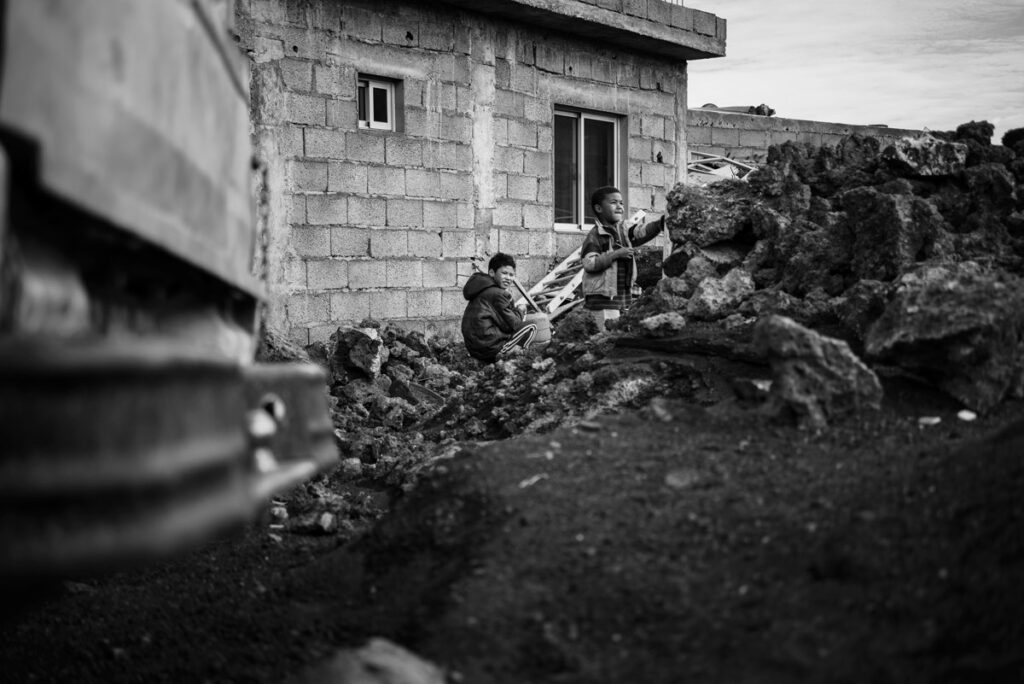
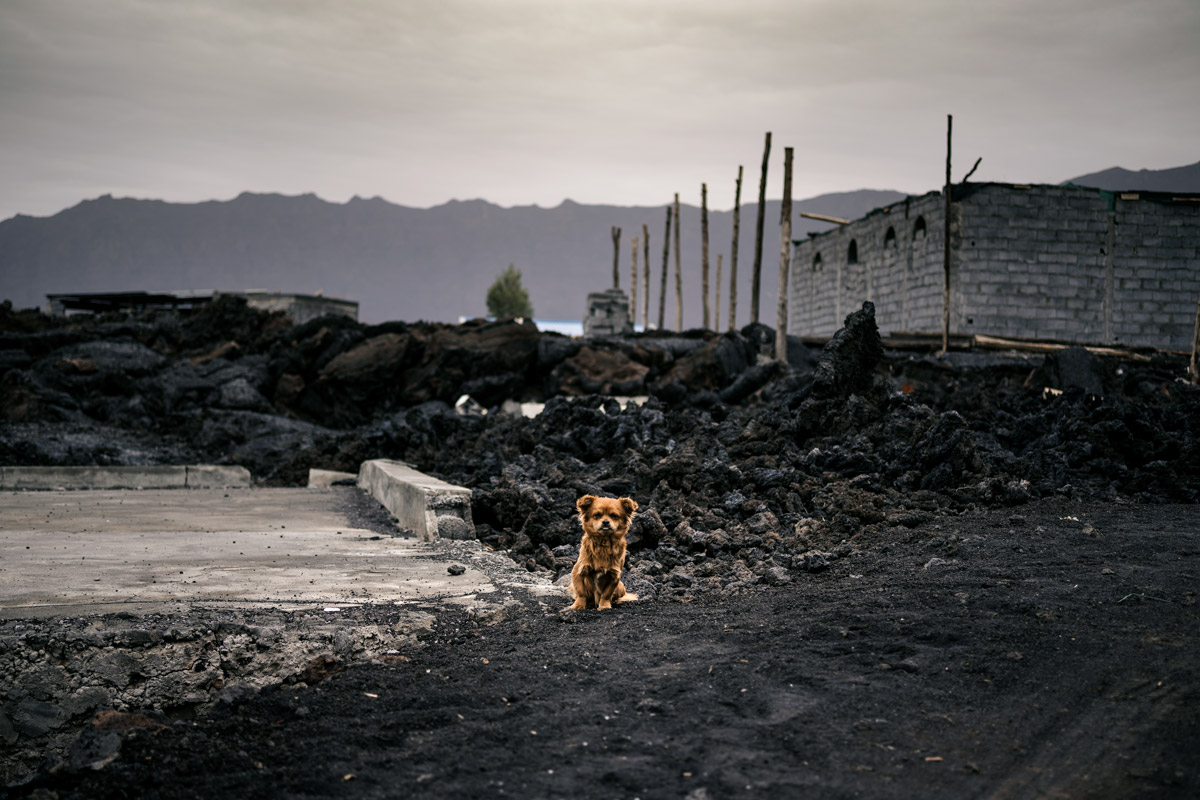
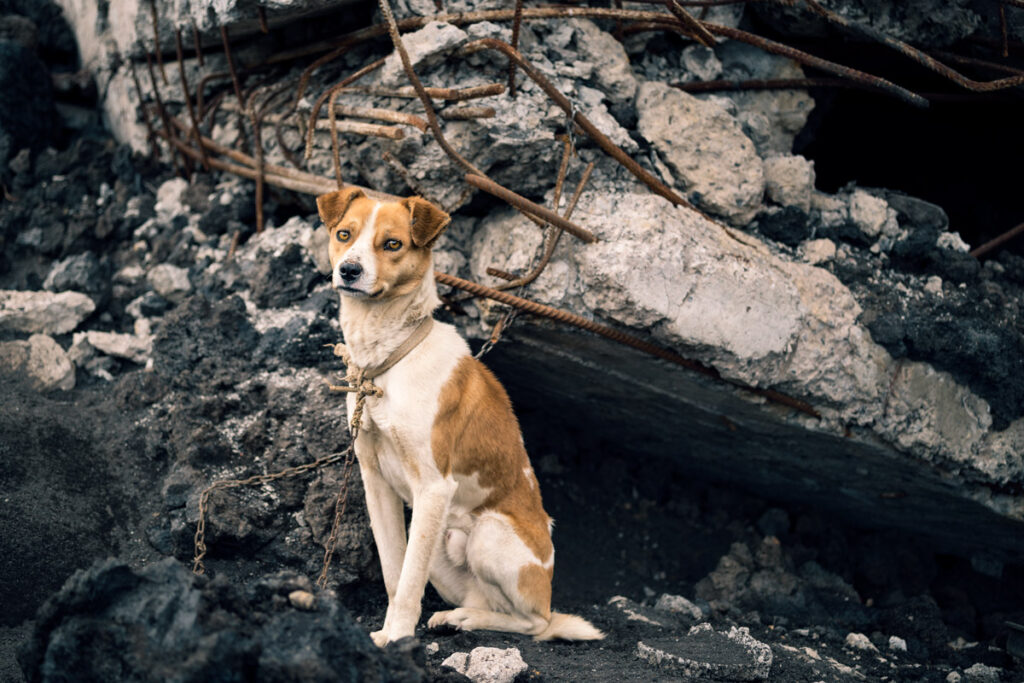
The volcano last erupted in 2014, flooding two small villages with lava. Although the government prohibited resettlement within the caldera, this did not stop many people from returning shortly thereafter and settling once again on the cooled lava rock. The land here is dangerous and unpredictable. At the same time, it is home to those who want to go nowhere else – or cannot.
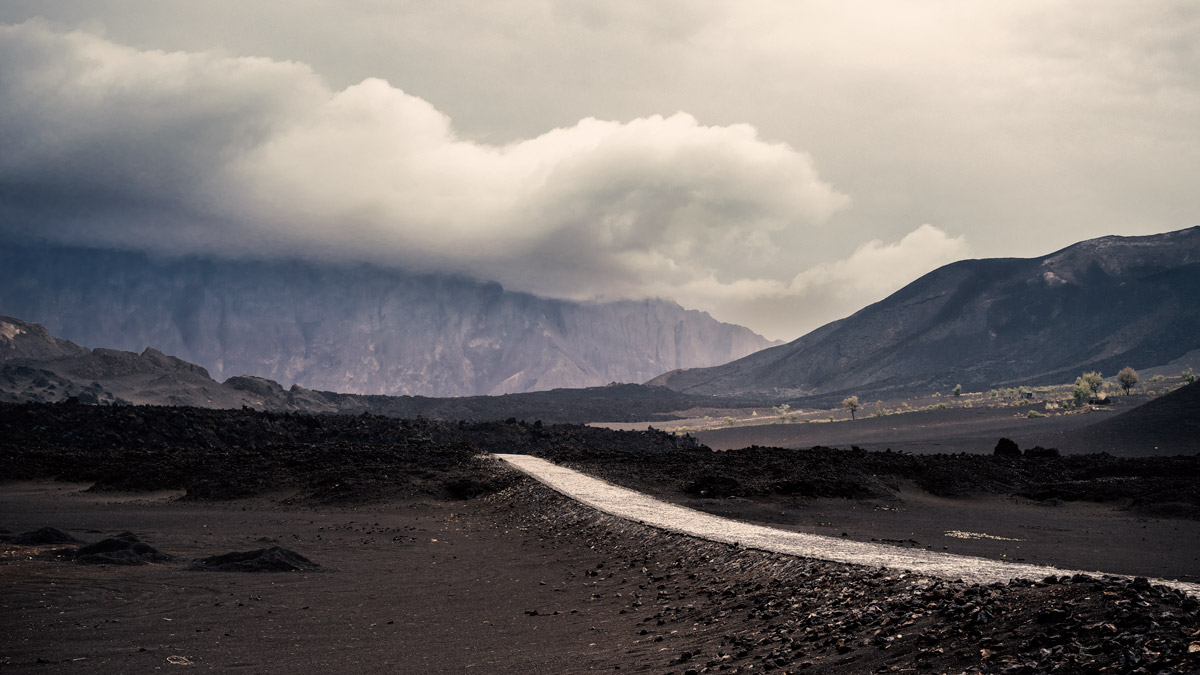
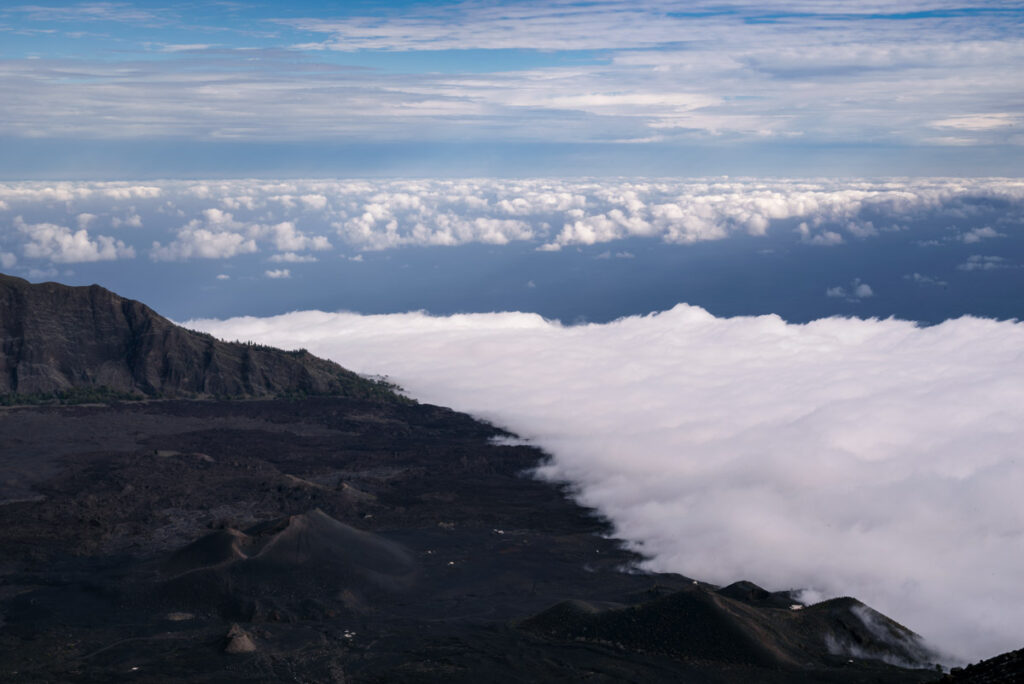
The wind is blowing, and up here at an altitude of nearly 2,000 meters, the air is hazy. Clouds drift low overhead. Before us lies one of the most bizarre landscapes imaginable. The caldera is surrounded by a steep cliff face that rises over 1,000 meters at some points. The ground beneath our feet is black – fine dust from volcanic rock. The old road we came up on disappears beneath a field of black basalt. The tops of the houses that were swallowed up during the 2014 eruption still protrude from the ground.
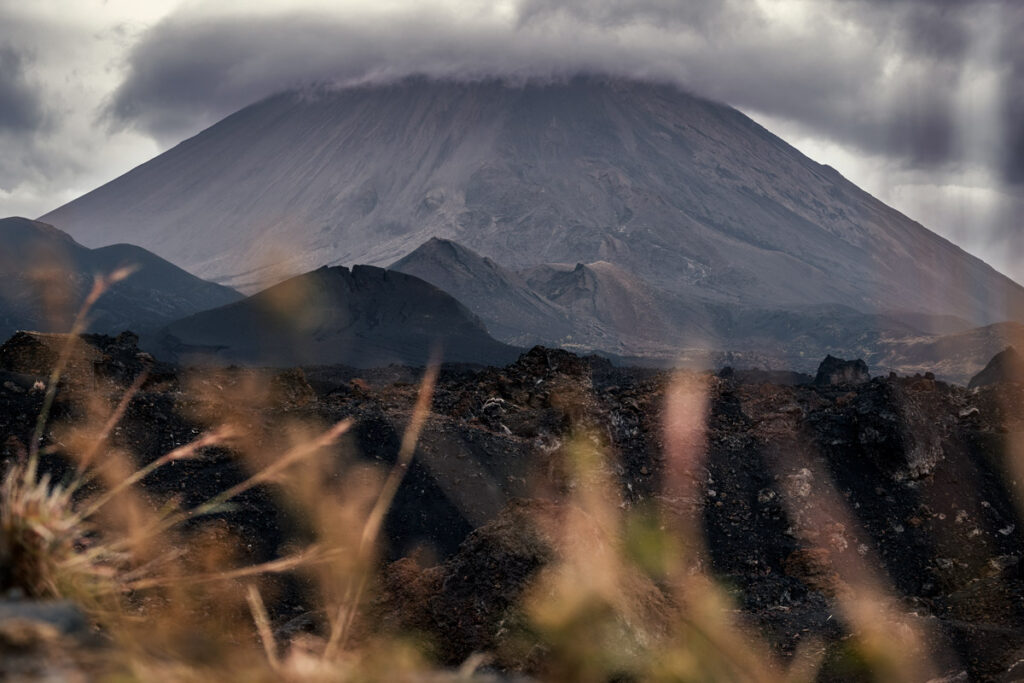
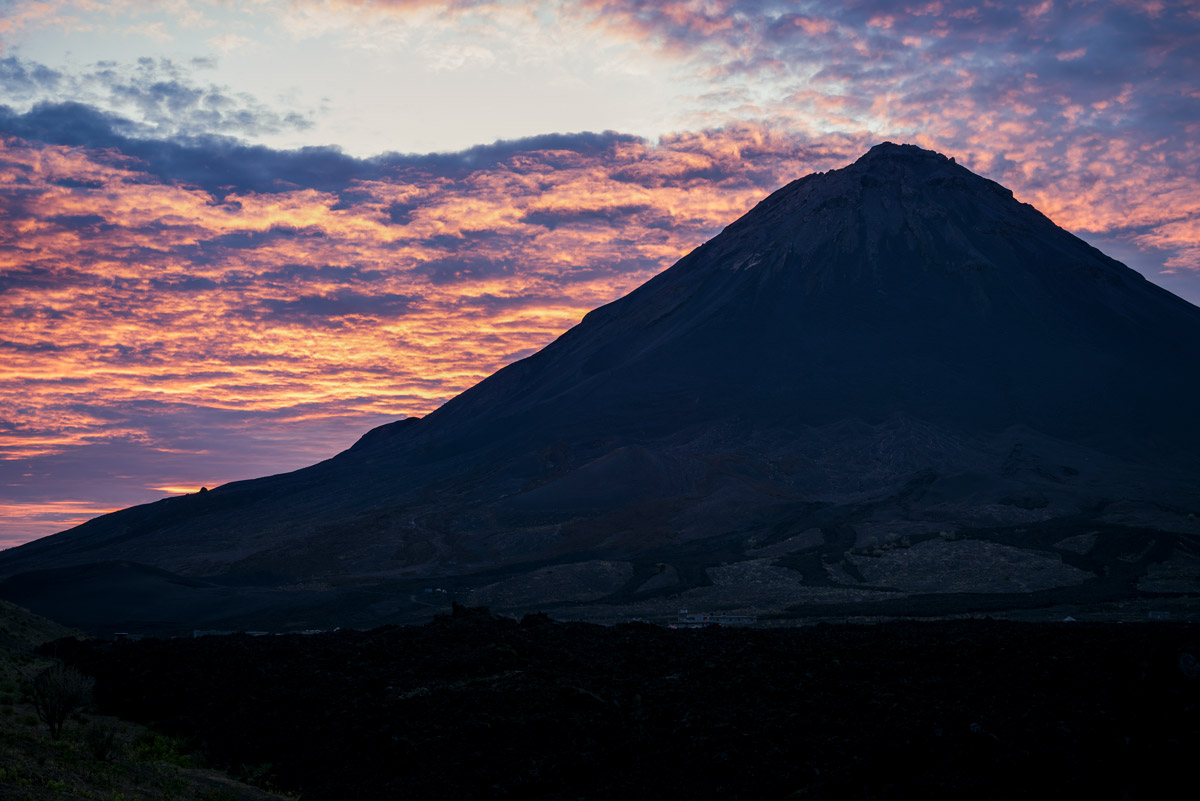
There is hardly any vegetation here – only a few sparse bushes and some yellow grass defy the hostile environment. Like an ominous giant, Pico do Fogo rises above us and casts its shadow over the caldera. Its peak is often hidden in fog. A capricious god who could be seized by a desire for destruction at any moment.
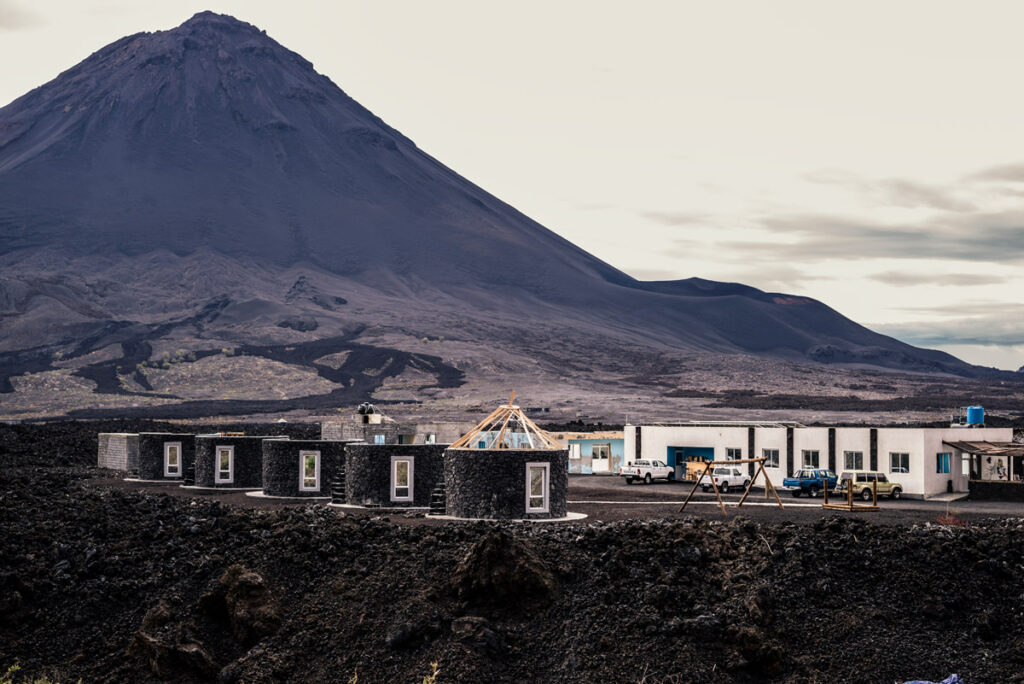
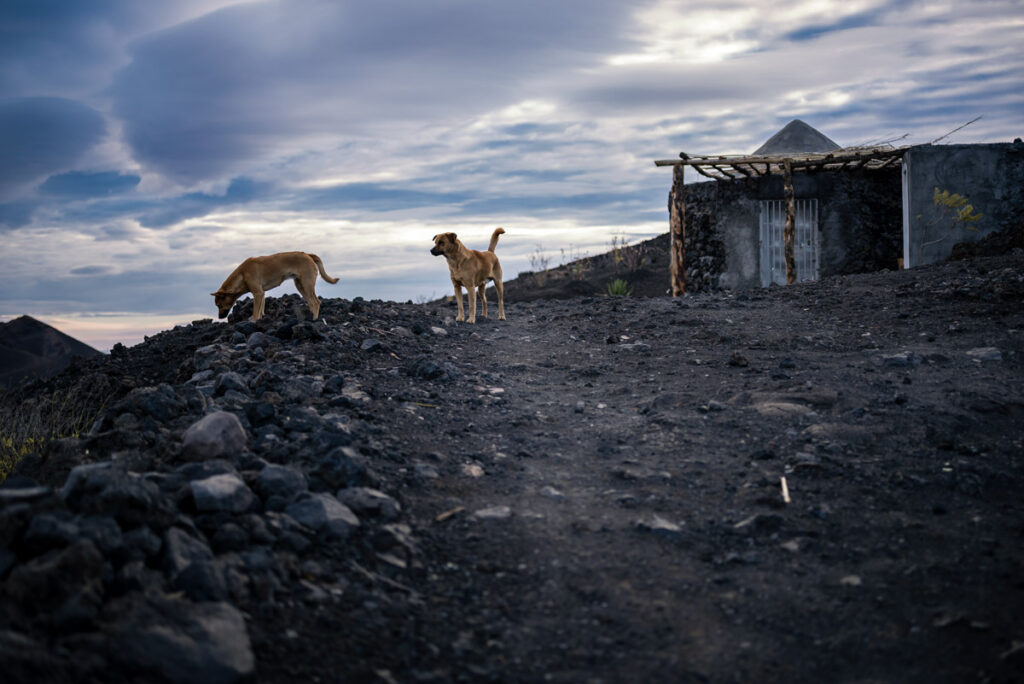
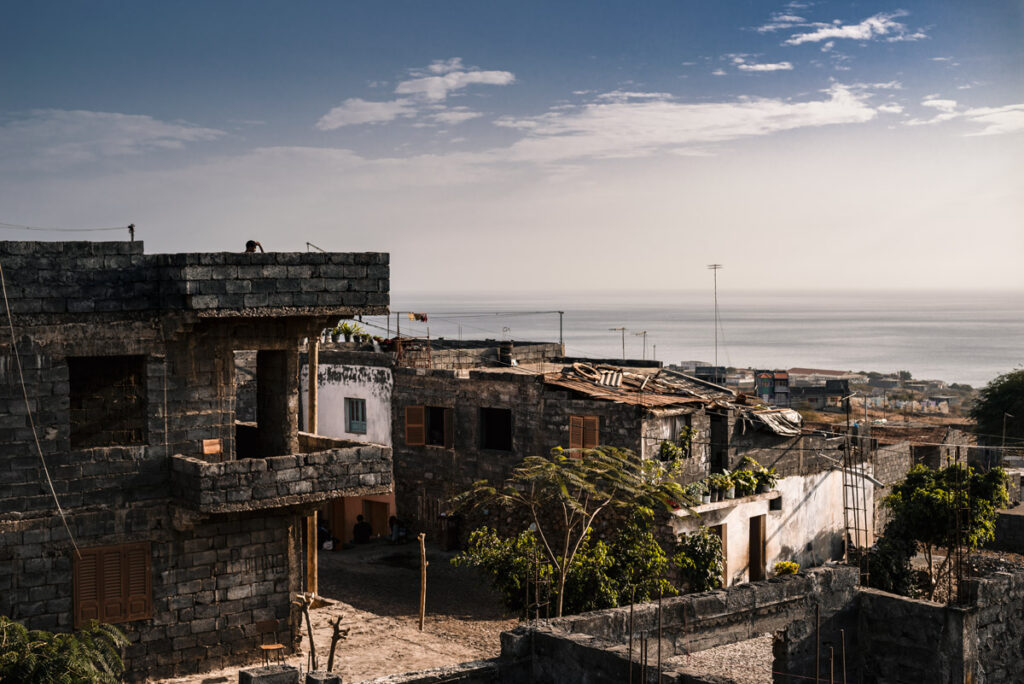
The people who returned after the last eruption have built new homes: simple dwellings made of stone and concrete. There is no regular power grid, no reliable water supply or sewage system. Instead, diesel generators hum in the silence of the volcanic landscape. Children play among the ruins of the old houses, and stray animals roam about.
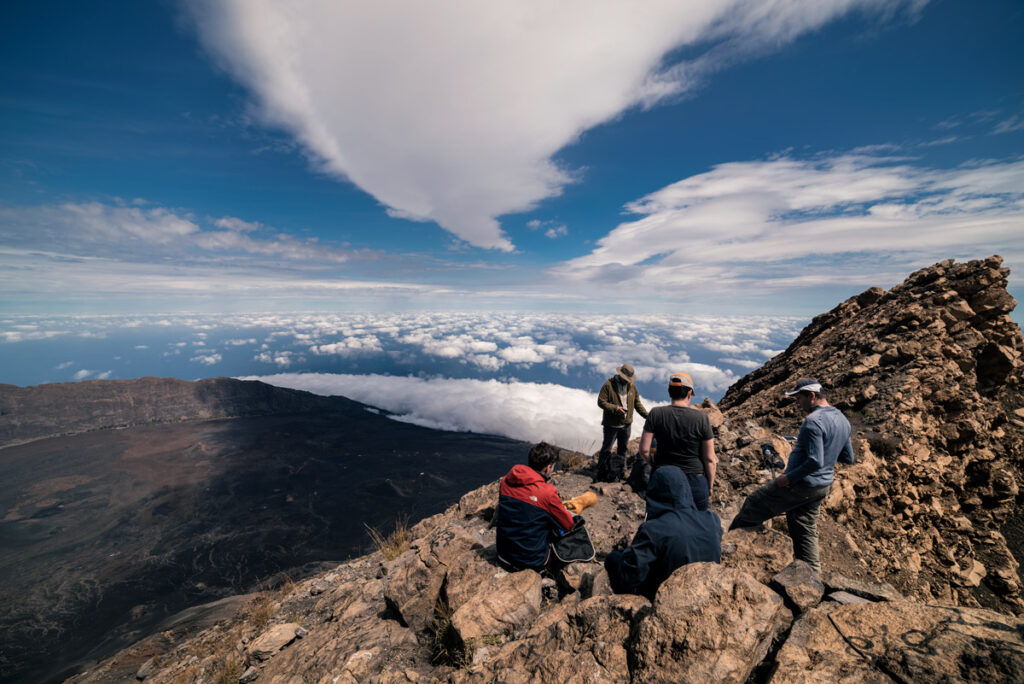
Early morning. The sky behind Pico do Fogo glows with the colors of burning embers. We’ve already reached the foot of the volcano and are setting out on the ascent. Two guides rush ahead, leaping effortlessly from rock to rock like mountain goats. The road becomes a trail, and the trail becomes a via ferrata. The climb is steep, yet the route is manageable. The colors of the morning shift from blue to gold. Finally, the sun breaks through the clouds and over the rim of the caldera, warming our sweaty faces.
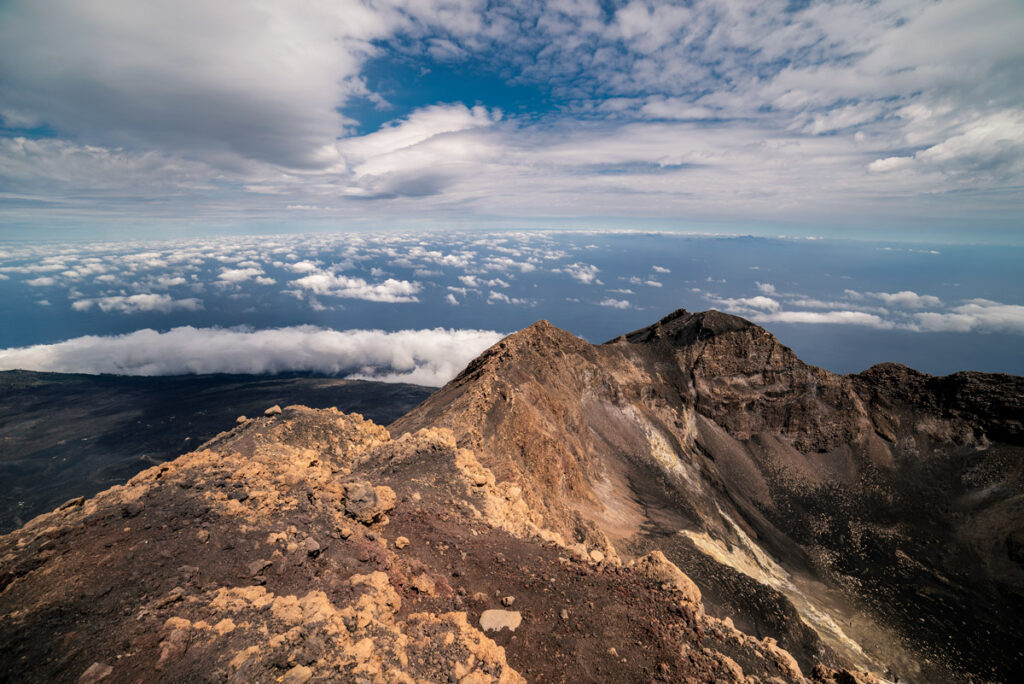
Eventually, we make it and stand on the roof of the world. Below us lies a sea of thick clouds, into which the caldera abruptly plunges. Beyond it stretches the Atlantic Ocean, and – from as high as we stand – it almost seems possible to see all the way to Africa, Europe, or even America. The earth curves, and for a brief moment, there is no higher point than this.
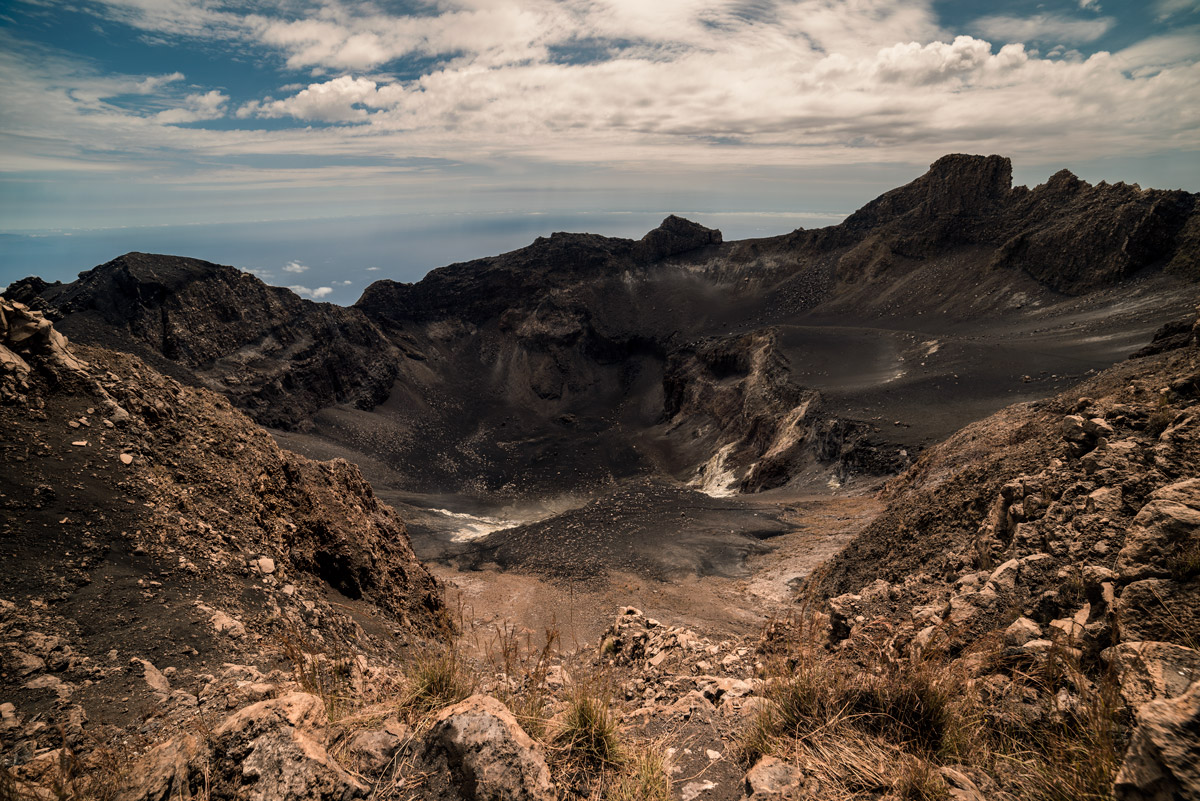
The volcanic crater, on the edge of which we stand, spews a foul sulfuric stench toward us. At any moment, we expect to see its maw tear open and glowing lava shoot upward. But everything remains calm. Only the wind tugs at our jackets and whistles over the black rock.
The walk back to the village in the caldera takes barely ten minutes. The southwestern slope of Pico is covered by a fine layer of powdery lava dust. We let ourselves fall and land softly on the scorched rock. Like an avalanche, we hurtle toward the valley, racing down the steep slope in giant leaps and feeling completely weightless for a few moments.
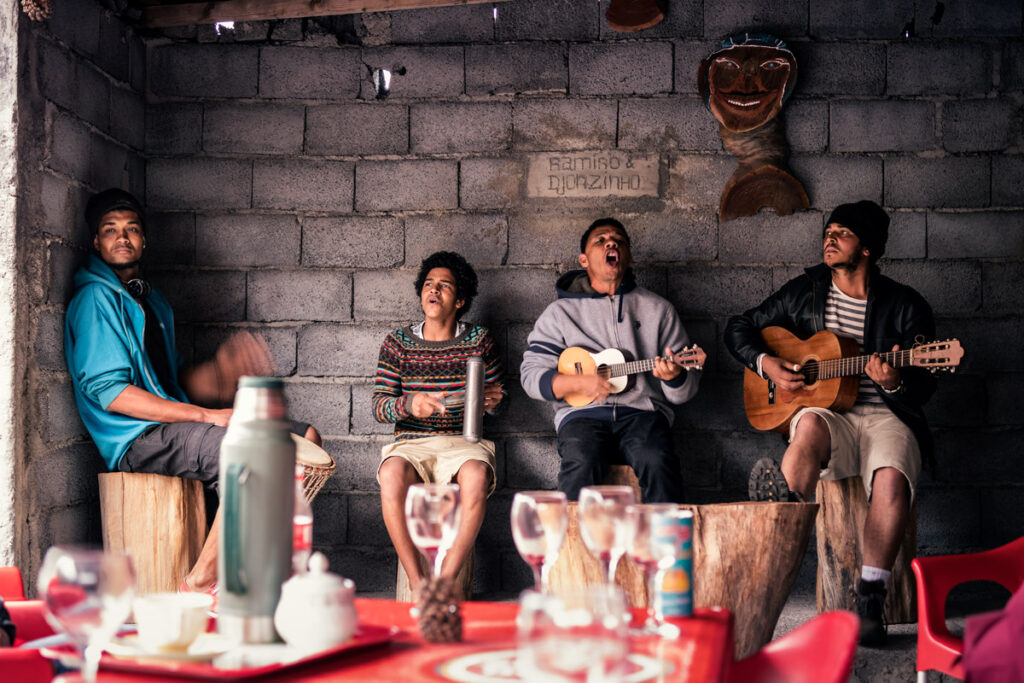
By the afternoon, my legs ache from the hike. The only bar in the caldera is an open hut made of concrete blocks. They serve Chã, the local red or white wine. The vines struggle to grow on the stony volcanic soil. Yet the winemakers brave the wind, the weather, and the harsh conditions to create something of their own up here.
The truth is: in terms of taste, the wine is hardly impressive. And yet, here and now, in this dry hut with a view of the majestic Pico do Fogo, there could be no better drink. This wine tastes of fire and stone, of salt, sea, and wind. It tastes of passion. It tastes of the attempt to bring life to a barren landscape that, at first glance, seems hostile to life. Above all, however, it tastes of the unyielding optimism and will to live of the people who inhabit the caldera.
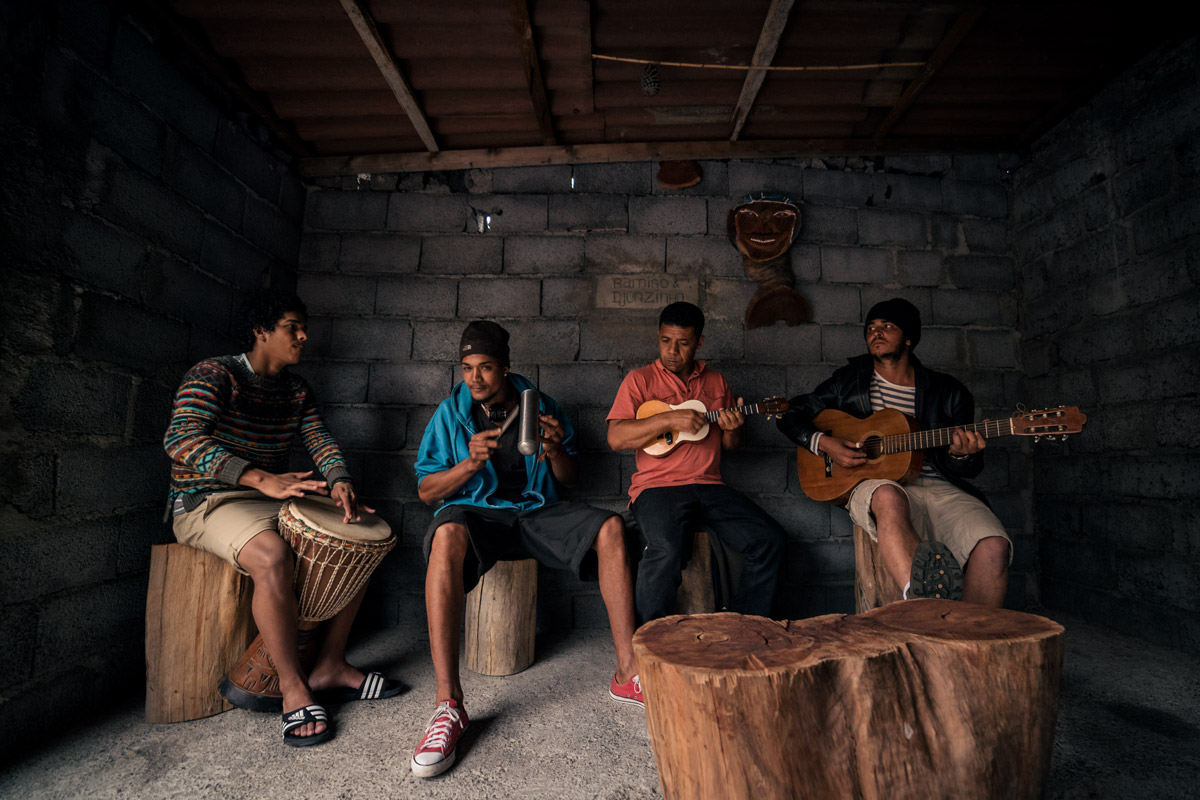
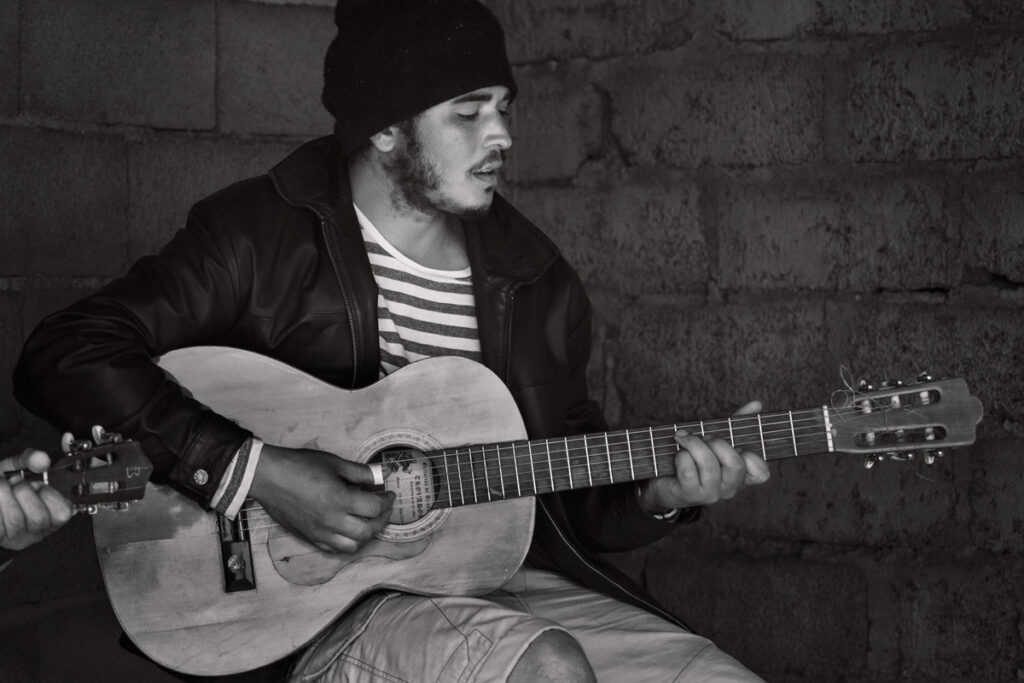
A group of musicians joins us, joking and laughing. They play Portuguese songs and melodies from their Creole ancestors. Their instruments are out of tune, their voices rough and full of life. Slowly, the world begins to blur a little. Outside, heavy rain clouds roll over the volcanic slopes, but in here, amid wine, music, and laughter, everything seems perfect.
We hitchhike down from the Caldera to the island’s capital, São Filipe. The police give us a ride – and later take us back as well.
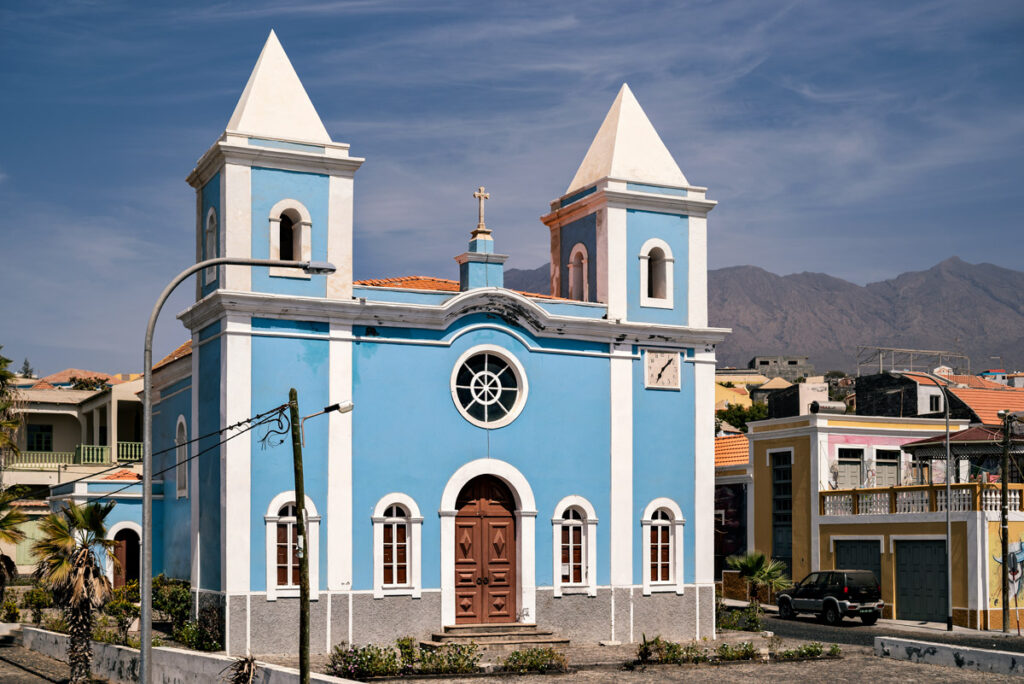
We meet the mayor of the city and talk with him about economic development and the difficult housing policy within the caldera. Afterward, we stroll through the wide streets of São Filipe. The houses look simple: some plastered and painted in bright colors, others half-finished shells – more like construction sites than homes. There is a church and a soccer field, a few simple hotels and restaurants, a small market hall, and scattered kiosks.
We encounter only a few people, practically no tourists at all. Most vacationers in Cape Verde are drawn to the beaches and hotel resorts of Sal or Boa Vista. Fogo, on the other hand, remains rugged, quiet, and unspoiled – and that is precisely why it is a true hidden gem.
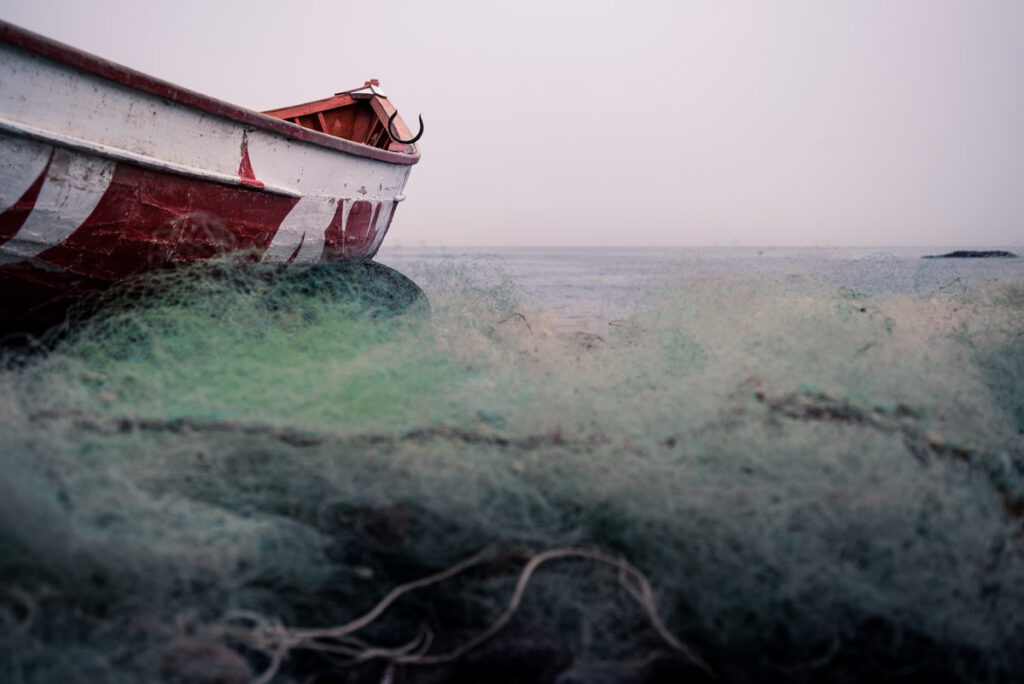
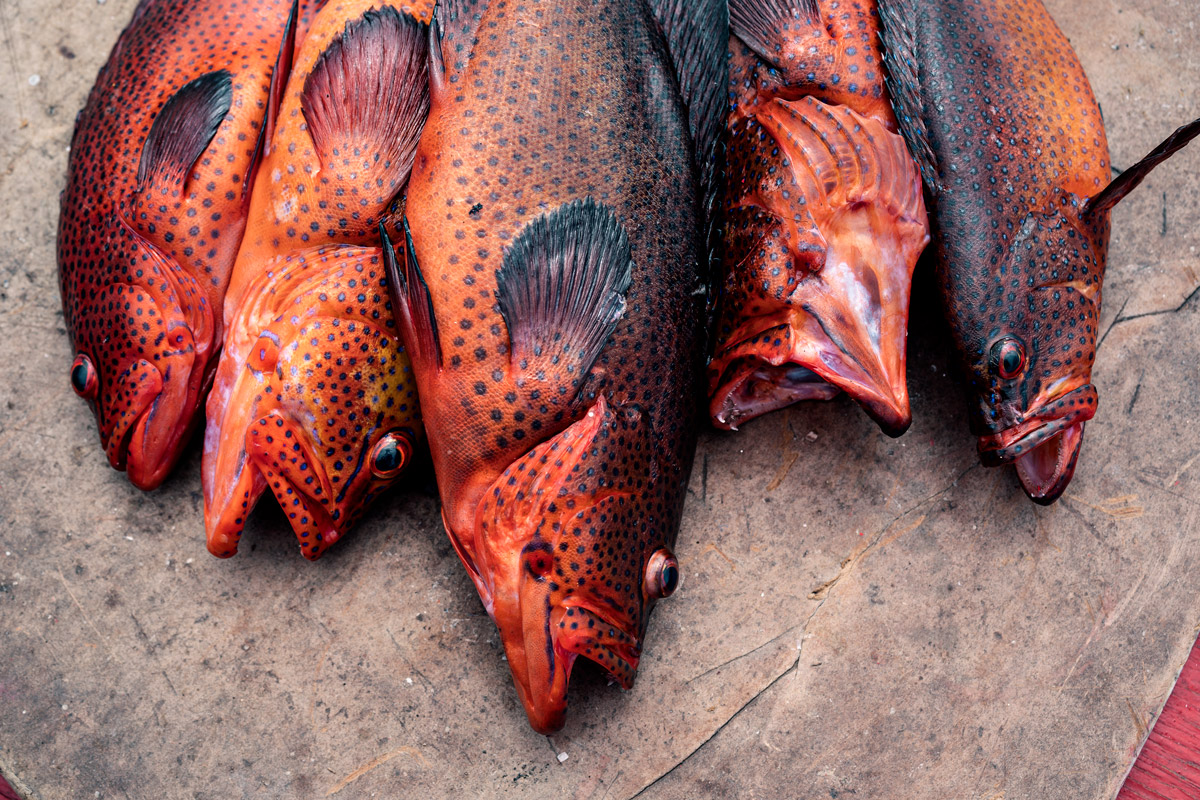
At Ponta da Salina, we come across a group of fishermen. They have just returned from their morning trip and have already pulled their boats ashore and unloaded them. The nets lie rolled up in the sand, and the day’s catch is neatly spread out. The men stand together, smoking and chatting quietly.
Everywhere on the island, life seems to move at a slower pace. There is hardly any hustle and bustle here; time feels less like a resource and more like a philosophy of life. Yesterday is like today, and tomorrow will be no different. Cut off from the rest of the world, on a rock in the middle of the vast Atlantic, many things suddenly shrink to an insignificant speck.
The sun is shining from a deep blue sky as we leave Fogo on the turboprop plane. Out here in the Atlantic, the weather changes by the hour. Just moments ago, heavy rain clouds hung over the volcanic slopes, but now, a short time later, rays of sunshine are already breaking through the gray.
After the quiet days in the caldera, Praia on Santiago seems almost like a metropolis to us. Suddenly, we see people and colors everywhere. Even here, in the middle of the city, nature seems exuberant and wild. In a simple roadside restaurant, we eat sea snails with spicy sauce and drink Cape Verdean beer. We toast our final evening. We raise our bottles to this simple meal, a gift from the ocean. We toast this beautiful country, scattered almost forgotten off the coast of Africa in the Atlantic.
There may be no other island quite like Fogo. Life in the volcanic crater is strikingly simple and defined by fire, ash, and rock. The people live off the sea and its bounty, from viticulture on volcanic soil, and from whatever they can wrest from the harsh natural environment. On other islands, such as Sal or Boa Vista, however, luxury resorts line endless dream beaches. There, the perfect image of a tropical vacation exists. Meanwhile, the government on Santiago is trying to attract other industries and economic sectors alongside tourism. Progress and prosperity come at a price. And so the question remains: how much longer can Cape Verde preserve the rugged authenticity that makes this country so special?
Info about our trip
Cape Verde is not an unknown travel destination, but it remains overshadowed by the Canary Islands and Madeira in terms of tourism. In fact, most visitors come for a classic beach vacation. The islands of Sal and Boa Vista are particularly popular, with their long sandy beaches and large hotel resorts.
As the largest island, Santiago offers the most diverse package: beautiful beaches, Creole culture, lush tropical greenery, and several interesting places to explore. Fogo, in particular, stands out completely from the rest. This rugged volcanic island has a striking and almost surreal appearance. There is hardly any other place where you can spend the night in the middle of an active volcano’s caldera. While Tenerife also has a similar volcanic landscape with Mount Teide, everything there is significantly larger – and, above all, more touristy. On Fogo, however, you’ll often go for hours without encountering many other travelers.
You can reach Cape Verde by plane with a layover in Lisbon. The distances between the islands are short, and the tourist infrastructure varies – some islands are better developed than others. You don’t need a traditional visa, but you must register online before entering the country.
When comparing Cape Verde to other Atlantic islands such as the Canary Islands, the Azores, or Madeira, Cape Verde generally seems more affordable overall. However, the other destinations are part of Europe (specifically Spain and Portugal) and therefore often offer a higher standard of infrastructure, medical care, and tourist amenities.
Traveling to Cape Verde can be slightly more expensive than traveling to the other island groups. Once there, however, you can definitely save money on accommodations and dining out, especially if you eat local food and avoid imported products.
You should also keep in mind the additional costs for domestic flights or ferries between the islands. Depending on the route and season, you should budget roughly 50 to 200 euros per person for a round-trip flight.
As you might expect, Cape Verdean cuisine is heavily influenced by the Atlantic Ocean. Fish and seafood are on the menu almost everywhere, often freshly caught and surprisingly affordable. These are served with rice, beans, sweet potatoes, pumpkin or manioc. The national dish is cachupa, a hearty stew made with corn, beans, vegetables, and fish or meat, prepared differently depending on the island and the family.
Culinary-wise, Cape Verdean cuisine blends Portuguese influences with African traditions. However, don’t expect high-end gourmet dining. Instead, the food thrives on simple recipes and relaxed moments in small restaurants or beach bars.
Another specialty is the wine from Fogo. On the fertile volcanic soils of the caldera, grapevines grow under challenging conditions, yielding the local Chã wine. Its flavor is certainly unique and not comparable to top European wines, but that is precisely what makes it interesting. Be sure to enjoy it right on Fogo, with a view of the volcano!
On Santiago, we stayed in Praia at a simple hostel that probably no longer exists today. On Fogo, however, Casa Marisa, located right in the middle of the caldera, is highly recommended. The accommodation was completely destroyed during the 2014 volcanic eruption, but was rebuilt shortly afterward as “Casa Marisa 2.0.”
Apart from the heavily touristed islands of Boa Vista and Sal, you should be able to find simple but good accommodations for around 30 to 50 euros per night. Luxury plays a minor role on many islands anyway – instead, you’ll often stay in a homey atmosphere and in extraordinary locations surrounded by nature.
Cape Verde is generally considered a relatively safe travel destination – especially compared to many other countries in West Africa. The country is politically stable, the people are usually friendly and welcoming toward tourists, and serious incidents are rare.
Nevertheless, you should take the usual precautions, particularly in larger towns like Praia. Pickpocketing and petty crime do occur, especially at night or in less crowded areas. You should therefore avoid displaying valuables openly and steer clear of deserted streets after dark.
Outside the cities, the greater risks usually lie in nature itself: strong Atlantic currents, sudden changes in weather, extreme heat, or challenging hikes – such as on Fogo – should not be underestimated.
In general, there’s nothing standing in the way of a vacation in Cape Verde with children. You’ll find a pleasant mix of beach days, a bit of culture, nature, and short hikes. There’s actually something exciting for nearly every age group. The relaxed atmosphere and laid-back lifestyle on many of the islands can make traveling with children a very pleasant experience.
However, it’s important to remember that Cape Verde is an archipelago in the middle of the Atlantic. Medical care in many places does not meet European standards, and in an emergency, costly medical repatriation may be necessary. Good international health insurance is therefore a must.
Additionally, infrastructure and the availability of everyday necessities (especially baby and children’s products) do not meet the standards of mainland Europe. It is therefore best to bring everything you need with you and be prepared to react flexibly and calmly to minor shortages.
As mentioned earlier, travel to Cape Verde is almost always by plane. There are international airports on Santiago, Sal, Boa Vista, and São Vicente, among other locations. From Germany, most flights connect through Lisbon. TAP Air Portugal is the most common carrier, though direct or charter flights are also available depending on the season.
You can then travel between the islands by domestic flight or ferry. Flights are the much more comfortable and reliable option, especially for longer distances, but should be booked as early as possible. While ferries are also available, they are not always considered particularly reliable or weather-independent.
On the islands themselves, the easiest way to get from A to B is by taxi, shared taxi, or occasionally a rental car. Especially outside the tourist centers, however, you shouldn’t expect a perfectly developed infrastructure – many things here operate in a more relaxed, improvised, and slower manner than in Europe. Insider tip: Hitchhiking also works wonderfully on the islands!