Vast pastures stretch as far as the eye can see. Water buffaloes graze in the rice fields. Numerous booths line the main roads. Old women sell pickled tamarind and pineapple in the sparse shade. Buriram is an agricultural province on the edge of the hot Khorat Plateau. Many white immigrants have settled in the quiet, tranquil villages. They seek a peaceful retirement in the arms of their often younger Thai wives. The province has gained international fame through soccer and motorsports and continues to attract enthusiastic fans to the Chang Arena and the Chang International Circuit.
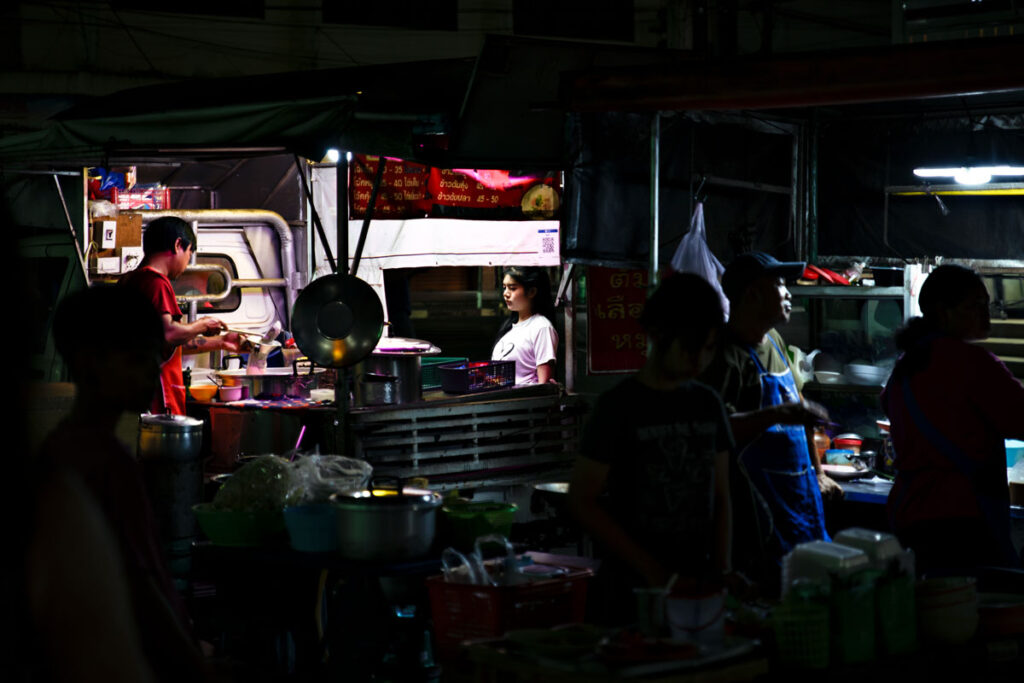
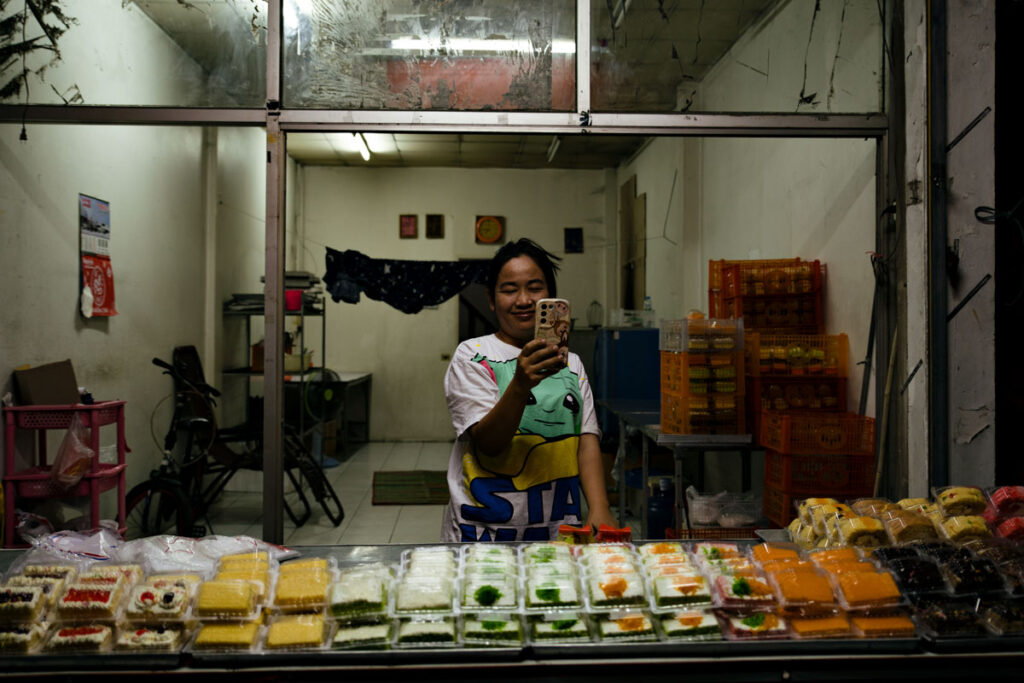
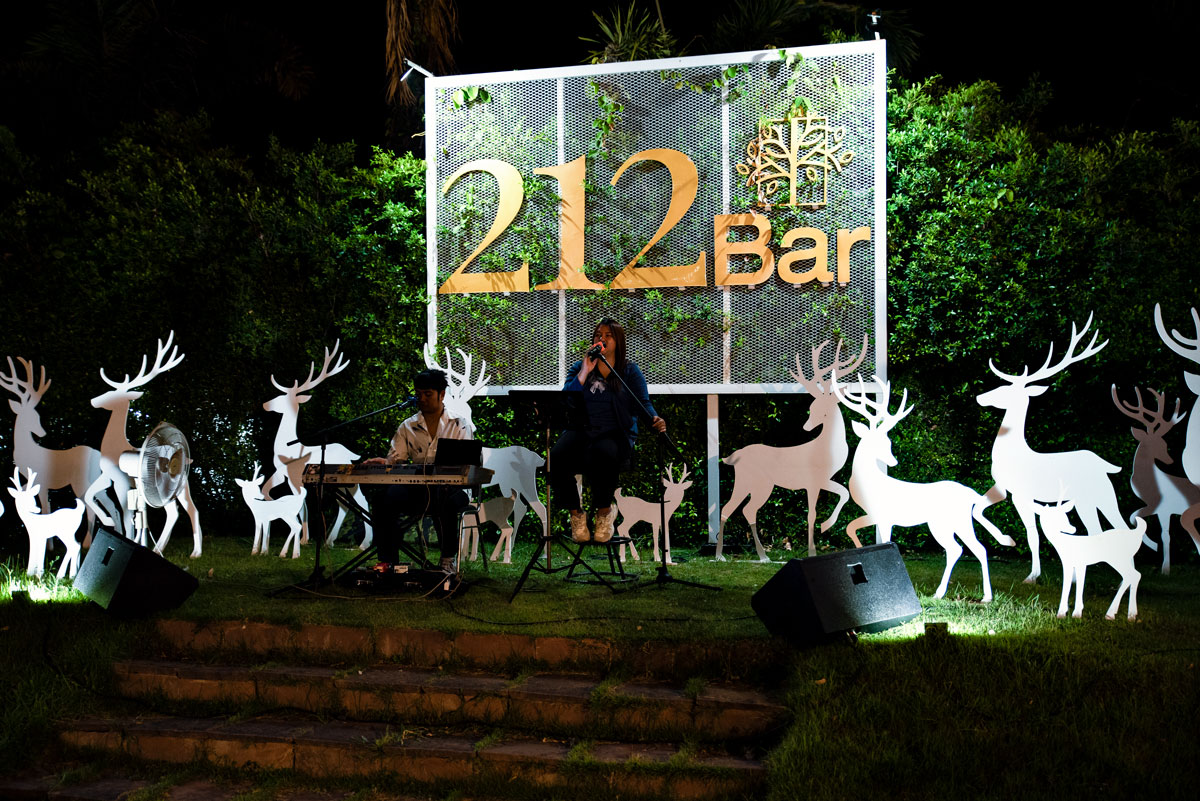
Coming from the south, the road first takes us to the town of Nang Rong. A typical Thai town that tourists rarely visit. Lots of traffic, lots of noise about nothing. We quickly leave the city. A few 7-Elevens, a few fruit stands. In the evening, we find ourselves at the small night market, where we have soup and fried rice. We had barely finished eating when the first stalls began to close. The Thai people are a sleepy bunch—where there are no tourists, there are no parties or bar districts. In the side streets, we stroll past basket makers’ shops and bakeries. At the end of the day, we listen to a live band in the hotel bar, bathed in artificial fog.
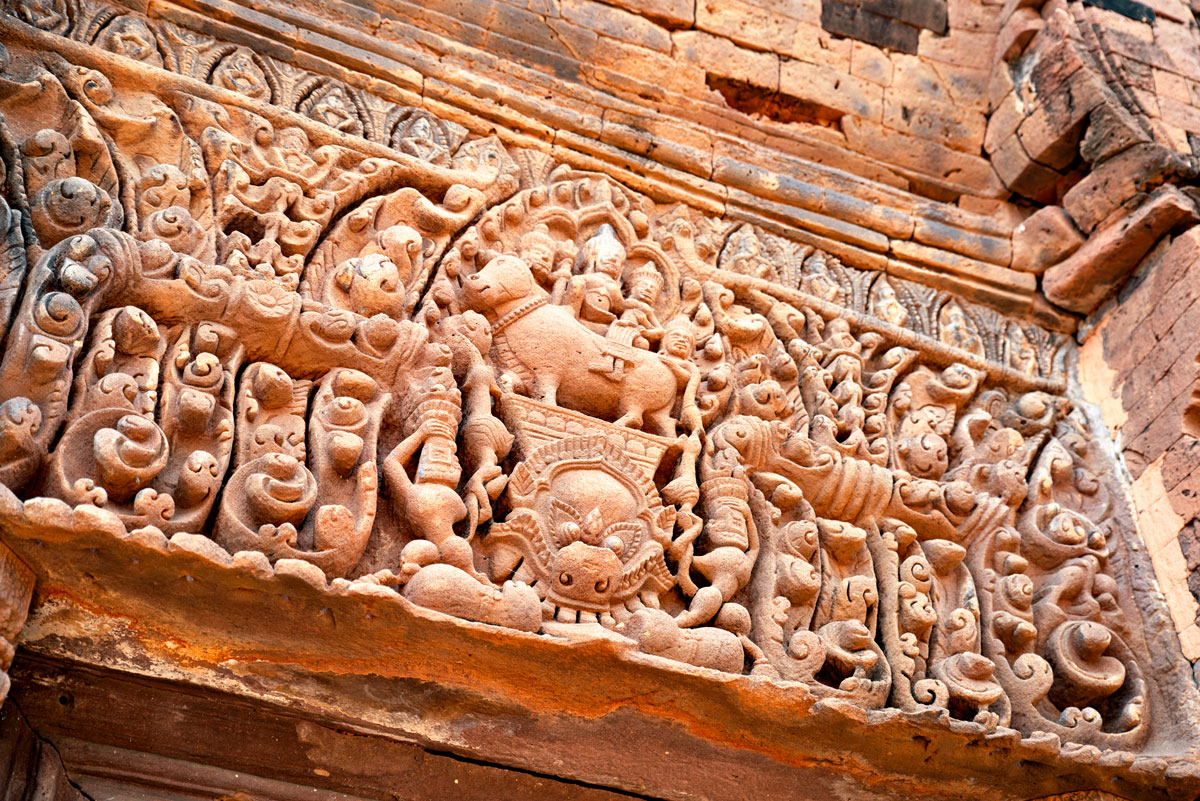
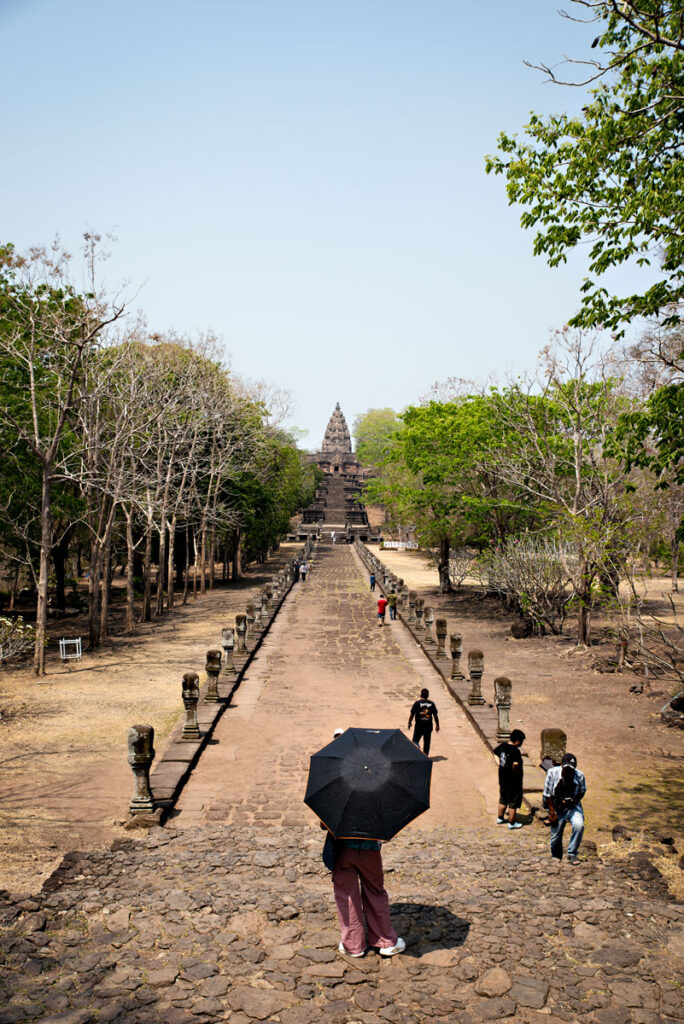
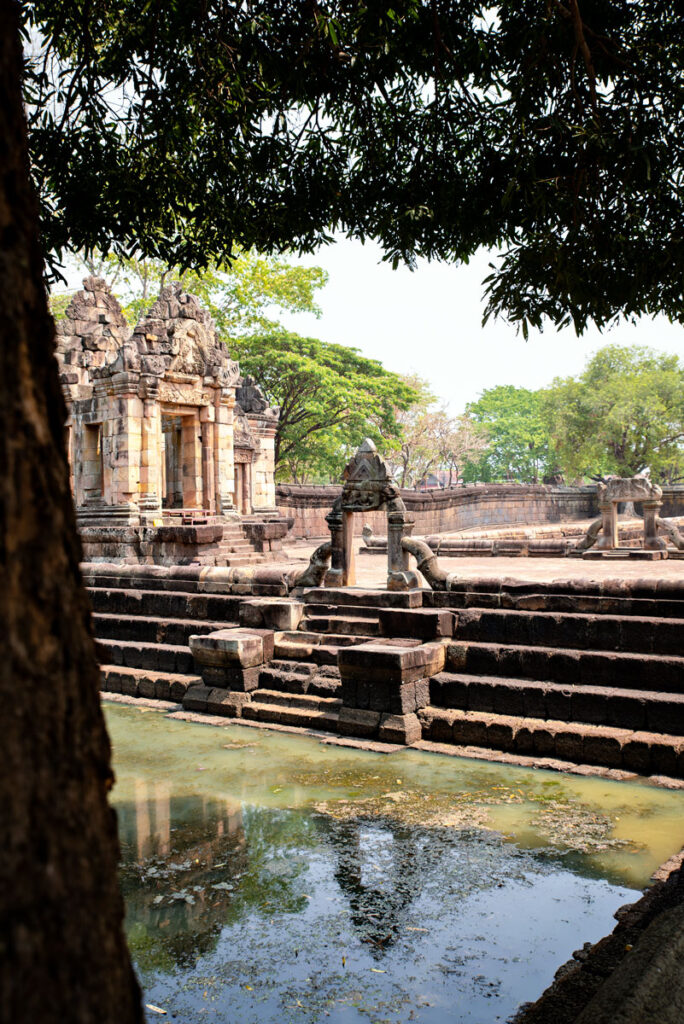
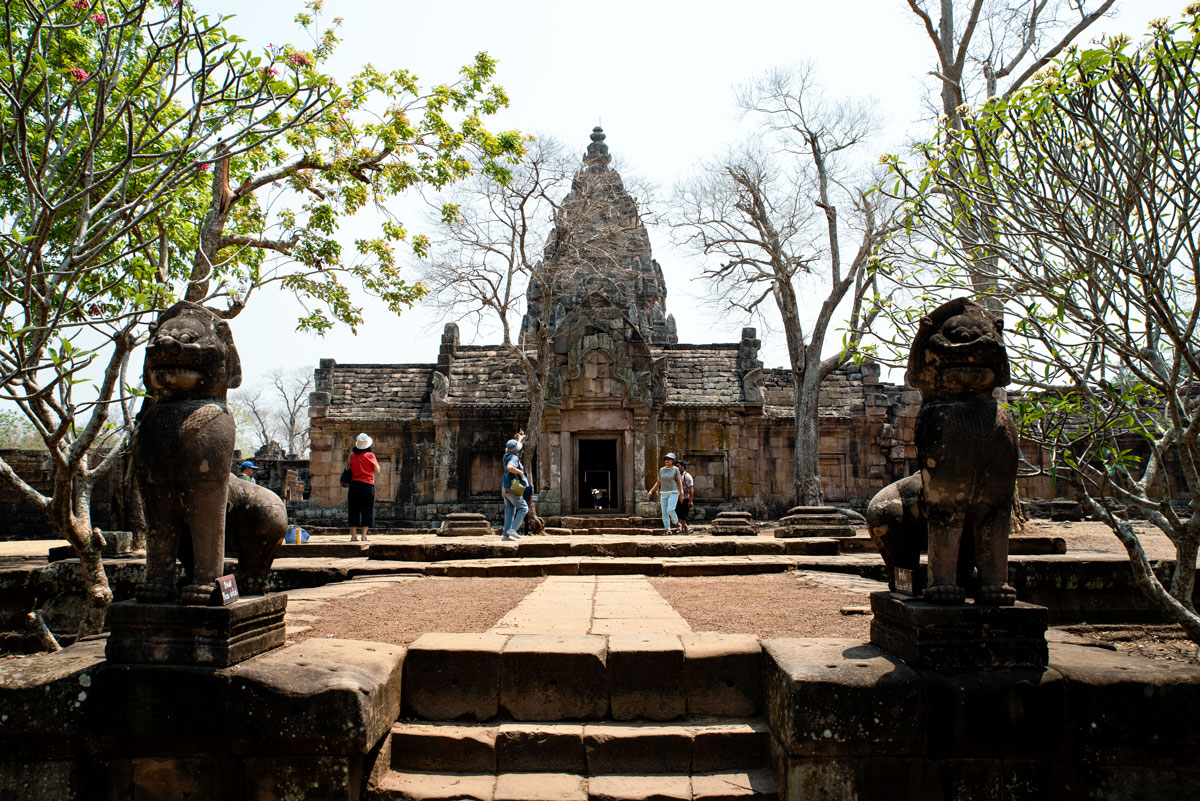
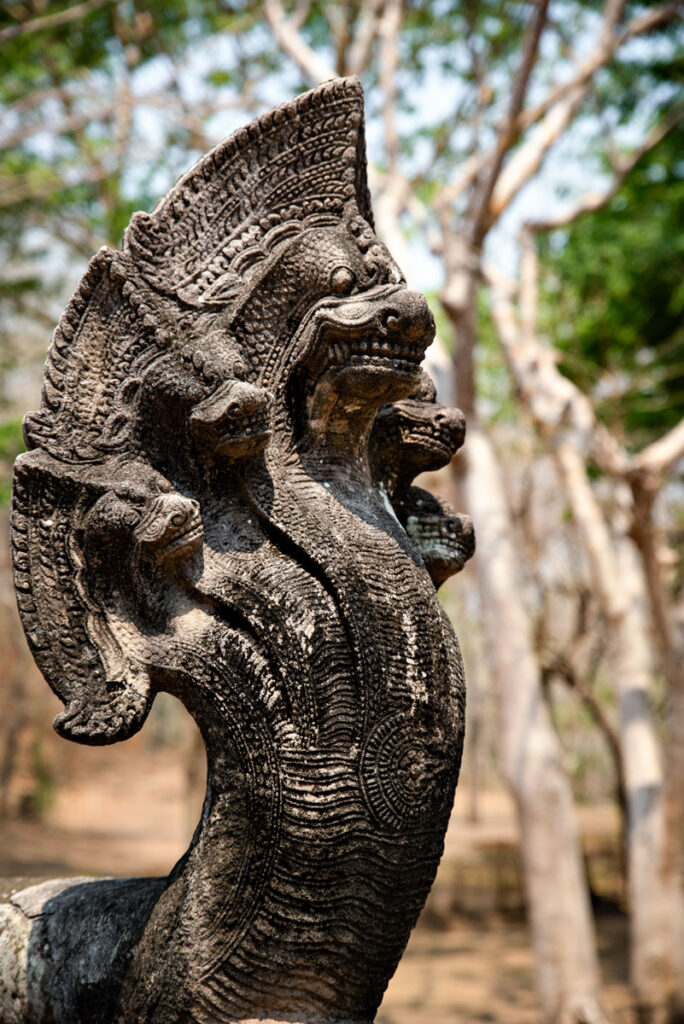
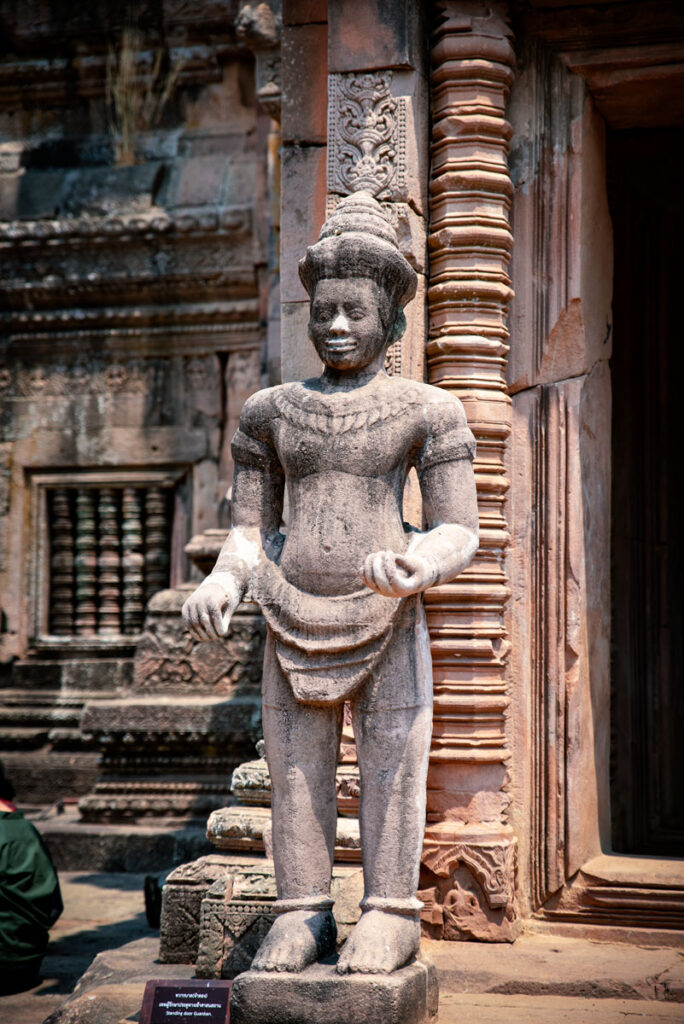
Buriram has more to offer than just soccer and fast sports motorcycles; it also boasts centuries of sophisticated culture. Important trade routes connected Angkor Wat in present-day Cambodia with the Phanom Rung temple complex, one of the most significant structures of the Khmer Empire, which is now located in Thailand. Built on an extinct volcano, it is a symbol of the sacred Mount Kailash, which Shiva, the god of destruction, is said to have inhabited.
The sun beats down on us as we climb the high steps to the temple ruins. Thai tourists shuffle along, hidden under their parasols, in the shade of the sparse trees. Once at the top, the land stretches out before us, vast and idyllic. We close our eyes and imagine the magical ceremonies that were once held here a thousand years ago. Torches and candles illuminating the temple at dusk. Singing and dancers wrapped in robes. Murmured prayers, perhaps a blood sacrifice. Screams in the night.
The highway passes the soccer stadium and motor racing circuit of the tranquil provincial capital of Buriram. The beer label Chang spent a lot of money to acquire the naming rights to the circuit. An old ruin sits enthroned on a hill outside the city, and a large monument to Thailand’s first king welcomes all visitors at the entrance to the city. An abandoned hotel, a lost place, stands on the banks of the moat. It could have been Buriram’s first 5-star hotel, but had to close a few weeks after opening: the financial crisis and structural defects brought about an abrupt end.
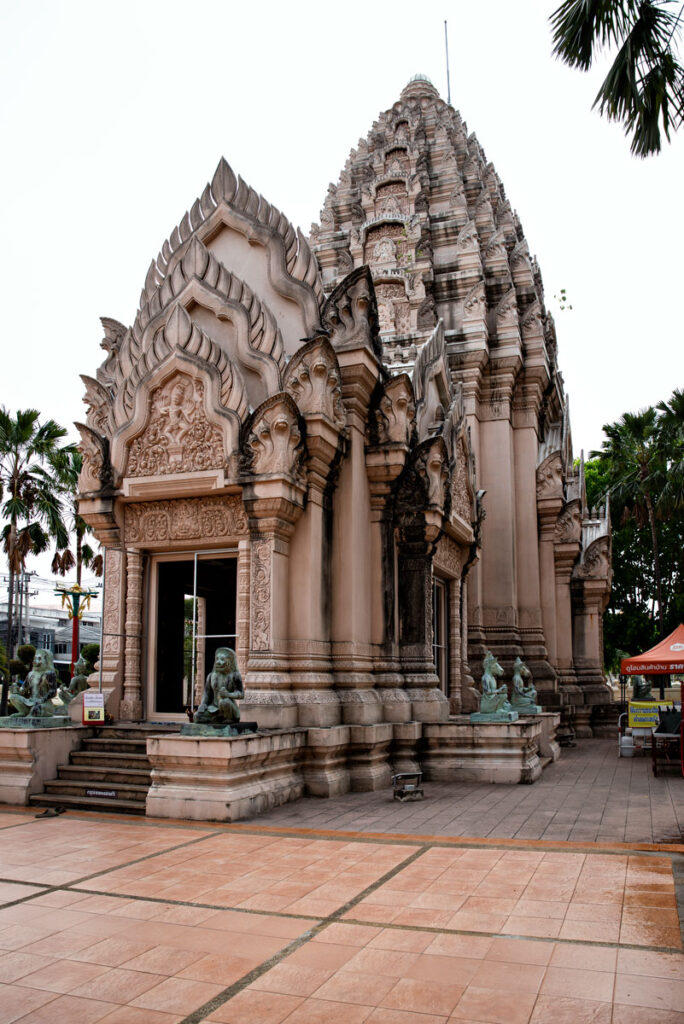
The Buriram City Pillar Shrine is the spiritual and historical heart of the city. Rebuilt in Khmer style, it is a reminder of the cultural heritage of this region and the long-gone rule of the Khmer.
Buriram is half a day’s journey from Bangkok. This tranquil province is certainly not on most backpackers’ itineraries, as it has too little to offer. Buriram is more of a retreat for those who have decided to live in Thailand but are tired of the parties and bars of the big cities. In the small villages and towns, you can see the expatriate farangs riding their motor scooters and strolling through the markets. They sit in restaurants or cafés together with their Thai families. If you want to experience a cozy, rural Thailand, Isaan is the place to be.