Sweden

Since the camper and van scene exploded with Corona, people have been looking for easily accessible destinations for their four-wheeled homes. Now hardly a summer goes by without us hearing from all sides: We’re going to Sweden. Or at least to Scandinavia. While we have always been drawn to tropical or at least warm regions, in times of climate change more and more people are fleeing to the milder north for the summer. It fits in with the hygge concept that IKEA wants to sell us: our own four walls as a safe and warm retreat in this cold, crisis-ridden world. The travelers’ camper vehicles look exactly the same: light wood, macramé, and fairy lights. And a vacation in Sweden seems to follow this philosophy: a simple travel destination without language barriers, with card payment and exemplary infrastructure and supply facilities. Safe and tamed, yet full of nature, so that it at least looks like an adventure on Instagram.
So much for our preconceptions. We take the plunge and drive to Sweden in the high season. We largely avoid the southwest coast. We want to know whether Sweden works in summer even without the tourist crowds.

Femöre Naturreservat

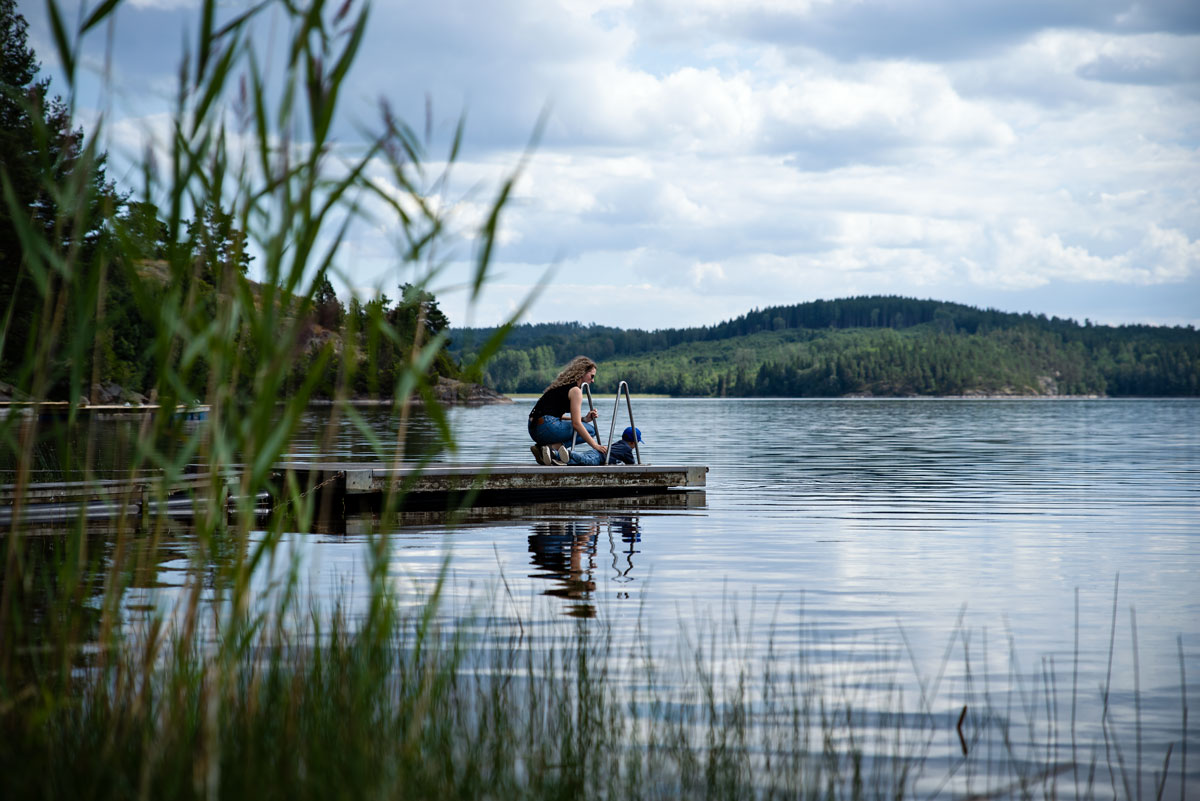
On a cold July night, we take the ferry from Fehmarn to Rødbyhavn in Denmark. On the Danish side, we spend the rest of the night in a hikers’ parking lot near the highway. The next morning, the sun wakes us up and the day reveals how beautiful our parking spot is. There is a lake with a beautiful nature trail right next door. There are a raft and picnic benches among man-high grasses.

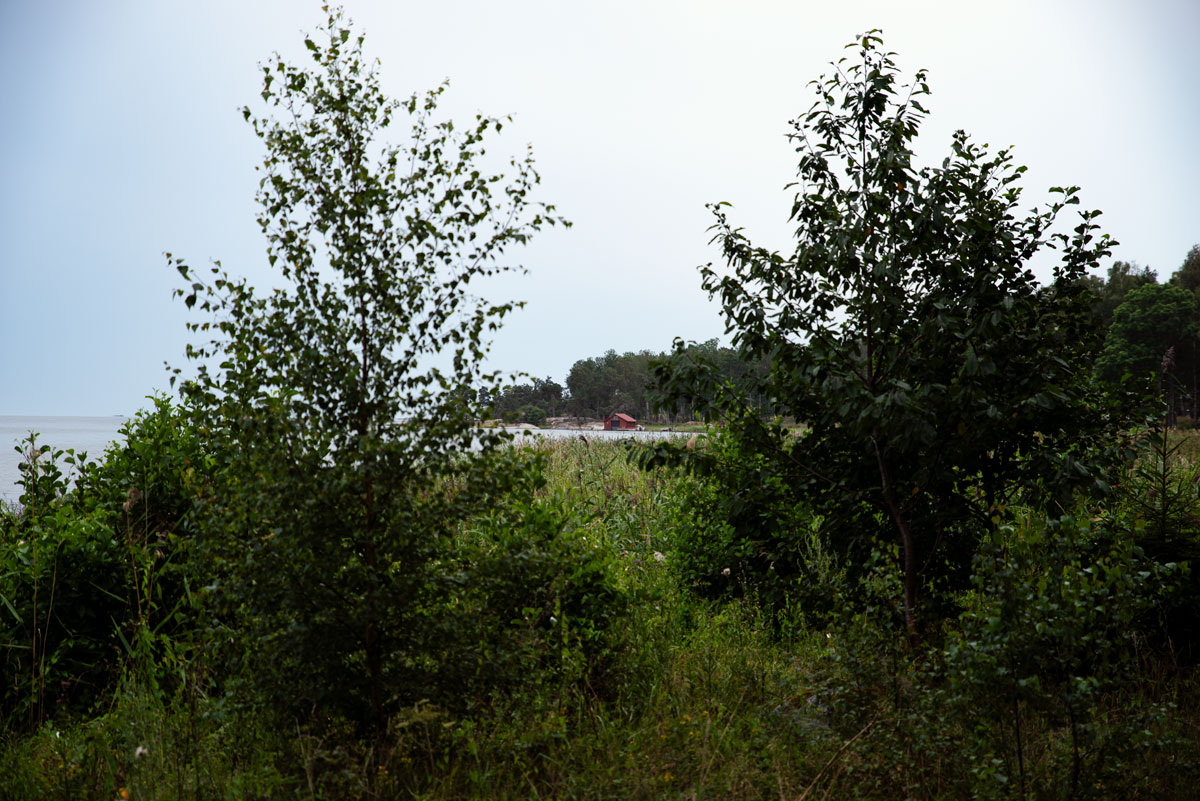
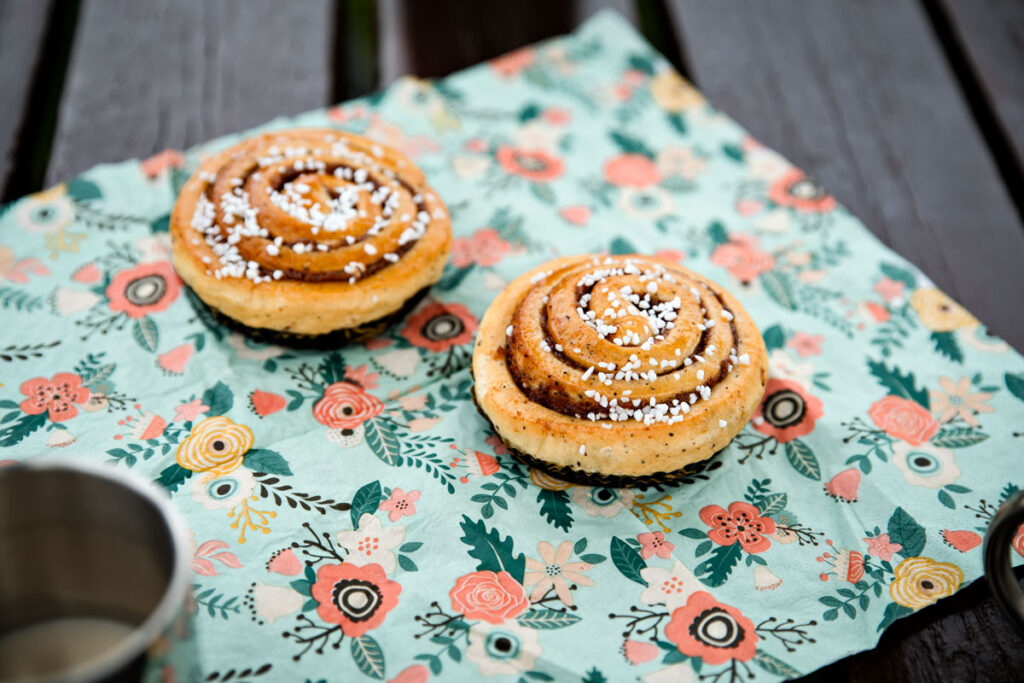
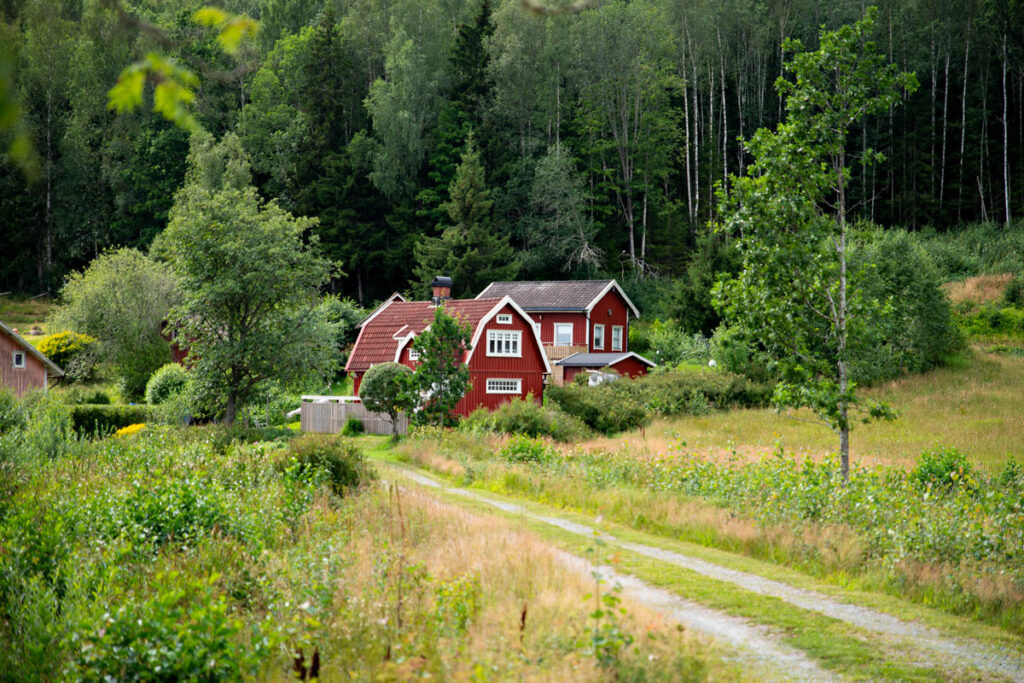
Back on the highway, past Copenhagen and over the Öresund Bridge, we arrive: Welcome to Sweden. Shortly after Malmö, we stop at a country bakery for a typical Swedish breakfast of cinnamon buns and coffee. Then we follow the highway inland towards Lake Vättern, eager to get away from the supposedly touristy south. Our first impression: wide open landscapes, lots of forest on the horizon, and scattered among them the typical red Swedish houses.

In the late afternoon, we drive into the woods with sweaty palms. Searching for a parking spot in high season: all available spots are occupied: only vans with German license plates are parked in every turning circle, every dead end, and every passing lane along the roadside. Wherever there is a lake nearby, there seem to be crowds of campers. Eventually, we find an idyllic clearing in a dead end. Not by the lake, but at least with a view of it. Lesson one from our vacation in Sweden: allow plenty of time to find a camp spot. The Germans are everywhere.

Swedish Fika with Cinnamon Rolls
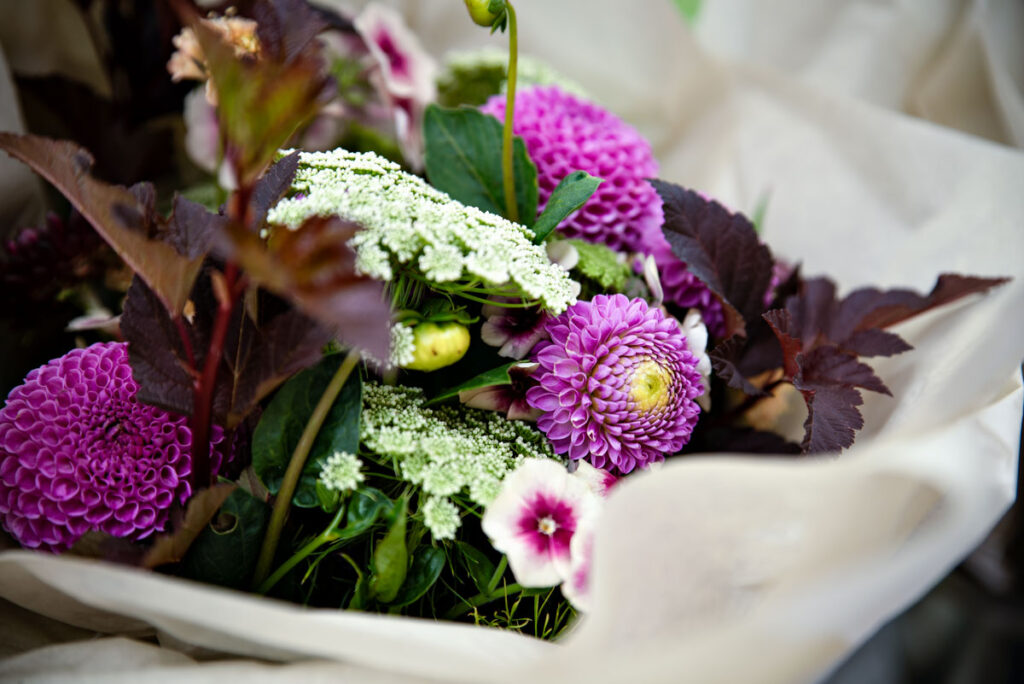
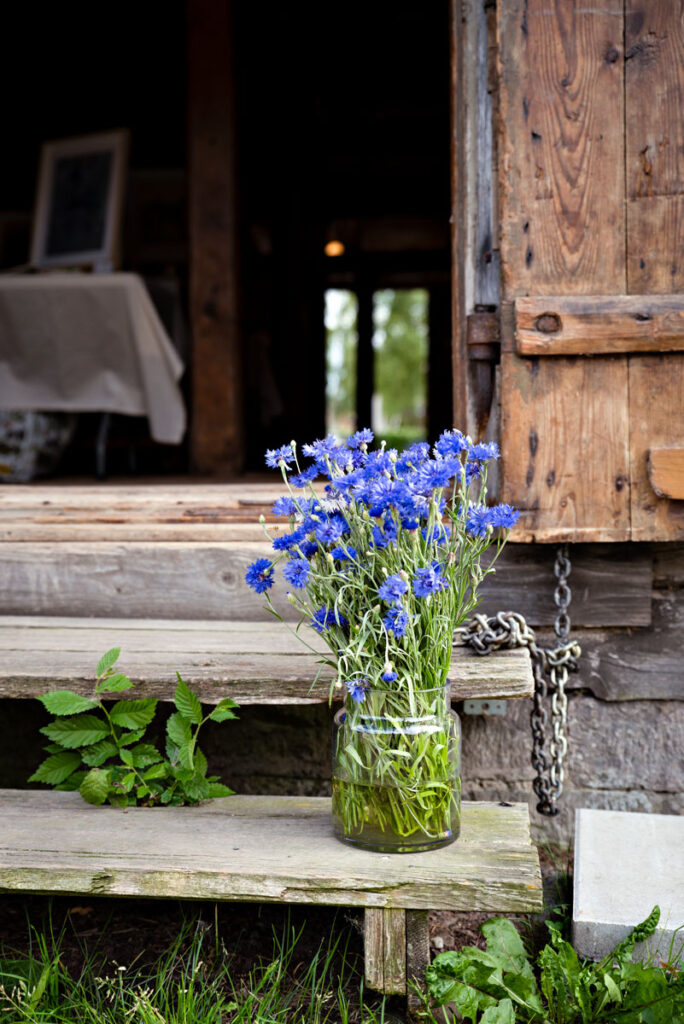
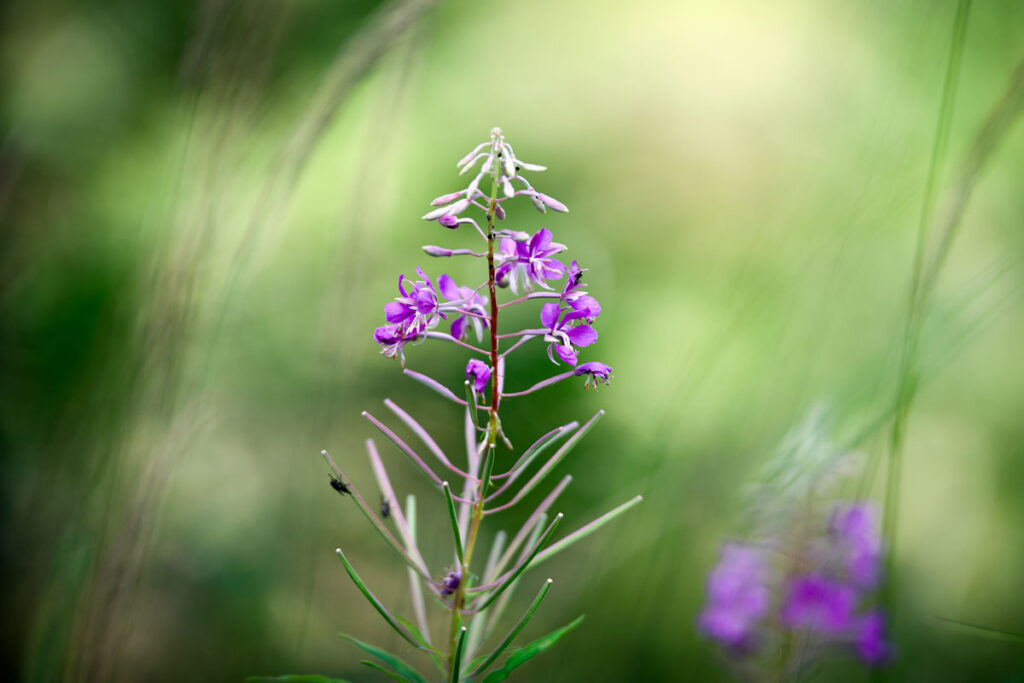
Flower Bouquet
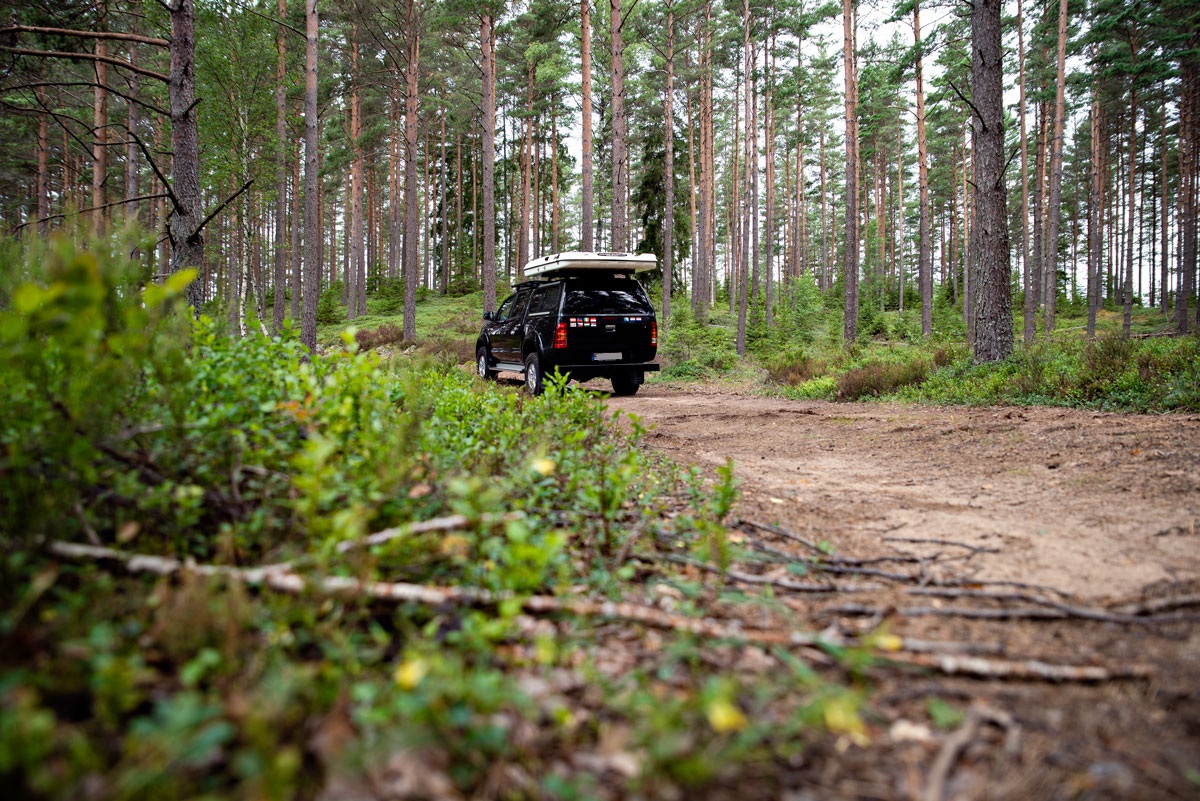
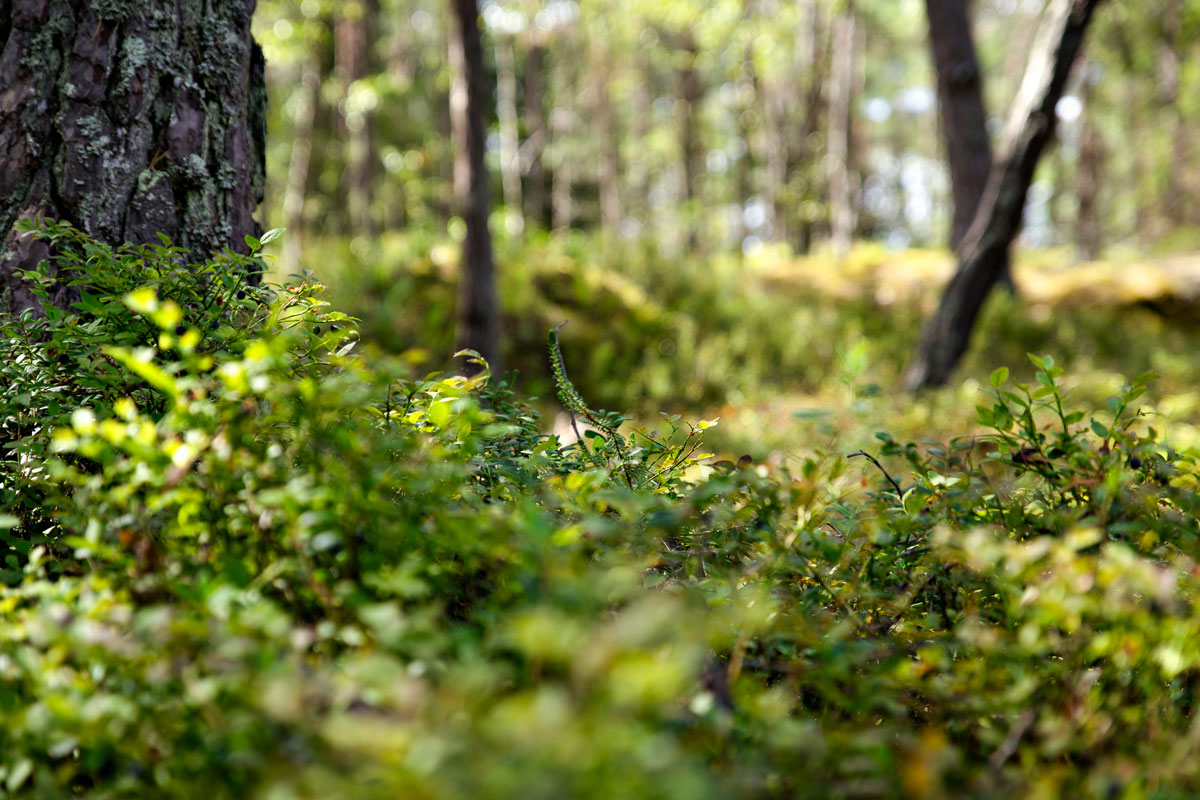
Through the Swedish Woods

The next morning, we are awakened by the sound of rain. This is camping in Sweden in July: breakfast in thick jackets under the rain cover. We pack up and set off, still a long way north. Lunch in Jönköping – we have reached Lake Vättern. The vacation begins now.

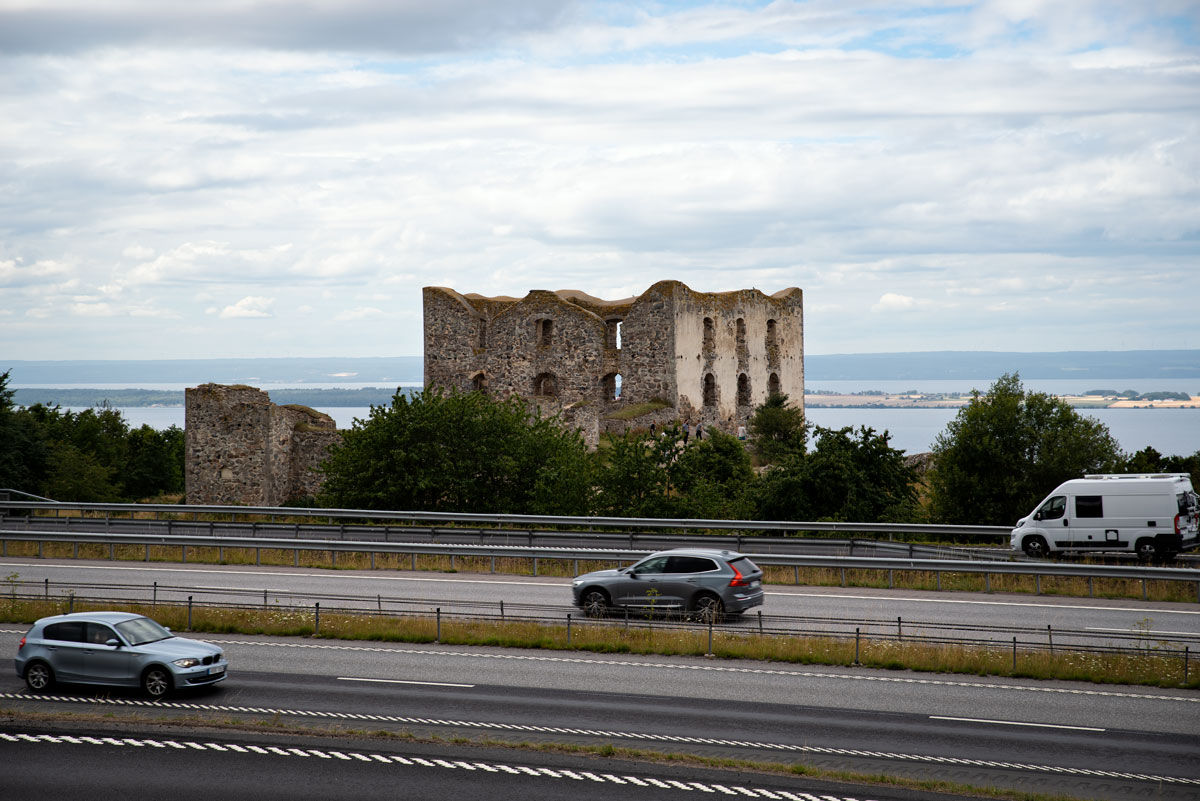
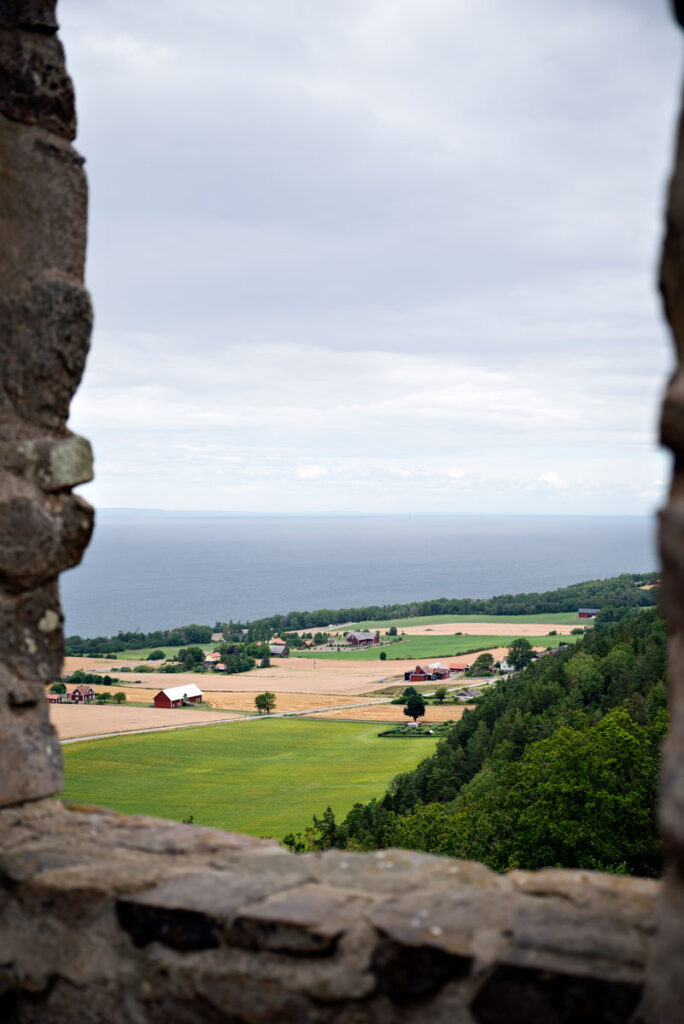
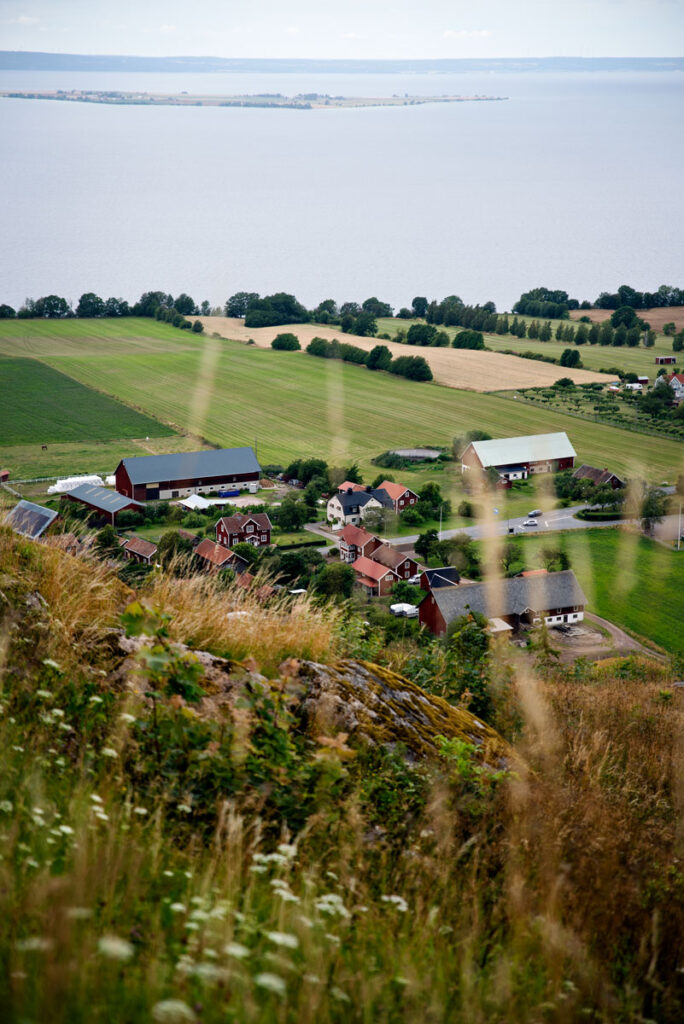
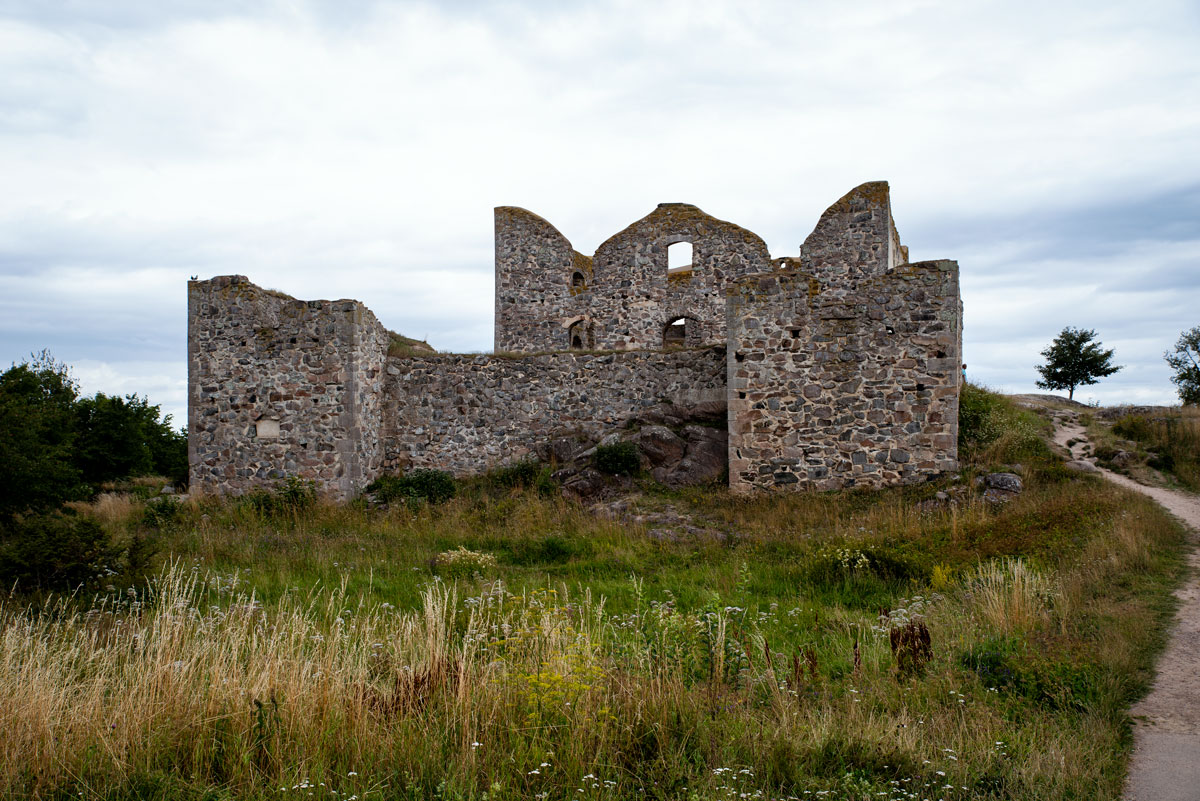
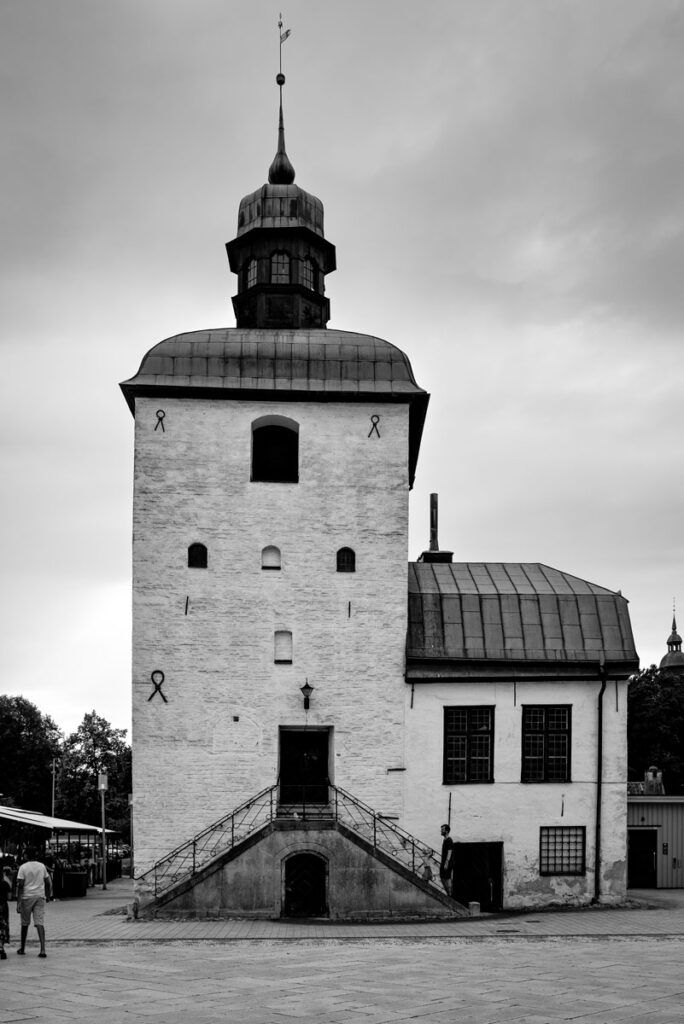
Soon after, we stop at the Brahehus, an old stone castle. On the west side, we enjoy the view over farming villages and the cloud-covered Lake Vättern. On the other side, cars rush by on a highway. The wind blows around our ears, but at least the rain has stopped.

Brahehus at Lake Vättern
Village at Lake Vättern
Brahehus at Lake Vättern

An American classic car in front of the castle. Electronic music fills the air. Children play in the sand. A line forms in front of the ice cream vendor. Passersby stroll through the park on the shore of Lake Vättern. Scenes from Vadstena, a cozy town on the country’s second-largest lake. In the summer months, Swedes are drawn out of their homes. The pedestrian zones are busy, the forests full of hikers, canoeists, and mountain bikers. Tourists and locals differ in only one respect: while tourists – mostly Germans – wear long functional clothing in temperatures below 20 degrees Celsius, clouds, and wind, Swedes enjoy their summer in light T-shirts and shorts.

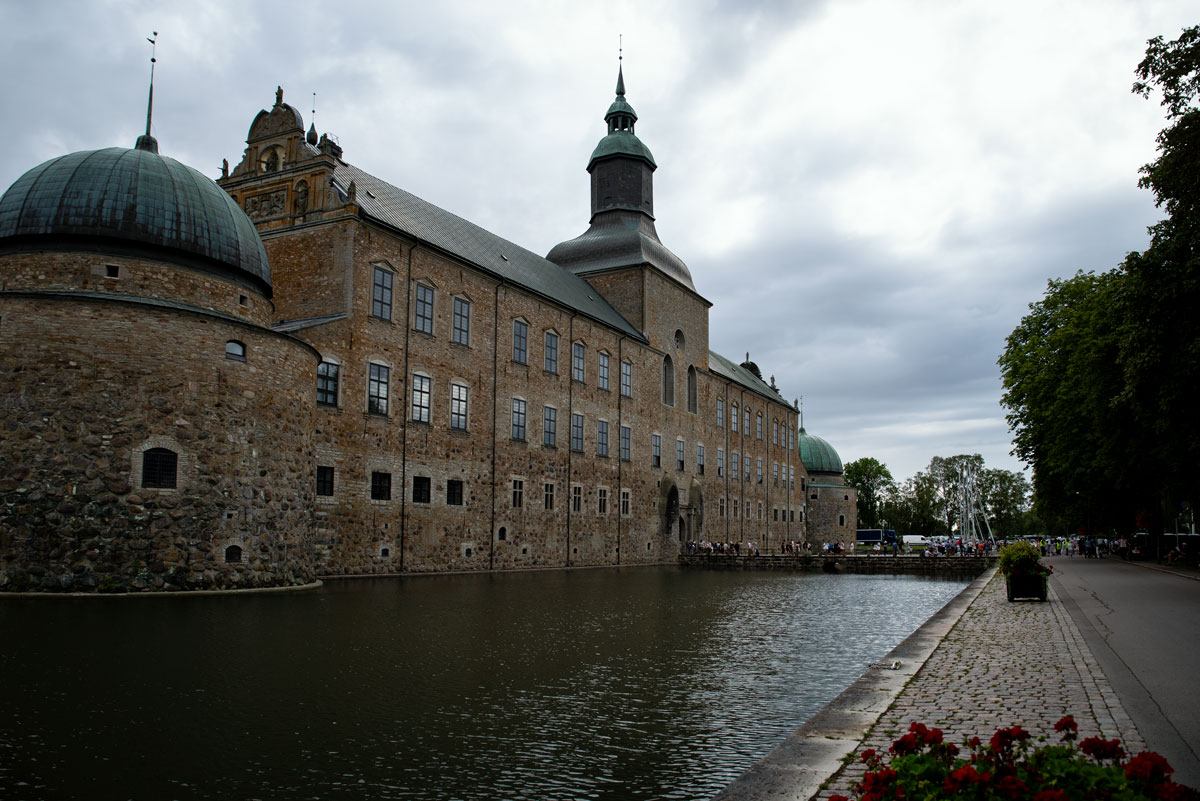
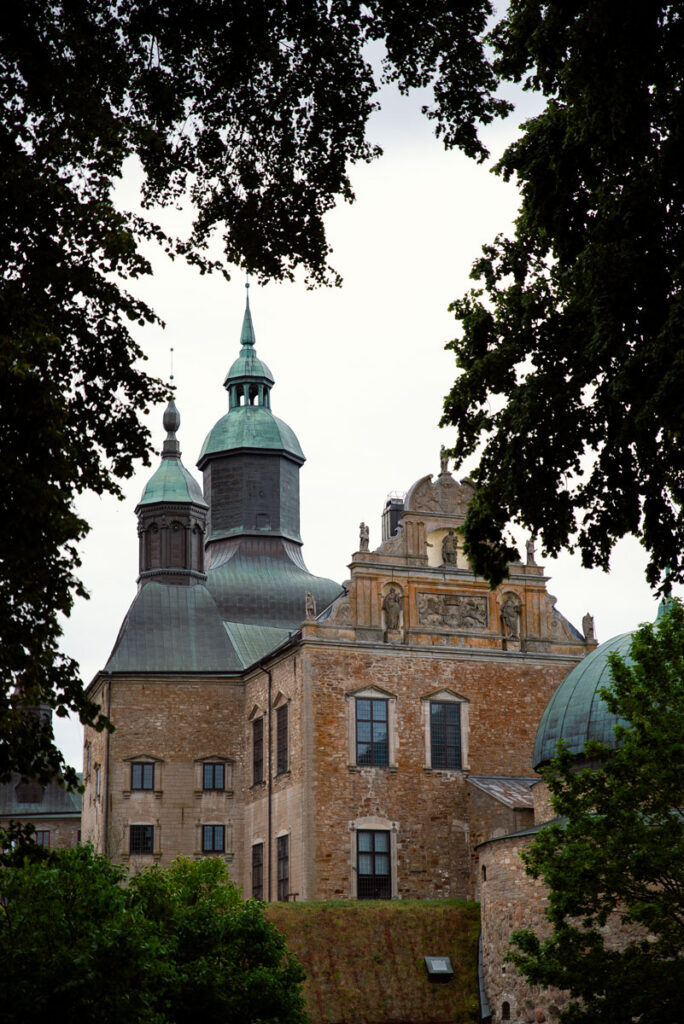
Vadstena is dominated by its well-preserved castle right on the lake. It is a fortress with thick walls and a moat that is difficult to cross. The castle is considered one of the most beautiful and best-preserved Renaissance castles of its time in the whole country.

Vadstena
Vadstena
Vadstena
Vadstena
Vadstena

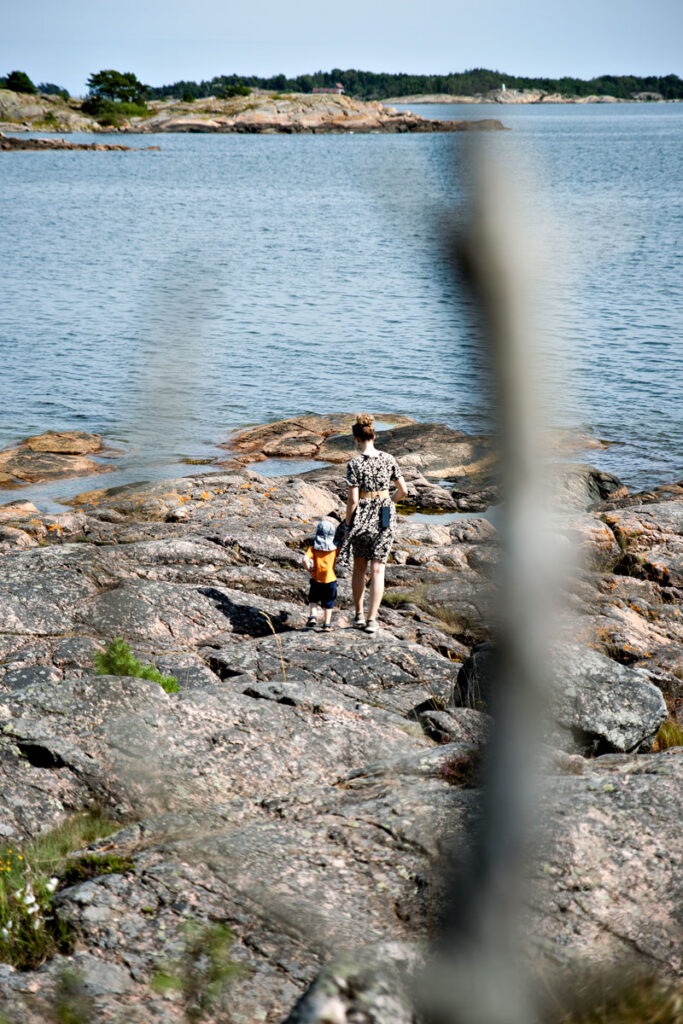
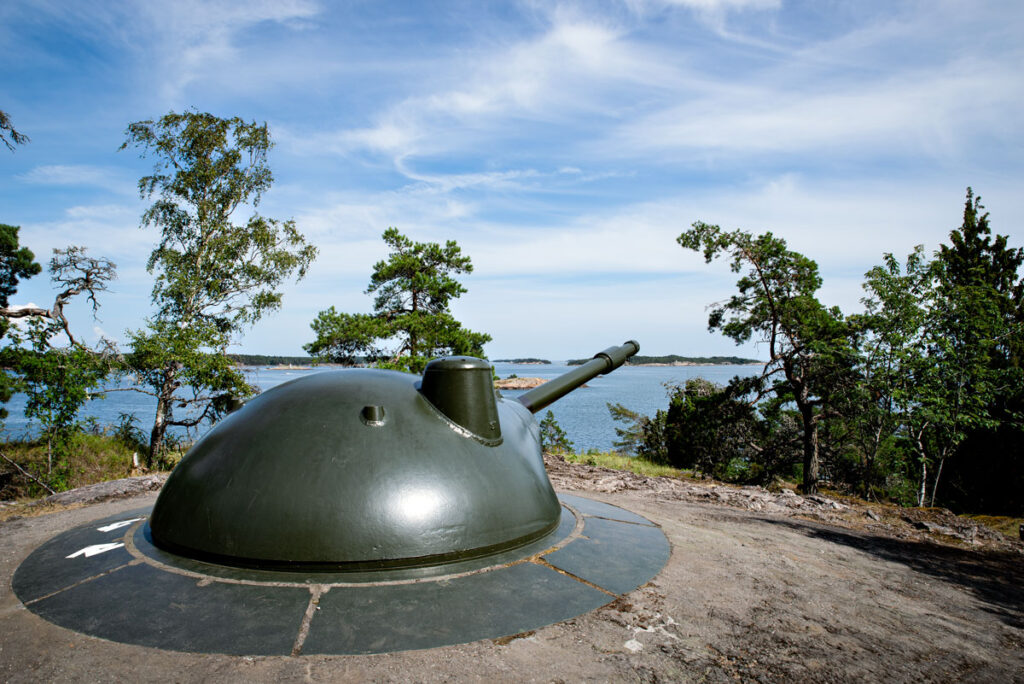
Via Linköping, the journey continues to the Femöre Nature Reserve on the rocky Baltic Sea coast. What is now a popular holiday and excursion destination was a hot border during the Cold War: numerous guns and military relics in the nature reserve still bear witness to this today. Some of the guns are merely plywood dummies, easy targets for supposed Russian attackers. The real guns, on the other hand, were well hidden.

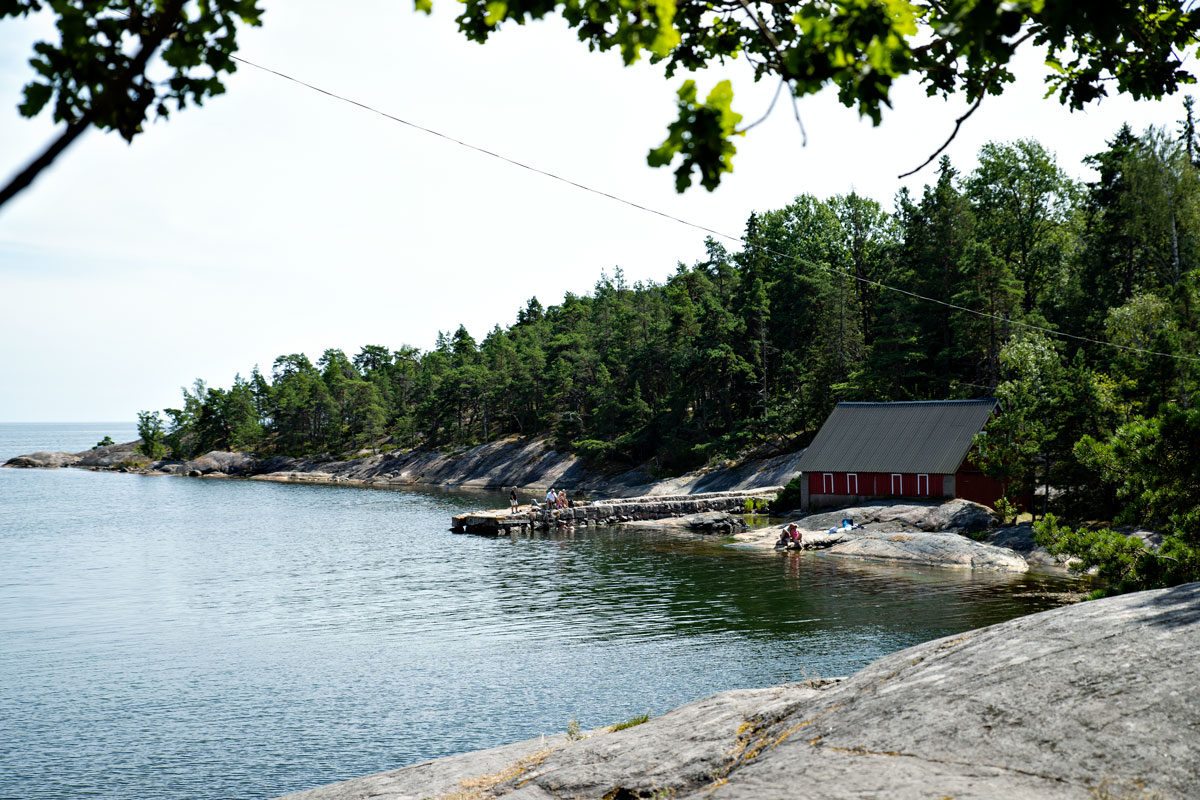
The nature park is a small idyll: scattered throughout the forests and along the coast are vacation homes painted in striking Swedish red. A fortress sits enthroned on a hill overlooking the sea. The air is fresh, the water clean. In general, nature in Sweden shows itself from its best side – at least in places where there aren’t permanent campers throughout the summer.

Femöre Naturreservat

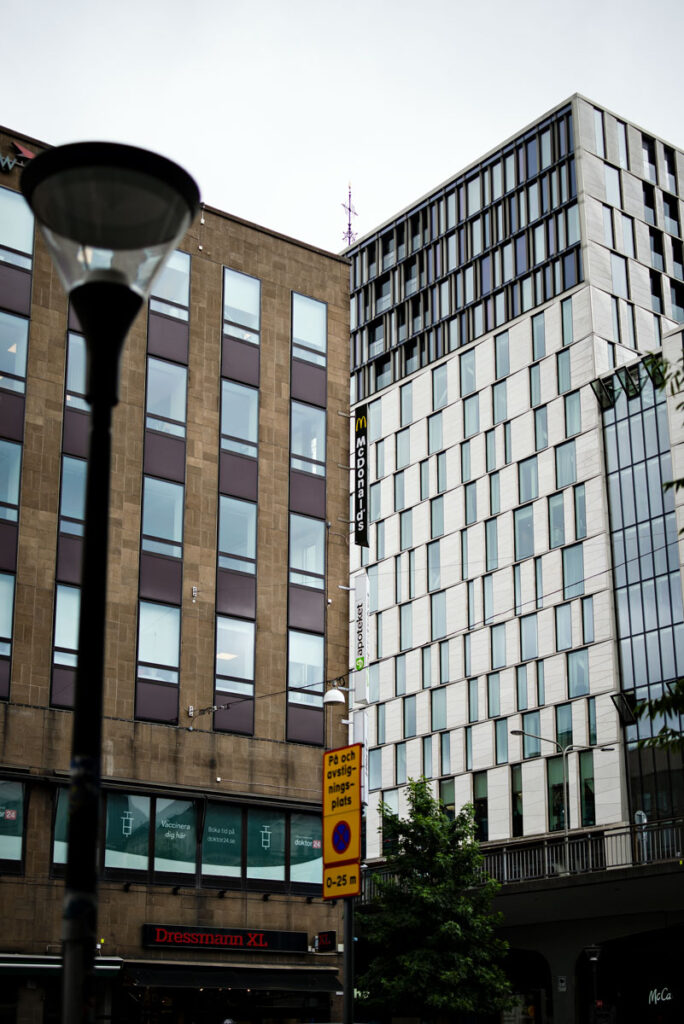
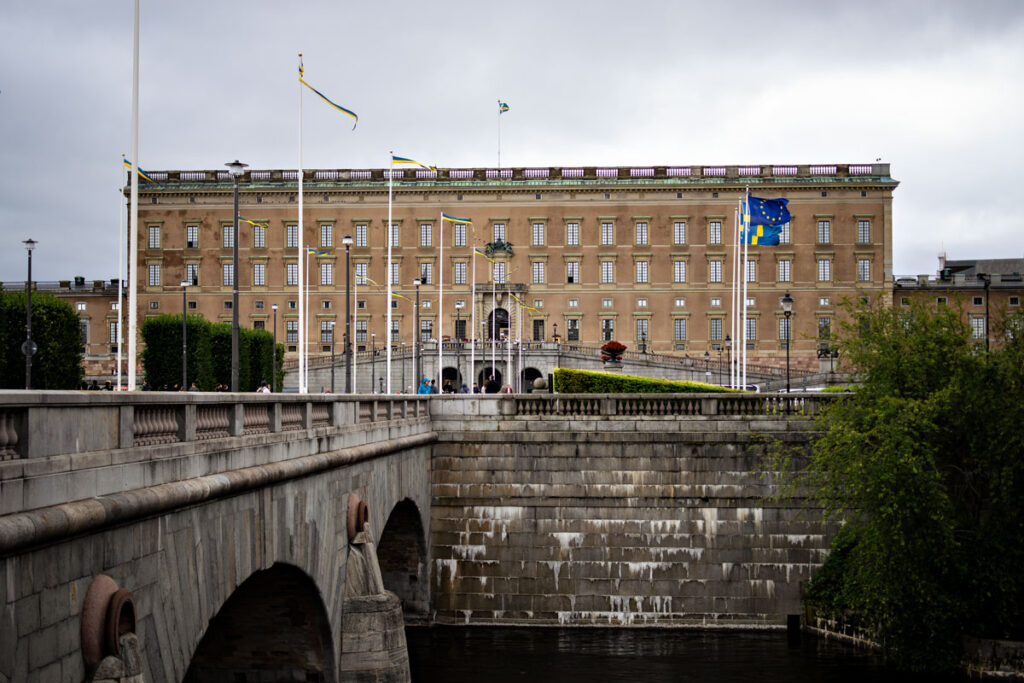
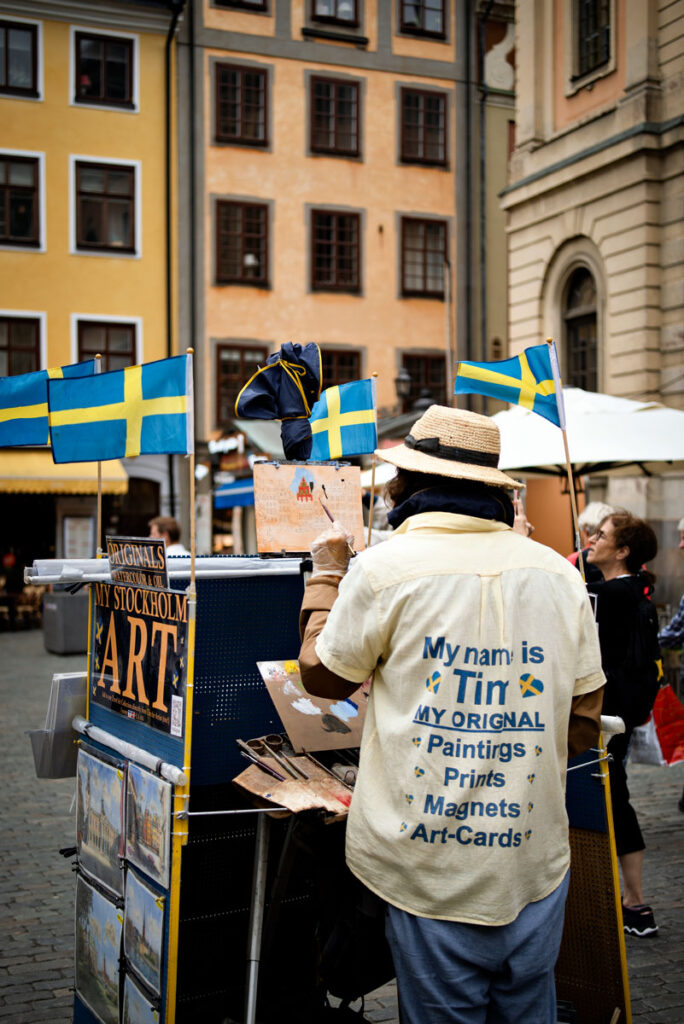
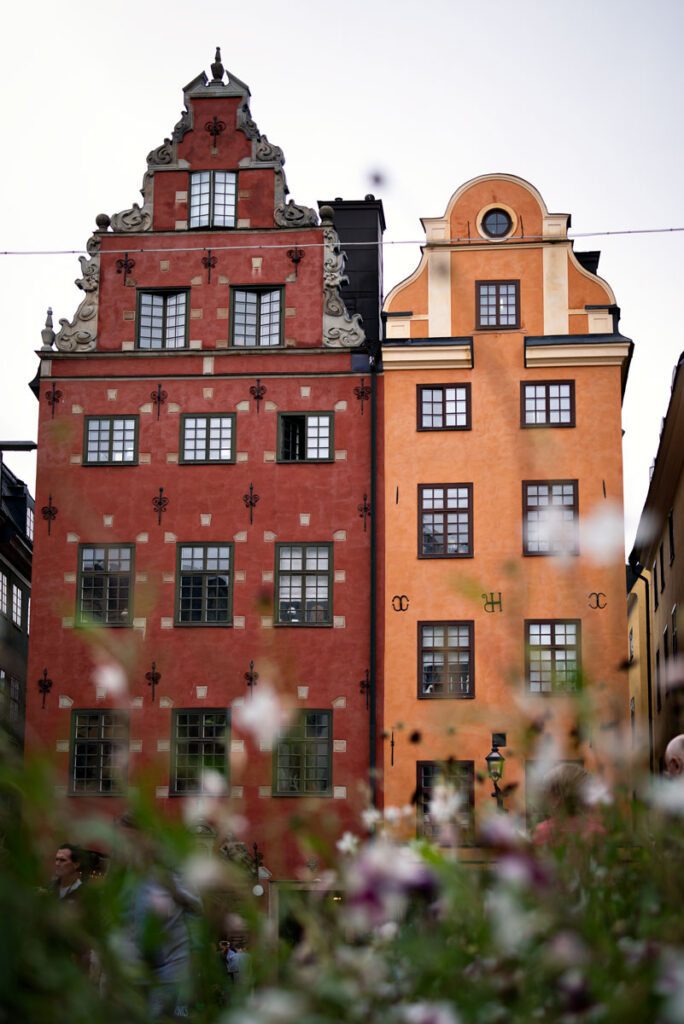
The capital city of Stockholm welcomes us with stormy weather. Thick clouds hang over the rooftops and the wind blows so strongly through the streets that we have to lean forward with every step we take. After the lush greenery and wonderfully peaceful lakes of the last few days, Stockholm seems like a gray, dreary concrete desert. So we hurry through this clean, hilly city crisscrossed by water channels, unimpressed. Past the parliament, over dozens of bridges, across the town hall square and through the crowded old town with its narrow streets. The souvenir shops sell Viking swords and helmets. The restaurants focus on good Swedish cuisine. The tourists wear T-shirts from metal bands.

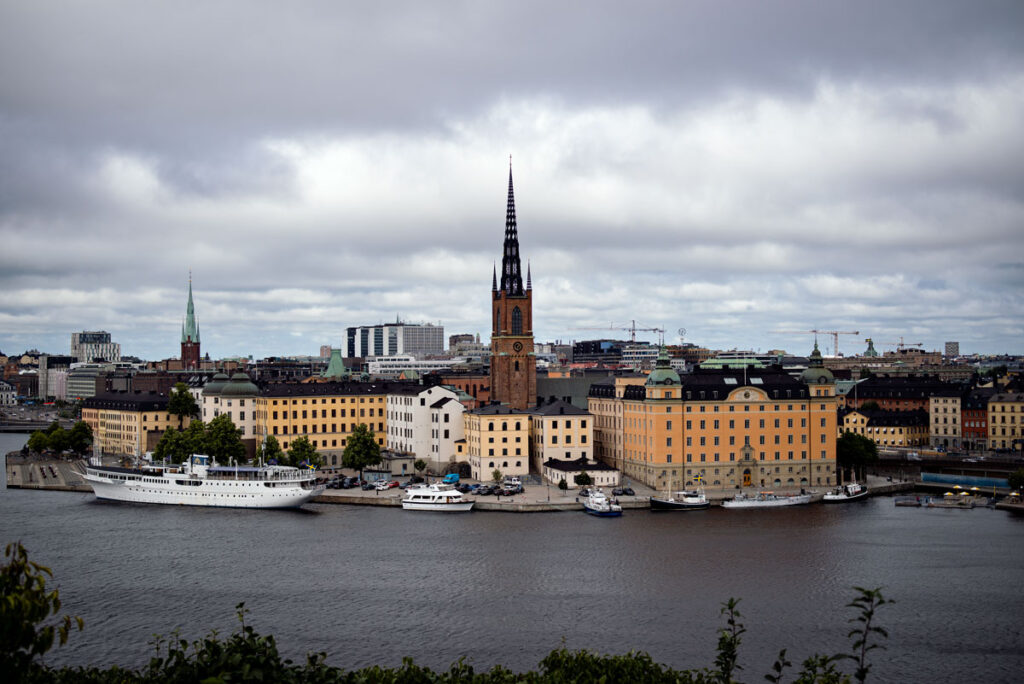
We walk over to Södermalm, from where you have a beautiful view of the city center. There is a nice playground in Olle Adolphson’s Park, where a traditional Swedish farmstead has been recreated. Our little boy is of course in his element here. And that’s exactly what makes holidays in Sweden so popular with families and dog owners: excellent infrastructure for children and animals, uncomplicated travelling, modern standards. Endless nature and, for those who like a bit of urban life in between, small and large towns to explore.

However, we’ve had enough of the city and want to get back to the countryside. Just as we’re getting on the subway to go back to our car, a cold drizzle starts to fall.

City of Stockholm
City of Stockholm
City of Stockholm
City of Stockholm
City of Stockholm
City of Stockholm
City of Stockholm

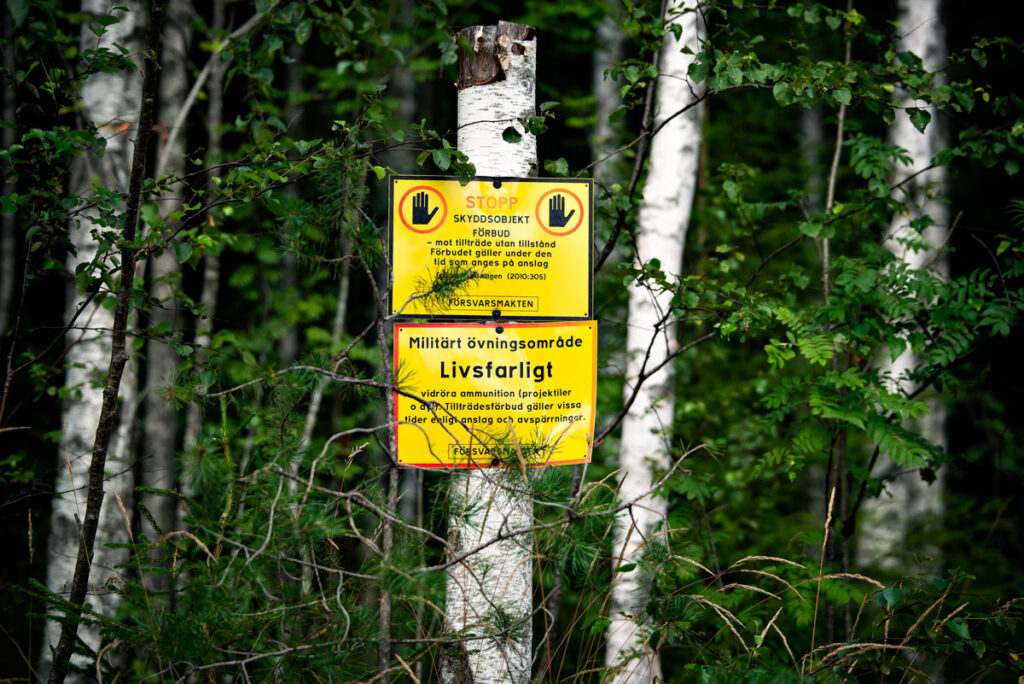
The rain gets heavier and lighter, and it seems as if the sun is actually fighting its way through the thick cloud cover. But then the next shower follows. Shortly before we reach Lake Vänern, we turn off into the woods. A corrugated track leads us into a nature park of lakes, mixed forest, and hiking trails on the edge of a military restricted area. In the drizzling rain, we set up camp right by the lake – but also right by the side of the road. We cook and eat, wrapped in rain jackets. It’s cold and we’re freezing. So we quickly get into the roof tent.

The next morning, the sun actually wakes us up. It’s a mild morning and we enjoy a swim in the lake while our damp clothes and mattress dry. Now we also have time for a little exploratory walk.

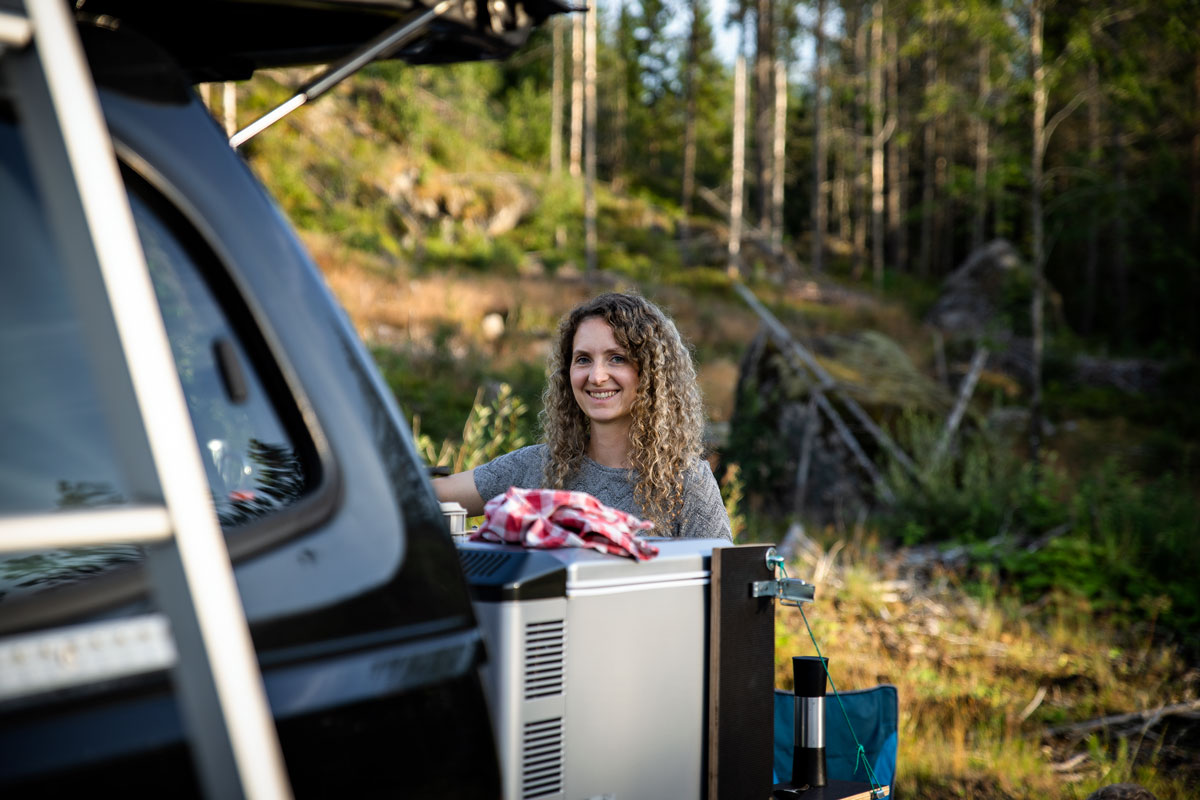
Camping in Sweden is like this: tourists park their vehicles EVERYWHERE – on the road, on the path, in turning areas, in dead ends, in passing places, in parking lots… The Swedes (still) tolerate this tacitly. They enjoy nature in their own way: by car to the campsite or day parking lot. From there, they set off on foot, by mountain bike, or by canoe into the wilderness. Wherever campers are parked, it quickly becomes clear that this cannot go on for much longer. No matter where we spend the night, we always find toilet paper and wet wipes in the bushes, burnt rubbish in the remains of campfires, plastic packaging in the forest. We simply cannot understand how you can supposedly love nature only to destroy it immediately afterwards. Sweden, you don’t deserve this, and on this day we are ashamed of every camper.

Camping in Nature
Camping in Nature
Camping in Nature
Camping in Nature
Camping in Nature

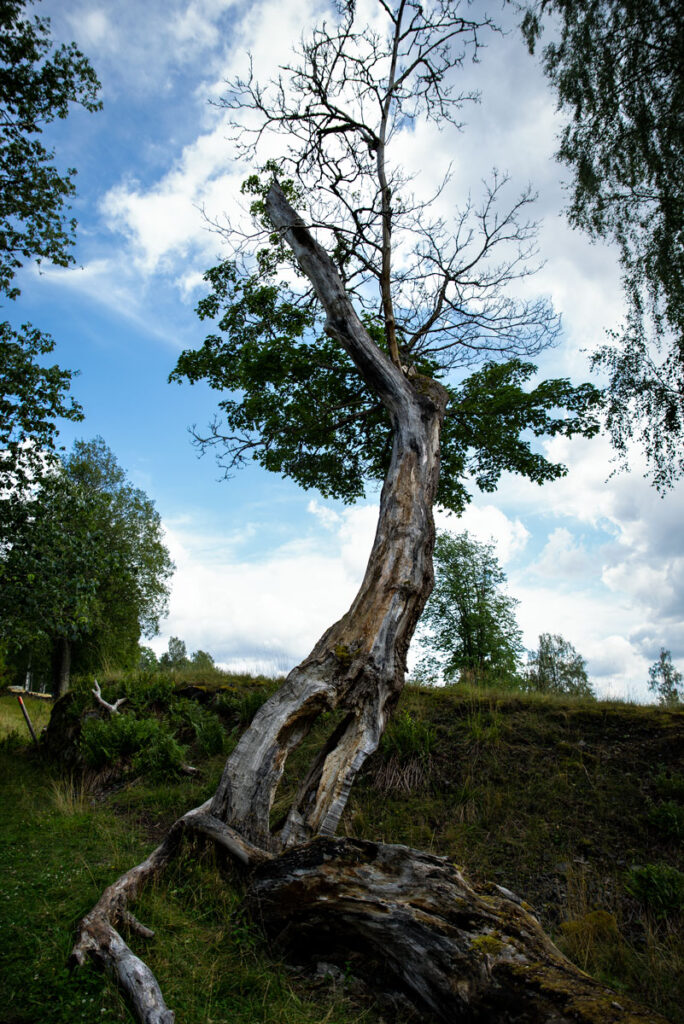
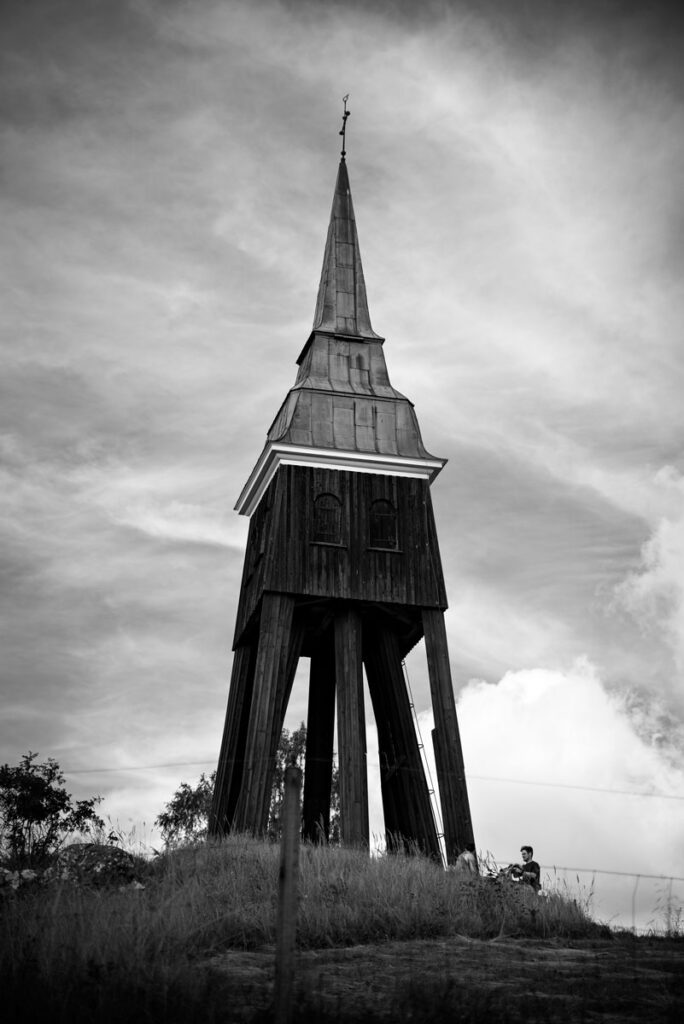
Hundreds of years ago, the mining area of Högbergsfältet was referred to as the suburbs of hell. Miners working by torchlight, the smell of pitch and sulfur in the air, the roar of explosions and the rattling of water pumps deafening the ears. Today, these scenes are unimaginable in the nature park of the same name. A peaceful idyll has settled over the rugged lake landscape. There are easy hiking trails and picnic areas. At the end of the route through the nature park, there is a walk-in tunnel that leads through thick layers of rock into an open, collapsed mine shaft. A Scandinavian-style bell tower rises high above the hikers on its hill and serves as a landmark.

Högbergsfältet
Högbergsfältet
Högbergsfältet
Cooking for Dinner

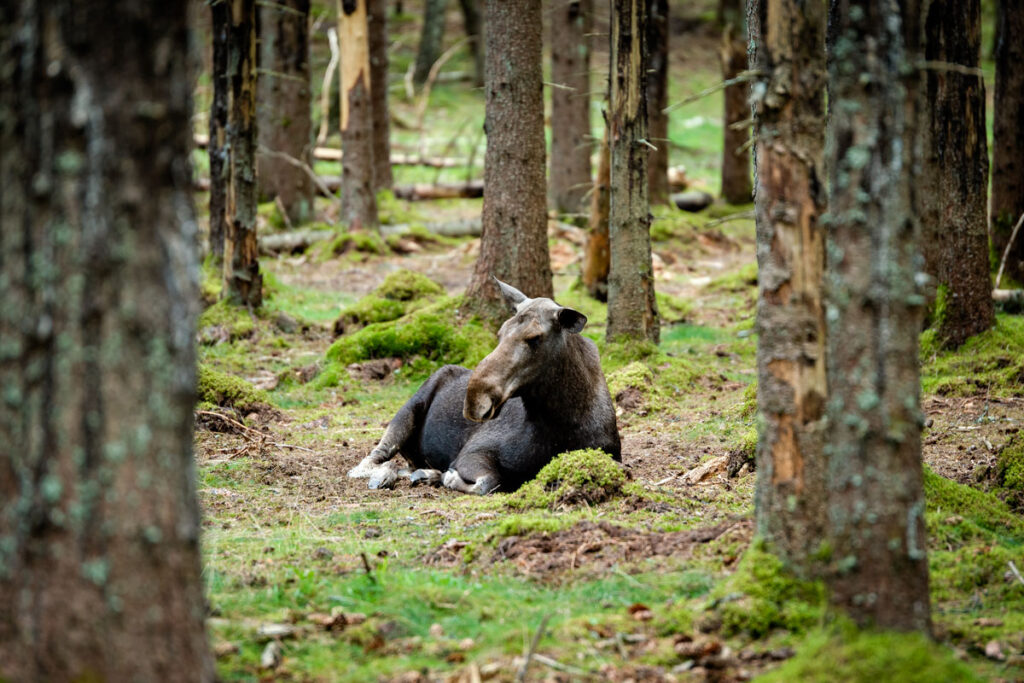
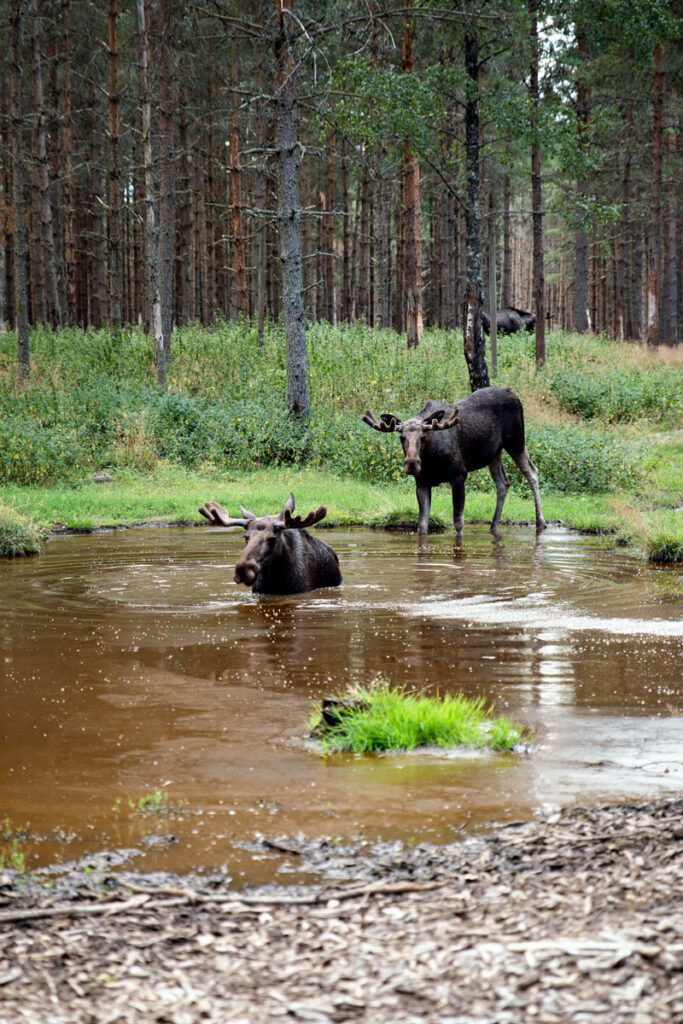
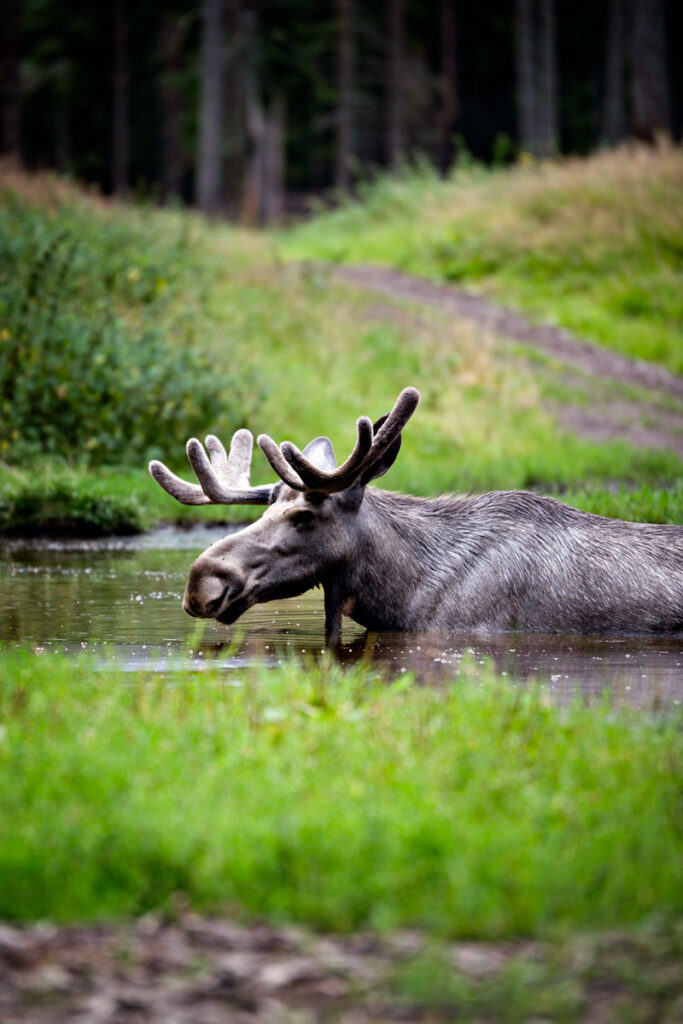
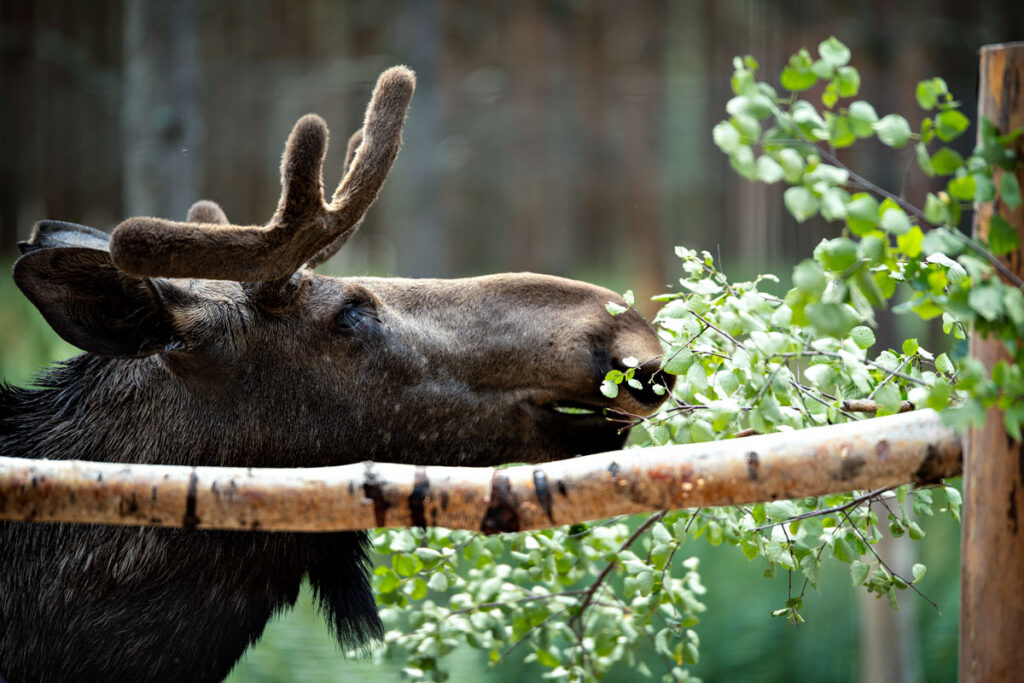
Moose belong to Scandinavia like giraffes belong to African safaris. Since we haven’t heard or seen a moose while camping at night yet, a visit to the moose park is a must for us today. More than 300,000 moose live in the wild in Sweden, giving the country the world’s largest moose population. Now, in midsummer, the antlers of the male moose are still quite young, short, and covered with a thin layer of skin. During mating season in October, however, their antlers will weigh several kilograms and grow large on their heads as they compete for the most beautiful females.

Dalslands Moose Ranch

Our time in Sweden is coming to an end. We have seen so much in such a short time and driven far too many miles. We still have a few hundred more to go.

After visiting the moose farm, we set out to find a place to spend the night. We have learned by now that the Camp4Night app is not necessarily helpful. Every listed camping spot is guaranteed to have a German camper van already parked at the side of the road. The motivation of other campers is a mystery to us, because when we go on vacation with our roof tent, we are primarily looking for seclusion, peace and quiet, and solitude under the starry sky. Our four-wheel drive vehicle is not primarily intended for adventures in mud and sand. Rather, it is for getting to places where we can enjoy nature and the supposed freedom of travel undisturbed. Of course, a parking spot by the lake is wonderful, but if we have to share it with five or more other campers, we prefer a secluded clearing in the middle of the forest.

That’s how it is today. We find a wonderful, remote spot deep in a mixed forest, surrounded by marshes. A simple gravel road takes us to nowhere, a meadow path to a clearing in the forest. As darkness falls shortly before midnight, the first stars appear. A peaceful silence descends. This is Sweden as we have been looking for it.

Little Lake in Sweden
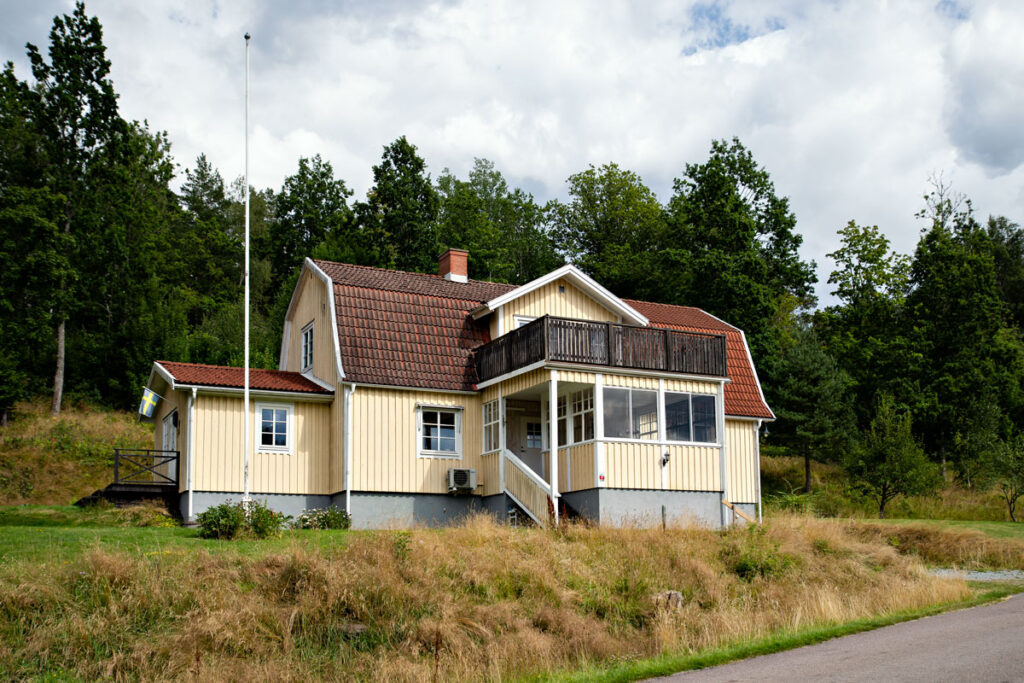
Swedish Houses
Swedish Houses
Camping in Sweden

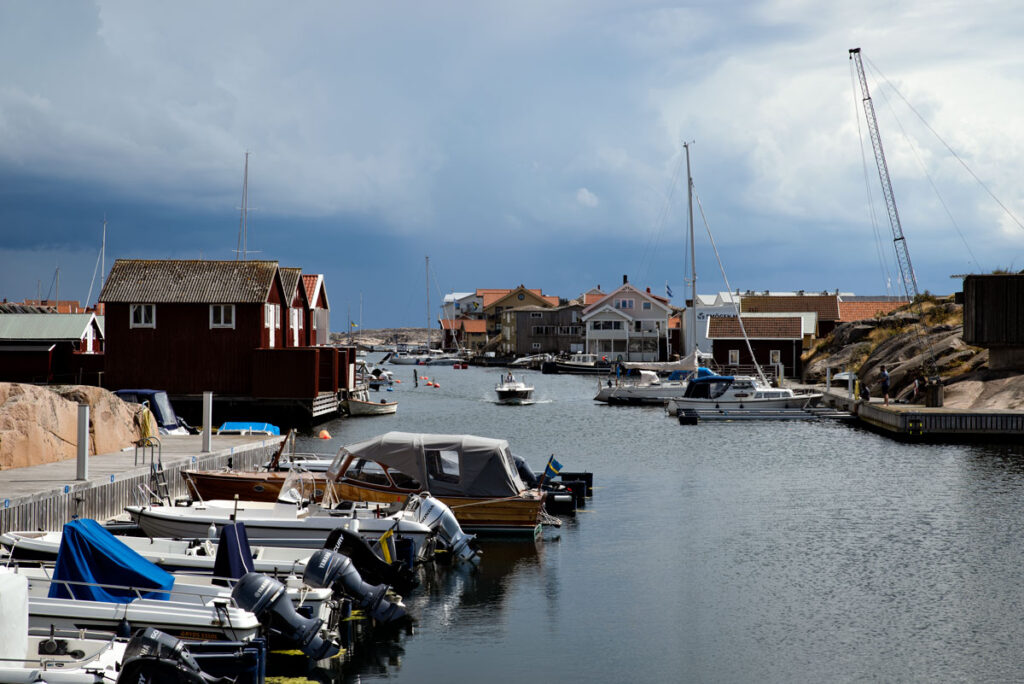
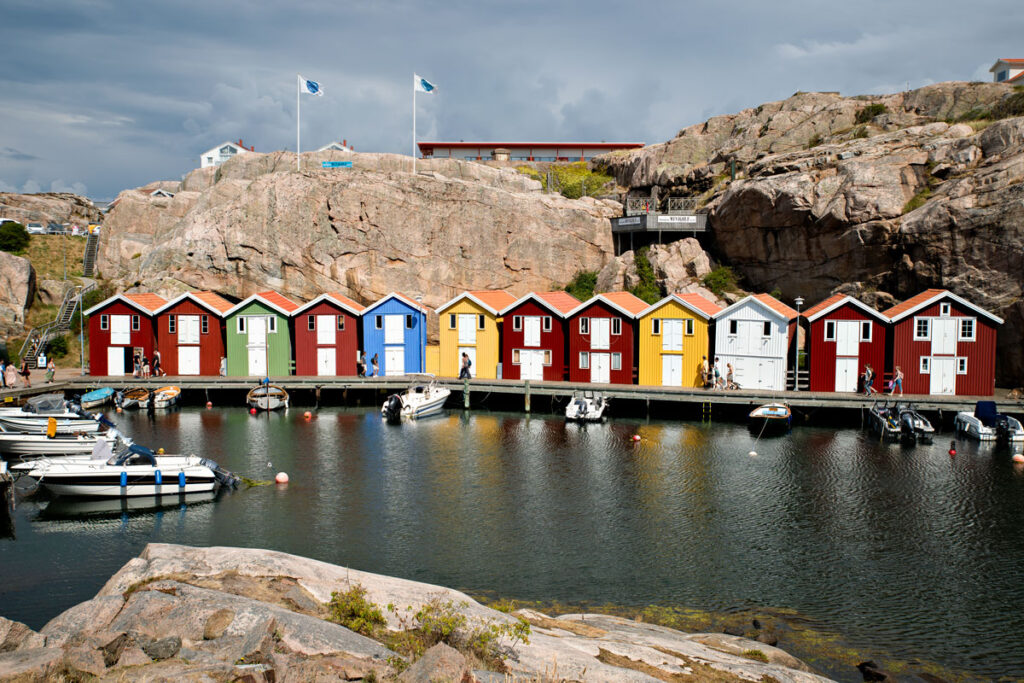
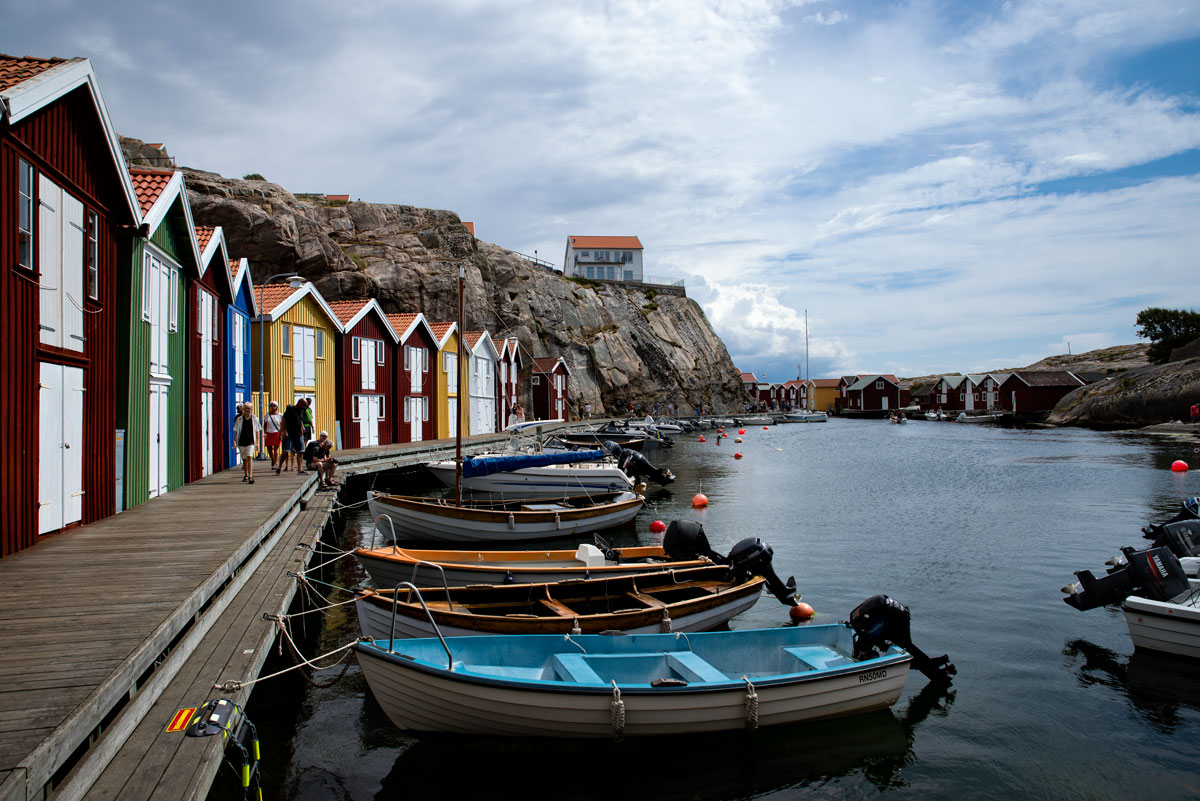
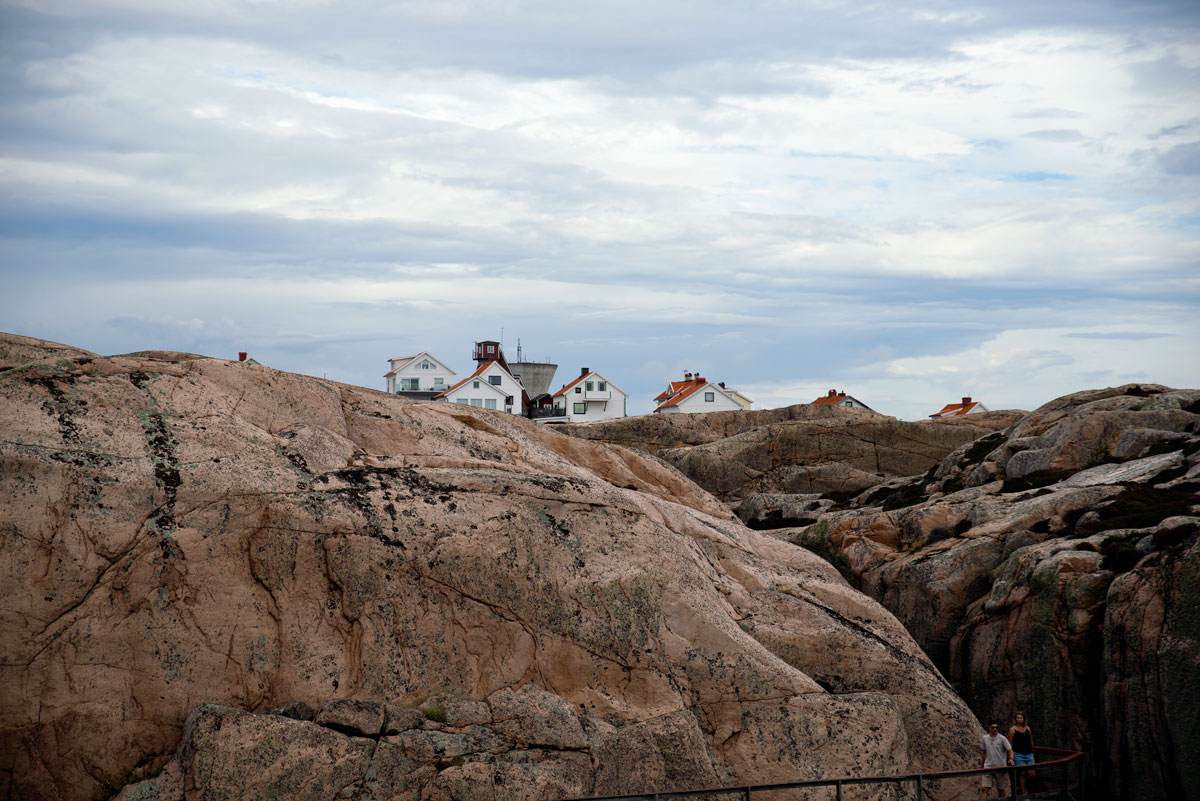
The last day has dawned before we set off for home. After getting to know Sweden’s deep forests, its capital city, and the rocky Baltic Sea coast, we are drawn once again to the North Sea to marvel at a completely different kind of landscape. Smögen – located on the Skagerrak (hello, 6th grade geography class) – is a town unlike any we have seen here before. The old fishing village glows in bright colors, almost reminiscent of Norwegian coastal settlements. Well, Norway is not far away, and the sea knows no boundaries anyway. As we push past tourists on the narrow boat jetties, dark storm clouds roll across the sky above us. We take refuge in a restaurant just in time as it starts to rain. Fortunately, the storm passes. While we enjoy a fish platter, we realize once again that the Swedes are not deterred by the weather. Despite the rain, they stroll through the city in shirts and shorts, in good moods.

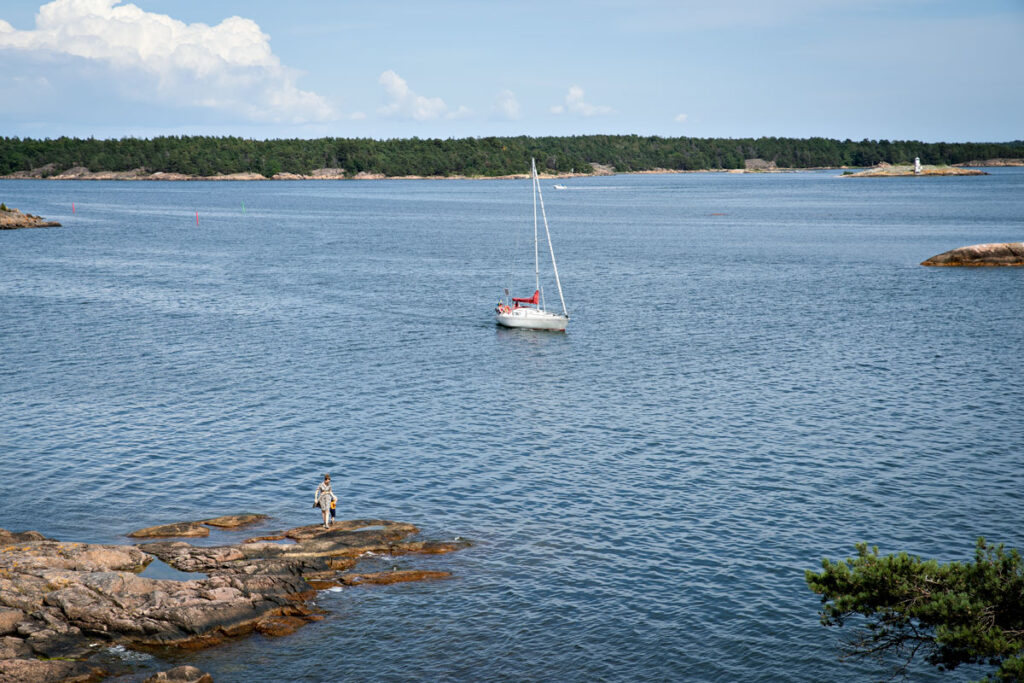
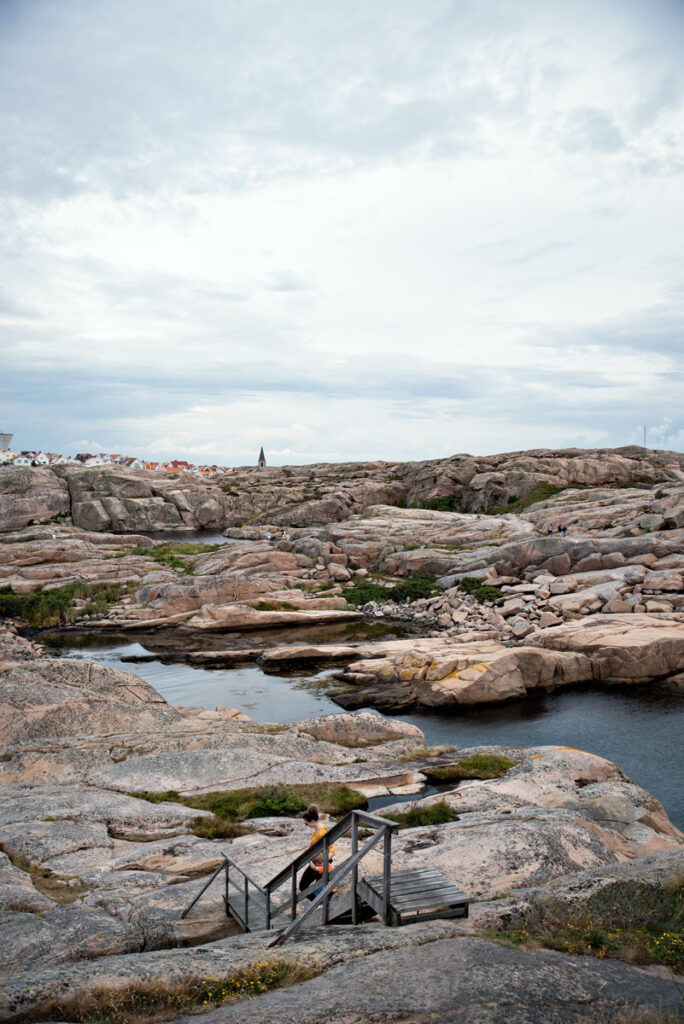
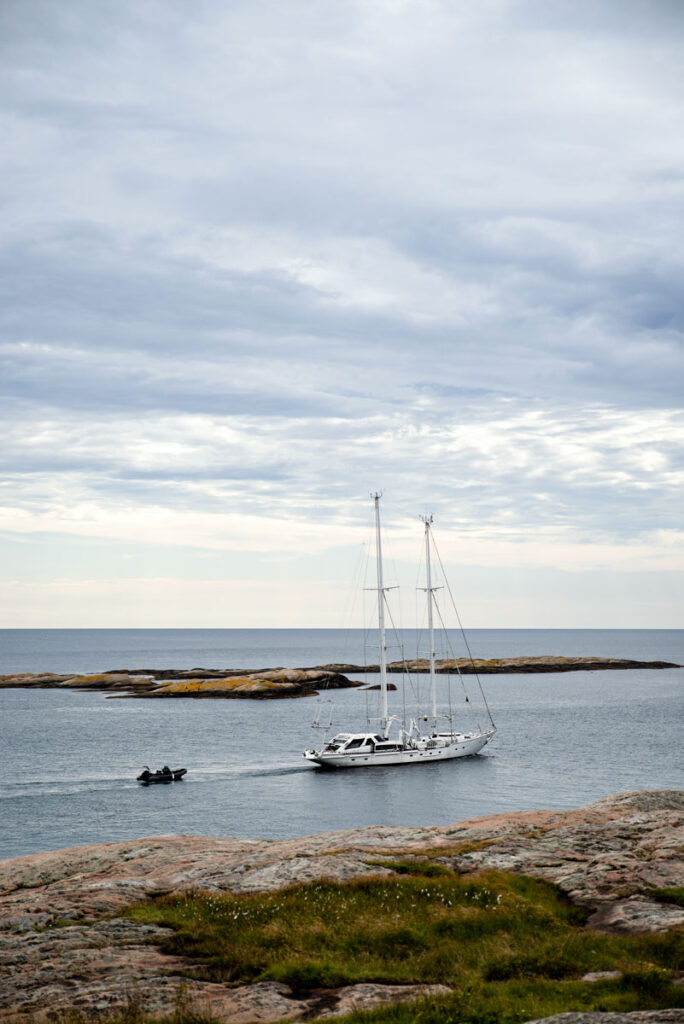
After the sky clears, we walk down to the coast again into a bizarre rocky landscape. A sailboat passes by, a lighthouse stands on an offshore island, and sea buckthorn berries glow bright orange. North Sea romance at its most kitschy.

Smögen
Smögen
Smögen
Friluftsled Kleven
Friluftsled Kleven
Friluftsled Kleven

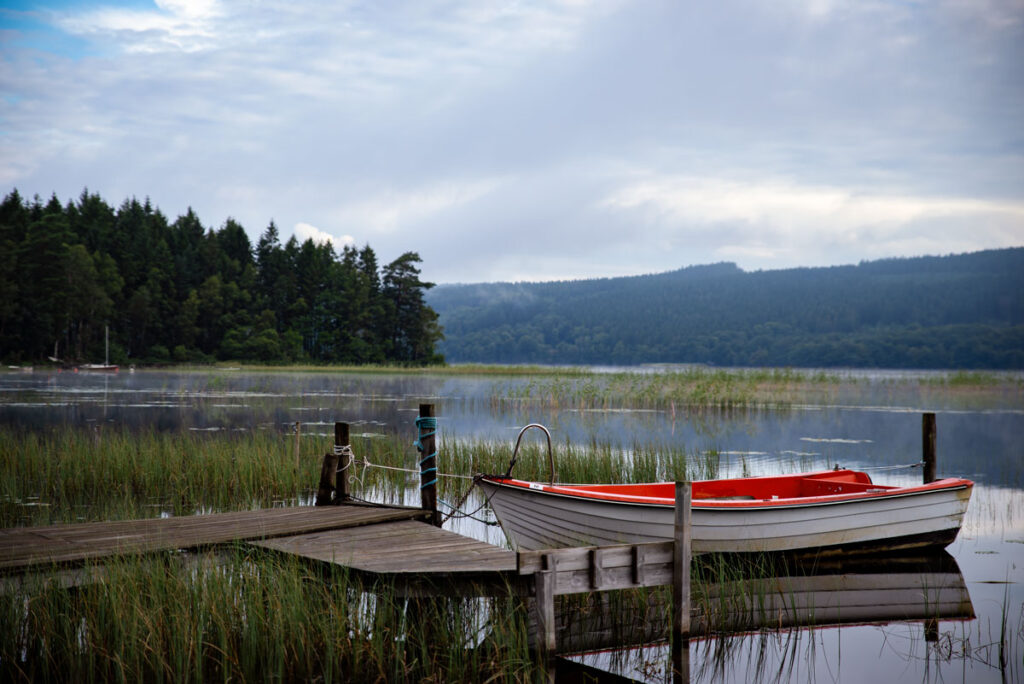
Between Gothenburg and Malmö, we spend our last night at the edge of a forest road, very close to a lake. In the morning, it is terribly cold. Morning fog hangs between the trees and over the lake. The air is clear, and everything feels more like a beautiful autumn day, even though it is August 1st. You can definitely experience hot summer days in Scandinavia, but we had a rather mixed time with milder and cooler temperatures, sometimes sunshine, often rain. Typical Nordic weather, in other words.

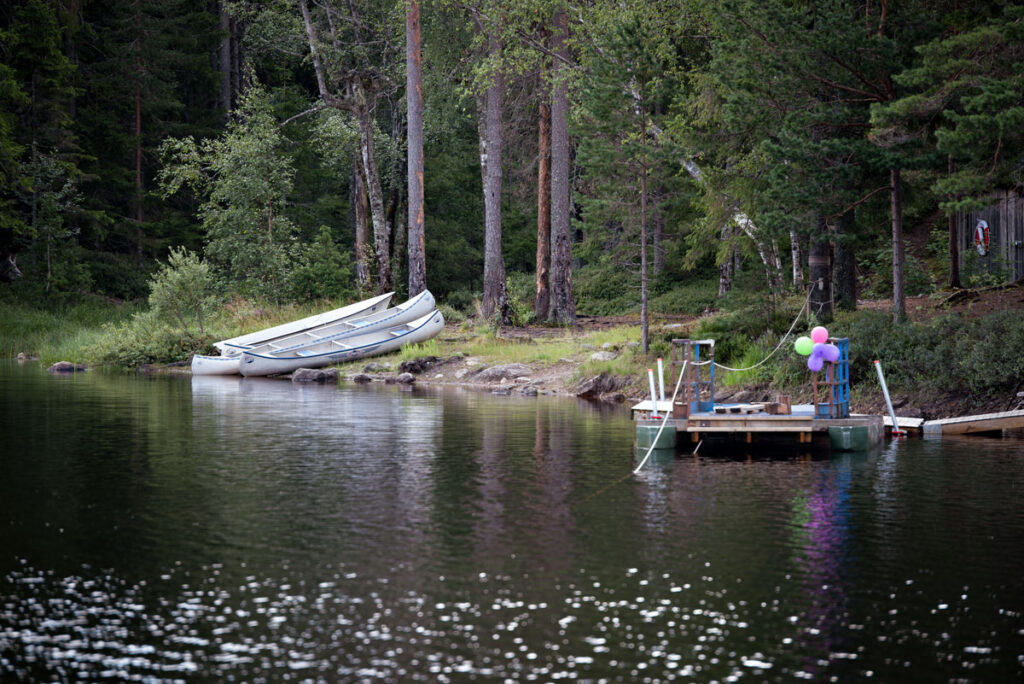
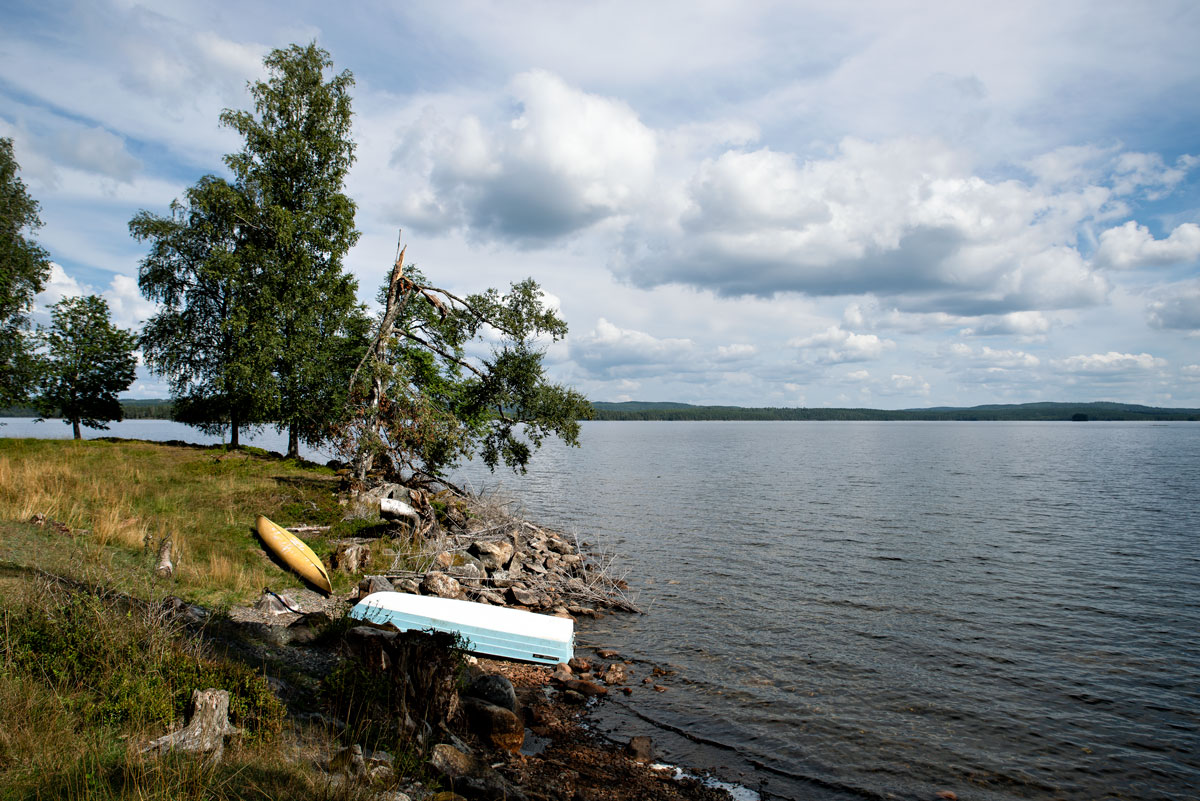
We have breakfast right by the lake, letting our gaze wander over the water and the boats tied up on the shore. We soak up nature one last time before heading home on the highway.

Lake at Raggarkullen in Sweden

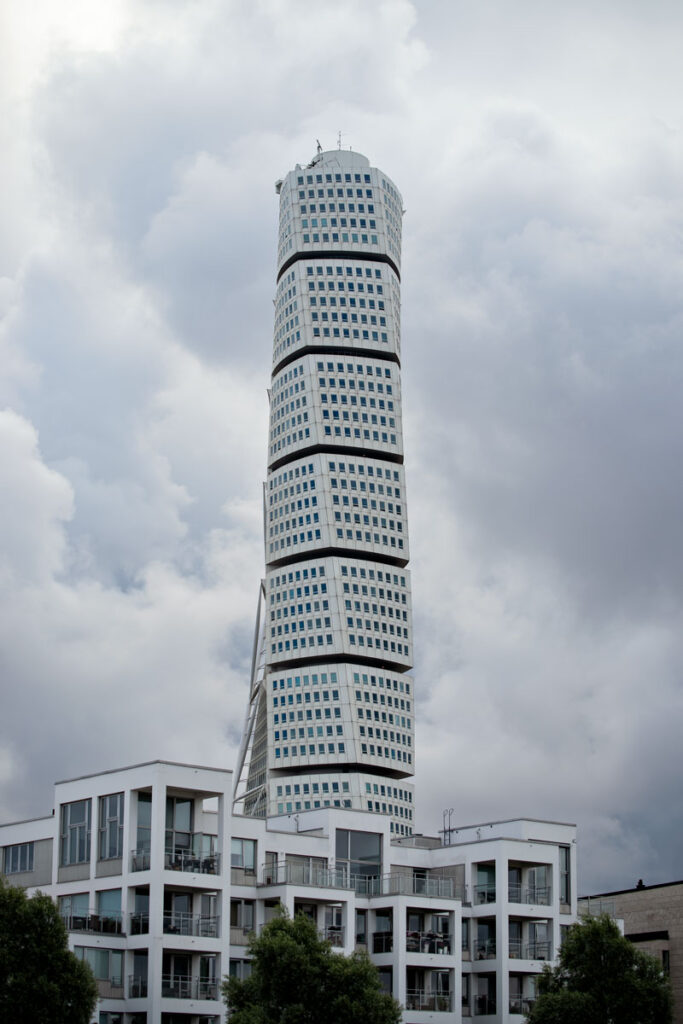
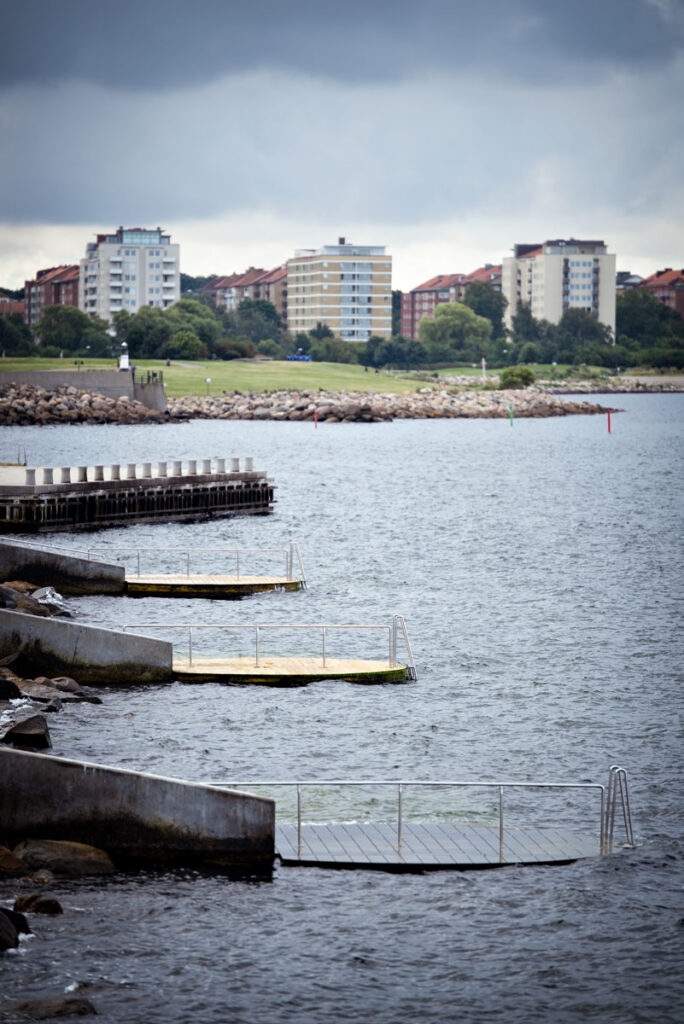
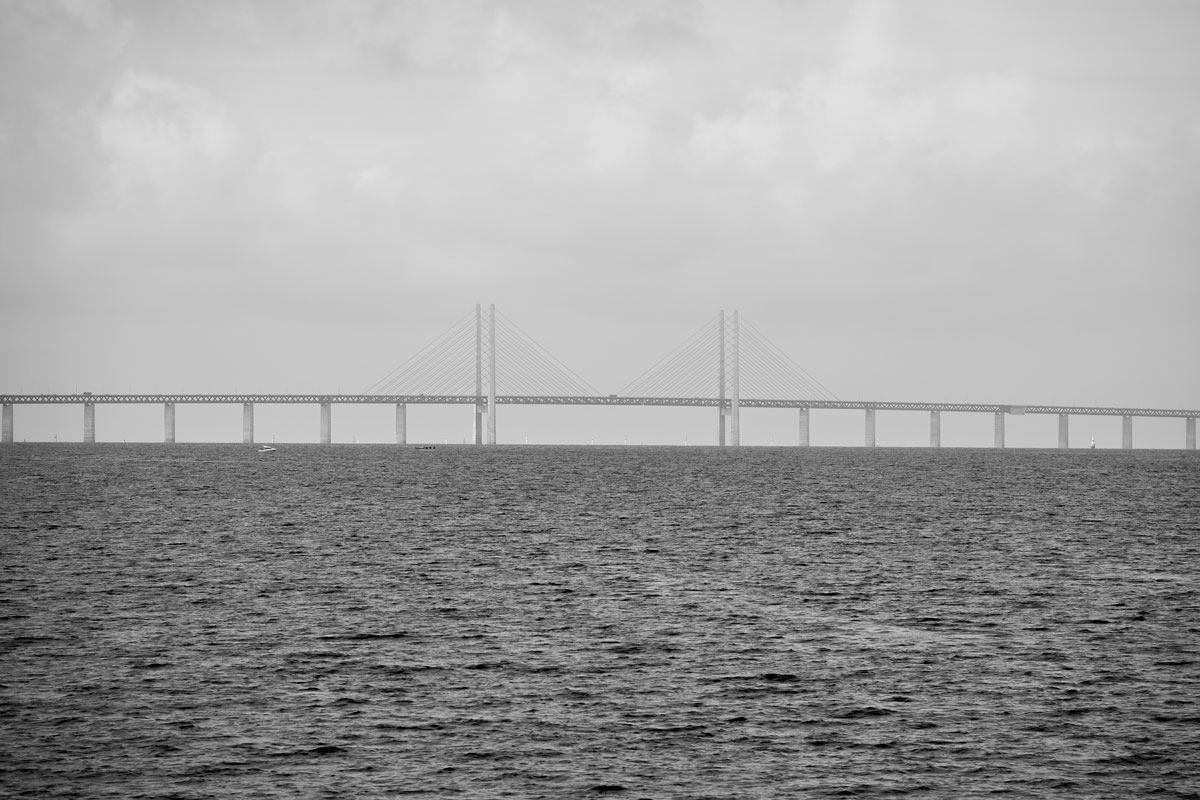
A brief stop in Malmö. This Swedish city is located directly on the Öresund Bridge and offers a wonderful view of the city’s outskirts and the bridge itself from the Turning Torso. It is quite calm on the waterfront promenade this early in the morning. A few walkers, a few brave souls taking a dip in the Baltic Sea. The view of the Öresund Bridge – the longest of its kind in the world – is hazy and foggy. Ships pass beneath it, heading for the North Sea, perhaps the Atlantic, perhaps even further. Globalization is palpable in places like this.

Malmö Turning Torso
Dania Park in Malmö
Öresund Bridge

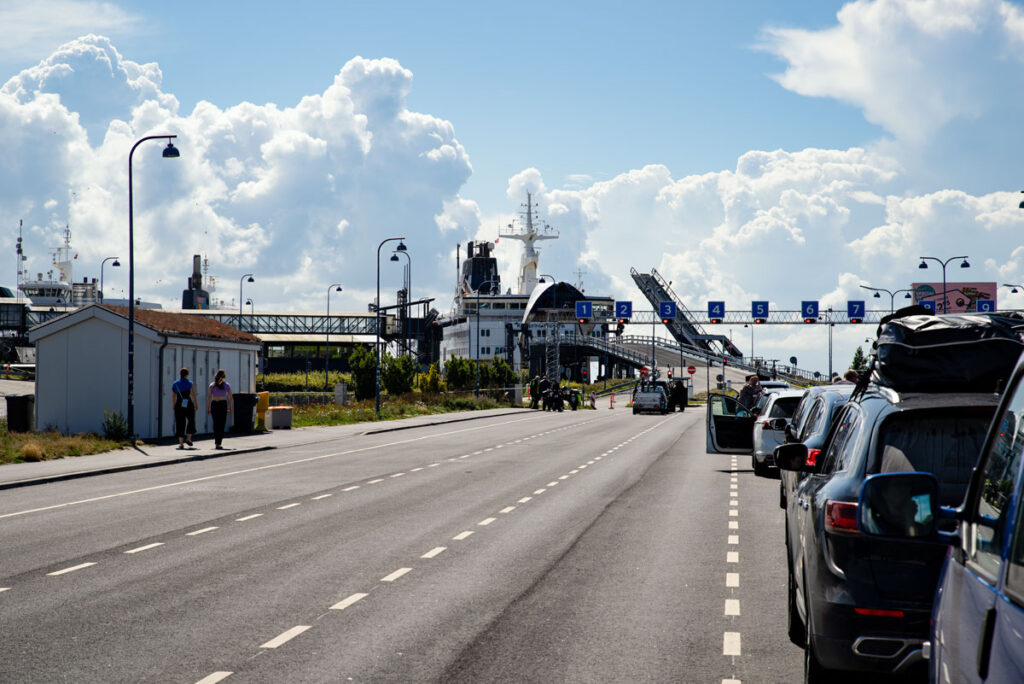
Across the Öresund Bridge to Denmark. Past Copenhagen again, down to Lolland. We arrive at the ferry terminal at just the right time. The gray clouds from the morning have cleared, and we cross over to Fehmarn, to Germany, in perfect weather. Goodbye, Scandinavia.

And so we glide across the dark blue Baltic Sea, one ship per hour on this route. Indeed, the upper and lower decks are full, every seat taken. Although their vacation is probably coming to an end, the travelers are in good spirits. German is spoken without exception. Obviously, tourism here only goes in one direction.

Rødbyhavn Ferry
Rødbyhavn Ferry

So what is it that fascinates people so much about Scandinavia?

Perhaps it is the natural environment with its forests and lakes. Perhaps it is the freedom to park your car in this natural environment, to experience and claim this nature for yourself. Perhaps it is the feeling of being in control of nature, of being an adventurer, of mastering the wilderness. Perhaps it is the thrill of spending money on gadgets, equipment, and vehicle modifications and testing them on a safe journey in your own comfort zone – without pushing the limits in any way. Perhaps it is the relaxed attitude of the Swedes, who still smile wearily and say “Good morning” to vacationers as they squeeze past poorly parked cars or step over the campers’ leftovers.

A summer vacation in Scandinavia can be fun and enjoyable. However, it will be crowded – the idea of lonely lakeside romance, lost in the deep forests, is not so easy to find.

Info about our trip